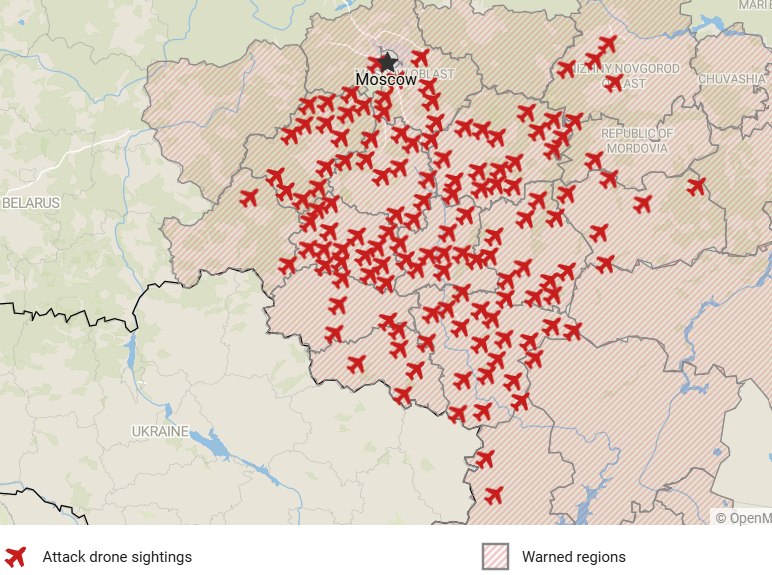
On 9 October 2026, a coordinated series of unmanned‑aerial‑vehicle (UAV) operations marked the most intensive day of drone activity in the Ukraine‑Russia conflict since the war began. The largest single incident was a large‑scale mid‑range drone strike on Luhansk, Ukraine, which ignited a city‑wide fire and knocked out both power and internet services. Within hours, Ukrainian drones also hit a fuel depot in Russia’s Belgorod Oblast, while Russian forces deployed a Geran‑4 jet‑drone against a warehouse in Kyiv Oblast. The simultaneity and scale of these attacks underscore a rapid escalation in UAV usage that is reshaping the tactical landscape across Eastern Europe.
Ukrainian Drone Campaign in Russian Territory
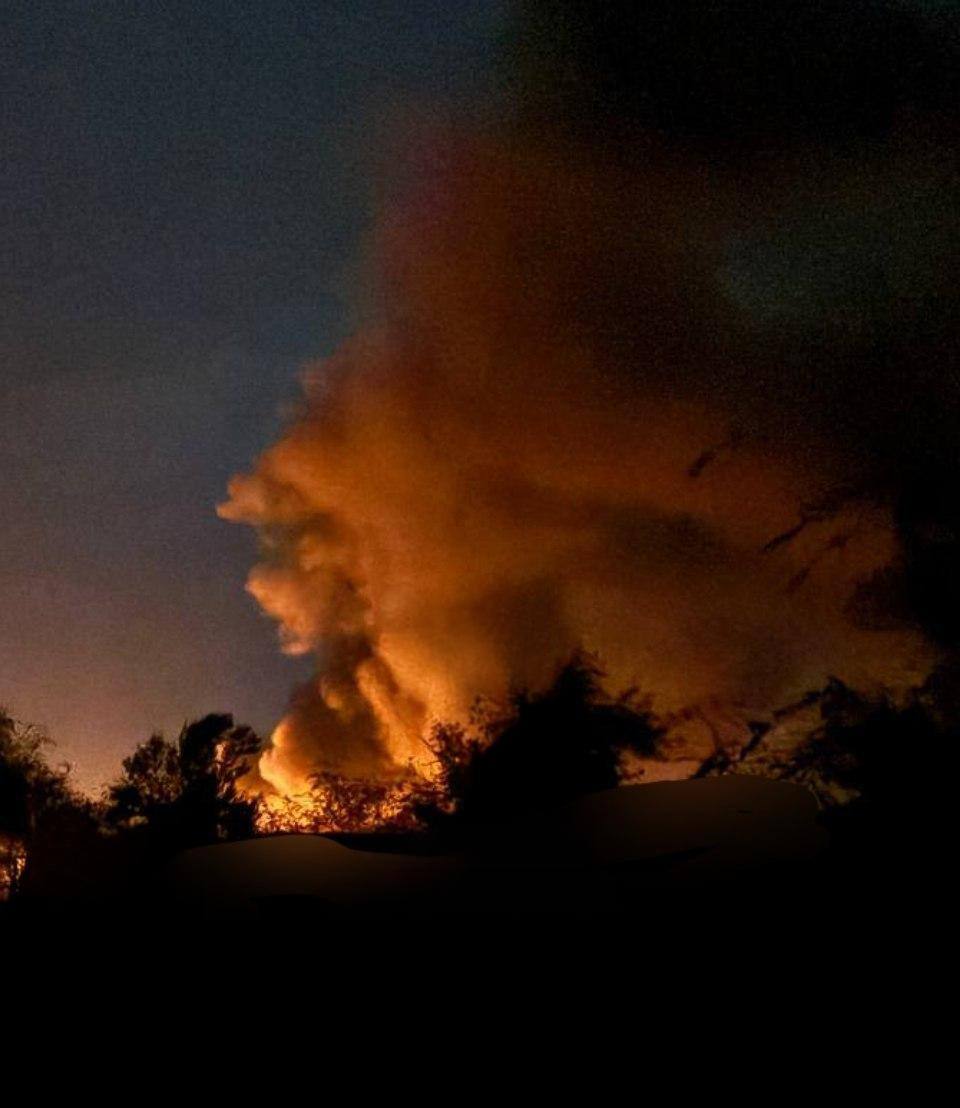
At 05:47 UTC, the Telegram channel monitor_the_situation reported that Ukrainian drones conducted a “large‑scale mid‑range drone attack” on Luhansk City, located in Luhansk Oblast, Ukraine. The strike set multiple structures ablaze, triggered a city‑wide power outage, and disrupted internet connectivity, effectively crippling civilian communications for several hours. No official casualty figures were released, but local authorities confirmed extensive material damage and the activation of emergency services.
Large‑scale mid‑range drone attack on Luhansk City caused a large fire and power and internet outages.
Shortly before this, at 05:44 UTC, Ukrainian drones targeted a fuel depot near the coordinates 50.78 N, 36.44 E in Belgorod Oblast, Russia. Explosions were heard in Belgorod City, and satellite data from NASA FIRMS confirmed a substantial fire at the depot. The attack, also reported by monitor_the_situation, demonstrated the ability of Ukrainian UAVs to strike deep within Russian territory, threatening critical energy infrastructure.
Later, at 00:30 UTC, the same channel confirmed a separate drone strike in Belgorod Oblast that resulted in two civilian deaths. The incident was reported by regional officials and corroborated by on‑the‑ground footage posted to the channel.
These operations illustrate a shift from tactical reconnaissance to strategic sabotage, with Ukrainian forces employing mid‑range attack drones capable of carrying payloads sufficient to ignite fuel stores and disrupt municipal services. The use of multiple drone streams in a single day suggests a coordinated command structure and an expanding inventory of UAV platforms.
Russian Counter‑Drone Action: Geran‑4 Jet‑Drone Strike
At 05:27 UTC, Russian forces launched a Geran‑4 jet‑drone against a warehouse in Sviatopetrivske, Kyiv Oblast, Ukraine. The Geran‑4, a loitering munition derived from the Iranian Shahed‑136, is designed for precision strikes against fixed targets. Photographic evidence posted by monitor_the_situation showed the aftermath of the impact, with the warehouse roof collapsed and debris scattered across the site. No casualties were reported, but the strike highlighted Russia’s continued reliance on loitering munitions to counter Ukrainian UAV activity.
The Geran‑4 deployment underscores a reciprocal escalation: as Ukraine expands its drone offensive, Russia is responding with its own UAV capabilities, blurring the line between offensive and defensive aerial operations.
Broader Regional Implications
The twin surges of UAV activity on 9 October have several immediate and longer‑term implications for Eastern European security dynamics:
- Operational Reach: Both sides demonstrated the capacity to strike targets up to 300 km from their front lines, challenging traditional notions of battlefield depth.
- Infrastructure Vulnerability: The attacks on power grids, internet nodes, and fuel depots reveal critical infrastructure as a high‑value target for UAVs, potentially prompting NATO and regional governments to reassess civil‑defense protocols.
- Escalation Risk: The rapid succession of attacks raises the probability of miscalculation. Each side may interpret the other's UAV use as a prelude to larger conventional operations, increasing the risk of broader conflict.
Analysts note that the proliferation of commercially available drone components, combined with domestic production of loitering munitions, has lowered the threshold for large‑scale UAV deployments. The events of 9 October are consistent with a pattern observed since early 2026, where both Kyiv and Moscow have integrated UAVs into their combined‑arms doctrines.
Source Attribution
All incident details are drawn from open‑source intelligence (OSINT) channels:
- Al Jazeera video on the Gaza airstrike (unrelated to the drone theme but included in the broader conflict feed): https://www.aljazeera.com/video/newsfeed/2026/10/9/a-fathers-agony-after-an-israeli-air-strike-hits-gaza-apartment
- Telegram channel monitor_the_situation for Luhansk, Belgorod fuel depot, Belgorod civilian deaths, and the second large‑scale drone raid into Russian airspace: Luhansk, Belgorod fuel depot, Belgorod civilian deaths, Second raid
- Telegram channel rnintel for the U.S. F‑15E pilot report on Iranian drone swarms (contextual background on UAV tactics): https://t.me/rnintel/67474
The convergence of these reports provides a comprehensive picture of the UAV surge on 9 October, confirming a marked intensification of drone warfare on both sides of the front.