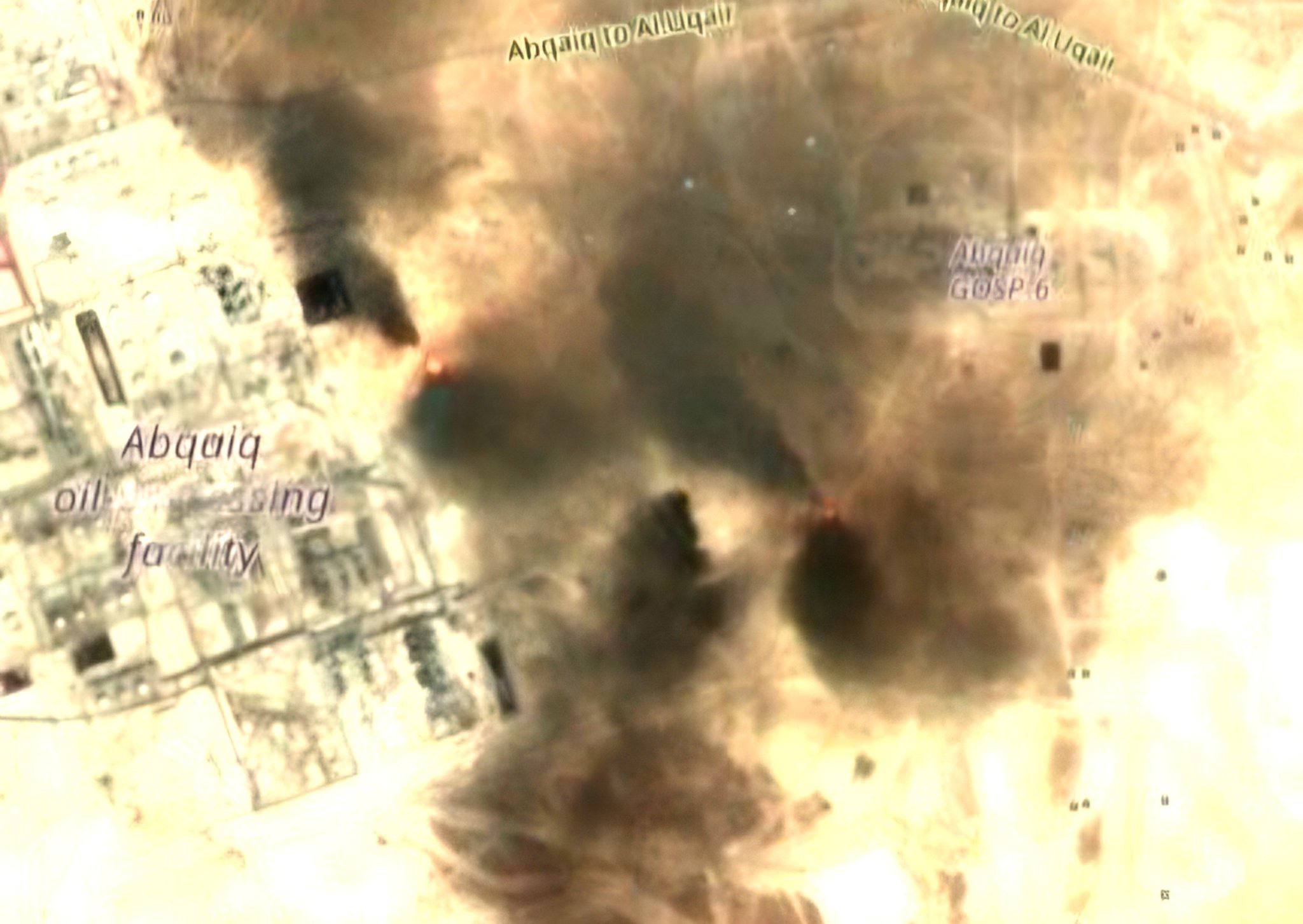
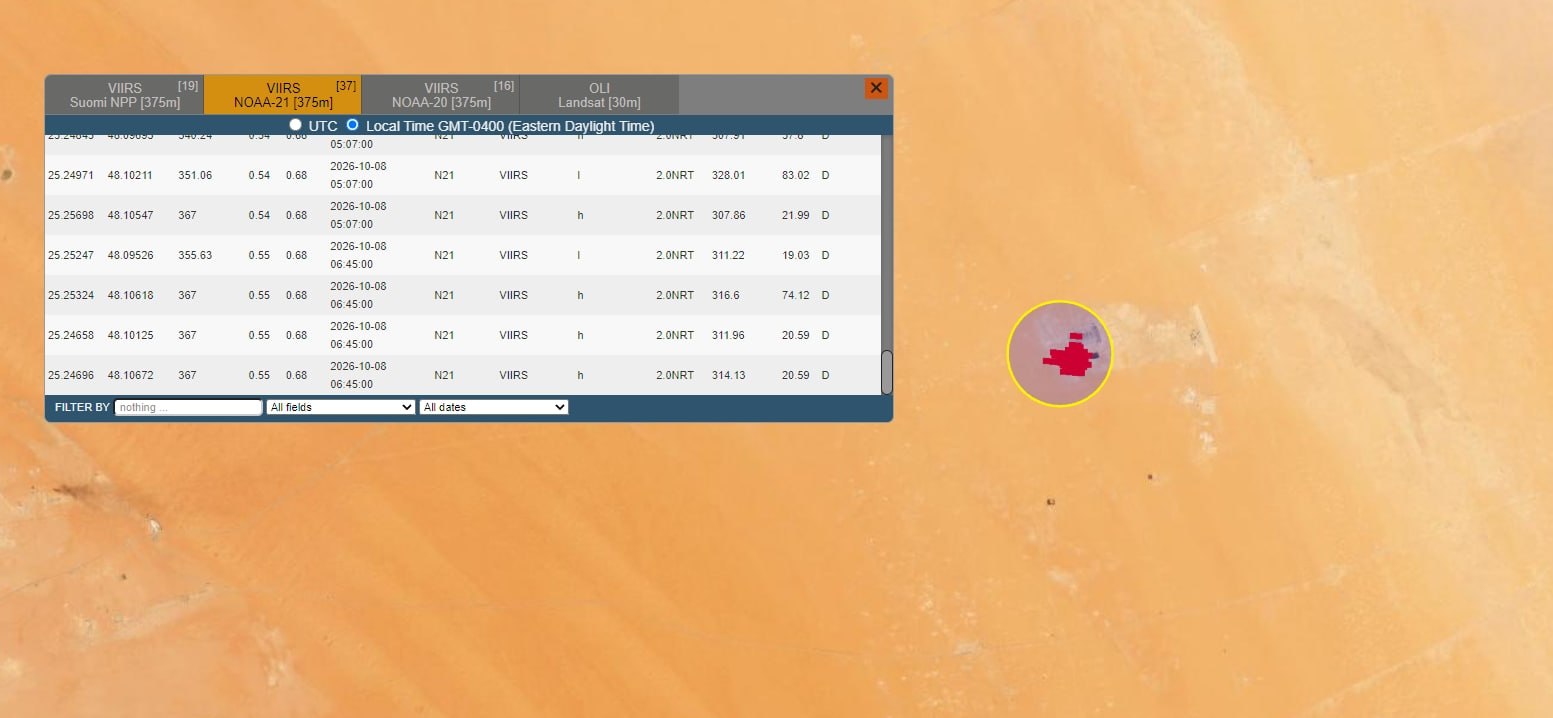
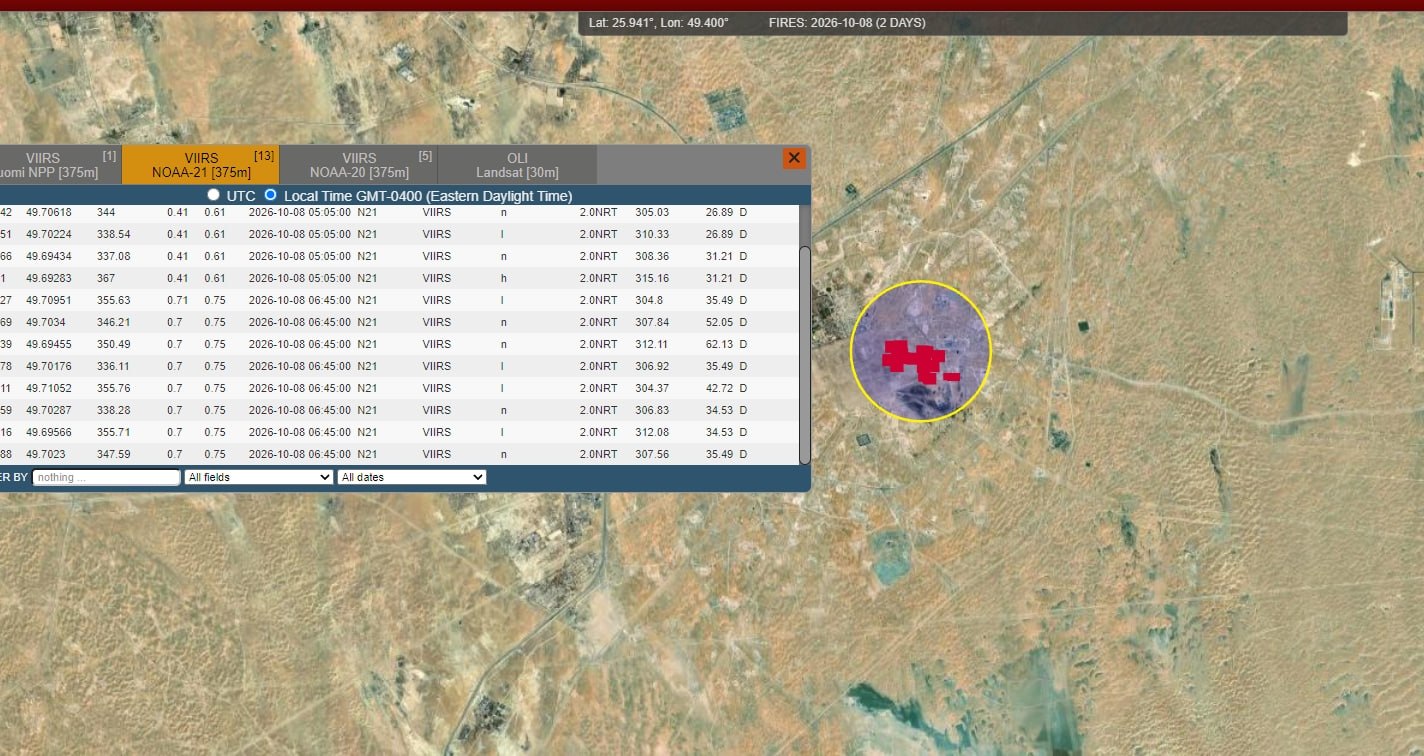
At 17:14 UTC on 8 October 2026, Yemeni ballistic missiles struck the Saudi Aramco refinery complex in Abqaiq, delivering the most severe kinetic blow of the day and marking the latest escalation in the cross‑border conflict between Houthi‑aligned forces and the Saudi kingdom.
Abqaiq refinery under fire
The attack, reported by the CIG_telegram channel (source https://t.me/CIG_telegram/85228), involved a salvo of ballistic missiles launched from Yemen. The missiles impacted multiple processing units at the Abqaiq oil refinery, a critical node in Saudi Arabia’s petroleum export infrastructure. While the official casualty count has not been released, the Saudi Ministry of Energy confirmed extensive damage to refining equipment and temporary shutdown of several units pending safety inspections.
"Yemeni ballistic missiles struck the ARAMCO refinery in Abqaiq, Saudi Arabia," CIG_telegram reported.
Strategic significance: Abqaiq processes roughly 5 million barrels of crude per day, representing a substantial share of the kingdom’s export capacity. Disruption of output could reverberate through global oil markets, especially given concurrent supply‑chain stresses.
Riyadh’s King Khalid International Airport targeted repeatedly
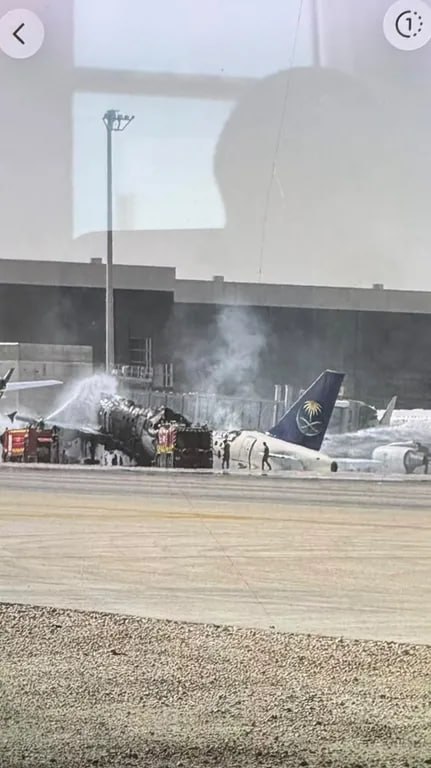
Within hours of the Abqaiq strike, a series of missile impacts unfolded at King Khalid International Airport (KKIA) in Riyadh. The first confirmed hit occurred at 16:44 UTC when a Houthi‑launched missile destroyed a Saudi‑registered Airbus A310‑200 on the tarmac, as documented by intelslava (source https://t.me/intelslava/95932).
"A Houthi missile struck and destroyed a Saudi Airbus A310‑200 at Riyadh's King Khalid International Airport," intelslava reported.
Two minutes later, rnintel posted visual confirmation of a direct missile impact on another aircraft at the same airport (source https://t.me/rnintel/67446), reinforcing the pattern of coordinated strikes.
Additional reports from GeoPWatch indicated that an eyewitness observed the aircraft hit at KKIA was empty at the time of impact (https://t.me/GeoPWatch/40518), while another GeoPWatch post (source https://t.me/GeoPWatch/40514) described the missile as a ballistic type that completely destroyed the plane, though casualty figures remain unverified.
At 12:01 UTC, intelslava captured footage of a drone or ballistic missile striking a fuel storage tank at KKIA, igniting a fire and generating a visible plume of smoke (https://t.me/intelslava/95922). The incident prompted immediate emergency response and contributed to the closure of Saudi airspace for several hours.
Airspace closures and flight disruptions
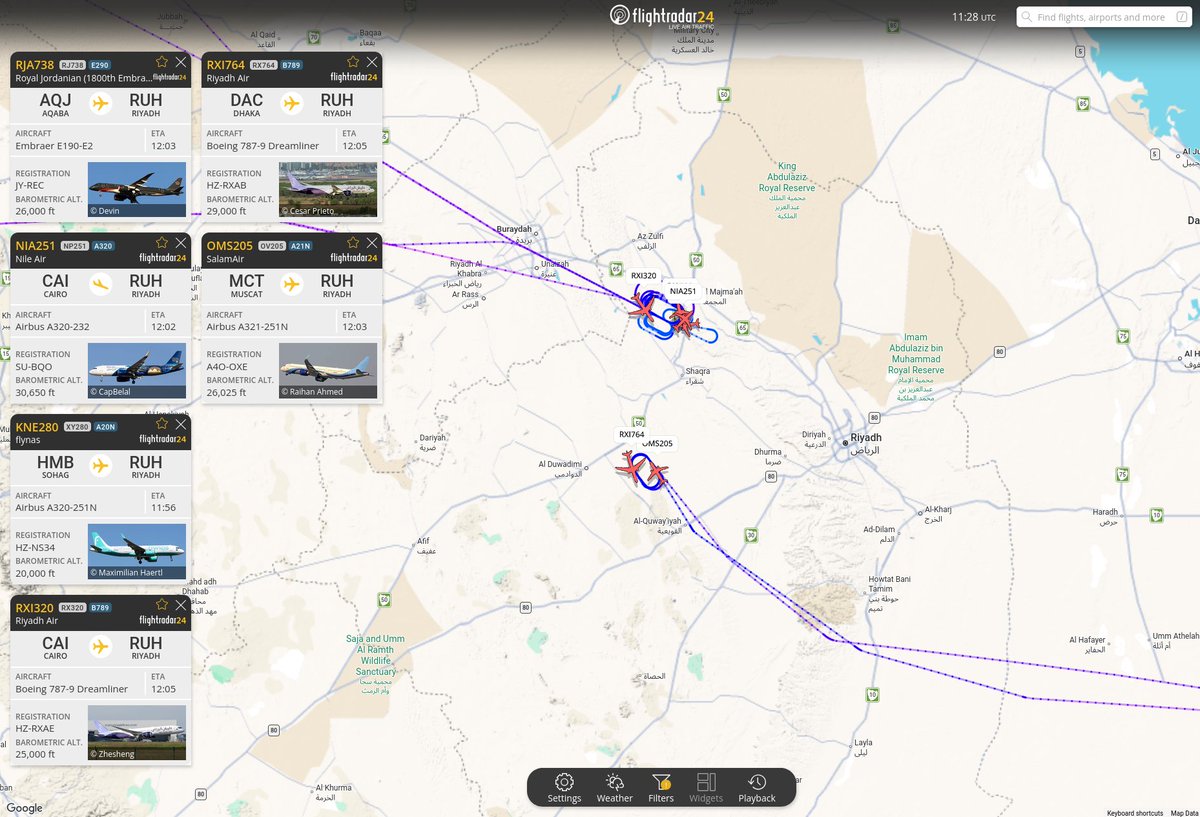
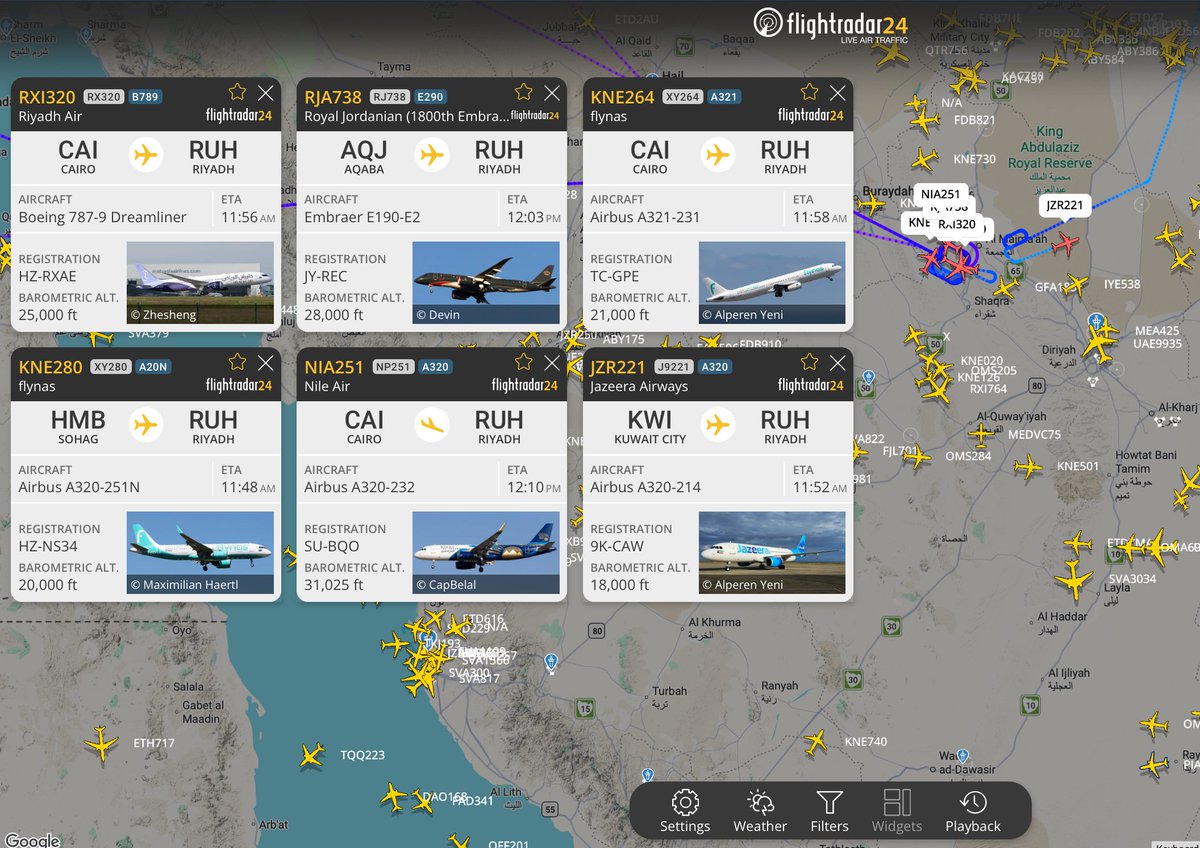
Following the series of attacks, Saudi civil aviation authorities ordered a nationwide airspace shutdown at approximately 13:00 UTC. Monitor_the_situation reported that inbound flights destined for KKIA were diverted, and that the missile strikes at Riyadh and Abha airports resulted in three fatalities and 36 injuries (https://t.me/monitor_the_situation/35461).
Airspace disruption re‑occurred at 09:30 UTC, attributed to a suspected ballistic missile or drone threat, with the Houthis claiming responsibility for targeting the airport (https://t.me/monitor_the_situation/35455).
Defensive interceptions and collateral damage
The Saudi‑led coalition announced multiple successful interceptions of Houthi‑launched ballistic missiles throughout the day. At 14:43 UTC, Al Jazeera reported that three missiles aimed at Riyadh airport were intercepted (https://www.aljazeera.com/news/2026/10/8/saudi-led-coalition-says-it-intercepts-three-houthi-ballistic-missiles?traffic_source=rss). Later, at 12:49 UTC, monitor_the_situation confirmed the destruction of two additional missiles with no reported damage (https://t.me/monitor_the_situation/35478).
Debris from intercepted projectiles struck civilian infrastructure in Riyadh, damaging a kindergarten and a medical complex, though no casualties were reported (https://t.me/monitor_the_situation/35484).
Explosions and public safety alerts
Independent monitoring channels rnintel documented multiple explosions across Riyadh at 08:35 UTC and again at 09:41 UTC, with smoke plumes observed citywide (https://t.me/rnintel/67434; https://t.me/rnintel/67437). While the precise cause of these blasts remains unconfirmed, they coincide temporally with the missile barrage and suggest secondary effects from intercepted ordnance or unexploded sub‑munitions.
Analytical overview
The coordinated nature of the attacks—simultaneous strikes on a strategic oil refinery and the nation’s primary international airport—indicates a deliberate effort by Houthi‑aligned forces to degrade Saudi Arabia’s energy export capability and disrupt civilian mobility. The use of ballistic missiles, a weapon system with longer range and higher payload than typical rockets, reflects an escalation in the technical sophistication of the Houthi arsenal.
Saudi defensive measures, including the activation of the Patriot and Arrow missile defense systems, successfully neutralized several inbound threats but could not prevent all impacts. The collateral damage from intercepted missile debris underscores the inherent risk to densely populated urban areas when high‑velocity projectiles are engaged over cityscapes.
From a regional security perspective, the attacks reinforce the vulnerability of critical infrastructure in the Gulf to missile strikes originating from Yemen. The incidents also raise the probability of further escalation, as Saudi Arabia may consider expanding its retaliatory posture against Houthi positions, potentially drawing in allied forces.
International observers are likely to monitor oil market responses, given the strategic importance of the Abqaiq refinery. Any prolonged outage could influence global crude prices, especially if the attacks are perceived as part of a sustained campaign.