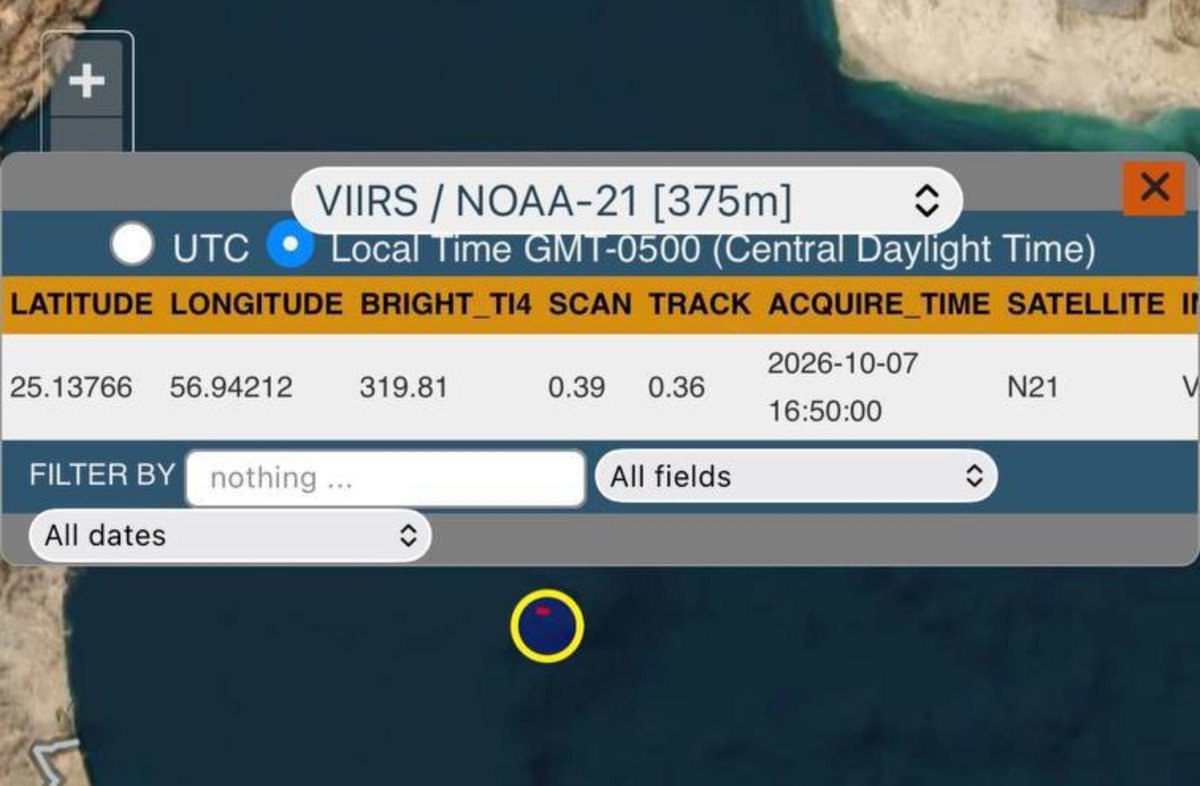
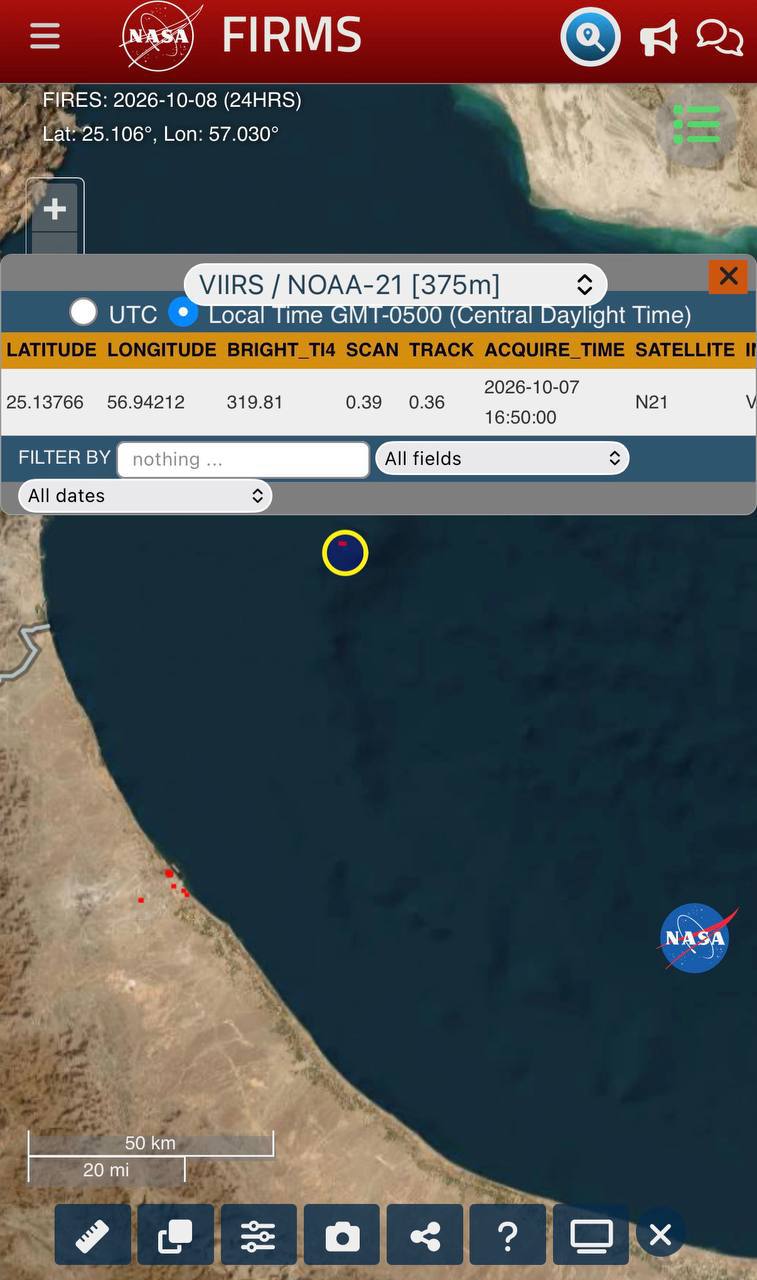
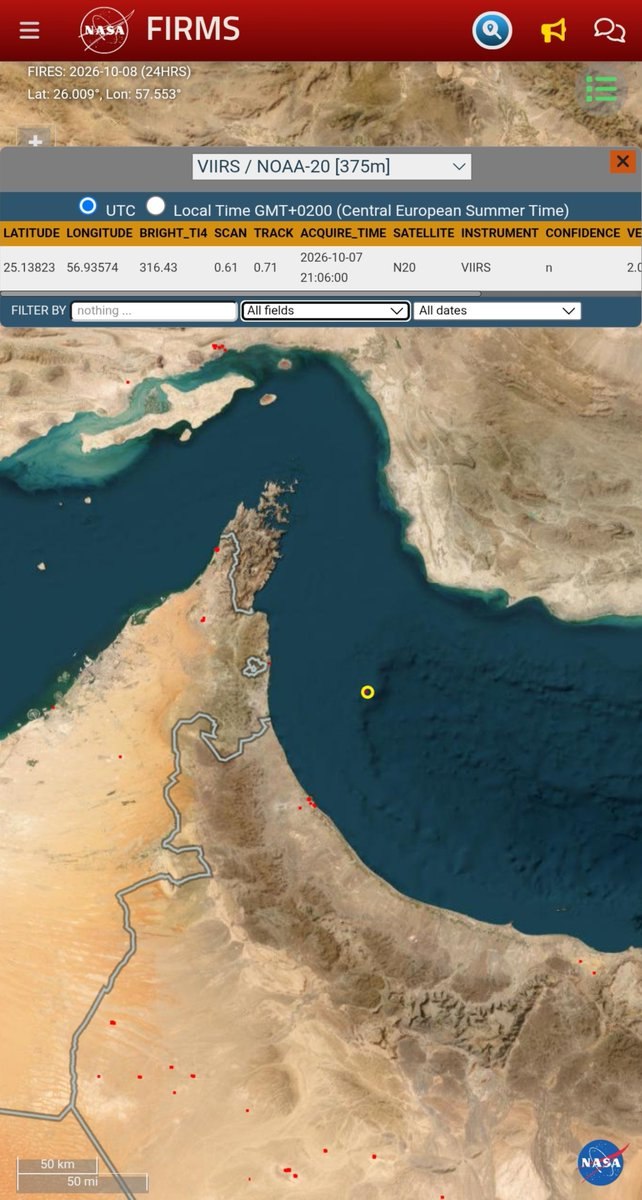
On 8 October 2026, Iranian forces carried out a second naval strike against an oil tanker near the Emirati port of Fujairah, marking a rapid escalation in the Gulf of Oman. The attack, reported at 04:49:19 UTC by the monitoring channel monitor_the_situation, follows an earlier strike at 04:26:15 UTC that ignited a large fire on an Emirati tanker off the same coastline. Both incidents underscore a widening of Iran’s maritime pressure campaign beyond the Strait of Hormuz.
Event Timeline and Immediate Impact
The first documented strike of the day occurred at 04:26:15 UTC when the Iranian Revolutionary Guard Corps (IRGC) targeted an Emirati tanker operating near Fujairah. According to the intelligence feed rnintel, the vessel suffered a direct hit that ignited a massive fire, though no casualties were reported. Photographic evidence accompanying the report shows a burning hull against the backdrop of the Gulf’s horizon.
Less than thirty minutes later, at 04:49:19 UTC, a second oil tanker—identified only as an unnamed commercial vessel—was struck near the Port of Fujairah. The source monitor_the_situation described the incident as “the second such attack beyond the Strait of Hormuz in 24 hours,” suggesting a coordinated effort to disrupt maritime traffic in the region. No weapon type was disclosed in the reports, and no injuries or fatalities were confirmed.
Earlier, at 01:23:54 UTC, a separate incident involving the Marshall Islands‑flagged Very Large Crude Carrier (VLCC) Dhalkut was reported. The vessel caught fire approximately 30 nautical miles east of Fujairah, in international waters. While the source monitor_the_situation did not attribute the blaze definitively, it noted the possibility of an IRGC strike amid the broader US‑Iran confrontation.
Operational Details
All three incidents were recorded in the Gulf of Oman, a strategic maritime corridor linking the Persian Gulf to the Arabian Sea. The attacks targeted commercial tankers engaged in oil transport, a sector that accounts for a significant share of global energy shipments. Although the reports list “none” under weapons, the nature of the damage—large fires and hull breaches—implies the use of high‑explosive ordnance, likely delivered from naval platforms or aerial assets.
Organizational attribution varies across the sources. The 04:26:15 strike is explicitly linked to the IRGC, while the 04:49:19 event lacks a direct organizational label but is consistent with IRGC tactics observed in prior Gulf operations. The Dhalkut incident also references the IRGC as a possible actor, reinforcing a pattern of Iranian involvement.
"Iran has struck an Emirati tanker off the coast of Fujairah, UAE, resulting in a massive fire." – rnintel, 04:26:15 UTC, https://t.me/rnintel/67430
"Iran Hits Oil Tanker Near Fujairah, UAE – second attack within 24 hours." – monitor_the_situation, 04:49:19 UTC, https://t.me/monitor_the_situation/35390
Strategic Implications
The concentration of attacks near Fujairah reflects a strategic shift. Fujairah hosts the United Arab Emirates’ primary oil export terminal, handling a substantial portion of the nation’s crude output. By targeting vessels in this vicinity, Iran appears to be applying pressure on UAE’s energy infrastructure while signaling its capability to operate beyond the traditionally contested Strait of Hormuz.
From a broader perspective, the incidents coincide with heightened US‑Iran tensions, as evidenced by the involvement of a US‑flagged vessel (the Dhalkut) in the earlier fire. The attacks may serve multiple objectives: deterring foreign naval presence, disrupting global oil markets, and testing the response readiness of regional allies, including Saudi Arabia and the United Kingdom, which maintain naval assets in the Gulf.
International Response and Outlook
To date, official statements from the United Arab Emirates have been limited to standard condemnations of “unprovoked aggression” and calls for the protection of commercial shipping. The United States has not issued a formal response within the reporting window, but naval patrols in the area have been heightened, as indicated by increased US Fifth Fleet activity in adjacent waters.
Regional security analysts are monitoring the situation for potential escalation. The absence of reported casualties does not diminish the operational risk to commercial fleets, which now face heightened insurance premiums and possible rerouting to avoid the Fujairah corridor. Continued Iranian naval aggression could compel multinational coalitions to enforce stricter maritime security protocols, including escort missions and expanded rules of engagement.