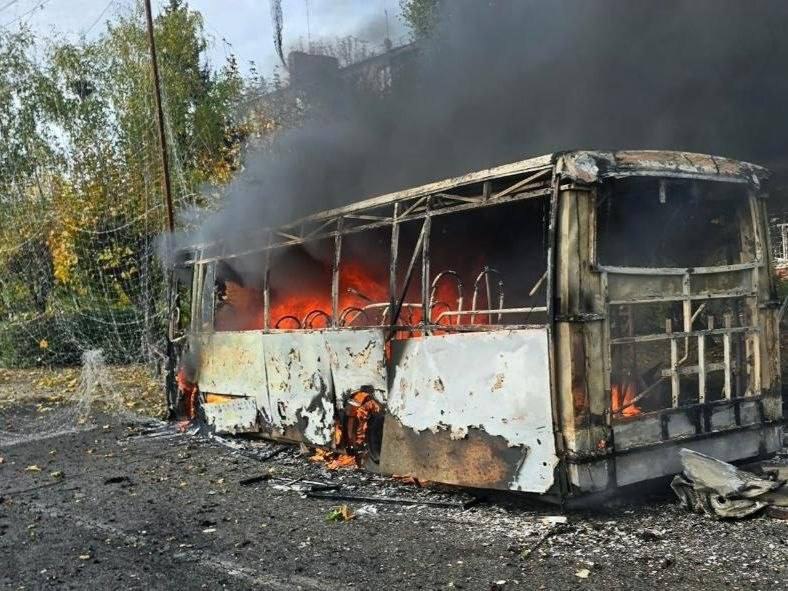
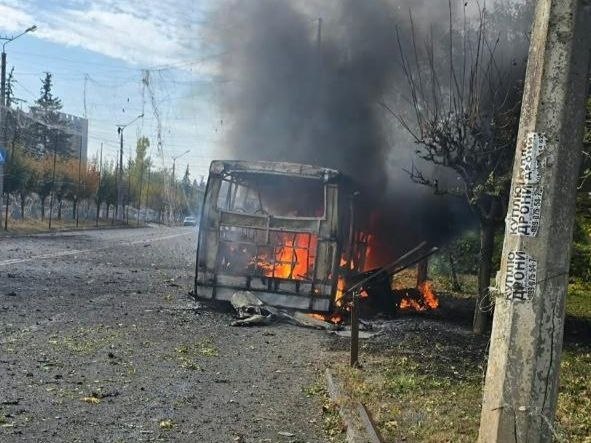
On 8 October 2026, a Russian missile strike on a passenger bus in Kramatorsk, Donetsk Oblast, killed 30 civilians and wounded 18, marking the deadliest single incident reported in Ukraine that day. The attack, confirmed by the city council and relayed by monitor_the_situation and Worldsource24, targeted a scheduled inter‑city service, shattering windows and igniting a fire that trapped passengers inside the vehicle.
"A missile struck the bus at approximately 13:13 UTC, killing thirty people, including several children, and injuring eighteen," the council statement read.
Other high‑casualty strikes on civilian transport
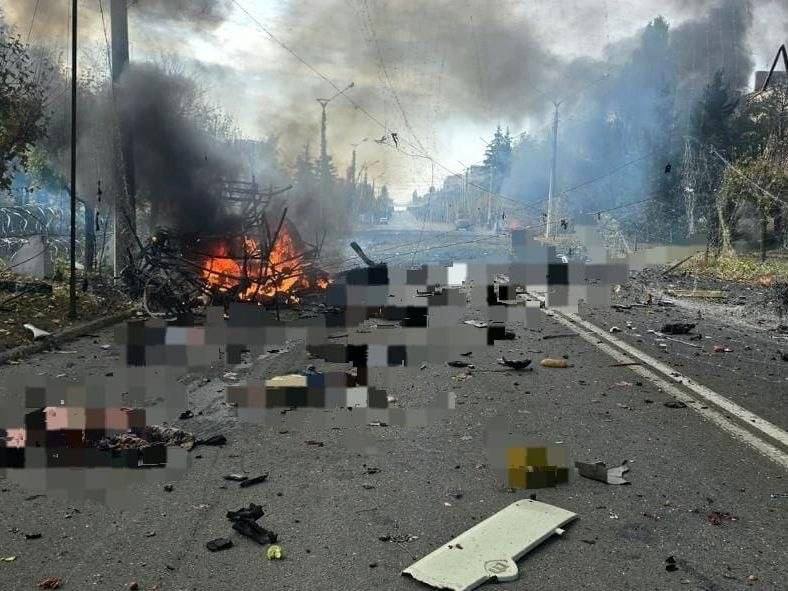
Within hours, additional attacks on transport infrastructure compounded the humanitarian toll. At 15:57 UTC, a Russian glide‑bomb (KAB) hit Kramatorsk again, killing at least 33 civilians and injuring another 18. The blast also damaged two minibuses parked nearby, causing secondary casualties as described by the CIG_telegram feed.
"The glide‑bomb created a massive blast wave that blew apart the minibuses, leaving bodies and debris scattered across the street," the report noted.
Later, at 17:07 UTC, a separate Russian strike on two civilian buses in the broader Donetsk region resulted in 33 deaths, according to Al Jazeera. The cumulative effect of these attacks on public transport underscores a systematic targeting of mobility corridors in eastern Ukraine.
Urban and residential attacks
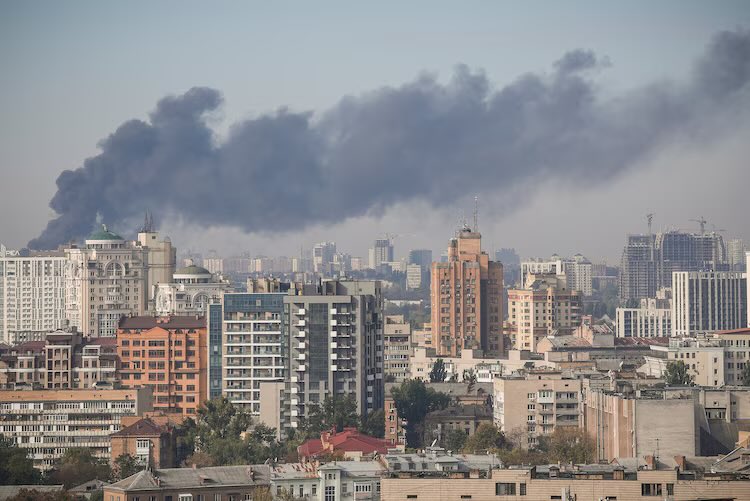
In the north, a Russian strike on an apartment building in Chernihiv killed 22 people, including five children, and injured 54. The incident, posted by monitor_the_situation and referenced by GeoConfirmed on X, illustrates the continued vulnerability of densely populated residential areas.
"The explosion collapsed multiple floors, trapping families and a train driver with his relatives inside," the source reported.
Further north, a Russian airstrike on a school in Kyiv Oblast damaged the civilian facility, though no casualties were reported. The strike was documented by NOELreports on X, highlighting the expanding scope of targets beyond purely military assets.
Air and missile operations across the front
Russian forces employed a variety of munitions throughout the day. In Pokrovsk, Donetsk Oblast, an aerial bomb strike killed 33 people, as reported by Reuters via monitor_the_situation. The bomb, likely a high‑explosive ordnance, struck a residential street during rush hour.
At 14:03 UTC, a Russian missile destroyed a bridge over the Oskol River near Petrovka, severing a key logistical route in Donetsk Oblast. The strike, captured by intelslava, demonstrates a strategic focus on disrupting supply lines.
Shahed drones and jet‑powered aircraft also featured prominently. Between 11:53 and 12:00 UTC, Russian attacks using 142 Shahed drones and 82 jets resulted in 10 deaths and 45 injuries across Ukraine, according to KyivIndependent. Ukrainian air defenses intercepted the majority of the drones, but the sheer volume indicates an intensified aerial campaign.
Ukrainian counter‑operations and drone activity
Ukraine responded with a series of drone and ground actions. At 10:17 UTC, Ukrainian border guards deployed FPV drones to destroy a Russian convoy in Zaporizhzhia Oblast, eliminating a T‑72 tank, a Tigr armored vehicle, a fuel tanker, and two D‑30 howitzers. The operation was documented by monitor_the_situation.
In the Donbas region, SIGNUM drones attacked Russian supply vehicles and an Osa air‑defence system, disrupting logistics and forcing Russian units to relocate, as reported by the same source.
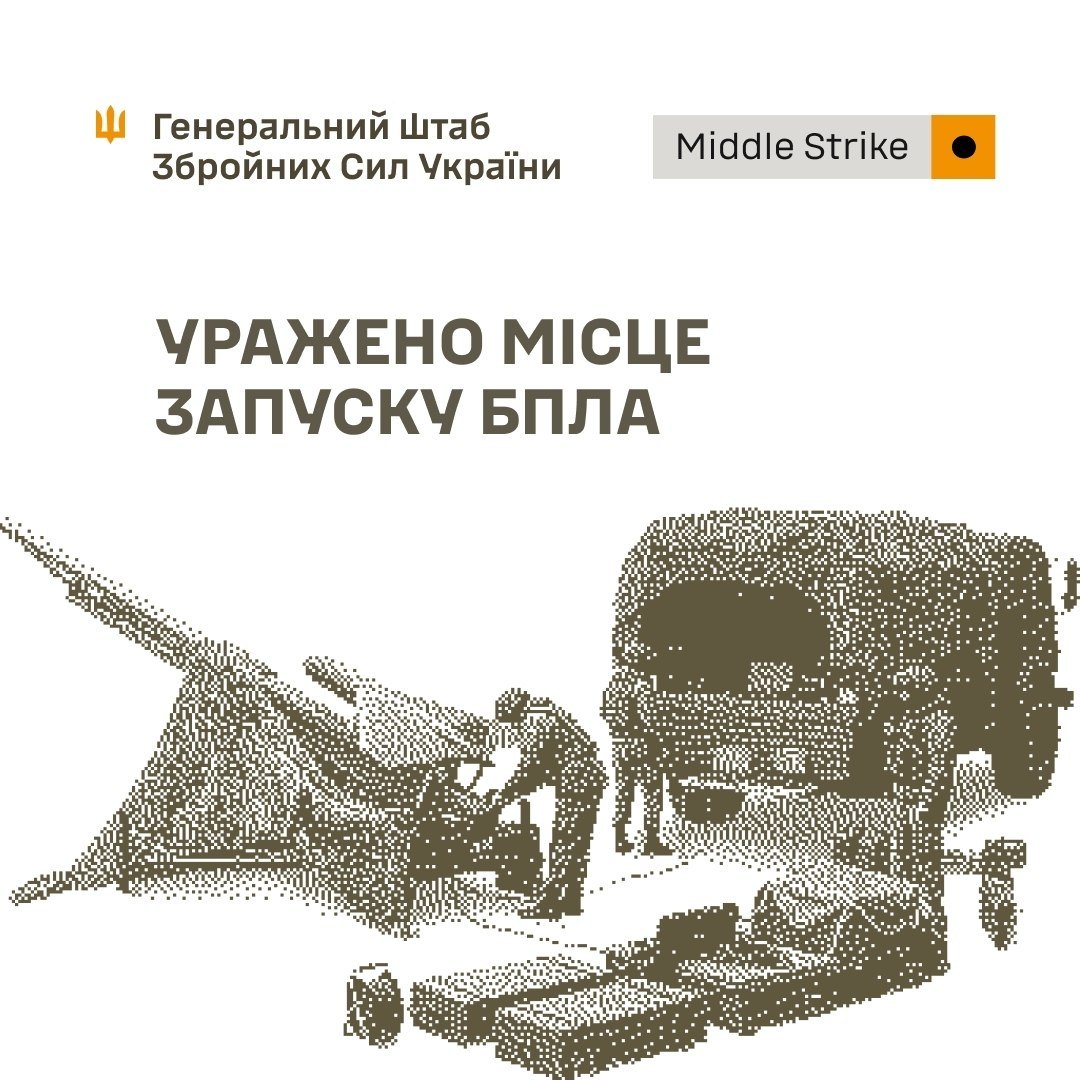
Ukrainian forces also struck a Russian drone launch site and command posts in Donetsk and Luhansk oblasts, and a Black Sea relay, using conventional weapons, according to monitor_the_situation.
Beyond the front lines, Ukrainian FP‑1 attack drones targeted the Gazprom Neft Omsk Oil Refinery in Russia, causing explosions and prompting a defensive response. While outside the Ukrainian theater, this strike illustrates the expanding reach of Ukrainian kinetic capabilities.
Air‑defence performance
Ukrainian air‑defence units claimed to have shot down 126 of 142 Russian drones overnight, including 82 Shahed drones, with impacts recorded at seven locations across the country. The successful interceptions were confirmed by a photo release from monitor_the_situation.
Additionally, the 23rd National Guard Brigade Khortytsia used General Chereshnya AIR interceptors to destroy Russian K‑8 Dvushka drones over Zaporizhzhia, further demonstrating the effectiveness of integrated air‑defence systems.
Operational implications
The concentration of high‑casualty strikes on civilian transport and residential structures suggests a deliberate Russian strategy to erode public morale and impede mobility in contested regions. The use of glide‑bombs, missiles, and drones indicates a diversified munitions mix designed to overcome Ukrainian air‑defence layers.
Ukrainian counter‑drone operations, combined with a high interception rate, reveal a resilient defensive posture that is limiting the overall impact of Russian aerial assaults. However, the persistent targeting of civilian infrastructure continues to generate significant humanitarian losses.
Overall, the events of 8 October 2026 reflect an escalation in kinetic activity across eastern Ukraine, with both sides employing advanced weaponry and unmanned systems in a contest that increasingly blurs the line between military and civilian targets.