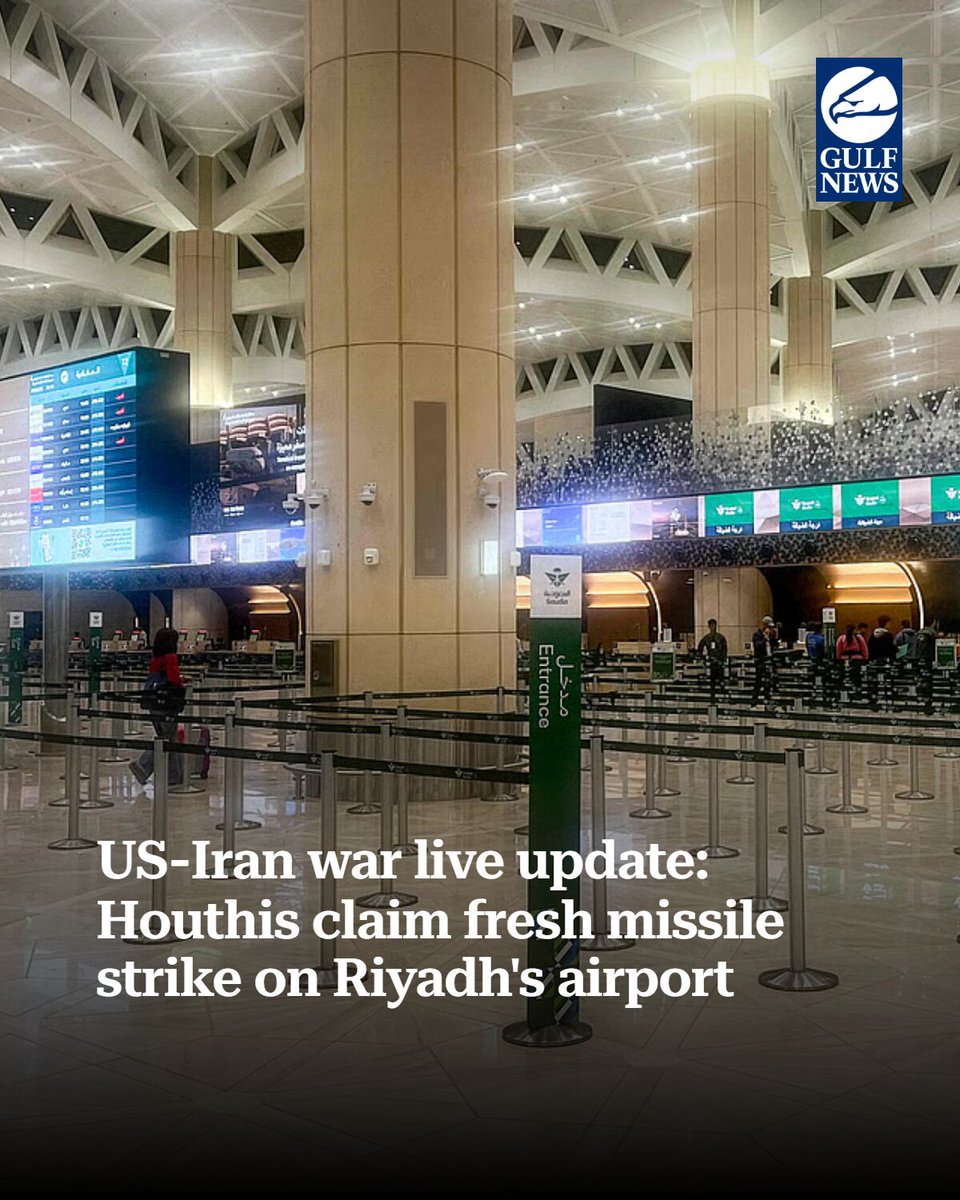
At 04:15 local time on 8 October 2026, coordinated Houthi missile attacks struck Abha Airport in the Asir region and King Khalid International Airport in Riyadh, resulting in three fatalities and thirty‑six injuries. The strikes prompted an immediate response from the Saudi‑led coalition, which located and destroyed the launch platform used for the Riyadh attack. The incident marks the most lethal kinetic event in Saudi Arabia this year and underscores the escalating capability of Yemen’s Houthi forces to target high‑value infrastructure deep within Saudi territory.
"Houthi missile attacks on Abha and Riyadh's King Khalid airports killed three and injured 36, prompting the Saudi‑led coalition to destroy the launch platform." – monitor_the_situation
Operational Details of the Dual Airport Attack
The first missile impacted Abha Airport, a regional hub serving the southwestern province of Asir, before a second projectile struck the perimeter of King Khalid International Airport, the primary gateway to the capital. Both weapons were identified as surface‑to‑air capable missiles, though the exact type remains unconfirmed. The Houthi movement, operating from Yemen, claimed responsibility, stating the strikes were retaliation for Saudi involvement in the ongoing Yemen conflict. Casualty reports from Saudi authorities confirm three civilian deaths—two at Abha and one at King Khalid—and thirty‑six injuries, primarily from shrapnel and blast effects. Emergency services evacuated passengers, and flight operations at both airports were suspended for several hours pending safety inspections.
Saudi‑Led Coalition Countermeasure
Within two hours of the attacks, coalition air assets conducted a precision strike on the launch platform identified as the source of the Riyadh missile. Satellite imagery and electronic intelligence corroborated the location, enabling a targeted kinetic response that neutralized the facility without further civilian casualties. The coalition’s statement emphasized its “zero‑tolerance” policy toward attacks on civilian infrastructure and highlighted the operation as a demonstration of its rapid‑reaction capabilities. The successful destruction of the launch site was reported by the monitoring channel monitor_the_situation and corroborated by independent analysts monitoring regional air traffic.
Concurrent Attack on King Abdulaziz International Airport
Earlier in the day, at 00:16, Houthi forces launched a separate assault on King Abdulaziz International Airport in Jeddah, a major gateway for pilgrims traveling to the holy cities of Mecca and Medina. According to Al Jazeera, the attack resulted in three fatalities, though no specific details on injuries were released. The weapons employed in this incident were not publicly identified, and the Houthi claim did not specify the munition type. Saudi authorities confirmed the deaths and initiated an investigation, but flight operations resumed within a limited window after security sweeps. The incident reinforces the pattern of targeting multiple airports to maximize disruption and psychological impact.
"Saudi Arabia has confirmed that Houthi strikes on two of its international airports have killed three people." – AlJazeera
Ballistic Missile Claim at King Khalid International Airport
At 02:55, the Houthi movement announced that a ballistic missile had been launched toward King Khalid International Airport, asserting that the strike disrupted airport operations. The claim, posted on the Telegram channel intelslava, did not include independent verification of damage or casualties. Saudi officials have not publicly confirmed the ballistic missile report, and preliminary assessments suggest that any impact was limited to peripheral infrastructure, with no reported injuries. The announcement reflects the Houthis’ strategic communication approach, aiming to amplify perceived reach even when physical effects are minimal.
"The Houthis announced that they had targeted King Khalid International Airport in Riyadh, Saudi Arabia, with a ballistic missile, claiming the strike disrupted airport operations." – intelslava
Strategic Implications and Regional Context
The coordinated nature of the October 8 attacks demonstrates a heightened operational tempo by the Houthi movement, leveraging both conventional missiles and ballistic capabilities to strike deep within Saudi territory. The targeting of civilian airports serves multiple objectives: inflicting casualties, disrupting economic activity, and signaling the ability to challenge Saudi air superiority. The rapid coalition response, including the destruction of the launch platform, illustrates a robust counter‑strike capacity, yet the recurrence of attacks suggests that the underlying logistical networks enabling missile launches remain resilient.
From a conflict‑monitoring perspective, the events underscore the importance of real‑time intelligence sharing across open‑source channels such as monitor_the_situation, Al Jazeera, and intelslava. The convergence of multiple sources provides a triangulated view of the incidents, enhancing verification and reducing reliance on single‑point reporting. Continued monitoring of missile trajectories, launch site activity, and airport security protocols will be essential for assessing future threat levels and informing policy responses.