On 7 October 2026 a series of coordinated kinetic attacks struck several Ukrainian regions, resulting in the highest civilian death toll recorded in a single day this year. The most lethal incident involved unmanned aerial vehicles (UAVs) and mortar fire in Sumy and Kharkiv oblasts, where at least 28 civilians were killed and 120 injured. Subsequent Russian ballistic missile, rocket, and drone strikes targeted residential buildings, energy infrastructure, and medical facilities, adding further fatalities and underscoring the intensifying pattern of high‑intensity strikes across the front line.
UAV and Mortar Strikes in Sumy and Kharkiv
According to the monitoring channel monitor_the_situation, UAVs and mortar rounds were deployed in rapid succession over the past 24 hours in Sumy Oblast and neighboring Kharkiv Oblast. The attacks struck densely populated neighborhoods, causing extensive structural damage and a surge of civilian casualties. Local emergency services reported that the majority of the dead were women and children caught in their homes when the explosions occurred.
CIT reports UAV and mortar strikes in Ukraine's Sumy and Kharkiv regions killed 28 civilians and injured 120.
The weapons used included commercially available quad‑copter UAVs equipped with improvised explosive payloads, as well as 120 mm mortar systems likely supplied from Russian stockpiles. No armed organization claimed responsibility, and the strikes were classified as “hostile_uav” events in the conflict monitoring database.
Ballistic Missile Attack on Pryluky
At 09:17 UTC a Russian ballistic missile struck a multi‑storey residential building in Pryluky, Chernihiv Oblast. The impact collapsed several floors, trapping residents under rubble. Official tallies confirmed nine fatalities, including three children, and dozens more injured. The missile, identified as a short‑range ballistic projectile, was launched from a location within Russian‑controlled territory and traveled a trajectory consistent with previously documented strike patterns targeting civilian infrastructure.
Russian Missile Strike in Pryluky Kills Nine, Including Children
The source channel monitor_the_situation provided a photo of the devastated building, and the incident was corroborated by local authorities and the Ukrainian Ministry of Defense.
Overnight Energy Infrastructure Strikes
Between 08:13 and 09:00 UTC, coordinated rocket attacks hit energy facilities in five cities: Pryluky, Dnipro, Kremenchuk, Zaporizhzhia and Kyiv. The strikes, reported by monitor_the_situation, resulted in eleven deaths and 34 injuries. Critical power substations and fuel depots were targeted, leading to widespread outages that affected both civilian households and military logistics.
Russian Strikes Kill 11 in Ukraine on Putin's Birthday
While the specific weapon systems were not disclosed, the pattern suggests the use of guided rockets capable of precision strikes against hardened infrastructure. The attacks coincided with President Vladimir Putin’s birthday, a date historically associated with heightened Russian offensive activity.
Drone Assault on Kramatorsk Hospital Grounds
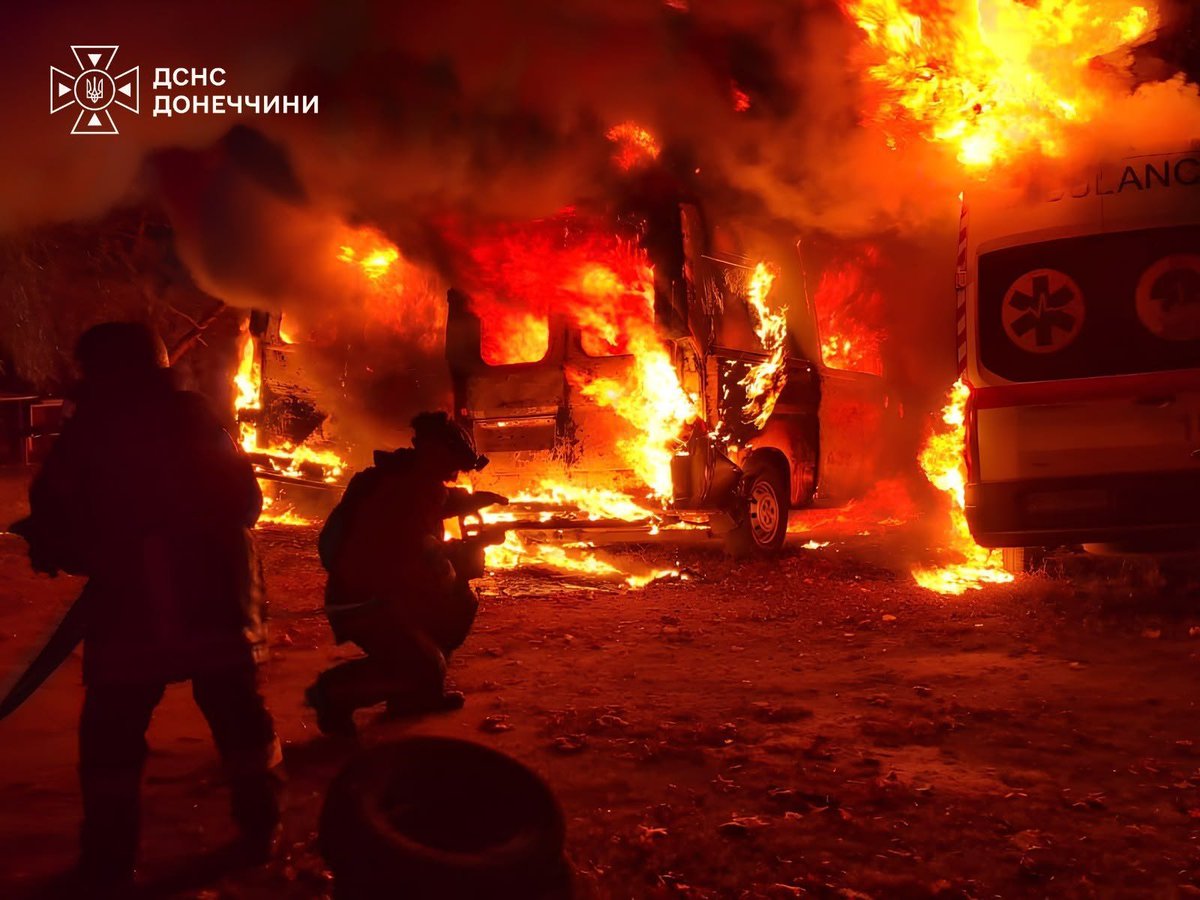
At 16:38 UTC, Russian first‑person view (FPV) combat drones attacked the grounds of a civilian hospital in Kramatorsk, Donetsk Oblast. Four ambulances parked for patient transport were destroyed, rendering emergency medical response severely compromised. The incident was documented by the verification outlet GeoConfirmed, which highlighted potential violations of the Geneva Conventions concerning attacks on medical assets.
Four ambulances parked on hospital grounds in Kramatorsk, Donetsk Oblast, were destroyed by Russian FPV drones.
The drones, operating at low altitude, carried small explosive charges sufficient to ignite the ambulances’ fuel tanks. No casualties were reported among medical staff, but the loss of ambulances will impede casualty evacuation for weeks.
Russian Army Drones Over Kyiv
At 16:35 UTC, the intelligence channel intelslava reported that Russian army‑controlled drones flew over Kyiv, causing multiple impacts on power lines and triggering localized outages. Preliminary assessments indicated damage to high‑voltage transmission infrastructure, though no civilian injuries were confirmed at the time of reporting.
Drones of the Russian army are again flying over Kiev. There have been impacts, and power outages have begun.
The drones appear to be reconnaissance‑type platforms equipped with small payloads, suggesting a dual intent of surveillance and disruption of critical utilities.
Ukrainian Air Defense Intercepts Geran‑4 Drone
At 12:52 UTC, a Ukrainian MiG‑29 fighter engaged a Russian Geran‑4 drone over the Kyiv region, employing its GSh‑30‑1 cannon. Video footage released by intelslava shows the aircraft closing to a short range before firing, resulting in the drone’s destruction.
Footage shows a Ukrainian MiG-29 shooting down a Geran-4 drone at close range using its GSh-30-1 autocannon in the Kiev Region.
This interception demonstrates the continued effectiveness of Ukrainian air defense assets against low‑altitude UAV threats, despite the increasing volume of Russian drone operations.
Destruction of Sapsan Missile Production Facilities
At 12:04 UTC, Russian strikes targeted the Sapsan missile production complex in Donetsk Oblast. According to the monitoring channel, the attacks destroyed the primary assembly plant, an engine manufacturing facility, a backup production site, and several key suppliers. Expert Valeriy Romanenko assessed that the coordinated bombardment effectively terminated the Sapsan missile program, removing a significant component of Ukraine’s indigenous missile capability.
Russian Strikes End Ukraine's Sapsan Missile Program
The weapons employed were likely precision‑guided munitions, though the exact type was not disclosed. The loss of the Sapsan facilities represents a strategic setback for Ukraine’s defense industry.
Mini Cruise Missile Strike in Chernihiv
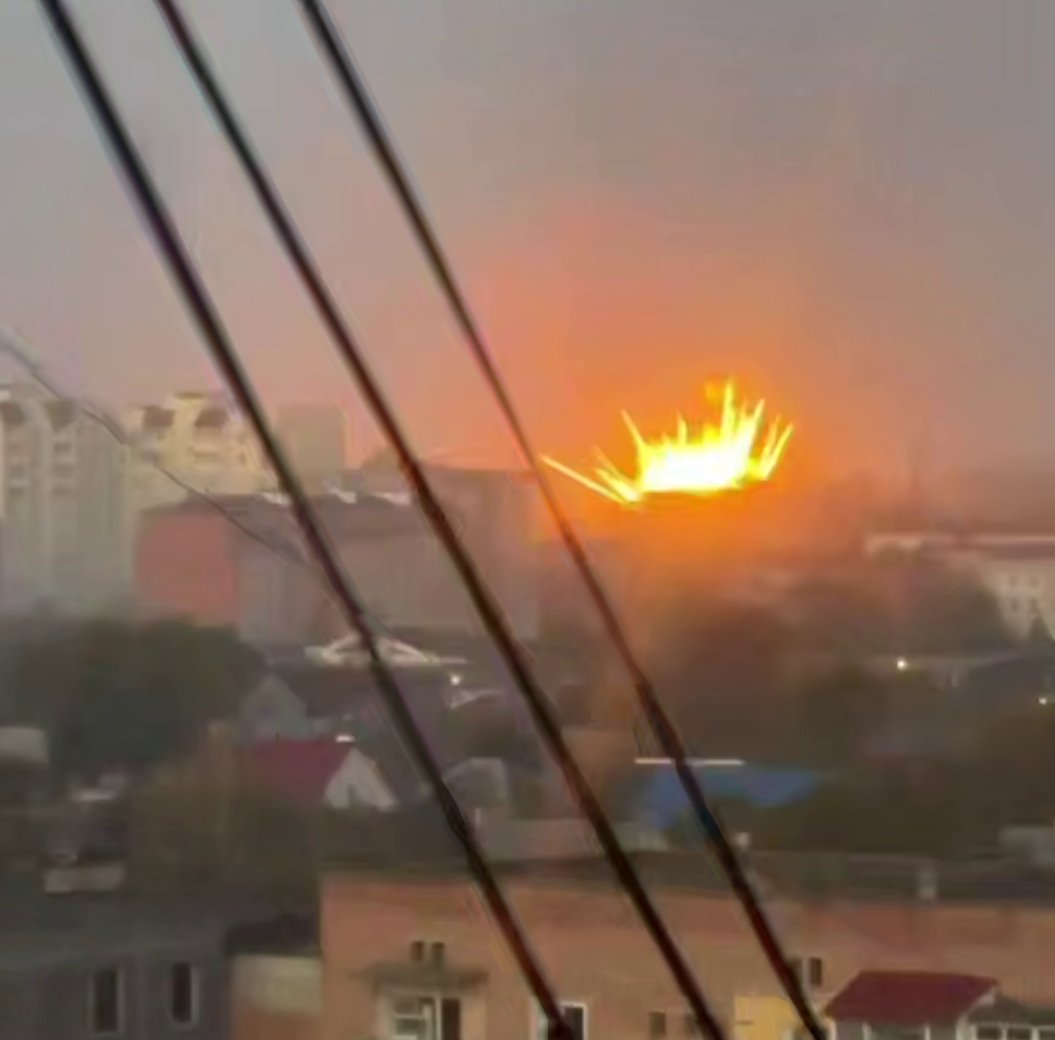
At 10:06 UTC, a Russian S‑8000 Banderol/Dan‑T mini cruise missile struck a warehouse complex in Chernihiv, igniting a large fire. The impact caused structural damage but resulted in no reported fatalities. The missile, a low‑observable, short‑range cruise weapon, is designed for precision strikes against logistical targets.
Russian Missile Strikes Warehouse in Chernihiv
The incident underscores the expanding use of mini cruise missiles in the conflict, allowing Russian forces to engage soft targets with reduced collateral risk.
Collectively, the events of 7 October illustrate a multi‑domain escalation in kinetic operations, combining aerial, missile, and ground‑based firepower to inflict civilian casualties, disrupt essential services, and degrade Ukraine’s defensive production capacity.