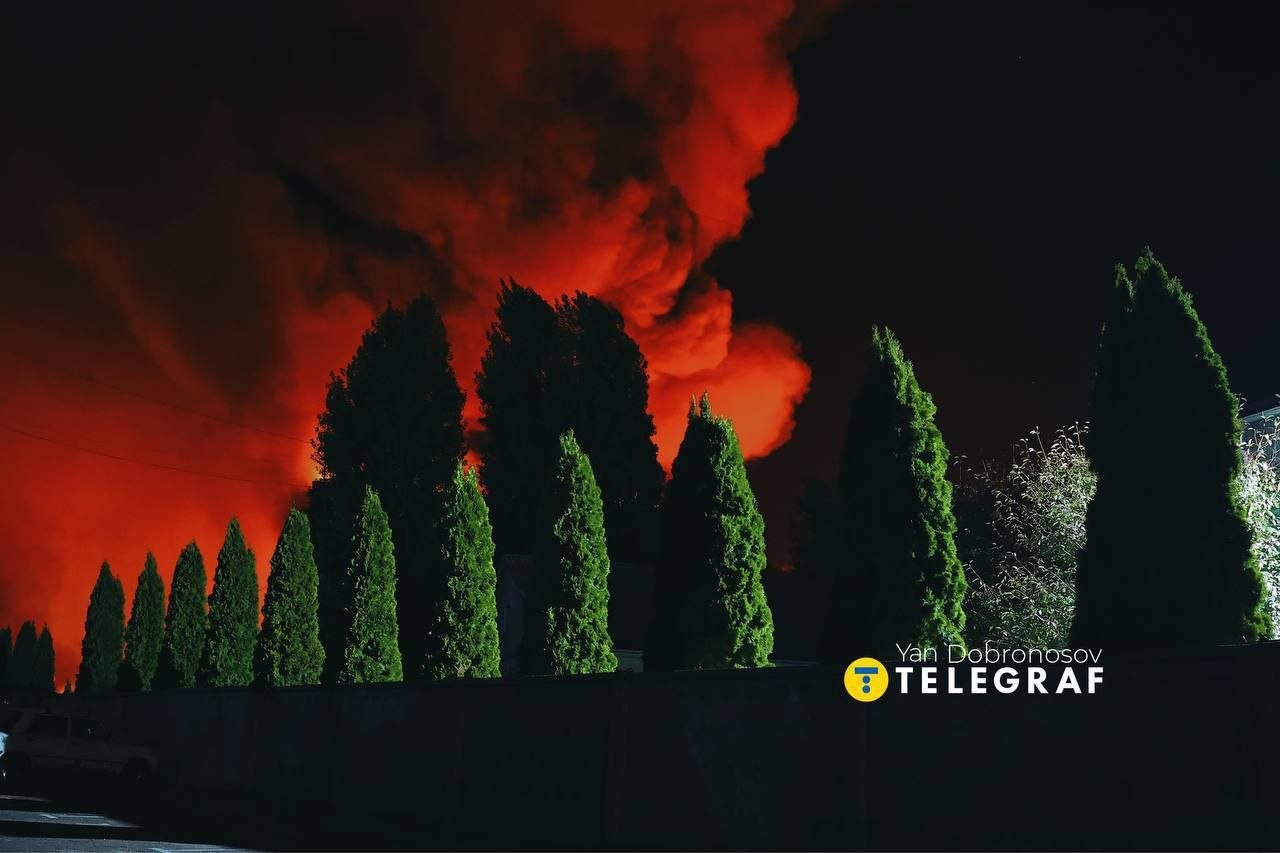
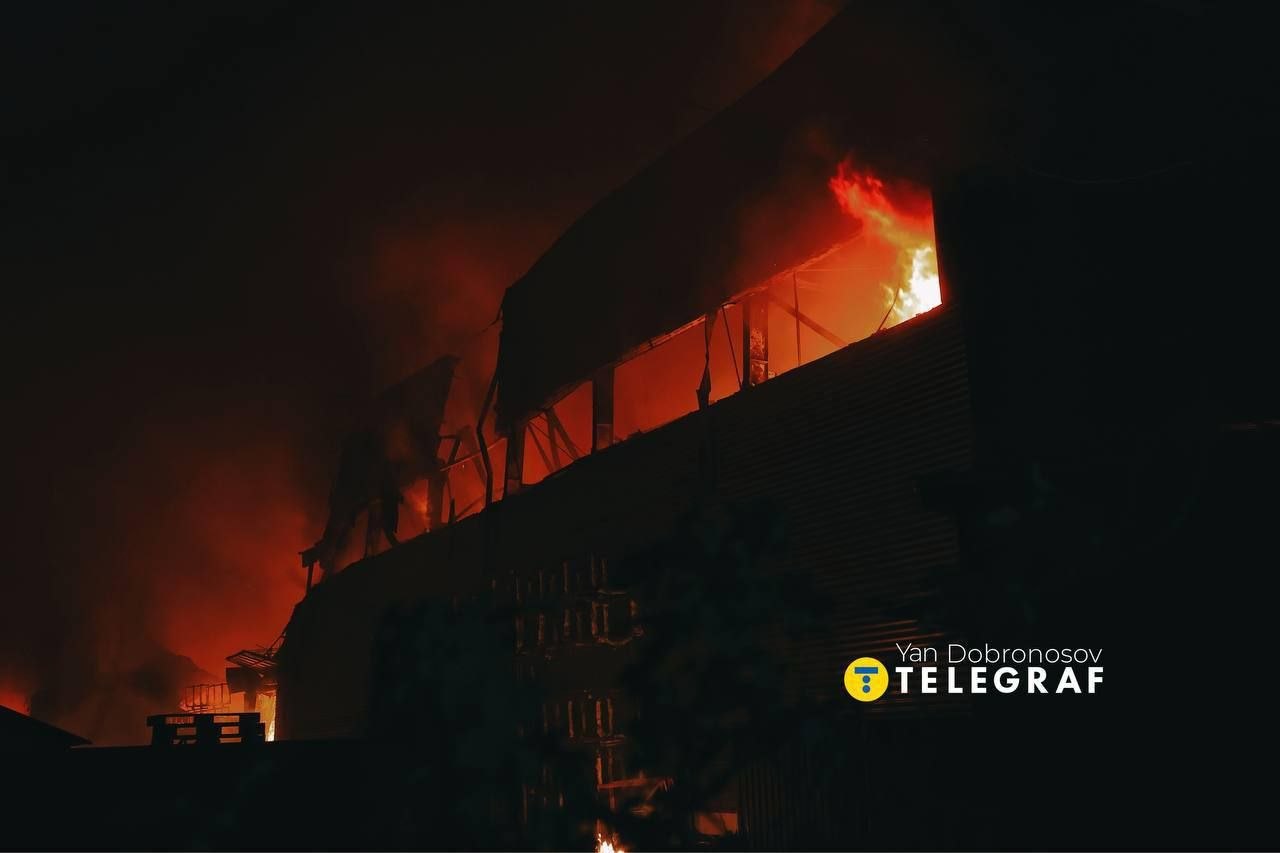
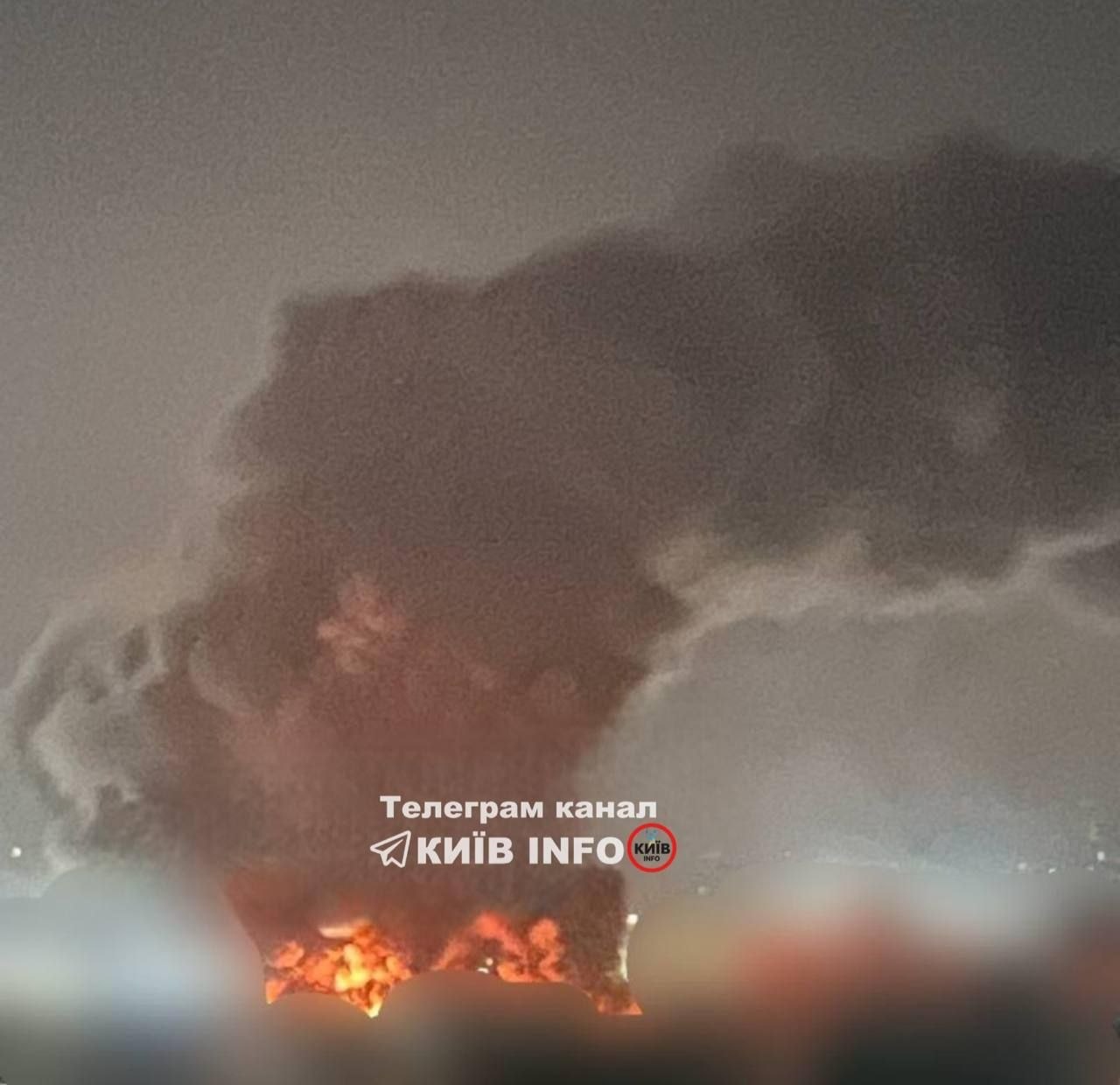
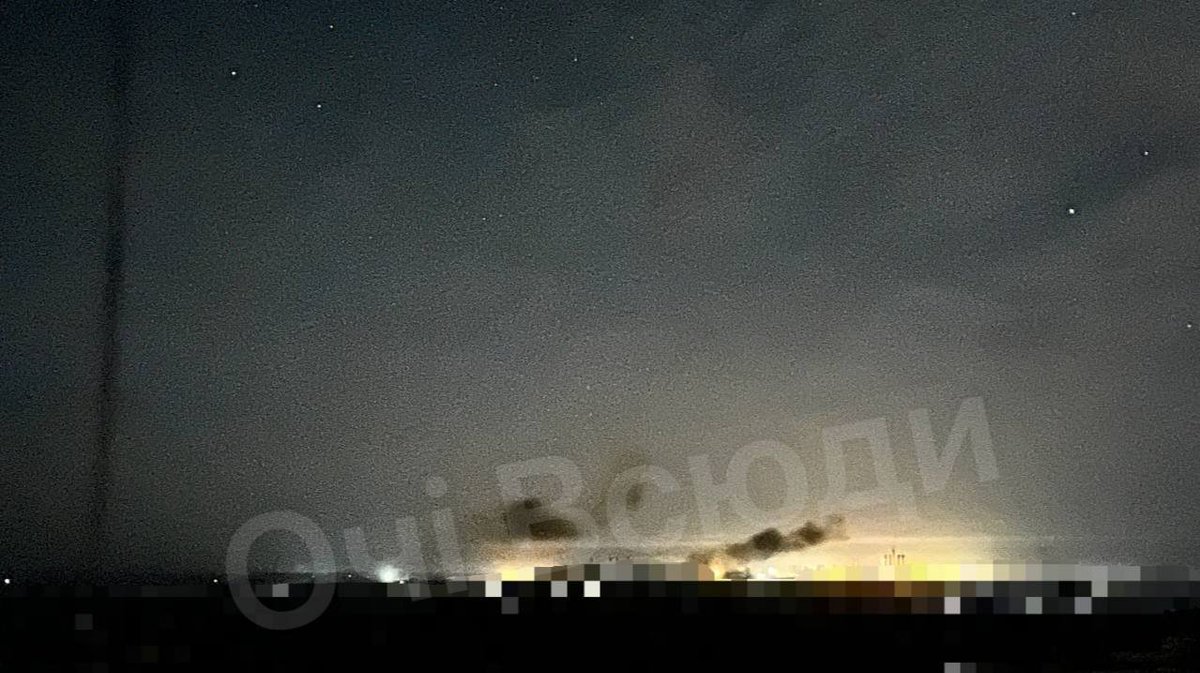
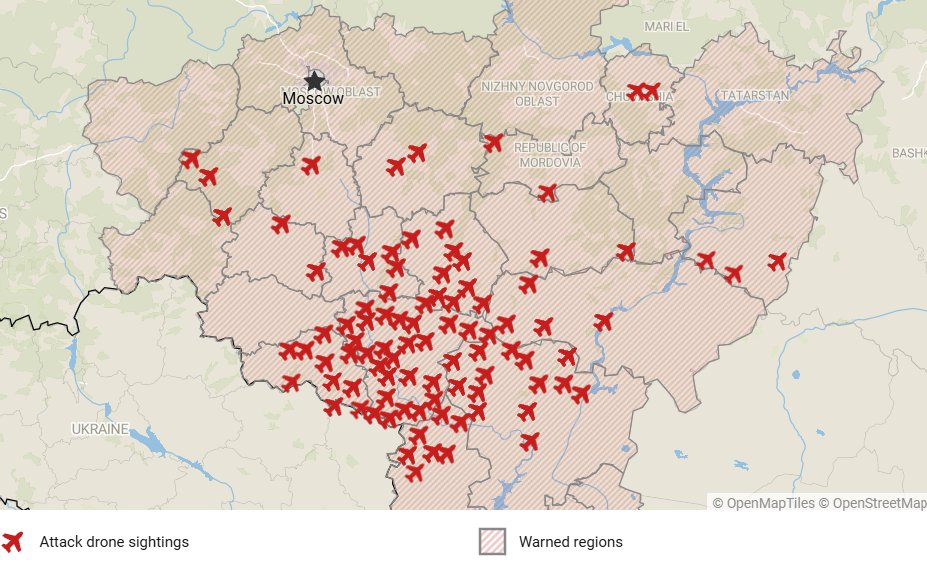
In the early hours of 7 October 2026, Russia executed a large‑scale missile and drone operation that struck multiple Ukrainian cities simultaneously, marking the most intensive coordinated attack recorded this year. According to the Telegram channel monitor_the_situation, Kalibr cruise missiles were launched from a Buyan‑M corvette, complemented by a swarm of unmanned aerial systems that targeted power plants, warehouses and transport nodes in Kyiv, Dnipro and Kremenchuk. At least twenty missiles impacted the Trypillya Thermal Power Plant, the Kremenchuk Hydroelectric Power Plant and several commercial storage facilities, igniting extensive fires and prompting emergency evacuations.
Scale and coordination of the assault
The operation demonstrated a high degree of synchronization between naval, air and ground launch platforms. Kalibr missiles, typically deployed from surface vessels, were paired with drones that provided real‑time targeting data, enabling strikes on both fixed installations and mobile assets. The use of a Buyan‑M corvette— a small, fast‑attack ship equipped with vertical launch cells— underscores Moscow’s intent to project firepower from the Black Sea and the Sea of Azov while avoiding larger, more detectable warships.
Impact on Kyiv
In Kyiv, the attack resulted in the deadliest civilian toll of the day. The channel intelslava reported that two people were killed when rockets struck a warehouse belonging to the online construction‑materials retailer “Dnipro‑M” and damaged nearby energy infrastructure.
"In Kiev, two people were killed as a result of last night's attack," the source wrote.Additional footage from the same channel showed a burning warehouse in the Podilskyi District, confirming that the strikes ignited multiple conflagrations across the capital. Earlier, at 00:23:59, a mixed salvo of Iskander‑M, Hwasong‑11A (KN‑23) tactical ballistic missiles and 3M22 Zircon hypersonic missiles hit Kyiv, Dnipro and the suburb of Trypillia, producing audible explosions and further straining the city’s emergency services.
Strikes on industrial hubs
Kremenchuk, a key industrial centre in Poltava Oblast, endured a series of high‑precision attacks. At 04:22:08, four Russian Kh‑101 cruise missiles struck the city, as documented by monitor_the_situation. The same day, at approximately 03:33 AM, missiles hit a refinery complex in Kremenchuk, according to intelslava. Later, a separate video confirmed the impact of a missile on the Kremenchuk Hydroelectric Power Plant located in nearby Svitlovodsk, further disrupting regional power supplies. The cumulative effect of these strikes has curtailed production at the city’s chemical and oil‑processing facilities, with local authorities reporting extensive damage to storage tanks and pipeline networks.
Attacks on energy infrastructure
Beyond Kremenchuk, the Trypillya Thermal Power Plant in Dnipro and the Kremenchuk Hydroelectric Power Plant were directly targeted by Kalibr missiles launched from the corvette. The simultaneous assault on multiple energy nodes reflects a strategic effort to degrade Ukraine’s electricity generation capacity ahead of the winter heating season. Video evidence from monitor_the_situation captured the moment a missile struck the Trypillya plant’s turbine hall, causing a plume of smoke that rose above the facility’s roof. In Kyiv, additional strikes hit undisclosed energy infrastructure, further compounding the city’s power shortages.
Use of advanced weaponry
The day’s operations showcased a diverse arsenal. In addition to Kalibr and Kh‑101 cruise missiles, Russian forces employed Iskander‑M short‑range ballistic missiles, Hwasong‑11A (KN‑23) tactical missiles supplied by North Korea, and the hypersonic 3M22 Zircon, which travels at speeds exceeding Mach 8. Ground‑based KAB glide‑bombs were deployed against Zaporizhzhia, producing at least four impact sites without immediate casualty reports. The deployment of KAB precision‑guided munitions also targeted the Vantovyy Bridge in Zaporizhzhia, halting traffic and illustrating a focus on disrupting logistics and civilian movement.
Broader operational pattern
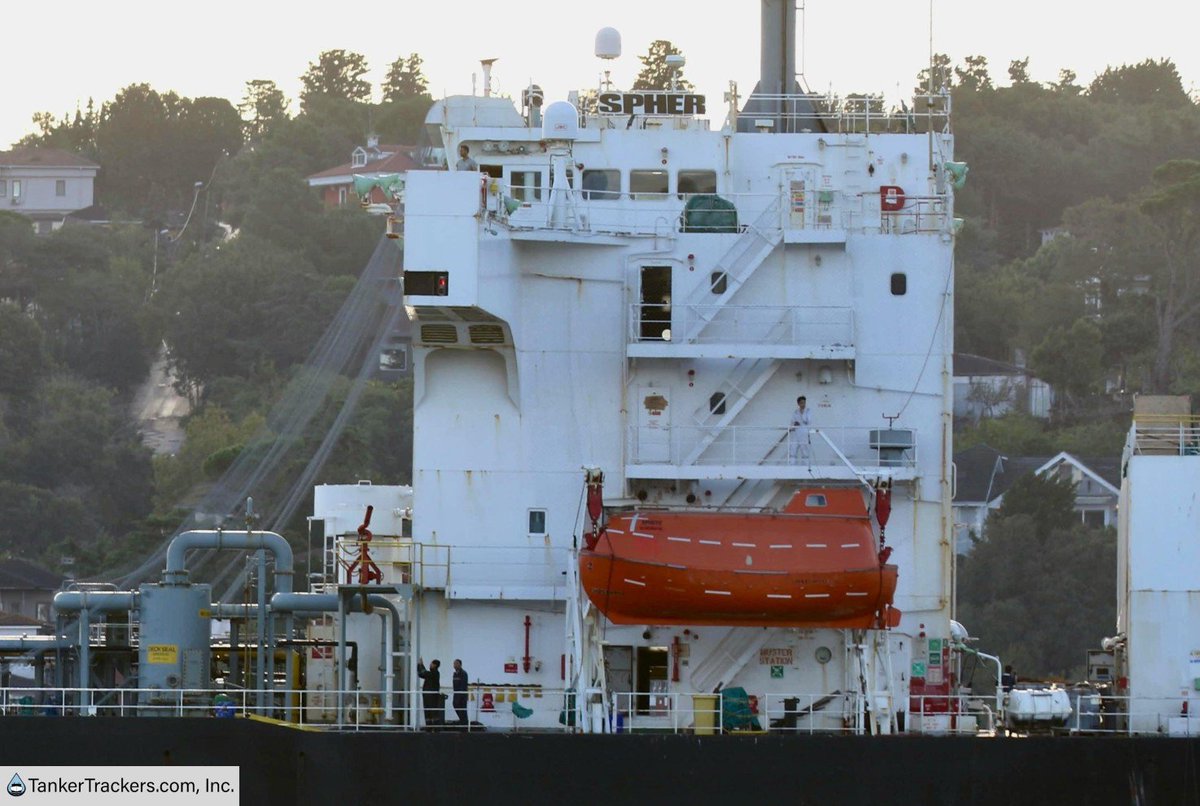
While the primary focus remained on Ukrainian territory, the same day saw related Russian‑linked actions in other theatres. A Russian‑flagged Aframax tanker, the Sphere, was set ablaze by a drone in the Black Sea, as reported by monitor_the_situation. Although the incident occurred outside Ukrainian waters, it highlights the expanding use of unmanned systems against maritime assets. Additionally, Russian KAB precision‑guided munitions struck the Vantovyy Bridge, demonstrating a willingness to target critical infrastructure beyond purely military objectives.
Collectively, the coordinated missile and drone barrage of 7 October 2026 represents a marked escalation in Russia’s campaign to undermine Ukraine’s civilian and industrial resilience. The integration of naval launch platforms, hypersonic missiles and drone swarms indicates a doctrinal shift toward multi‑domain operations designed to overwhelm defensive systems and create cascading effects across energy, transport and manufacturing sectors.