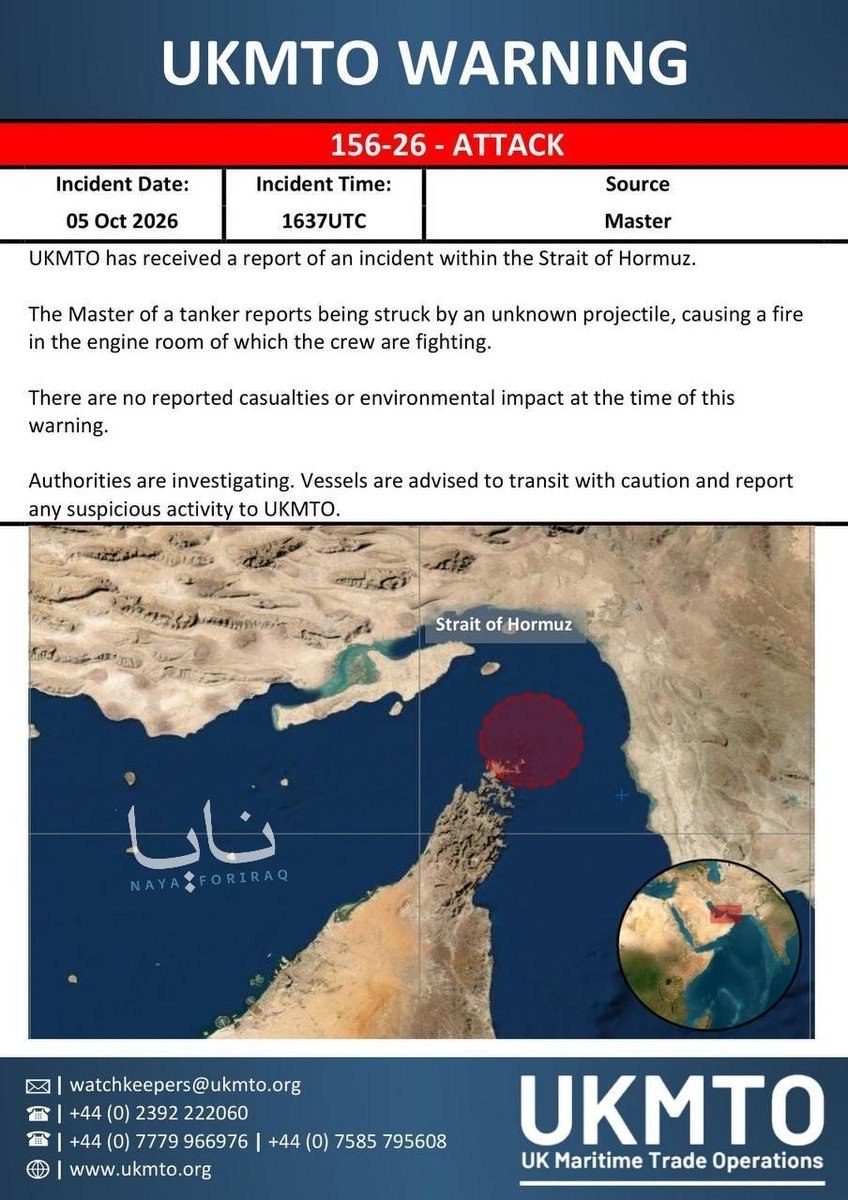
On 6 October 2026, three separate incidents involving aerial and maritime aggression highlighted a sharp escalation in regional hostilities.
Ukrainian drones ignite Volodarskaya fuel depot near Moscow
At approximately 02:37 UTC, Ukrainian‑operated attack drones struck the Volodarskaya LPDS fuel storage and distribution hub, located on the outskirts of Moscow. The depot supplies jet fuel, diesel and gasoline to the Russian capital. Video footage posted by the Telegram channel monitor_the_situation shows the facility engulfed in flames shortly after impact. No immediate casualty figures were released, and Russian authorities have not confirmed damage to the fuel reserves, but the visual evidence confirms a successful penetration of Russian air‑defence zones.
“The depot is burning; the attack demonstrates Ukraine’s ability to reach deep into Russian territory,” the channel reported.
Weapons used: Small‑size attack drones; Organizations involved: Ukrainian armed forces (unspecified unit); Countries: Ukraine, Russia.
Russia reports shooting down 105 Ukrainian drones
Just over an hour later, at 04:05 UTC, the Russian news agency TASS, cited by the Telegram channel GeoPWatch (source), announced that Russian air‑defence systems had intercepted approximately 105 Ukrainian drones en route to Moscow. TASS described the event as “one of the largest drone attacks on the capital since the war began.” The claim, if accurate, would represent a coordinated wave of unmanned aerial vehicles (UAVs) targeting critical infrastructure, including the aforementioned fuel depot.
“Our anti‑aircraft units have neutralised more than one hundred hostile UAVs, protecting the city and its residents,” a TASS statement read.
The Russian Ministry of Defence did not provide a breakdown of the types of drones involved, nor did it disclose any civilian or military casualties resulting from the interceptions. The sheer volume of reported downed UAVs suggests a significant escalation in Ukraine’s long‑range drone capabilities, potentially involving commercially available quad‑copters modified for payload delivery.
Weapons used: Unspecified UAVs; Organizations involved: TASS (reporting agency), Russian air‑defence forces; Countries: Russia, Ukraine.
Iran strikes oil tanker in the Strait of Hormuz
In a separate theater, at 01:18 UTC, Iran launched an attack on an oil tanker transiting the Strait of Hormuz, a strategic chokepoint between Oman and Iran. The incident, reported by the same monitor_the_situation channel (source), resulted in the vessel catching fire. Photographic evidence posted by the channel shows a large plume of smoke rising from the ship’s deck.
“The tanker is ablaze following the strike; the incident raises concerns over the safety of commercial navigation in the Hormuz corridor,” the channel noted.
No crew casualties were reported at the time of reporting, and the identity of the tanker (flag, name, cargo) was not disclosed. Iran has not issued an official statement, but the action aligns with a pattern of heightened maritime posturing in response to perceived threats to its regional interests.
Weapons used: Unspecified (likely missile or artillery); Organizations involved: Iranian military forces; Countries: Iran.
Analysis of emerging regional dynamics
The three incidents, while geographically disparate, share common threads that suggest a broader shift in the risk calculus of the involved states. Ukraine’s ability to strike a fuel depot near Moscow indicates a growing proficiency in long‑range UAV operations, potentially supported by external intelligence or commercial drone technology. Russia’s claim of downing over one hundred drones, whether fully accurate or not, underscores the intensity of the aerial contest and the strain placed on Russian air‑defence assets.
Simultaneously, Iran’s aggressive action in the Strait of Hormuz demonstrates a willingness to employ kinetic force in a maritime environment already fraught with geopolitical tension. The attack on a commercial tanker, even without a declared target, signals Tehran’s intent to assert control over a vital oil‑shipping lane, a move that could invite reciprocal measures from global powers reliant on Hormuz‑bound oil.
Collectively, these events illustrate a pattern of escalation where non‑state and state actors are leveraging asymmetric tools—drones, short‑range missiles, and rapid‑response strikes—to achieve strategic objectives while testing the limits of adversary defence systems. The convergence of aerial and maritime threats heightens the risk of inadvertent escalation, particularly if miscalculations occur in densely populated or high‑traffic zones such as Moscow’s outskirts or the Hormuz Strait.
Stakeholders should monitor the following indicators: the frequency and range of Ukrainian drone sorties, Russian air‑defence response times and attrition rates, and any official diplomatic communications from Iran regarding the tanker incident. Continued documentation by open‑source channels, including Telegram feeds and regional monitoring groups, will be essential for verifying claims and assessing the evolving threat environment.