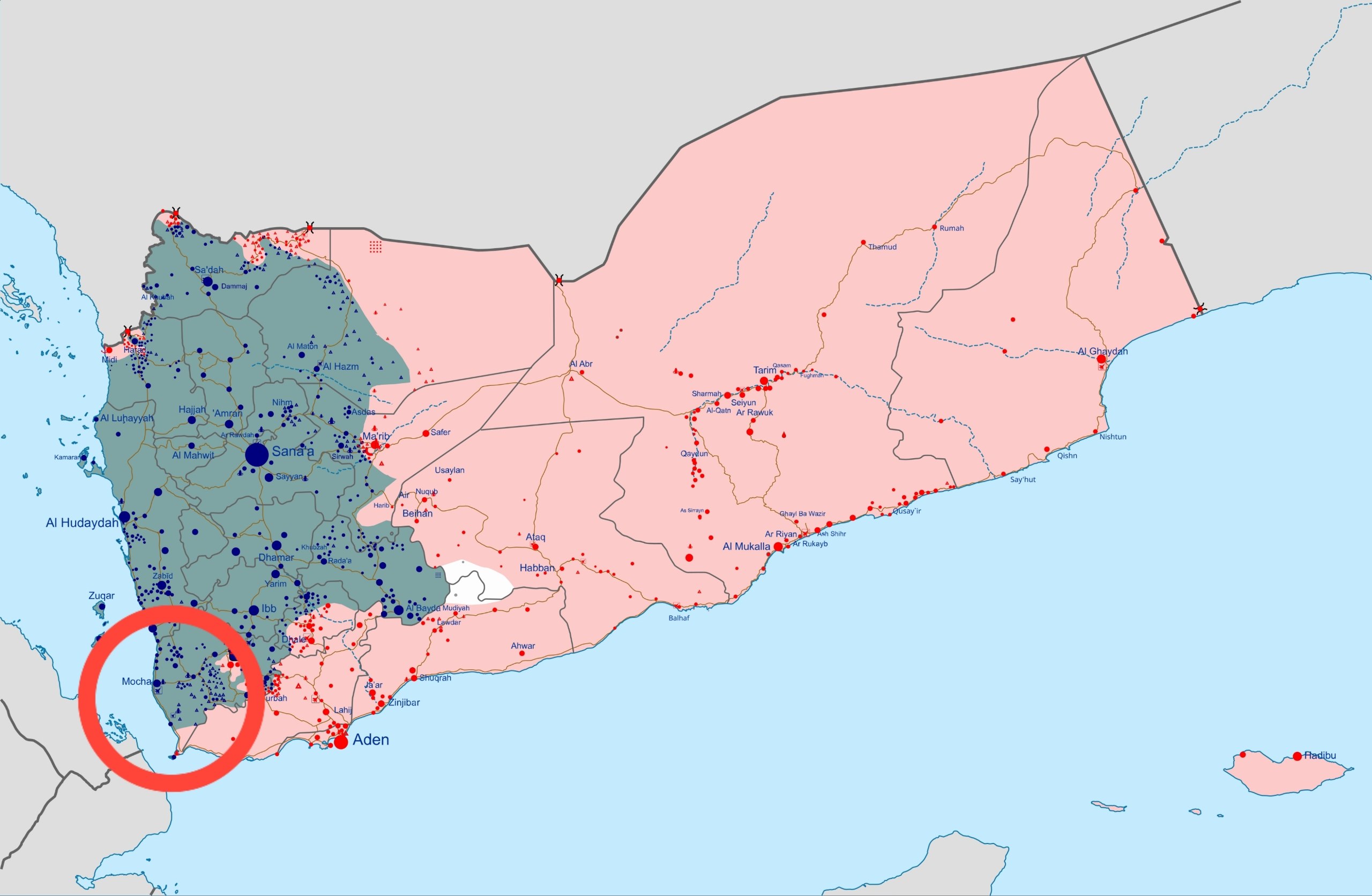
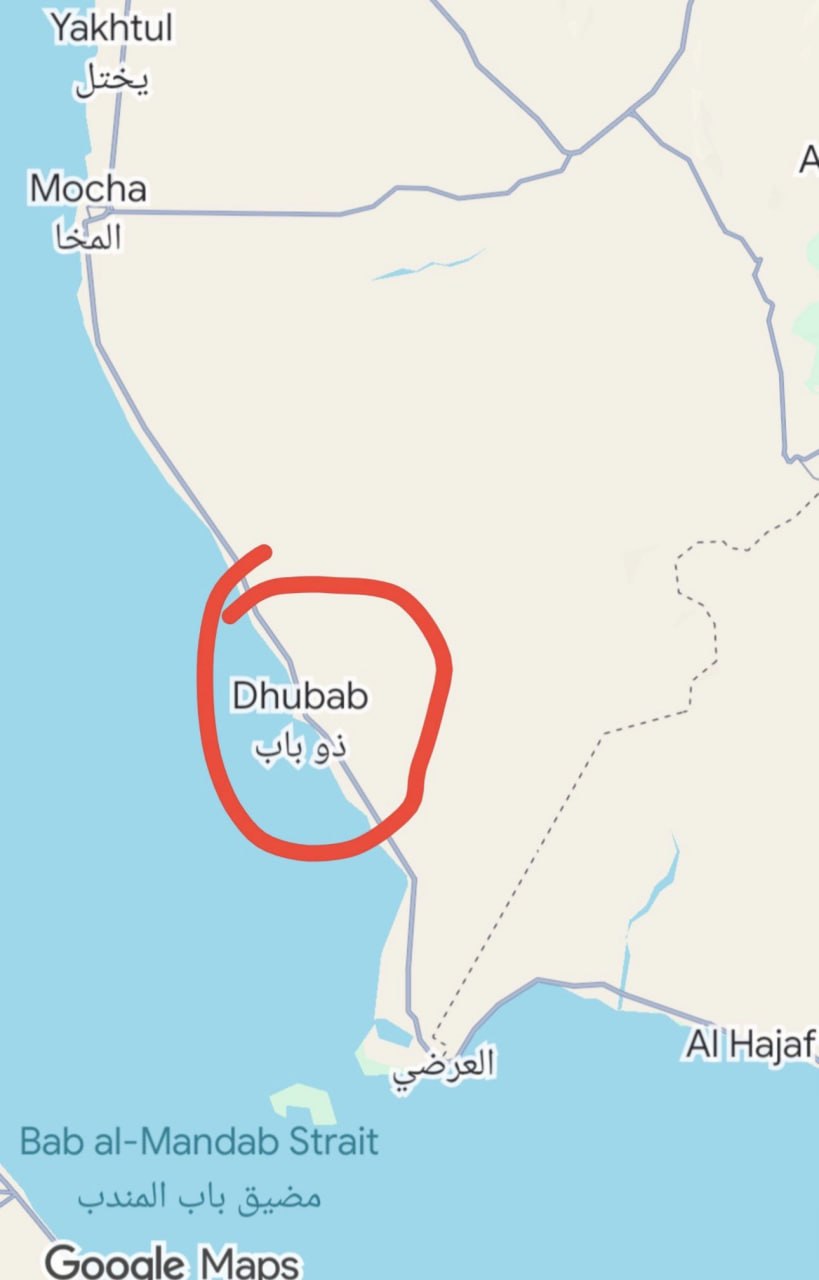
Pro‑government forces backed by Saudi Arabia announced the recapture of the Bab al‑Mandeb Strait and the strategic port city of Mocha on Oct 5, marking a decisive shift in control of Yemen’s Red Sea coastline. The operation, reported by monitor_the_situation and corroborated by BellumActaNews, involved coordinated assaults on Dhubab, Murad and Al‑Makha, culminating in the seizure of Houthi‑held vehicles and the restoration of a secure maritime corridor.
Strategic Gains Along the Red Sea Coast
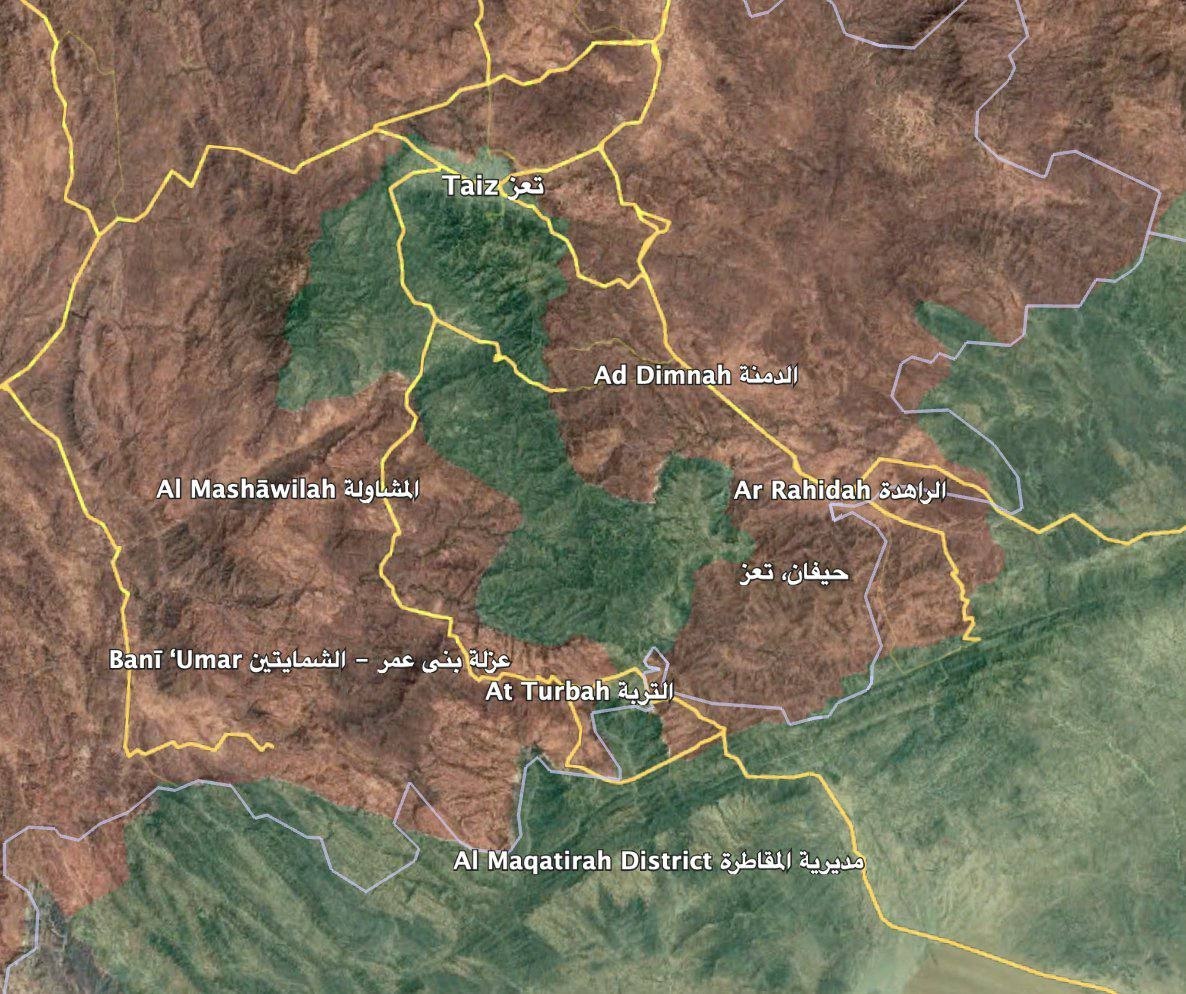
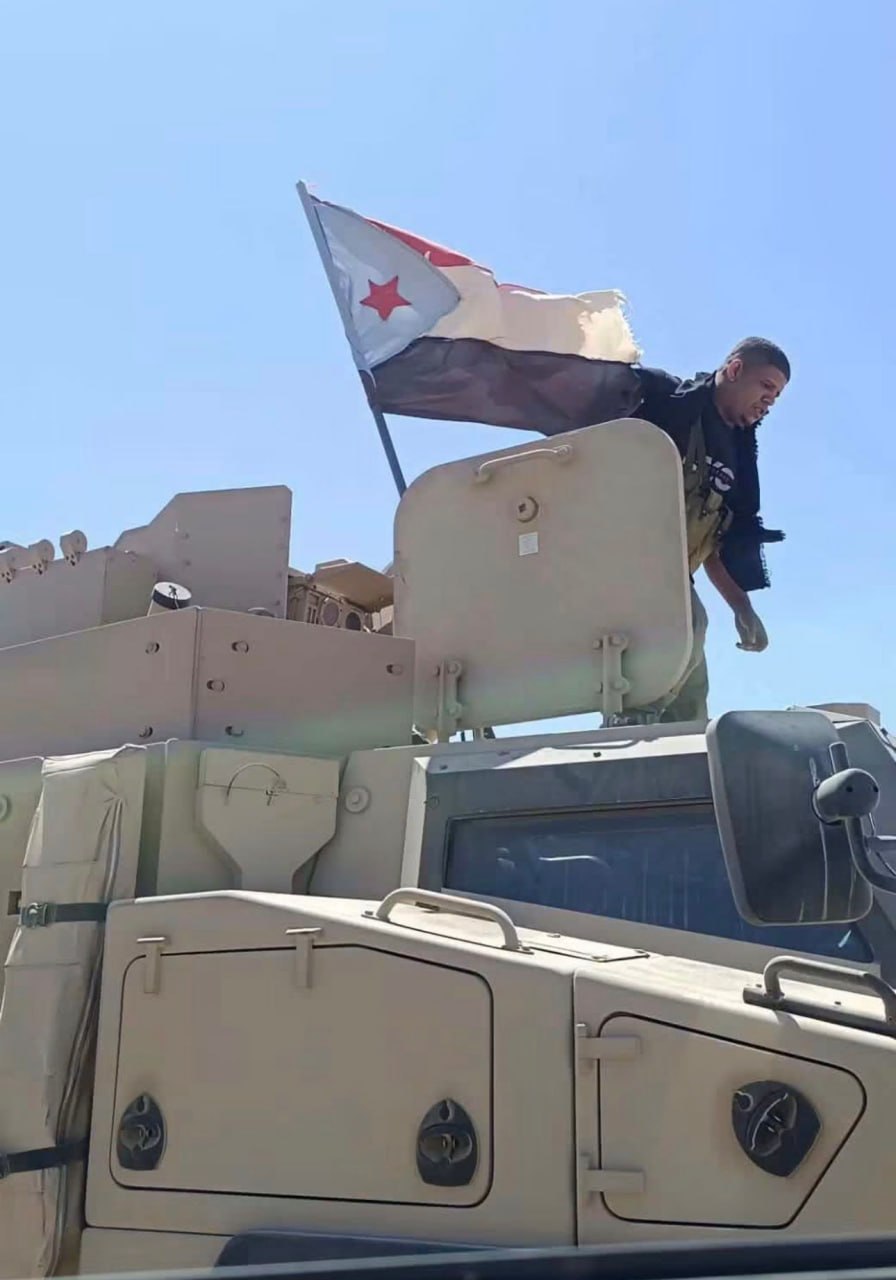
According to monitor_the_situation, Yemeni forces entered Dhubab Airport and captured the town of Murad, a critical foothold near the Bab al‑Mandeb Strait (source). Simultaneously, BellumActaNews confirmed the capture of the port city of Mocha, a key Red Sea hub (source). GeoPWatch reported that Yemeni government forces also secured Al‑Makha (Mocha) west of Taiz, further consolidating control over the coastline (source). Video evidence showed pro‑government armored vehicles running over surrendering Houthi fighters in Dhubab District, underscoring the intensity of the offensive (source).
"Yemeni Forces Seize Bab al‑Mandeb Strait From Houthis" – monitor_the_situation, 05 Oct 2026
The coalition’s air component reported destroying 324 targets since the renewed offensive began, according to a statement on monitor_the_situation (source). The rapid advance forced Houthi forces to retreat from several forward positions, allowing the Southern Giants Brigades and National Shield Forces to establish a defensive line across the strait.
Houthi Counter‑Offensives: Missiles, Drones, and Ground Resistance
In parallel, Houthi‑aligned Ansarallah launched a series of ballistic missile strikes. GeoPWatch released ISR footage showing missiles hitting a large PLC technical gathering in Ras al‑Arah, Abyan Governorate, on 11 Sept, with coordinates 12.655169°, 43.915828° (source). On Oct 5, Houthis fired ballistic missiles at PLC forces in the Bab al‑Mandab area as an Al‑Arabiya correspondent prepared to go on air (source), and a separate missile landed near Al‑Arabiya reporter Mohammed Al‑Ashqar during a live‑report setup (source).
Drone activity intensified across multiple fronts. GeoPWatch documented locally‑made FPV “Shuath” drones striking PLC technical personnel and infantry throughout Yemen (source). A drone strike in Maʿrib killed a Pakistani aid‑truck driver, an incident confirmed by rnintel (source). Additionally, the Houthis claimed to have downed a Saudi‑operated Wing Loong‑2 reconnaissance drone over Taiz (source).
Air Power and Coalition Support
Saudi Arabian air assets conducted multiple strikes against Houthi positions. rnintel reported a wave of Saudi airstrikes targeting Ansarallah positions in the Maʿrib direction, contributing to the broader coalition effort (source). The coalition’s aerial campaign, combined with ground advances, has limited Houthi artillery and missile launch capabilities in the contested southern corridor.
Casualties and Material Losses
Casualty figures remain fragmented. The Pakistani aid‑truck driver killed in Maʿrib represents the most recent foreign fatality (rnintel). Houthi forces suffered personnel losses through captures: dozens were taken prisoner during the Bab al‑Mandeb recapture (source), and surrendered fighters were run over by armored vehicles in Dhubab (source). Conversely, pro‑government forces reported the seizure of multiple Houthi‑marked vehicles in Dhubab District (source).
Implications for Regional Maritime Security
Control of the Bab al‑Mandeb Strait is pivotal for global shipping, with an estimated 20 % of world oil trade transiting the chokepoint. The recent government gains reduce the immediate threat of Houthi maritime interdiction, but the continued missile and drone launches from Yemeni territory maintain a volatile risk profile for commercial vessels. Regional actors, including Saudi Arabia and the United Arab Emirates, have reinforced naval patrols, while the United States has positioned additional carrier strike groups in the nearby Strait of Hormuz (source).
Overall, the October 5 offensive demonstrates a significant shift in the balance of power along Yemen’s southern coast, yet the persistence of Houthi kinetic capabilities—ballistic missiles, FPV drones, and ground resistance—suggests that the conflict will remain highly fluid in the weeks ahead.