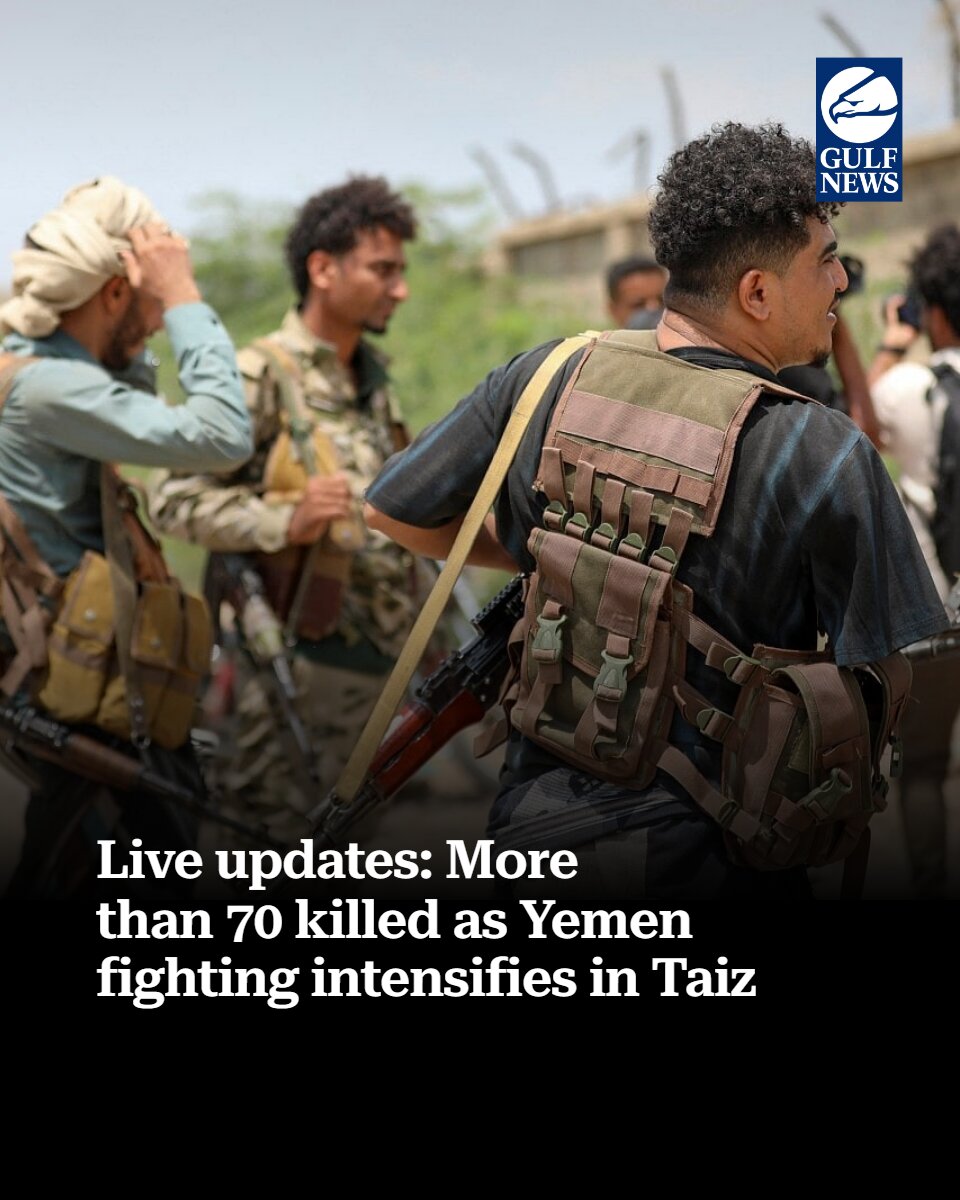
On October 4, 2026, heavy casualties were reported after days of intense fighting in Yemen’s Taiz and Lahj governorates, marking the most severe kinetic event in the country for the day. Both Yemeni government and Houthi (Ansarullah) sources confirmed that the clashes resulted in significant loss of life, though exact figures remain unverified. The fighting underscores a rapid escalation on the southern front, where control of supply routes and key urban centers is increasingly contested.
Intensified Ground Fighting in Taiz and Lahj
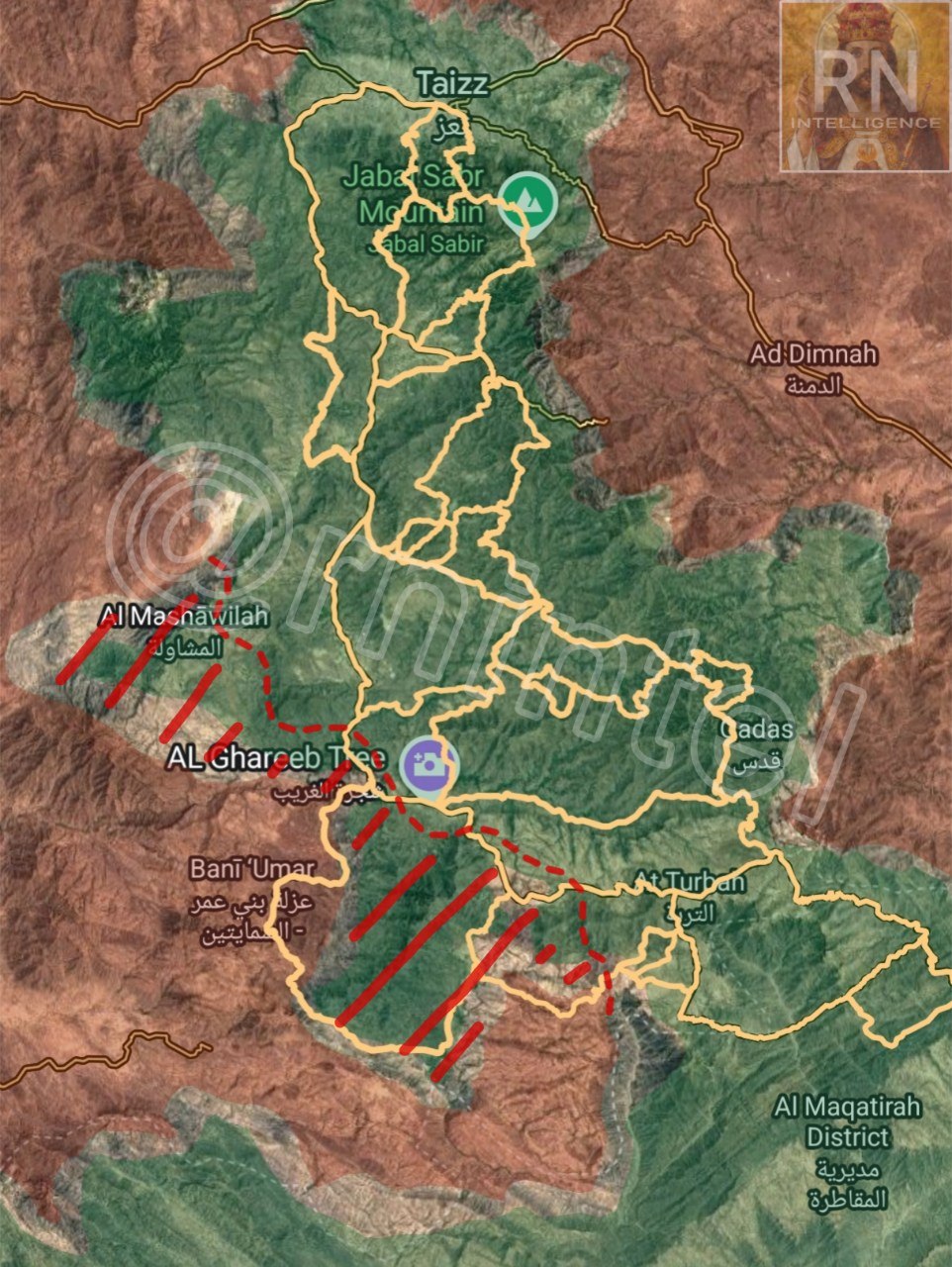
According to the Telegram channel monitor_the_situation, the battles in Taiz and Lahj have intensified over the past 48 hours, with both sides deploying infantry and light artillery. The conflict has centered on the al‑Ahad al‑Shouʿbah junction north of al‑Aʿlum, a strategic node that, once captured, cuts the last supply road to Taʿizz. The
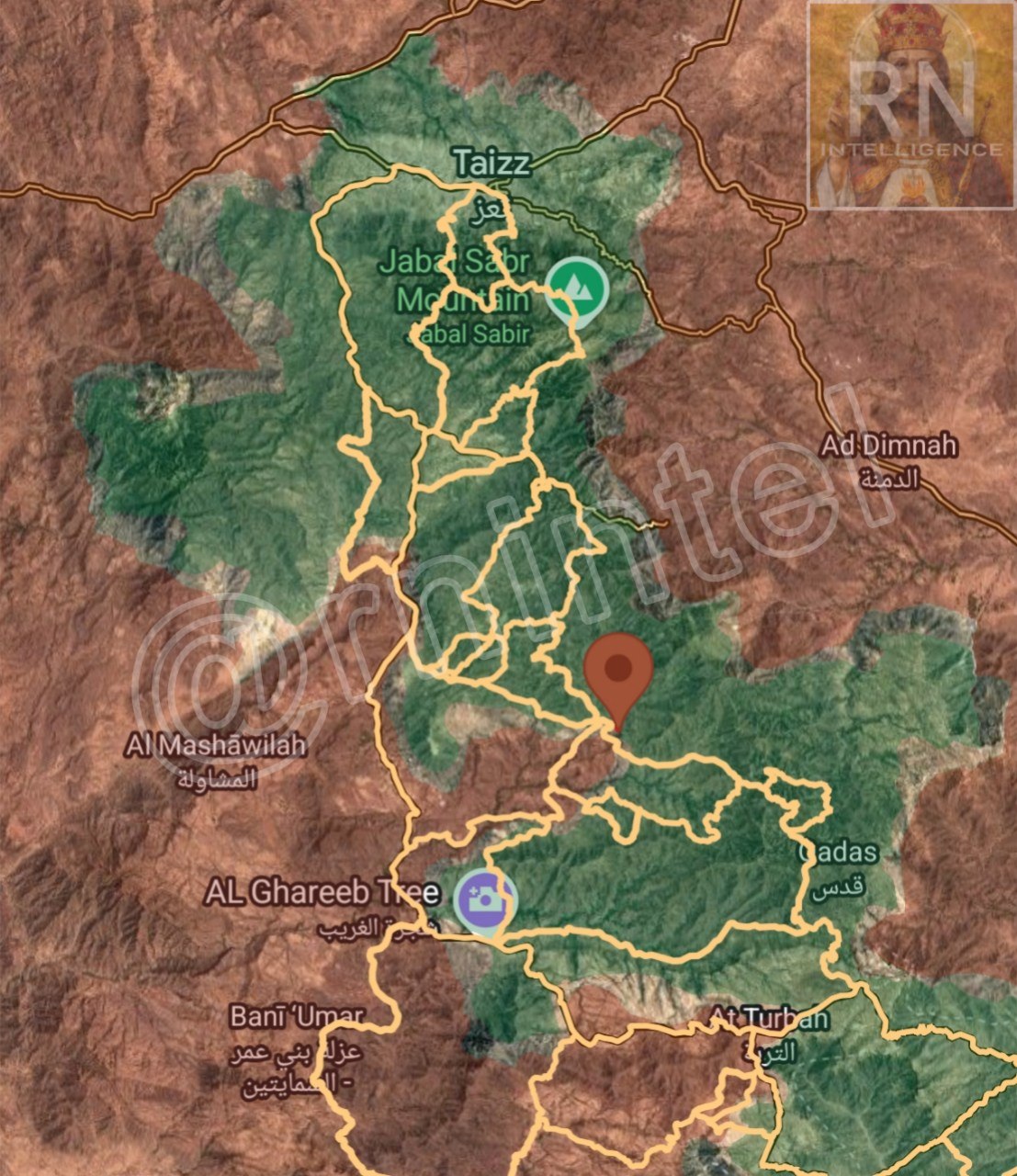
"Ansarullah forces have captured the al‑Ahad al‑Shouʿbah junction, fully besieging Taʿizz"report from rnintel at 17:39:30 UTC confirms the siege, leaving only mountain passes open for the Presidential Leadership Council (PLC) forces to retreat.
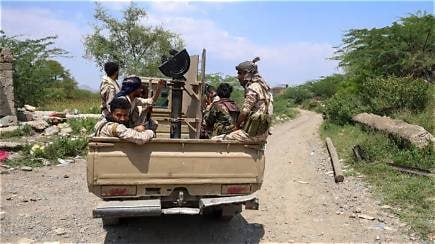
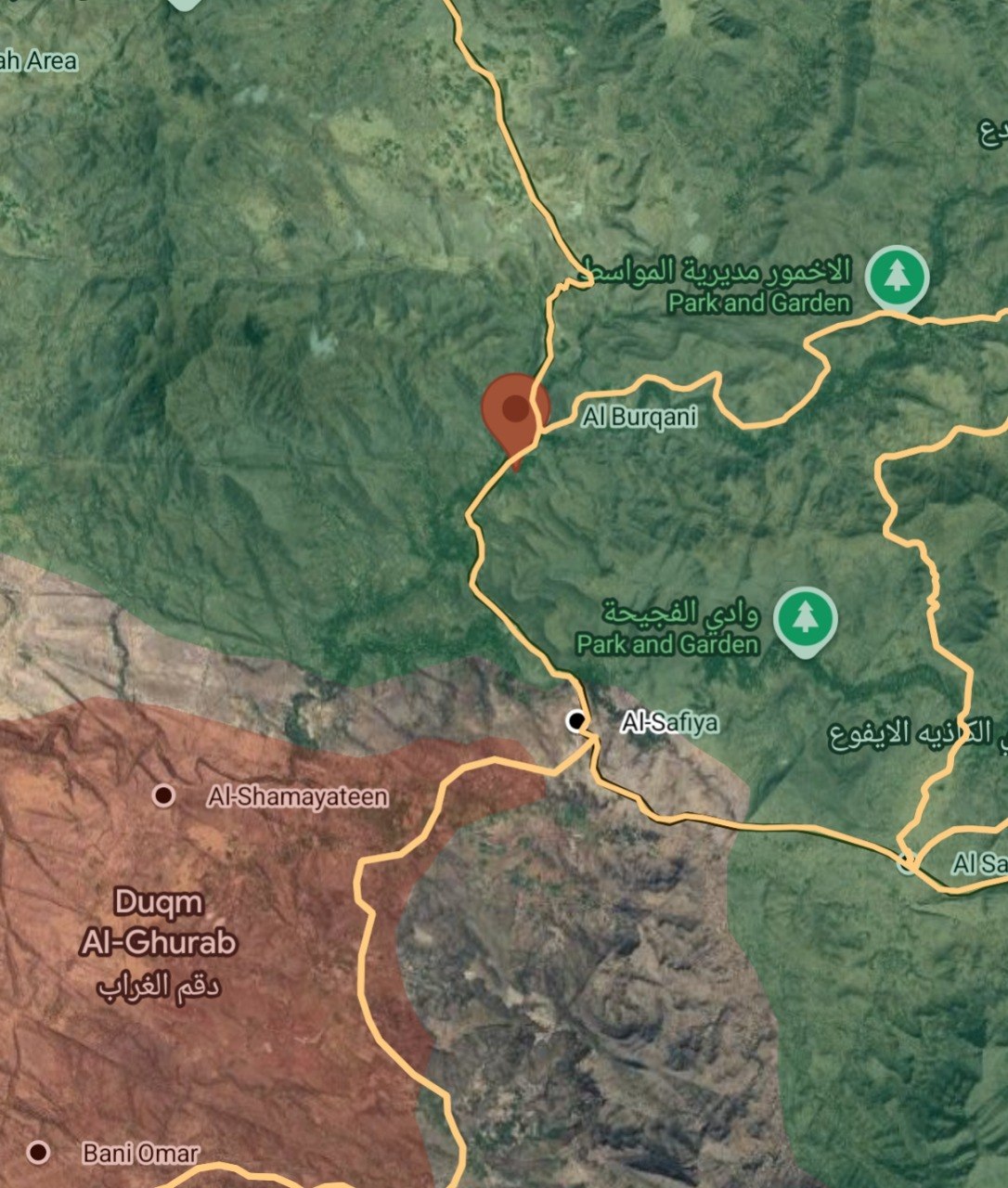
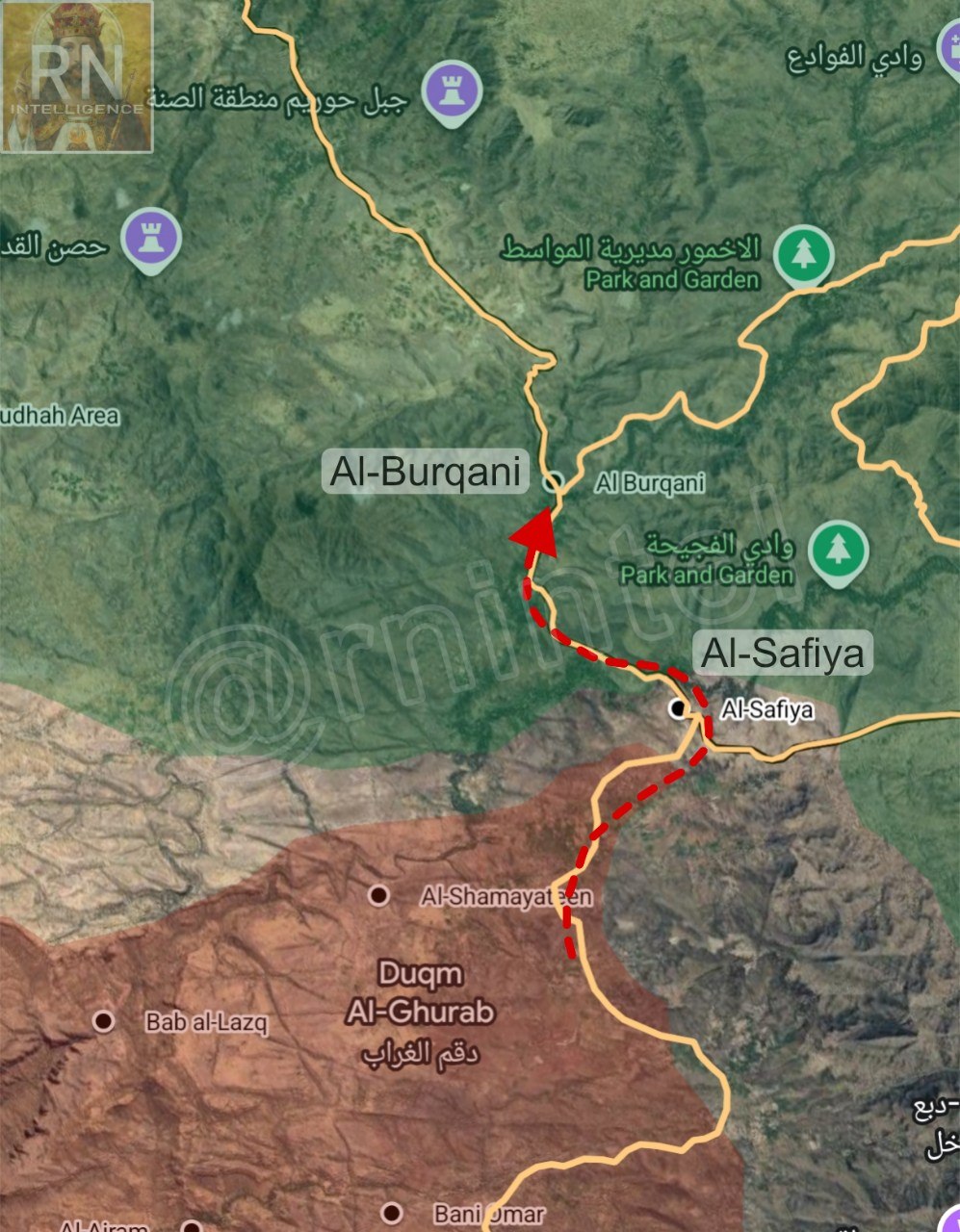
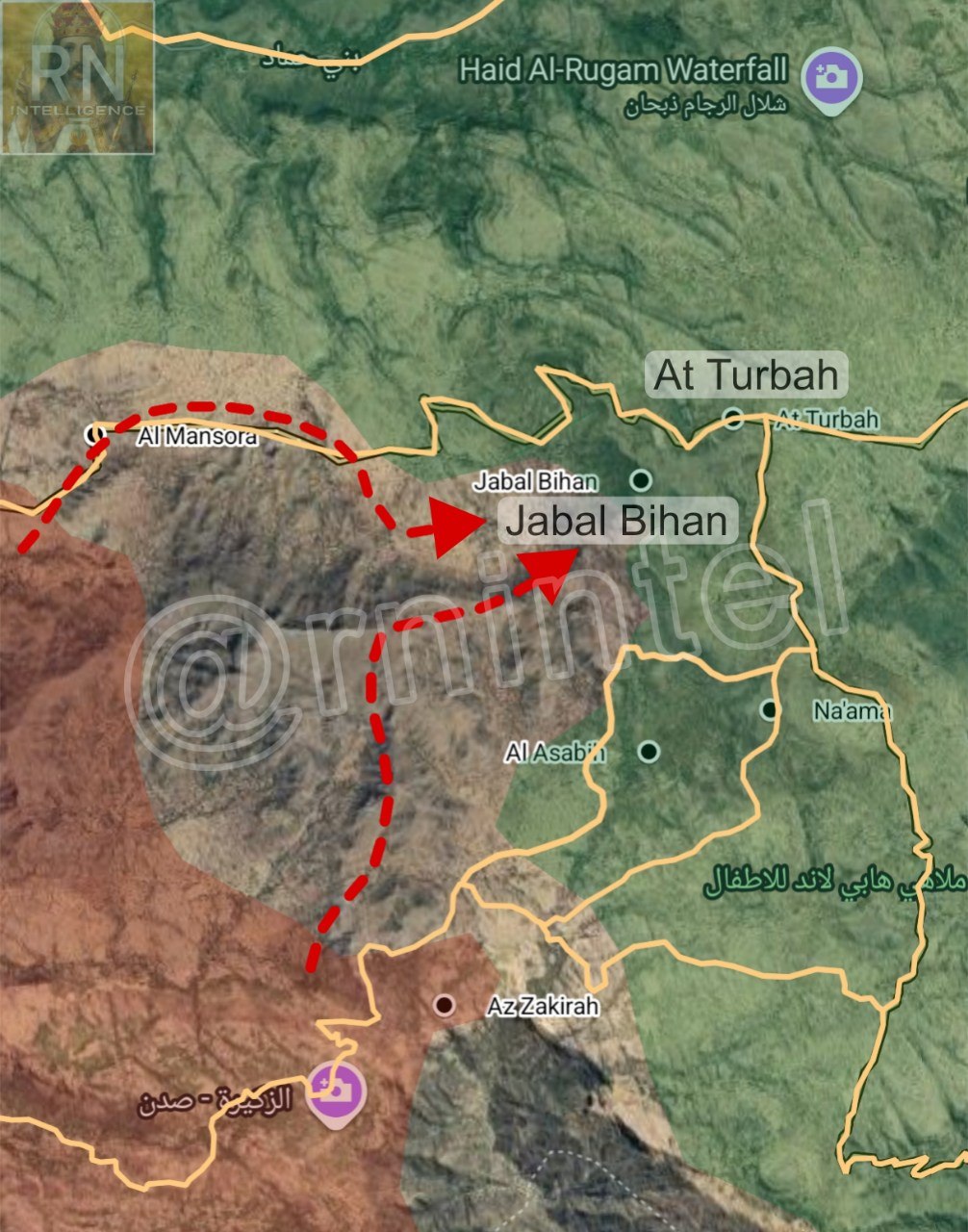
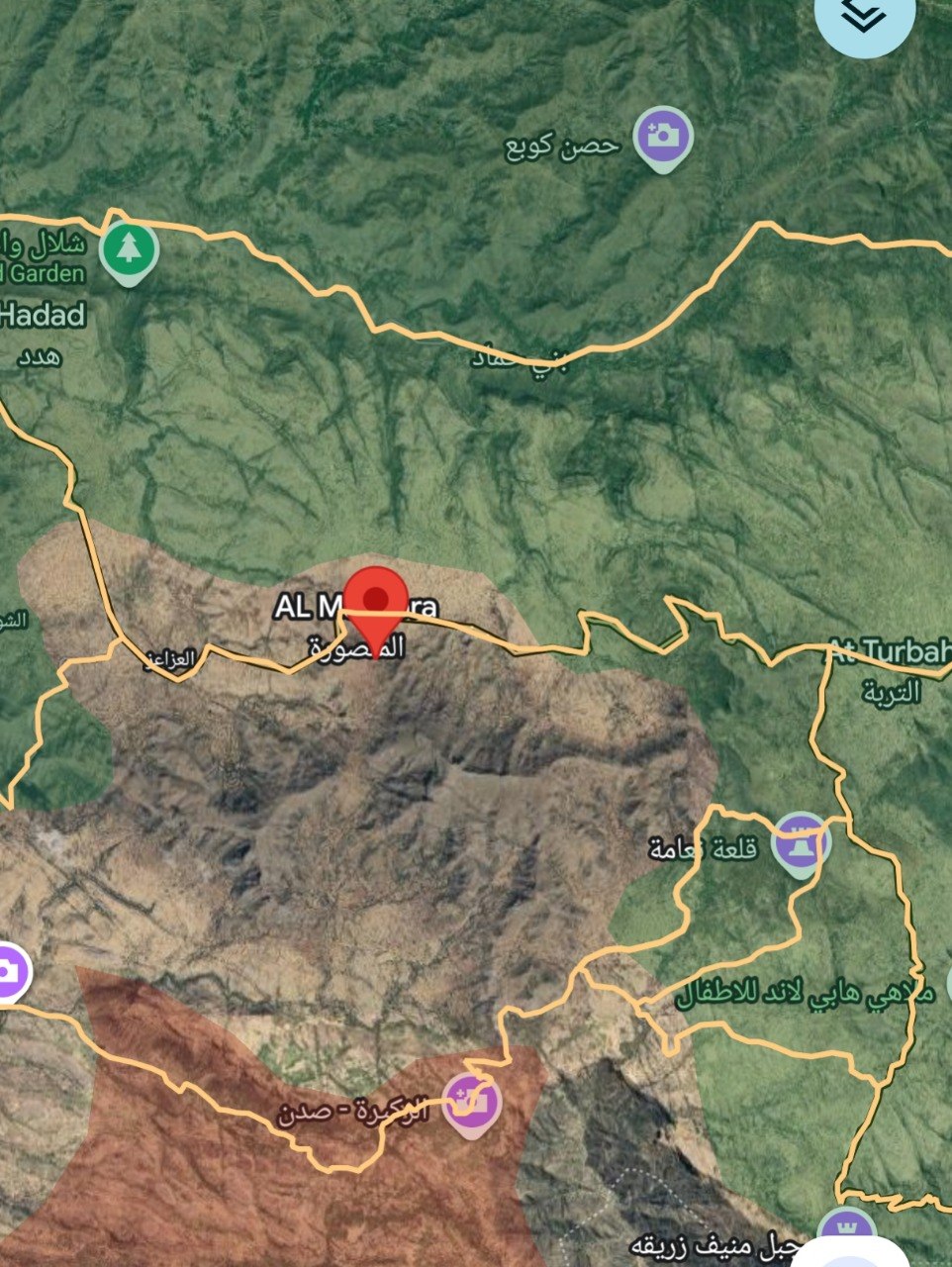
Simultaneously, Ansarullah forces seized several smaller towns, including At Turbah (16:06:26 UTC) and Al‑Burqani (14:08:16 UTC), further tightening the encirclement of government‑aligned positions. Video evidence shared by rnintel shows PLC troops withdrawing from the al‑Markaz market and the parliament speaker’s palace in Sana’a, indicating a broader pattern of territorial loss.
Saudi‑Led Air Campaign Over Sana’a and Surrounding Governorates
At 17:52:58 UTC, the Telegram channel GeoPWatch reported that Saudi Arabia launched 106 air and missile strikes across Yemen’s capital Sana’a and the governorates of Al‑Jawf, Taiz, Amran, Hajjah, and Saada. The strikes targeted Houthi command and control facilities, air defense sites, and logistical hubs. While casualty numbers were not disclosed, the volume of sorties suggests a concerted effort to blunt Houthi advances on the Taiz front and to pressure the group ahead of a potential capture of the city.
These air operations coincide with a reported Saudi‑backed ground offensive announced earlier in the day. The OSINTdefender channel detailed a massive deployment of 100,000 troops aimed at retaking Red Sea coastal areas and Taiz from Iran‑backed Houthis. The operation, described as “the largest ground offensive in Yemen since 2015,” involves coordinated assaults by Saudi Arabian forces, Yemeni government troops, and allied militias.
Government Announces Massive Ground Offensive
The announcement, made by Yemen’s Saudi‑backed government, emphasizes a multi‑axis advance targeting the Bab al‑Mandab Strait and key coastal ports. The stated objective is to restore government control over the Red Sea corridor, which has been intermittently disrupted by Houthi missile and drone attacks on Saudi Aramco facilities in Riyadh and Al‑Khurais earlier in the week.
While the offensive’s exact composition remains classified, satellite imagery released by CIG_telegram on October 3‑4 shows damage to multiple oil storage tanks at Saudi Aramco’s Riyadh refinery, attributed to Houthi missile and drone strikes. These attacks, claimed by Ansarullah, underscore the broader regional dimension of the Yemeni conflict, linking kinetic events on the ground with strategic strikes on energy infrastructure.
Supply Route Disruptions and the Siege of Taʿizz
Control of supply routes has become a decisive factor in the current phase of the war. The capture of the al‑Ahad al‑Shouʿbah junction effectively isolates Taʿizz, forcing PLC forces to rely on limited mountain passes for resupply. Additional reports from rnintel indicate that Ansarullah forces have entered Al‑Turbah, severing the final supply road to Taʿizz, and have advanced north from the al‑Safiya marketplace toward the al‑Burqani junction.
These movements have been corroborated by multiple open‑source channels, including video footage of Ansarullah fighters raising flags at captured sites and satellite imagery showing the destruction of road infrastructure. The strategic aim appears to be to force a PLC withdrawal from the Taʿizz pocket, thereby consolidating Houthi control over central Yemen.
Regional Implications and Outlook
The convergence of heavy ground fighting, a large‑scale Saudi‑backed offensive, and intensified air strikes signals a potential shift in the balance of power in southern Yemen. The PLC’s reported mass withdrawal from the Taʿizz front (11:54:00 UTC) suggests a rapid collapse of government lines, which could enable the Houthis to extend their influence toward the Red Sea coast.
At the same time, Saudi Arabia’s air campaign demonstrates a willingness to sustain high‑intensity operations to protect its strategic interests, particularly the security of oil facilities and maritime routes. The ongoing missile and drone attacks on Saudi Aramco installations highlight the Houthis’ capacity to project power beyond Yemen’s borders, raising concerns about broader regional escalation.
Given the fluidity of the situation, monitoring of supply‑line disruptions, civilian casualty reports, and further air‑strike activity will be essential for assessing the conflict’s trajectory over the coming weeks.