Ukrainian drone forces have struck 44 energy facilities over the past ten days as part of Operation “Crimean Switch Off”, extending attacks to occupied Crimea, Donetsk, Luhansk, Zaporizhzhia, Kharkiv and Kherson. The coordinated campaign was confirmed by USF commander Robert Brovdi on the monitor_the_situation channel, which reported a total of 456 energy nodes targeted since the operation began on 6 July 2026.
The latest wave, recorded at 16:28:57 UTC on 4 October, involved multiple unmanned aerial systems (UAS) launched from Ukrainian‑held territory. According to the source, the strikes hit power substations, transmission towers and fuel depots, temporarily disrupting electricity supply to civilian and military customers in the affected regions. No casualty figures were released, and the infrastructure damage appears to be limited to technical failures rather than structural collapse.
“We have neutralised 44 critical energy points in the last ten days, bringing the total to 456 since the start of the operation,” Robert Brovdi said, as cited by @NOELreports.
The systematic targeting of energy nodes aligns with Ukraine’s broader strategy to degrade Russian logistical capacity in occupied territories while limiting civilian hardship through rapid repairs. Satellite imagery released by independent analysts shows localized outages in Crimea’s southern grid, but power has been partially restored within hours, suggesting a high degree of resilience in the Russian‑controlled network.
Kyiv’s Northern Bridge Under Fire
At 07:41:26 UTC, a Russian S8000 Banderol cruise missile struck the Northern Bridge over the Dnieper River in Kyiv. The impact created a small crater in the road surface; video evidence posted by monitor_the_situation shows the explosion and subsequent debris field. No injuries were reported, and traffic was rerouted while engineers assessed structural integrity.
Four hours later, intelslava released a second video from the same bridge, documenting additional road damage consistent with a separate attack. While the second incident did not involve a confirmed weapon system, the visual evidence suggests a possible follow‑up strike or secondary munition impact. Both videos were shared on Telegram, reinforcing the pattern of repeated targeting of critical transport infrastructure in the capital.
Russian Drone Strikes on Southern Cities
At 06:50:59 UTC, two Geran‑4 jet‑drones attacked Odesa Oblast. The first strike hit a logistics centre in Chornomorsk, while the second damaged a data centre in Odesa City. Footage posted by monitor_the_situation shows the drones approaching at low altitude before detonating, causing structural damage but no reported casualties.
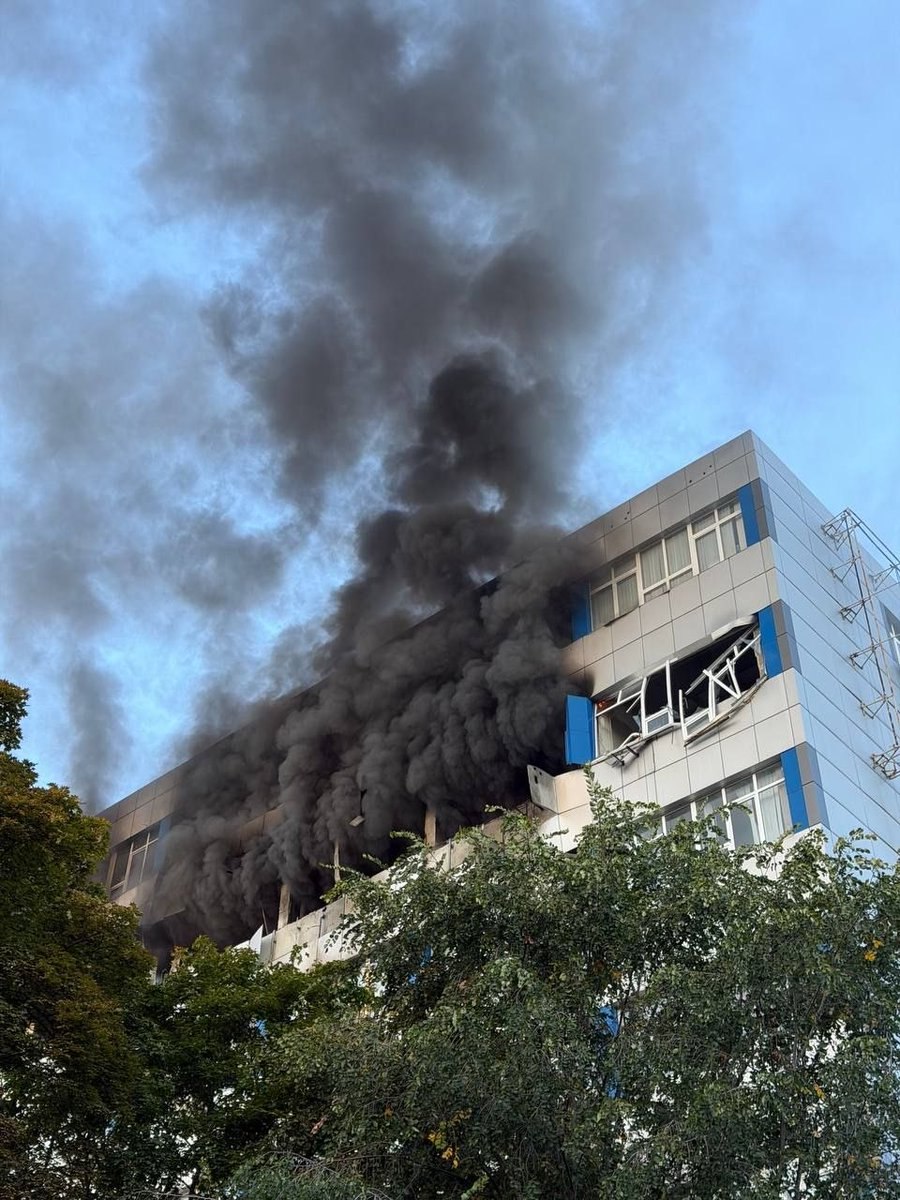
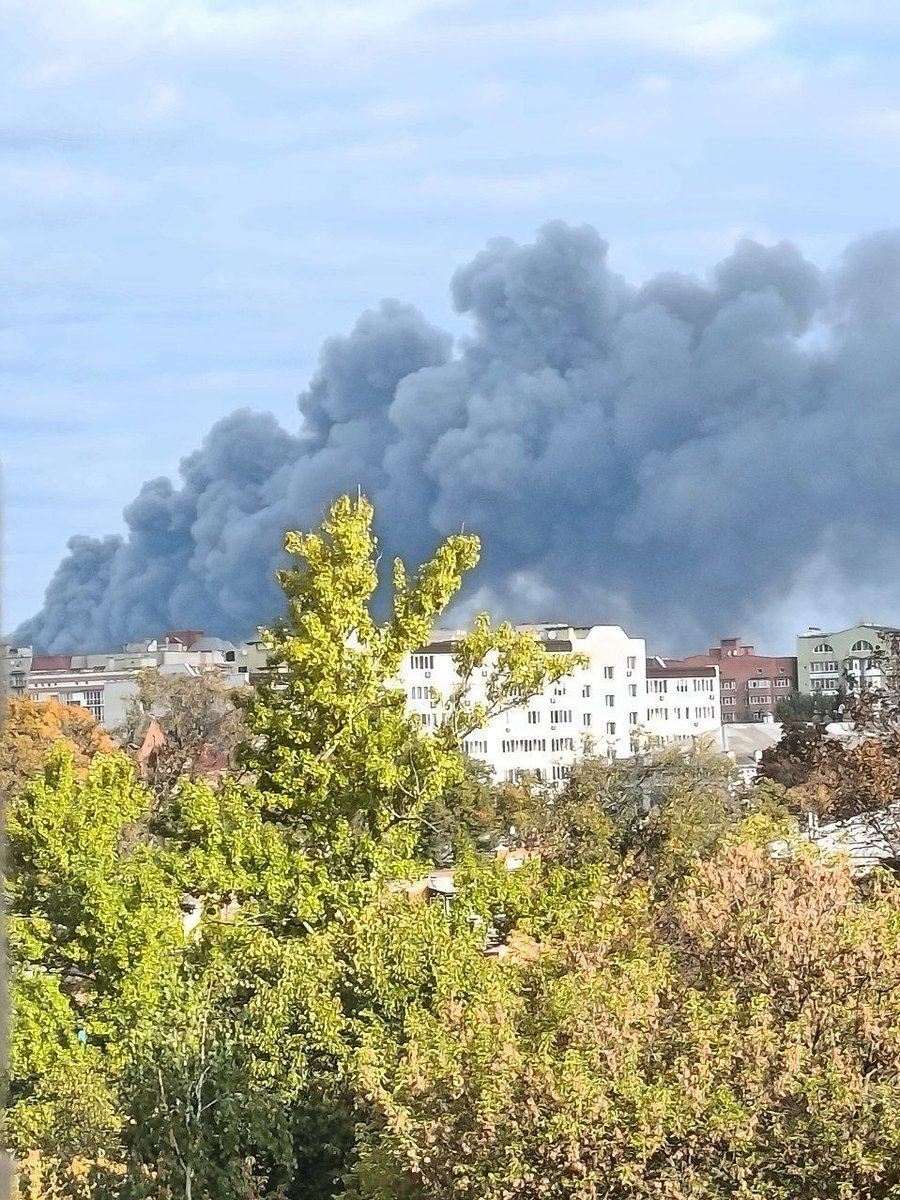
One hour later, at 06:48:58 UTC, a Geran‑4 drone struck a Ukrtelecom data processing centre in Dnipro, igniting a large fire that burned for several hours. The incident was captured in a single photograph released on the same channel. Ukrtelecom confirmed the loss of several server racks but reported no injuries among staff.
At 06:44:36 UTC, a Geran‑2 drone attacked Sumy, igniting a large fire after a preceding assault with five KAB glide‑bombs. The combined use of glide‑bombs and loitering munitions indicates a coordinated effort to overwhelm local emergency response capabilities. Photographs show extensive smoke and damage to a residential block adjacent to the strike zone; casualty numbers have not been disclosed.
Maritime Targeting in the Black Sea
At 16:59:46 UTC, the Russian Ministry of Defense announced that its forces had hit four Ukrainian dry‑cargo ships using jet‑powered Geran‑4 loitering munitions. The claimed targets were located in the port of Chernomorsk, the Bug Estuary and the open Black Sea. Video released by GeoPWatch depicts the munitions descending on the vessels, with visible explosions on deck. The Russian statement alleges that the ships were transporting military equipment, though independent verification is pending.
Earlier, at 14:41:02 UTC, intelslava reported that Geran‑2/4 loitering munitions equipped with electro‑optical seekers struck three cargo vessels in Odesa, Chornomorsk and the Black Sea. Documentation shared on Telegram includes targeting data overlays, confirming the use of EO seekers to acquire maritime targets at night. The attacks disrupted loading operations and prompted Ukrainian naval units to increase patrols in the area.
Miscellaneous Drone Incidents
At 15:42:40 UTC, a Russian Geran‑5 drone crashed on a Kyiv street without detonating, as shown in a photograph posted by intelslava. The unexploded device was recovered by local authorities, providing valuable forensic material for Ukrainian counter‑UAS units.
Assessment
The events of 4 October illustrate a multi‑domain escalation in kinetic activity across Ukraine. Ukrainian drone operations continue to focus on degrading Russian energy logistics, while Russian forces employ a mix of cruise missiles, glide‑bombs and loitering munitions to strike infrastructure, transport routes and maritime assets. The absence of reported casualties in most incidents suggests that both sides are prioritising material damage over mass civilian loss, though the cumulative effect on regional stability remains significant.
Monitoring agencies should track the frequency of Geran‑type loitering munitions, as their deployment across land and sea indicates a growing reliance on inexpensive, precision‑guided platforms. Additionally, the repeated targeting of Kyiv’s Northern Bridge underscores the strategic importance of maintaining redundancy in capital‑city transport corridors.