On 4 October 2026, Russian aerial assets intensified their campaign against Ukraine by deploying Geran‑4/5 jet‑drones over the capital, Kyiv. The unmanned systems detonated in multiple districts, generating audible explosions and prompting immediate emergency response. While no official casualty figures have been released at the time of writing, local authorities confirmed damage to civilian infrastructure and the temporary suspension of power in the affected zones.
Details of the Kyiv Drone Attack
The Geran‑4/5 platform, a reverse‑engineered variant of the Iranian Shahed series, is equipped with a small warhead and a guidance system that allows low‑altitude, high‑speed penetration of urban airspace. According to the Telegram channel monitor_the_situation, the drones entered Kyiv’s airspace at approximately 02:09 UTC, striking three separate locations within the city’s central district. Video footage shared by the channel shows smoke plumes and fireballs emerging from rooftops, followed by rapid deployment of fire‑fighting units.
"Explosions reported in Kyiv as Russian drones strike," monitor_the_situation, 2026‑10‑04T02:09:03, https://t.me/monitor_the_situation/34506
The attack marks the first confirmed use of Geran‑4/5 drones against a major Ukrainian metropolis since the conflict’s escalation earlier this year. Ukrainian air defence units reported intercepting several additional drones, but the effectiveness of the system against low‑observable targets remains a point of operational concern.
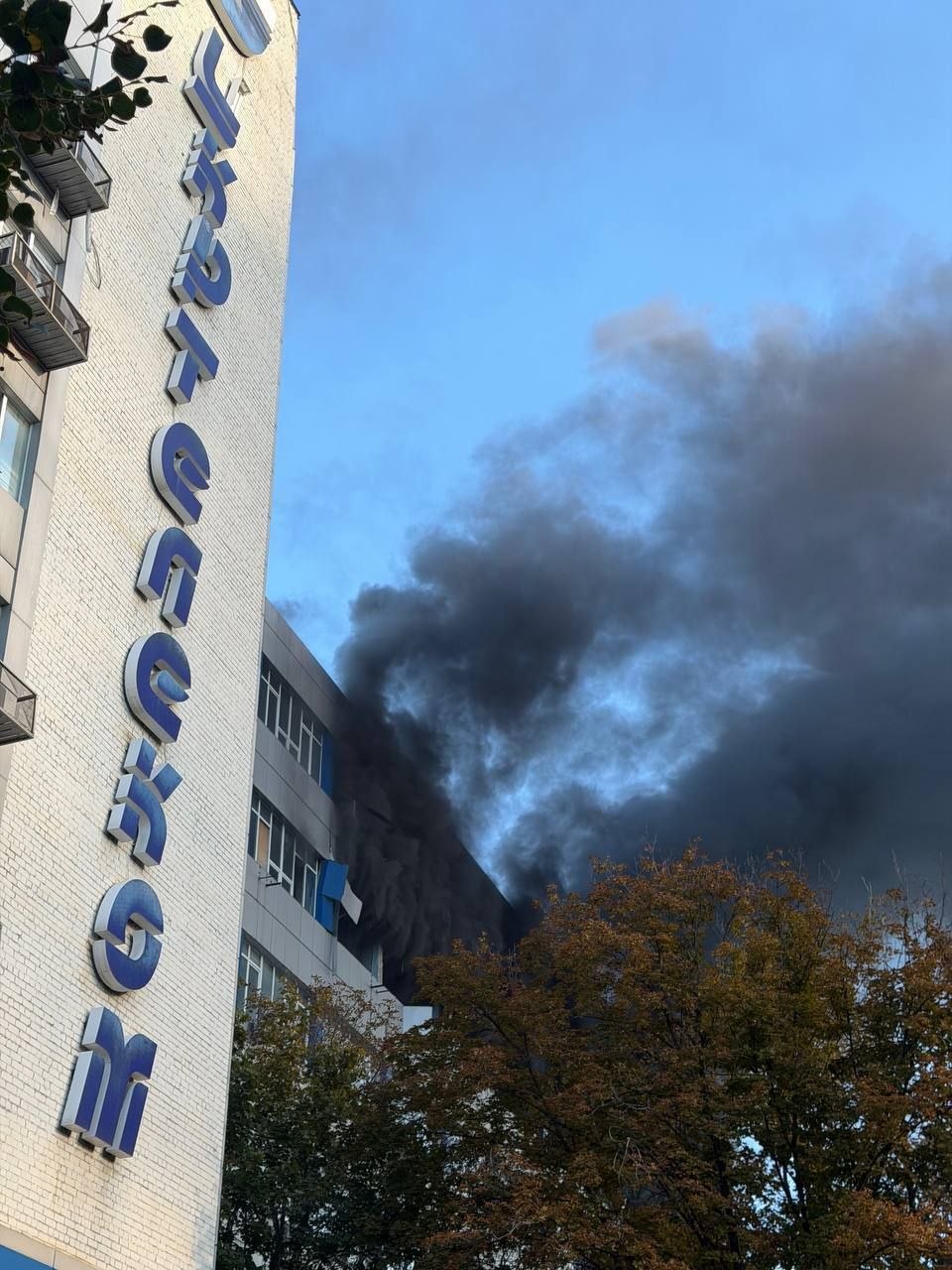
Jet Drone Strike on Ukrtelcom Building, Dnipropetrovsk
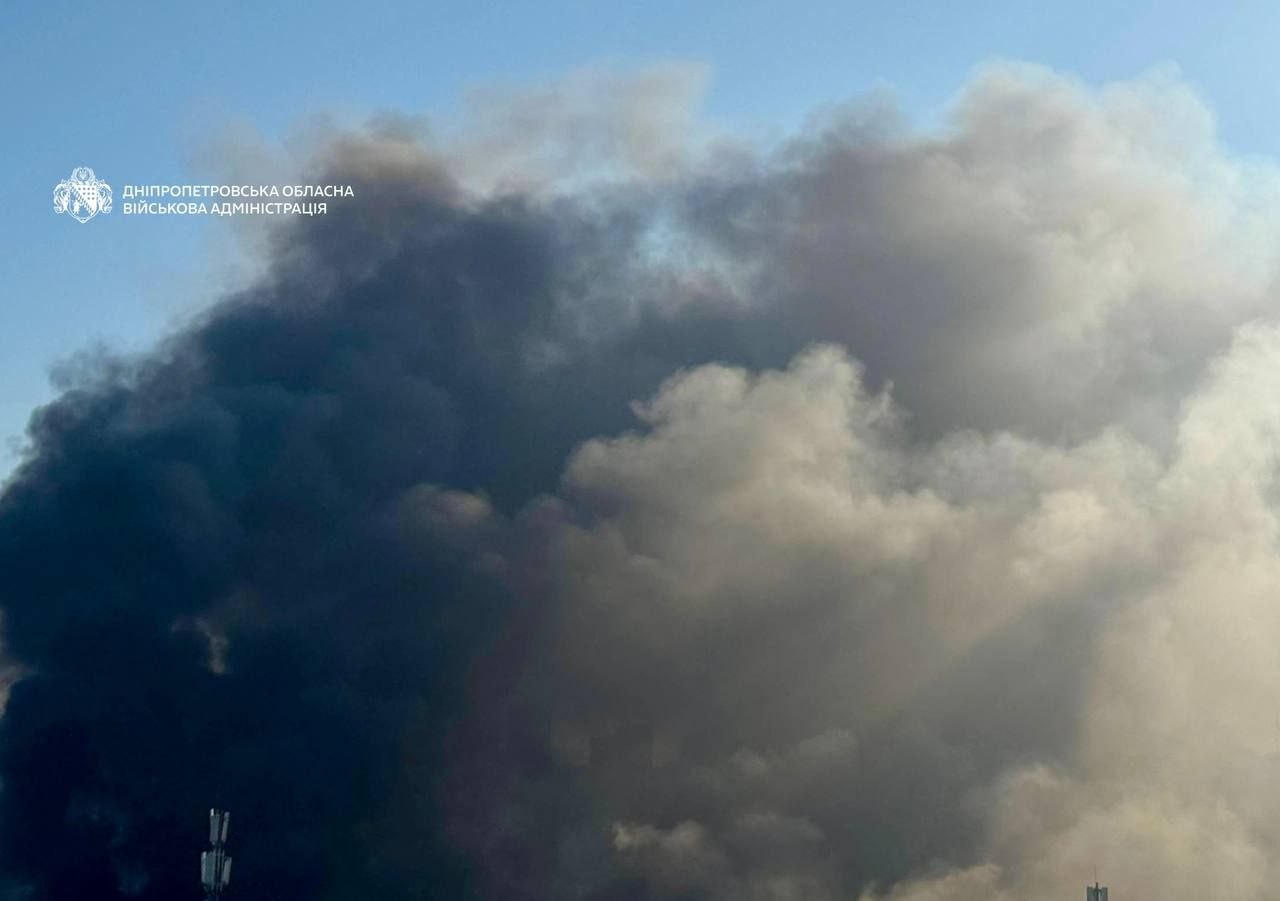
At 05:52 UTC, a separate jet‑drone impact was recorded in Dnipropetrovsk, striking the central Ukrtelcom building. The incident, reported by the intelligence outlet intelslava, resulted in structural damage to the telecommunications hub but, again, no immediate casualty data were disclosed. Three media items—video and photographs—accompanied the report, illustrating the blast crater and emergency crews securing the perimeter.
"A jet drone hit the 'Ukrtelcom' building in the center of Dnipropetrovsk," intelslava, 2026‑10‑04T05:52:30, https://t.me/intelslava/95681
The Dnipropetrovsk strike underscores a pattern of targeting critical infrastructure, aiming to disrupt communications and civilian services in addition to direct kinetic effects.
Ground Advance: Capture of Huliaipilske
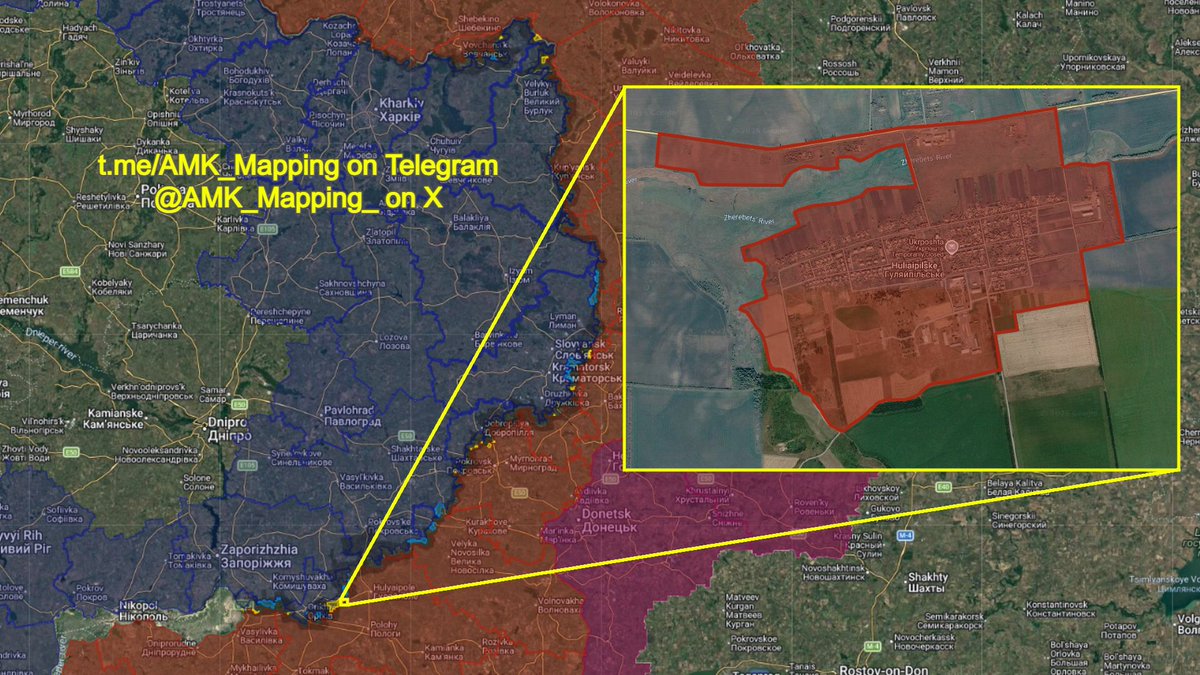
In the southern theatre, Russian ground forces secured the village of Huliaipilske in the Polohy District of Zaporizhzhia Oblast at 02:15 UTC. The village had been contested for four months, with intermittent skirmishes and artillery exchanges. According to monitor_the_situation, Russian troops entered the settlement after a brief artillery barrage, encountering limited resistance from Ukrainian defensive units.
"Russian Forces Capture Huliaipilske in Zaporizhzhia," monitor_the_situation, 2026‑10‑04T02:15:09, https://t.me/monitor_the_situation/34508
While the capture did not involve reported casualties, the strategic location of Huliaipilske—situated near a key supply route linking the frontlines to the industrial hub of Zaporizhzhia—provides Russian forces with a logistical foothold that could facilitate further advances in the oblast.
Humanitarian Context
The kinetic events occur against a backdrop of rising civilian harm. The United Nations Human Rights Office released a report indicating that, in the first eight months of 2026, more than 15,000 Ukrainian civilians have been killed or injured—a 55 % increase over the same period in 2025. The report, disseminated via the Telegram channel monitor_the_situation, highlights a weekly average of over 400 civilian casualties, reflecting the cumulative impact of artillery, aerial strikes, and ground operations.
"UN Report: 15,000 Civilian Casualties in Ukraine in 2026," monitor_the_situation, 2026‑10‑04T02:54:36, https://t.me/monitor_the_situation/34509
These figures provide a quantitative frame for assessing the broader cost of the day’s kinetic actions, emphasizing that each tactical success carries a proportional humanitarian toll.
Analytical Assessment
The coordinated use of Geran‑4/5 drones in Kyiv demonstrates a shift toward precision‑guided, low‑cost aerial weapons capable of penetrating dense urban environments. Their deployment alongside conventional artillery and ground offensives suggests a multi‑domain approach by Russian forces, seeking to stretch Ukrainian defensive resources across air, land, and cyber‑linked infrastructure.
In Dnipropetrovsk, the targeting of a telecommunications hub aligns with a strategic objective to degrade command‑and‑control capabilities, potentially hampering Ukrainian response times and civilian coordination during emergencies.
The capture of Huliaipilske, while modest in scale, illustrates the continued emphasis on territorial consolidation in the south. Control of supply corridors in Zaporizhzhia could enable Russian logistics to sustain forward operations deeper into Ukrainian-held territory, increasing pressure on Kyiv’s southern flank.
Collectively, these events reinforce a pattern of intensified kinetic activity across multiple fronts, with a clear intent to combine aerial shock, infrastructure disruption, and territorial gains. The absence of immediate casualty data for the Kyiv and Dnipropetrovsk strikes does not diminish their operational significance; rather, it underscores the challenges faced by Ukrainian authorities in rapidly assessing and publicising impact metrics amid ongoing hostilities.