On 3 October 2026, the Yemeni Armed Forces launched a large‑scale missile and drone assault on the Coalition command headquarters in Aden, marking the most significant single event in a day of heightened combat across the country. Dozens of ballistic missiles and unmanned aerial vehicles struck the complex, inflicting heavy officer casualties and prompting immediate reports of missing personnel. The attack, documented by the Telegram channel monitor_the_situation, underscores the increasing capability of Yemeni forces to target high‑value Coalition assets.
"Yemeni Forces Strike Coalition HQ in Aden With Missiles and Drones," monitor_the_situation, 03 Oct 2026, https://t.me/monitor_the_situation/34352
The strike employed a mixed salvo of short‑range ballistic missiles and precision‑guided drones, a combination that overwhelmed the base’s air‑defence systems. While exact casualty figures remain unverified, multiple sources confirm that senior officers were among the dead and that several others are unaccounted for. The incident follows a pattern of escalating attacks on Coalition infrastructure, reflecting a strategic shift toward high‑impact, low‑cost weapons.
Nationwide Surge in Hostilities
Concurrent with the Aden attack, the broader conflict intensified dramatically. According to a live‑blog from AlJazeera, Yemeni army units reported 474 separate attacks within a 24‑hour window, resulting in 1,540 Houthi casualties—including both killed and wounded. The tally, released at midnight, highlights the scale of the offensive and the heavy toll on Houthi forces.
"Fighting intensifies across Yemen as the army says 474 attacks in 24 hours killed or wounded 1,540 Houthi fighters," AlJazeera, 03 Oct 2026, https://www.aljazeera.com/news/liveblog/2026/10/3/iran-war-live-fighting-intensifies-in-yemen-hundreds-killed-or-injured?traffic_source=rss
The reported figures encompass a range of engagements, from artillery duels and small‑arms firefights to aerial bombardments. While the exact distribution of casualties across regions is not fully disclosed, the data points to a sustained, multi‑theater offensive by Yemeni government forces and allied militias.
Ground Combat Around Bani Umar
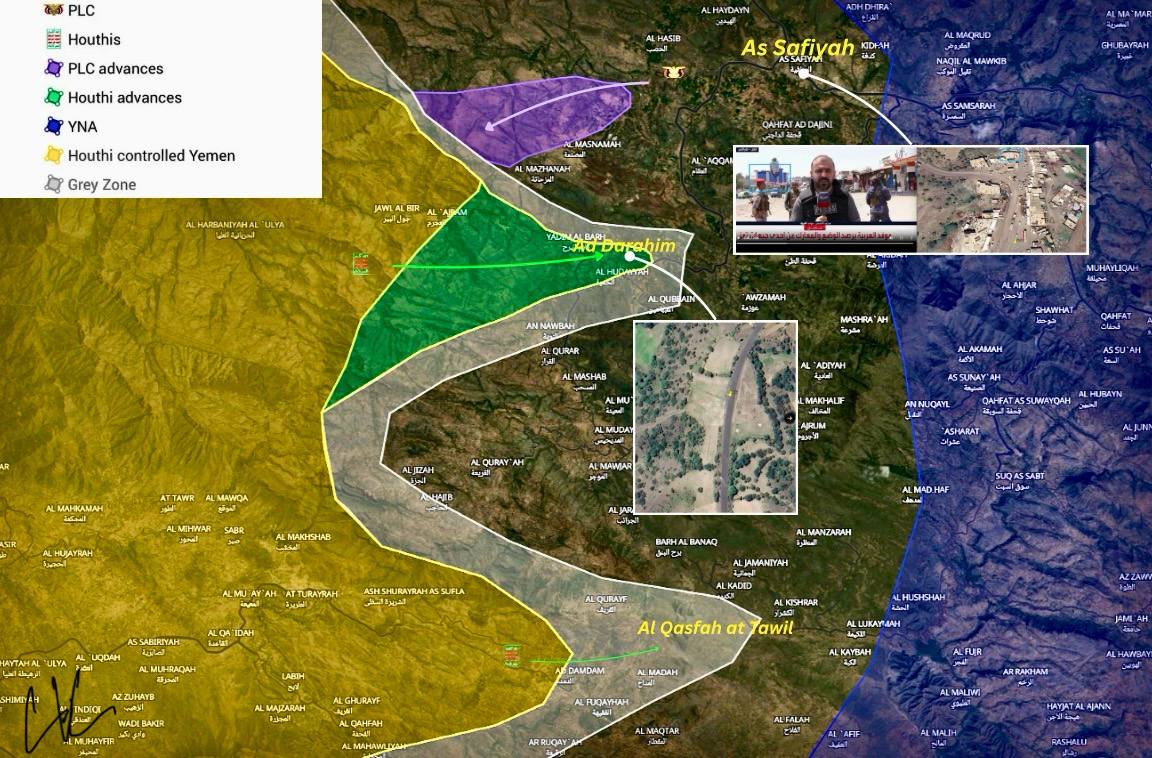
In the northern governorate of Marib, intense fighting erupted around the town of Bani Umar, as documented by the monitoring outlet GeoPWatch. Ansarullah fighters attempted to sever supply routes near the strategic Al Samsara junction, a critical node linking frontline positions. Reports indicate that Ansarullah forces also made incursions into As Safiyah and Ad Darahim, with unconfirmed claims of capturing the Al Qasfah area at Tawil.
"Over the last 24 hours, the front has become extremely fluid with fighting becoming especially intense around the town of Bani Umar as Ansarullah continues to attempt to cut key supply routes near the Al Samsara junction," GeoPWatch, 03 Oct 2026, https://t.me/GeoPWatch/40341
Although no specific weapon systems were identified in the GeoPWatch report, the description of “intense fighting” suggests the use of small arms, mortars, and possibly anti‑tank guided missiles, typical of engagements in this terrain. The fluidity of the front lines indicates that control of supply corridors remains contested, with both sides seeking to secure logistical lifelines essential for sustained operations.
Operational Implications
The coordinated missile strike on the Aden headquarters demonstrates a notable evolution in the Yemeni Armed Forces’ offensive capabilities. By integrating ballistic missiles with drone swarms, the forces achieved a level of strike precision that compromised the Coalition’s command and control infrastructure. This development may compel the Saudi‑led Coalition to reassess its defensive postures, particularly around urban command centers.
Simultaneously, the high casualty count among Houthi fighters—1,540 in a single day—suggests that the Yemeni army’s offensive tempo is exerting significant pressure on rebel formations. The attrition rate could degrade Houthi operational effectiveness, especially if losses include experienced commanders and specialized units.
On the ground, the battle for Bani Umar and surrounding locales highlights the strategic importance of supply routes in Marib. Control of the Al Samsara junction directly influences the ability of both sides to move reinforcements, ammunition, and fuel. The reported attempts by Ansarullah to disrupt these routes may force the Yemeni army to allocate additional resources to protect logistics corridors, potentially diluting offensive momentum elsewhere.
Key Actors and Assets
- Yemeni Armed Forces: Executed the missile and drone barrage on Aden; conducting widespread attacks across the country.
- Coalition (Saudi‑led): Targeted by the Aden strike; suffers officer casualties and potential command disruption.
- Houthi Movement: Suffered 1,540 casualties; facing intensified pressure from government offensives.
- Ansarullah: Engaged in ground assaults around Bani Umar, aiming to cut supply lines.
- PLC forces: Mentioned in GeoPWatch footage as opposing Ansarullah advances.
Conclusion
The events of 3 October 2026 illustrate a marked escalation in Yemen’s conflict dynamics. A high‑profile missile and drone attack on a Coalition command hub, combined with a surge in nationwide engagements that have inflicted heavy Houthi losses, points to a concerted effort by Yemeni government forces to shift the strategic balance. Ground battles in the Marib region further underscore the contest for logistical dominance. Monitoring agencies will need to track subsequent Coalition responses, potential retaliatory strikes, and the evolving front‑line configurations around key supply routes.