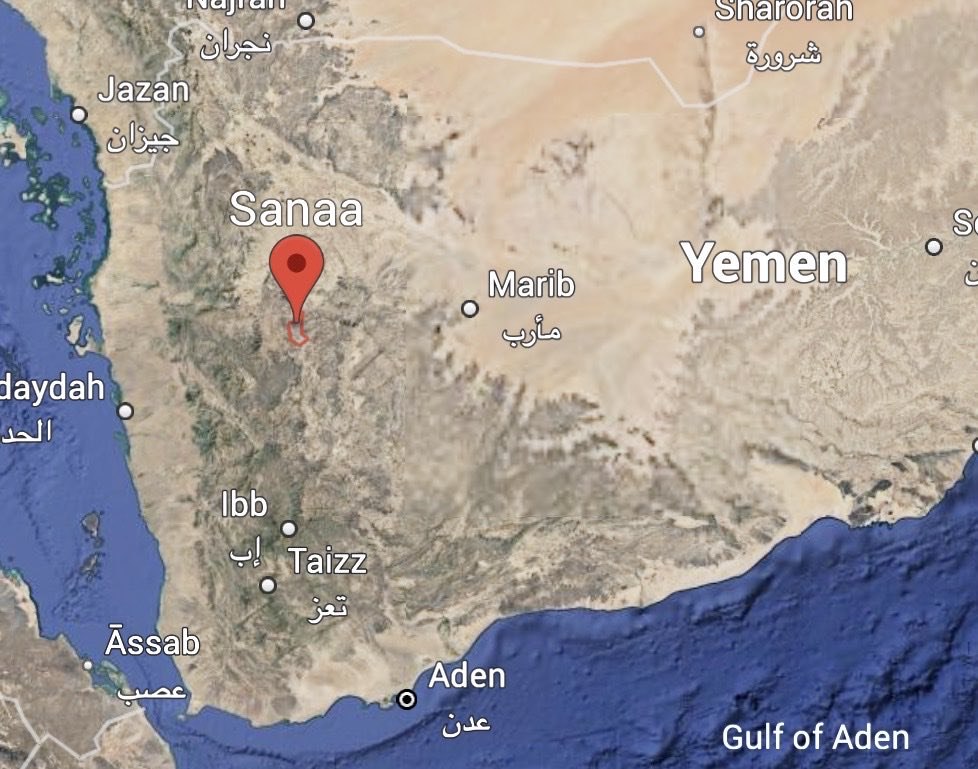
The Yemeni army announced on Monday that it had killed more than 1,500 Houthi fighters in the previous 24 hours and secured the strategic crossing linking al‑Houban to government‑held Taiz. The claim, reported by Al Jazeera, marks the most lethal single‑day casualty count for either side since the conflict escalated in 2015.
"Yemen’s army says it has killed over 1,500 Houthi fighters in the past day and has closed a key crossing between al‑Houban and Taiz," Al Jazeera reported.
The crossing, a vital supply artery for Houthi‑controlled territories, now lies under government control, potentially restricting rebel logistics and limiting movement of weapons and personnel between the northern highlands and the southern front.
Saudi Air Campaign Targets Sanaa
In parallel, the Royal Saudi Air Force (RSAF) intensified its aerial campaign over the capital, Sanaa. Two separate reports from Telegram channels intelslava and monitor_the_situation documented airstrikes at 10:13 UTC and 12:51 UTC respectively. The strikes focused on locations identified as Houthi leadership compounds and command‑and‑control facilities.
Both channels confirmed the use of fixed‑wing aircraft, though specific weapon systems were not disclosed. Video and photographic evidence accompanying the reports show smoke plumes and damaged structures in central Sanaa, underscoring the RSAF’s continued effort to degrade Houthi command structures.
Ground Battles Shift in Southern Taiz
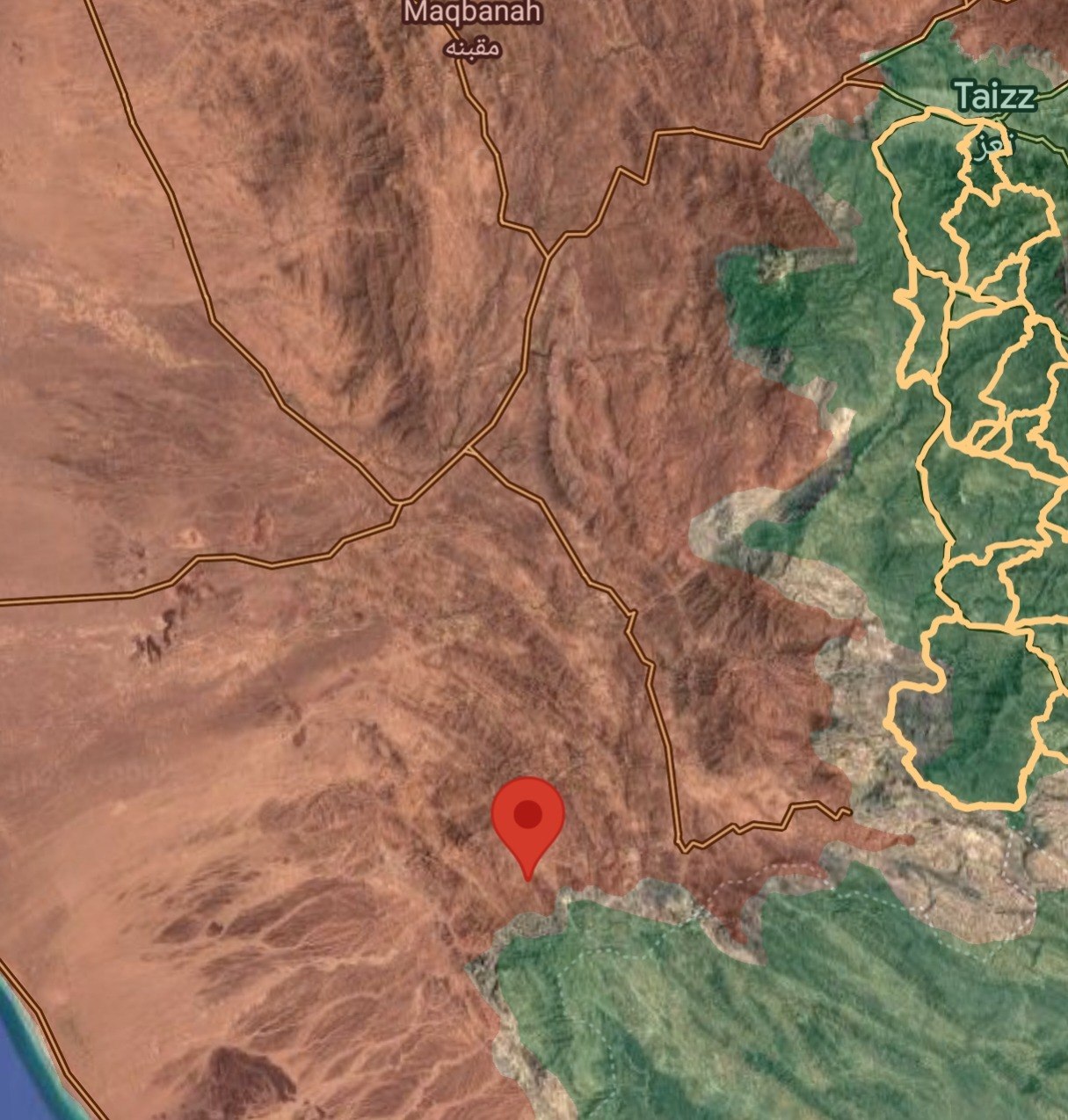
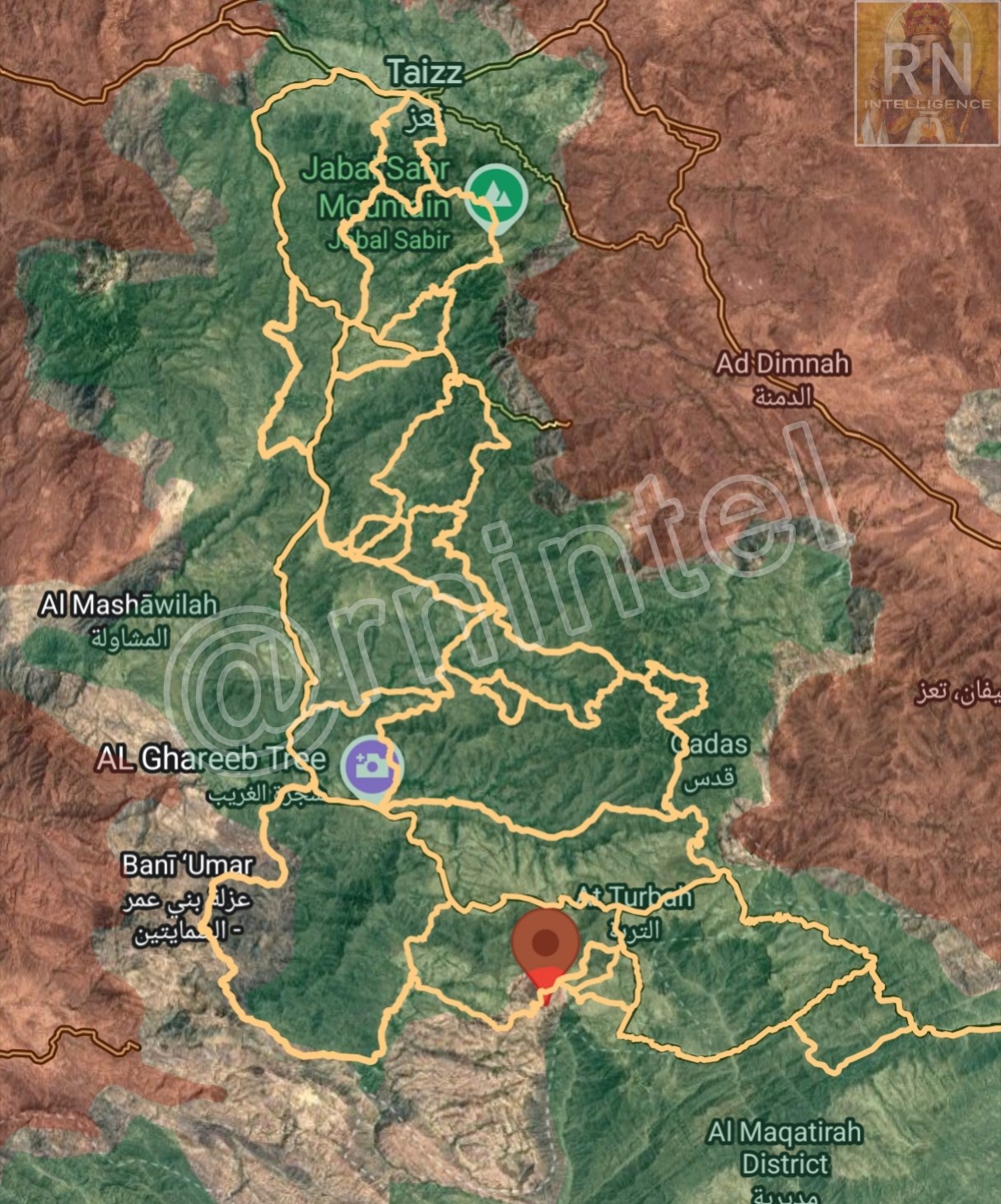
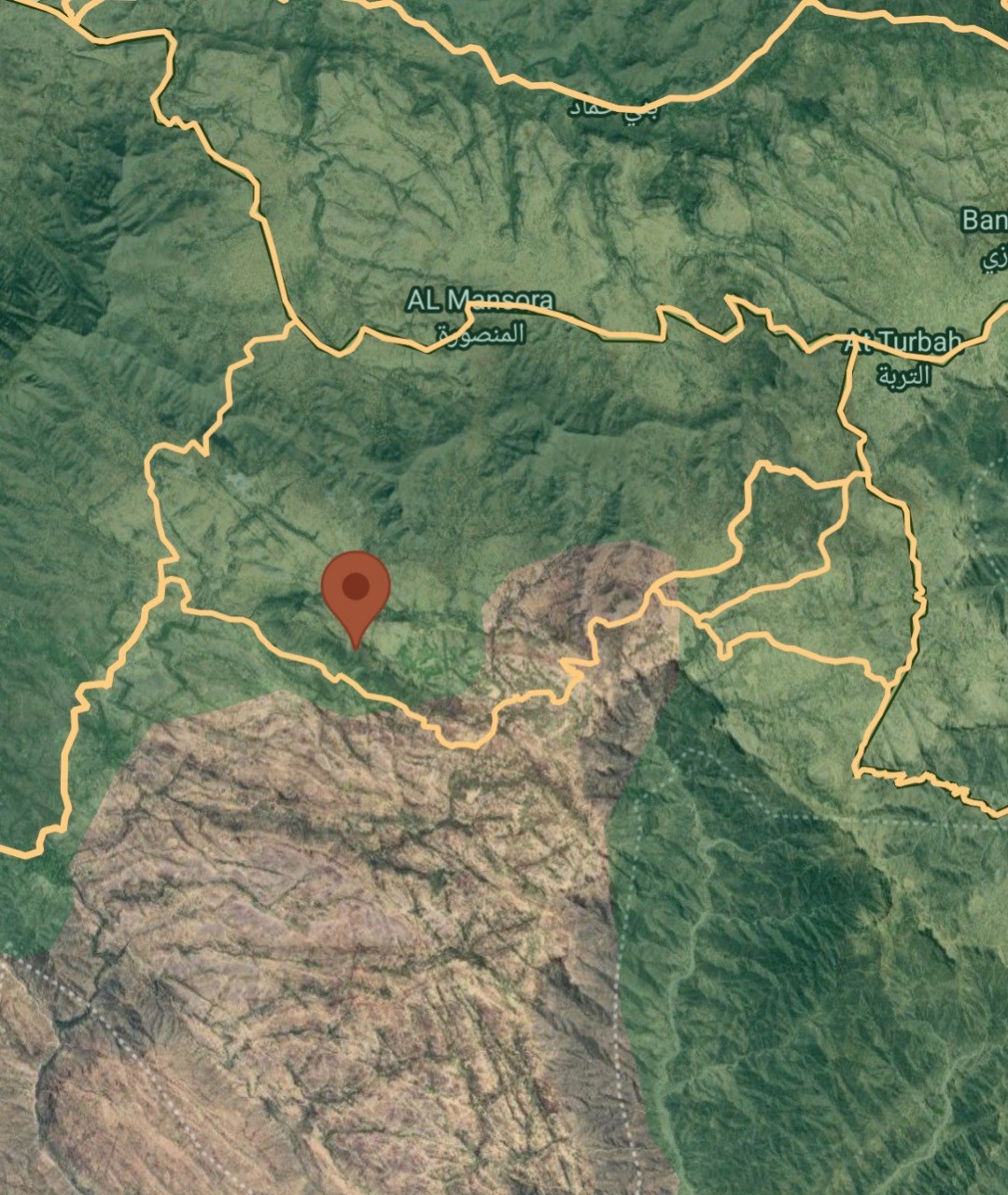
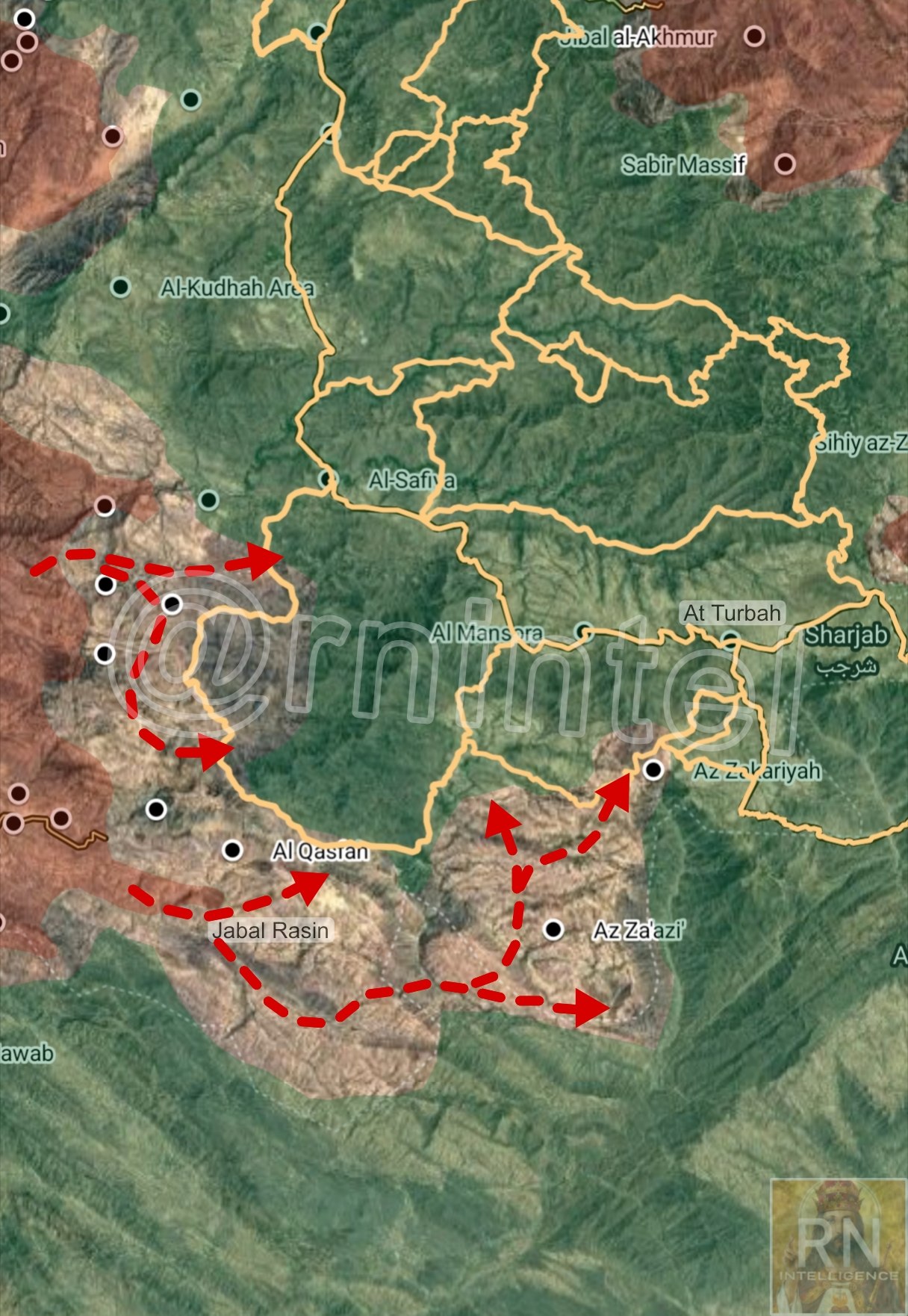
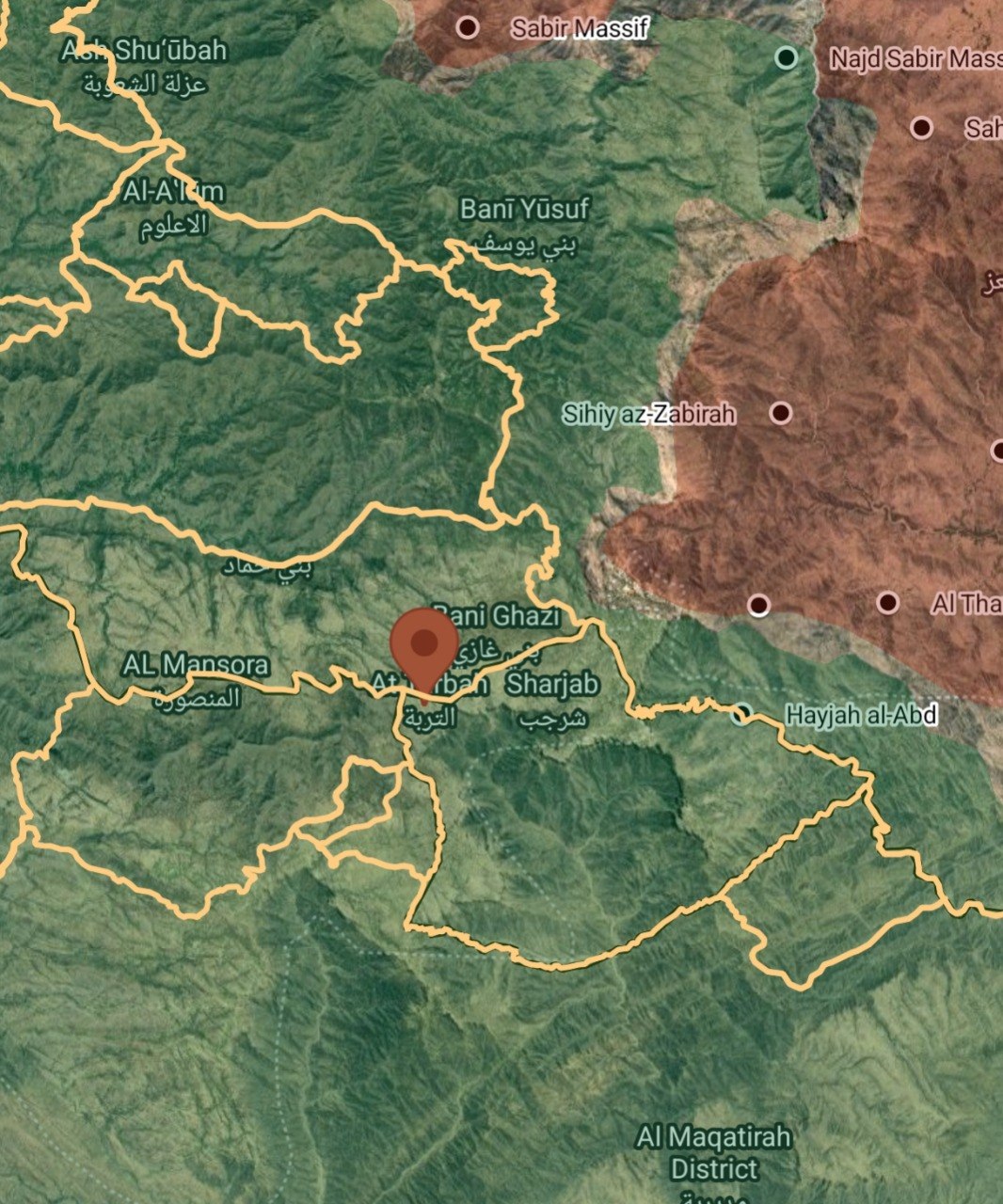
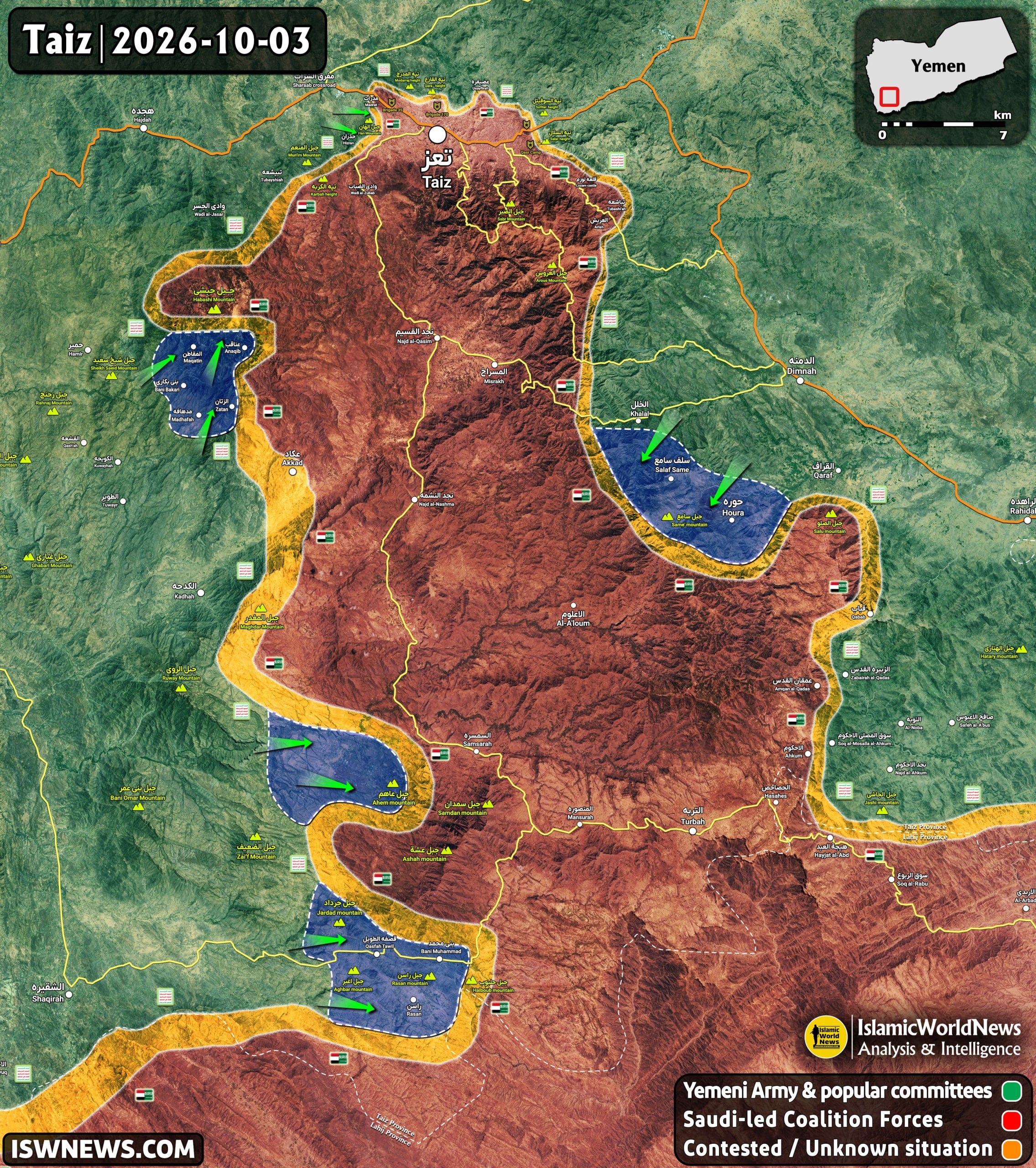
Southern Taiz Governorate witnessed a cascade of ground movements throughout the day. Early afternoon reports from the RNIntel channel documented a series of Houthi (Ansarullah) advances south of At Turbah, capturing multiple heights—including Bani Omar, Jabal Jirdad, and Jabal Rasin—and villages such as Az Za'azi and Az Zakariyah. The advances extended the rebel front up to 5.3 km toward At Turbah, a key logistical hub linking Taiz’s supply routes.
Concurrently, Popular Committee (PLC) forces experienced a rapid collapse south of At Turbah, as noted by RNIntel at 14:30 UTC. By 15:13 UTC, PLC units were reported launching desperate counter‑attacks in Az Zakirah, but these efforts failed to halt the Houthi momentum.
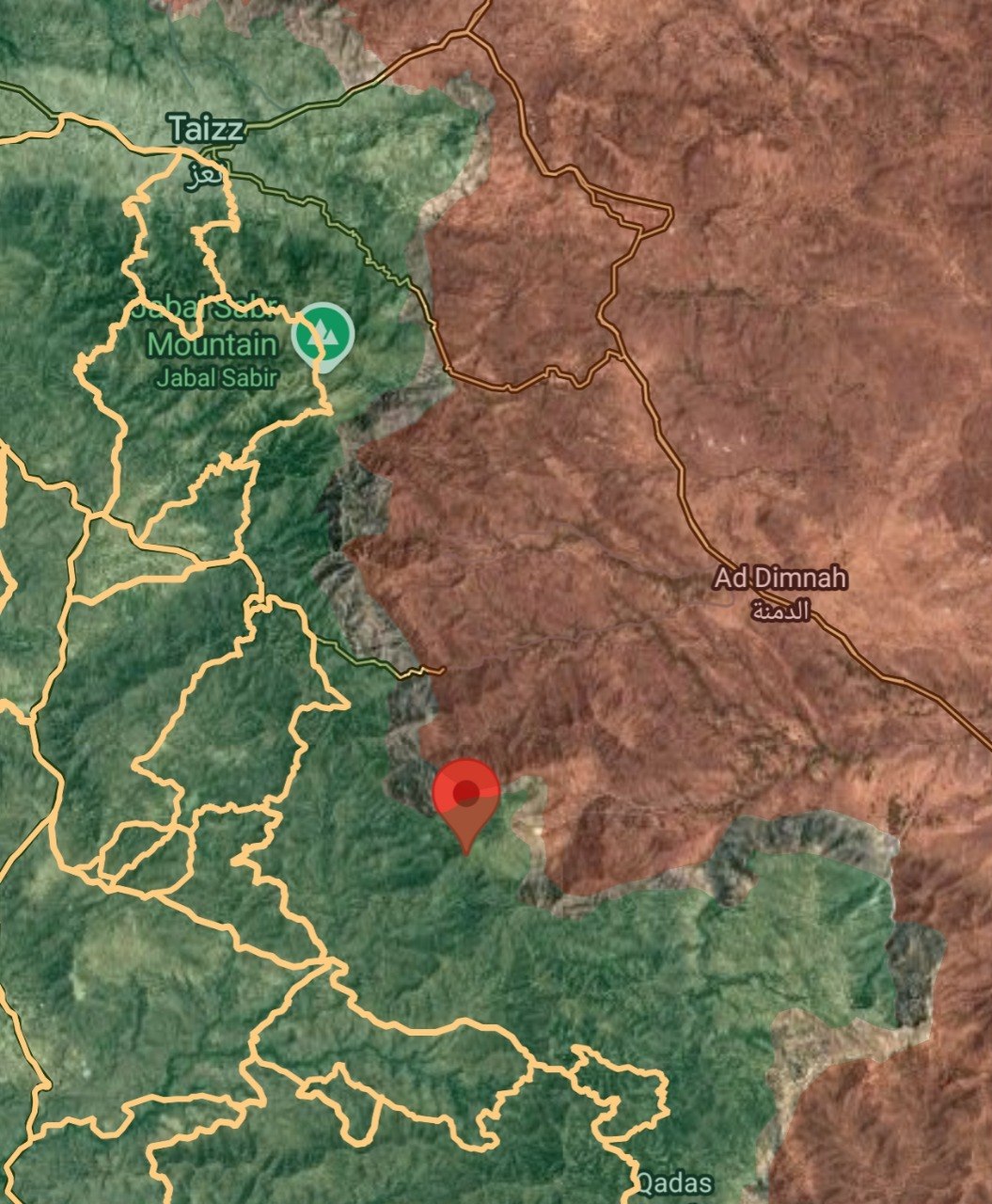
Additional footage released by RNIntel at 14:57 UTC showed Ansarullah forces seizing Jabal Muqarmah, further consolidating high‑ground positions that dominate the surrounding valleys. The capture of these elevations provides the rebels with artillery observation points and hampers government attempts to re‑establish a defensive line.
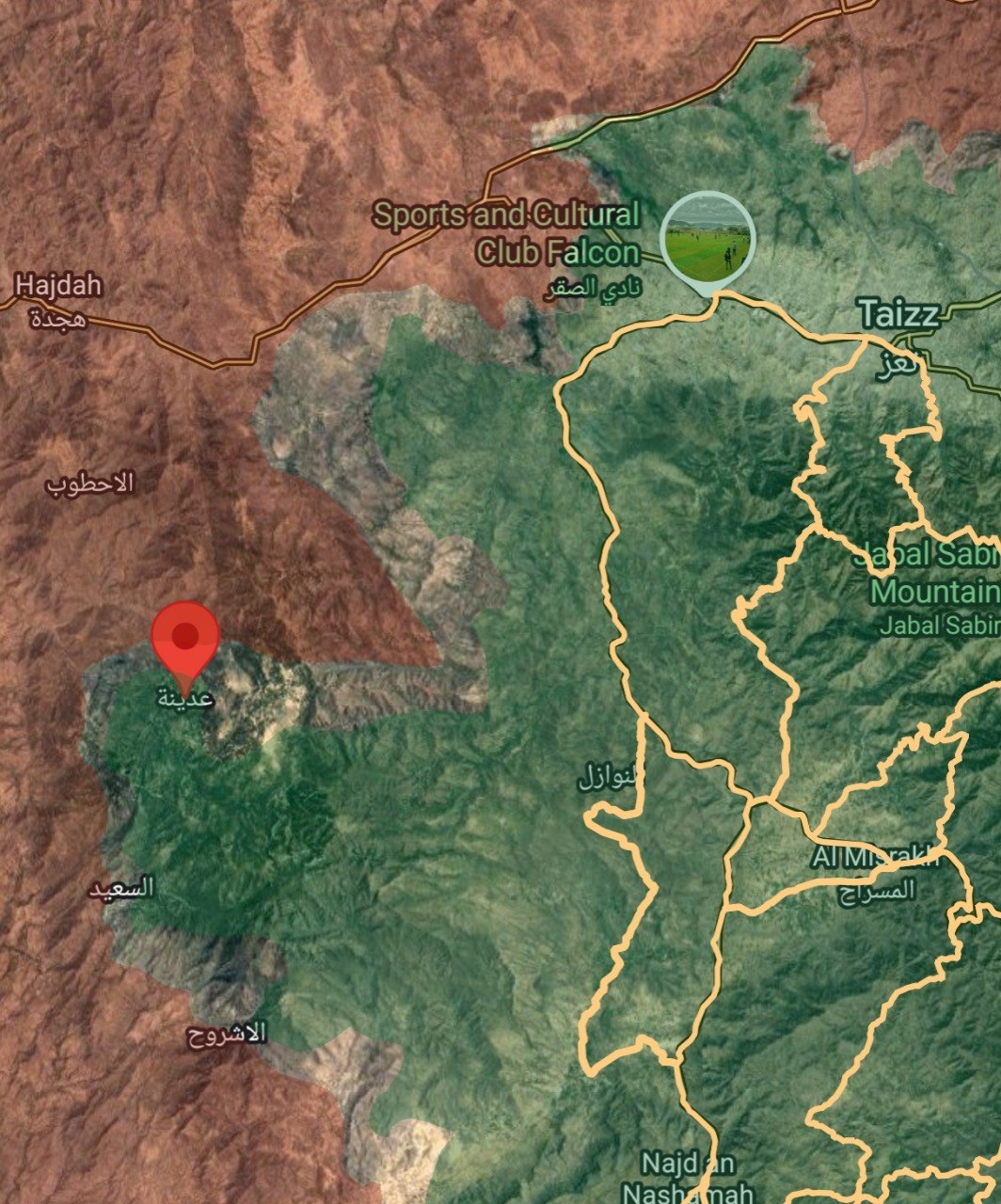
Yemeni Army (Ansarallah) units, however, continued limited offensive actions west of Taiz, targeting key heights that encircle the PLC garrison. A CIG_telegram post at 12:53 UTC described a gradual encirclement of the PLC‑held city, indicating a methodical, albeit slower, push compared with the rapid Houthi gains elsewhere.
Planned Saudi Ground Offensive at Bab al‑Mandeb
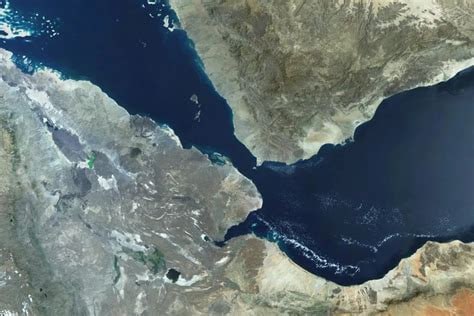
On the strategic maritime front, Saudi Arabia announced plans for a large‑scale ground offensive aimed at retaking the Bab al‑Mandeb Strait from Houthi control. An OSINTdefender post at 16:29 UTC outlined a coordinated operation involving Yemeni troops supported by Saudi airstrikes, with a projected force size exceeding 100,000 personnel.
The Bab al‑Mandeb is a chokepoint for global oil shipments; its control has significant economic and security implications. While the offensive is slated for the coming weeks, the announcement signals Saudi intent to project power beyond the Yemeni mainland and secure maritime traffic lanes.
Collectively, these developments illustrate a multi‑theater escalation: intense ground combat in Taiz, sustained aerial pressure on the Houthi capital, and strategic planning for a maritime‑focused ground campaign. The convergence of high casualty claims, territorial shifts, and broader operational planning suggests a potential inflection point in the Yemeni conflict, with implications for regional stability and international shipping.