On 3 October 2026, the Russian Ministry of Defence announced a coordinated missile operation that struck three strategic assets in Ukraine: the Northern Road Bridge over the Dnieper in Kyiv, a logistics centre in Hostomel, and a dry‑cargo vessel navigating the northwestern Black Sea toward Odesa. The attacks represent the most significant single‑day disruption to Ukrainian transport infrastructure recorded this month, according to the monitoring channel monitor_the_situation.
Russian Rocket Strikes Disrupt Kyiv and Hostomel Logistics
At 05:01 UTC, Russian forces launched missiles that hit the Northern Road Bridge, a key arterial crossing that supports both civilian traffic and military logistics. Mayor Vitali Klitschko confirmed that the bridge surface was damaged and the overhead trolleybus power lines were severed, forcing an immediate halt to all vehicular movement across the span.
"The bridge is currently unsafe for any traffic, and trolleybus services have been suspended until repairs can be completed," Klitschko told local media.No casualties were reported in the bridge strike, but the interruption is expected to delay the movement of supplies destined for the front lines.
Simultaneously, at 05:36 UTC, Russian missiles targeted the Hostomel logistics centre, a major hub for the storage and distribution of military materiel north of Kyiv. The strike damaged several warehouses and a portion of the adjacent rail yard, temporarily halting outbound freight trains. According to the same source, the Russian MoD also claimed to have hit a dry‑cargo ship in the northwestern Black Sea, though independent verification of the maritime strike remains pending. Casualty figures for the Hostomel attack have not been released, and the Russian statement did not provide damage estimates beyond the initial description.
Ukrainian Drone Operations Target Russian Infrastructure
In a parallel escalation, Ukrainian forces employed mid‑range unmanned aerial systems (UAS) to strike energy infrastructure in Donetsk City at 05:59 UTC. The drones caused localized power outages, affecting residential districts and industrial facilities. While the incident did not result in reported injuries, the loss of electricity hampers both civilian life and the operational capacity of Russian‑aligned enterprises in the region.
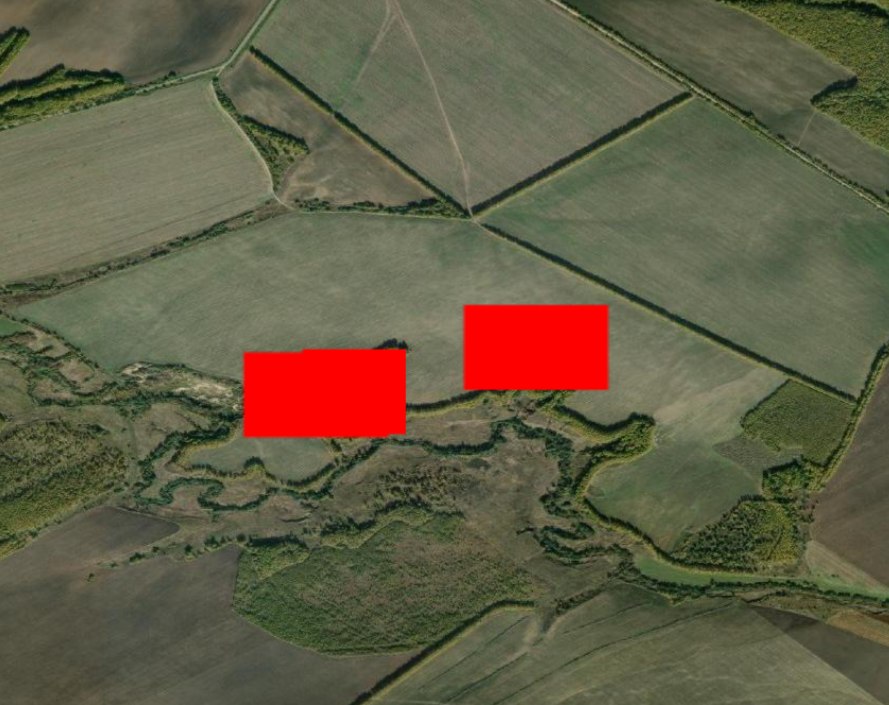
Later that morning, at 05:53 UTC, Ukrainian drones reached across the border to the Tsumbulova Test Site in Oryol Oblast, Russia. Satellite‑derived fire detection data from NASA FIRMS confirmed multiple large fires ignited at the facility, which is Russia’s primary launch site for Geran‑2, Geran‑4, and Geran‑5 drones. The attacks generated extensive smoke plumes visible from space and are believed to have disrupted ongoing drone production and testing activities. No Russian casualties were reported, but the destruction of critical test infrastructure represents a strategic setback for Russia’s UAV development programme.
Implications for Regional Logistics
The synchronized nature of these strikes underscores a heightened focus on logistics nodes that sustain front‑line operations. The damage to Kyiv’s Northern Road Bridge directly impedes the flow of reinforcements and supplies between the capital and northern battle zones. Hostomel’s logistics centre, historically a conduit for both humanitarian aid and military equipment, now faces a backlog of cargo awaiting rerouting to alternative rail and road corridors.
Ukrainian drone attacks on Russian energy and drone‑test facilities aim to erode the adversary’s capacity to maintain its own supply chains. By targeting the Tsumbulova Test Site, Kyiv seeks to diminish the availability of Russian‑produced UAVs that have been employed in recent months for reconnaissance and strike missions across the Ukrainian theatre.
Analysts note that while the immediate human toll of these operations appears limited, the cumulative effect on logistical throughput could be substantial. Disruptions to rail and road networks in the Kyiv region may force Ukrainian commanders to rely on longer, less secure supply routes, increasing exposure to interdiction. Conversely, the degradation of Russian drone production may reduce the frequency of aerial attacks on Ukrainian positions, potentially altering the tactical balance in contested zones.
All events were reported by the open‑source monitoring channel monitor_the_situation and are corroborated by publicly available satellite imagery and statements from local officials. The Russian Ministry of Defence’s claims remain unverified by independent observers, and casualty figures have not been disclosed for any of the incidents.