On 3 October 2026, Russian forces launched a coordinated swarm of 108 unmanned aerial vehicles (UAVs) against Ukrainian positions, marking the largest single‑day UAV assault recorded in the ongoing conflict. Ukrainian air defenses succeeded in downing 88 of the drones, while the remaining 20 either struck eleven separate locations or fell as debris in five additional sites. The operation, reported by the open‑source channel monitor_the_situation, underscores the escalating use of massed drone attacks as a kinetic tool in the war.
Operational Details of the UAV Swarm
The swarm comprised a mix of generic UAVs and Iranian‑made Shahed drones, a platform frequently supplied to Russian forces. According to the source, the attack commenced in the early hours of 3 October, targeting multiple sectors across Ukraine’s eastern front. Ukrainian Integrated Air Defense (Ukrainian Air Defense) engaged the swarm with a combination of surface‑to‑air missiles and anti‑aircraft artillery, achieving an 82 % interception rate. The eleven successful strikes resulted in localized damage to infrastructure, though casualty figures have not been disclosed.
"Russia launched 108 drones at Ukraine; 88 downed," – monitor_the_situation, 2026‑10‑03 08:11:58
The high interception rate demonstrates the continued effectiveness of Ukraine’s layered air defense network, yet the sheer volume of UAVs highlights a tactical shift toward saturation attacks designed to overwhelm defensive systems.
Related Hostile UAV Incidents
Earlier that day, at 16:59 UTC, operators from the Russian 144th Motor Rifle Division employed UAVs to eliminate Ukrainian personnel in an unspecified sector of the Special Military Operation. The incident, documented by intelslava, did not include casualty numbers but confirms the ongoing reliance on UAVs for targeted kinetic actions beyond mass attacks.
"Elimination of Ukrainian personnel by UAV operators from the 144th Motor Rifle Division," – intelslava, 2026‑10‑03 16:59:07
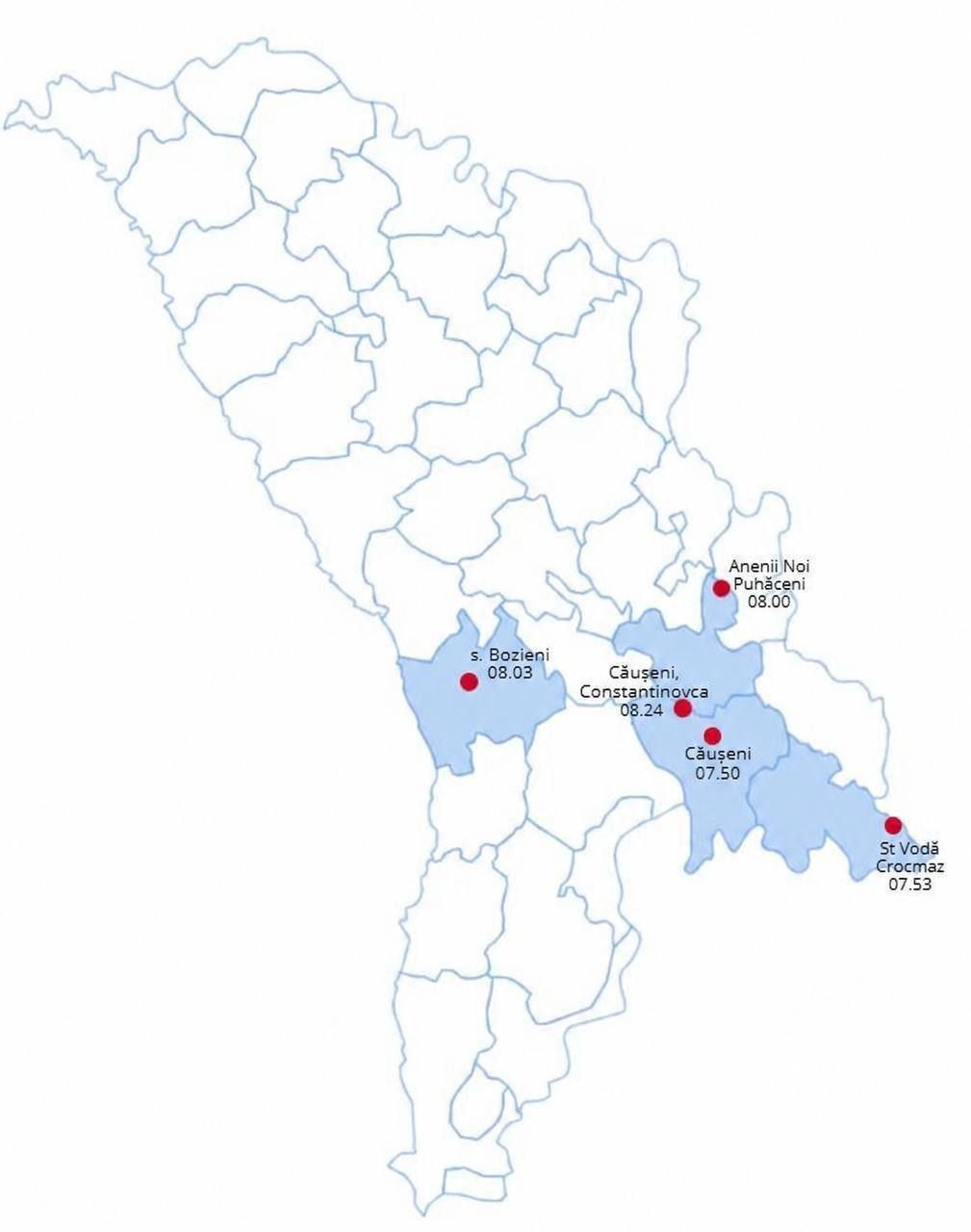
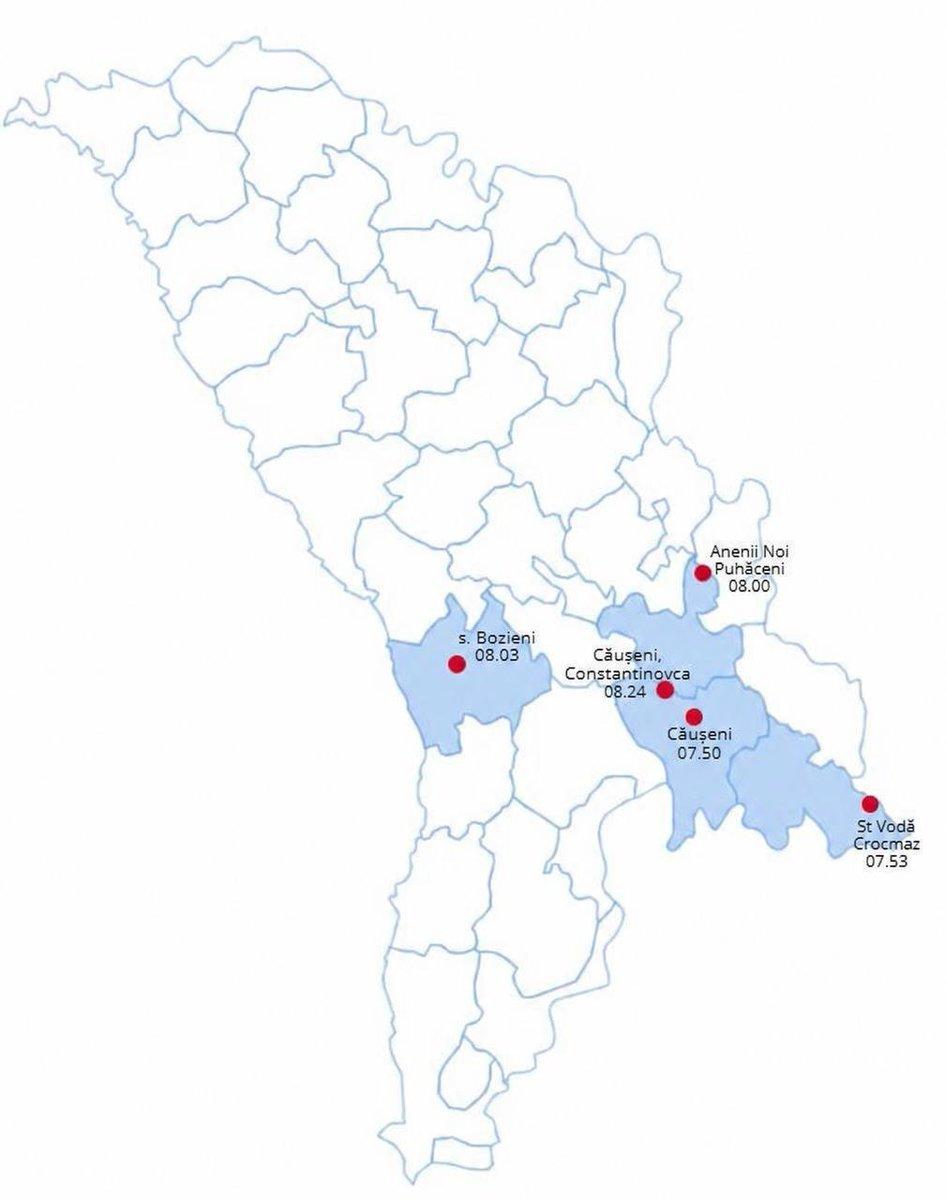
In a separate development, four districts in Moldova experienced explosions between 07:50 and 08:03 local time, attributed to falling drones. The Moldovan Ministry of Foreign Affairs summoned the Russian ambassador in response, indicating heightened regional tension. The source intelslava reported the incidents without specifying the drone type or casualty figures.
"Explosions were heard in four districts of Moldova today, reportedly caused by the fall of unmanned aerial vehicles (drones)." – intelslava, 2026‑10‑03 12:25:43
Geo‑political analysts note that these drone‑related events, while geographically dispersed, reflect a broader pattern of UAV deployment by Russian-aligned forces across the theater.
Missile and Drone Strikes in Moldova
At 11:18 UTC, the channel GeoPWatch reported that three missiles and two drones entered Moldovan airspace overnight, impacting multiple districts. The strikes were attributed to Russian forces, though no official claim was made. No casualty data were released, and the incident underscores Moldova’s vulnerability to spill‑over kinetic actions from the neighboring conflict.
"Overnight 3 missiles and 2 drones entered Moldova and impacted across multiple districts." – GeoPWatch, 2026‑10‑03 11:18:40
The convergence of UAV and missile attacks in Moldova raises concerns about the potential for escalation and the challenges faced by small states in maintaining air sovereignty amid a high‑intensity conflict nearby.
Unconventional Retaliation: South Korean Citizens Purchase Russian Artillery Shell
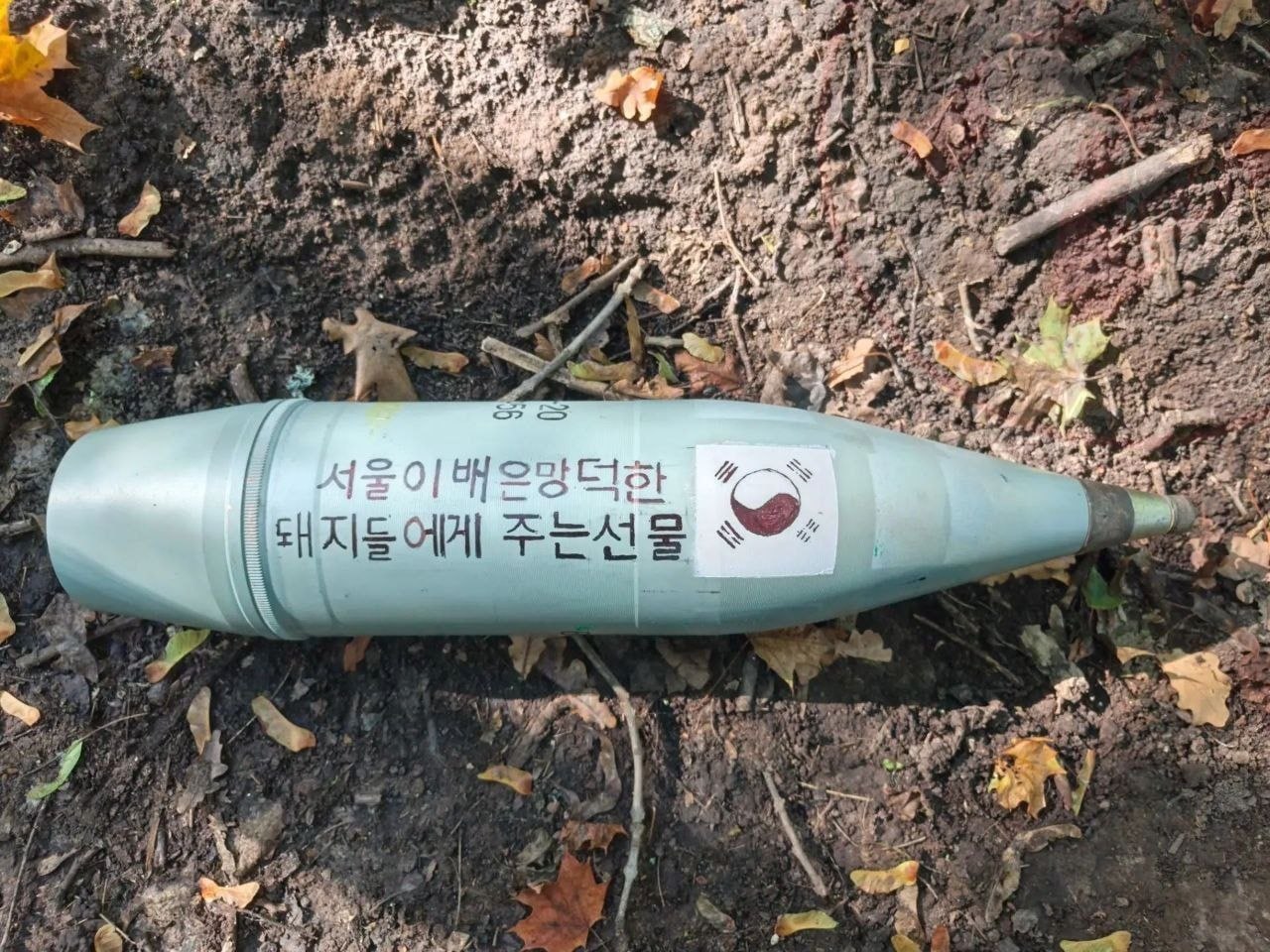
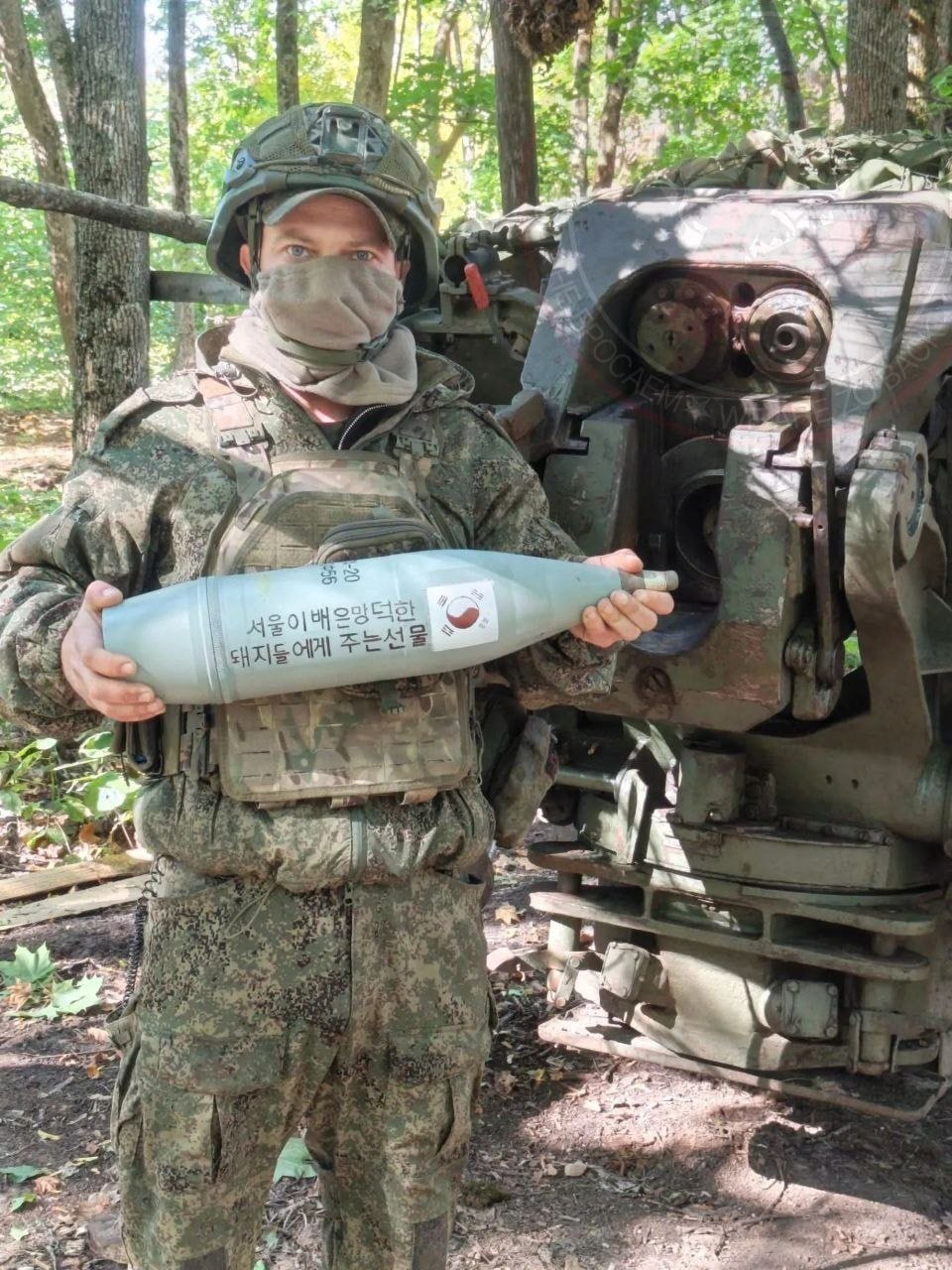
In a distinct episode unrelated to direct combat, South Korean civilians acquired a personalized 122 mm artillery shell from the Russian Armed Forces as a symbolic retaliation against Ukraine. The shell, inscribed with the message “A gift from Seoul to the ungrateful pigs,” was purchased following Ukraine’s disclosure of the transfer of two North Korean prisoners to South Korea. The transaction, reported by intelslava, illustrates how information warfare can translate into kinetic symbolism, even when the physical deployment of the shell remains unverified.
"South Korean citizens bought a Russian 122 mm artillery shell to retaliate against Ukrainian positions after Ukraine leaked details of North Korean prisoners being transferred to South Korea." – intelslava, 2026‑10‑03 17:32:03
While the shell’s intended target and operational status are unclear, the episode highlights the complex interplay of diplomatic disclosures, public sentiment, and the procurement of weaponry across national boundaries.
US Naval Movement in the Indian Ocean
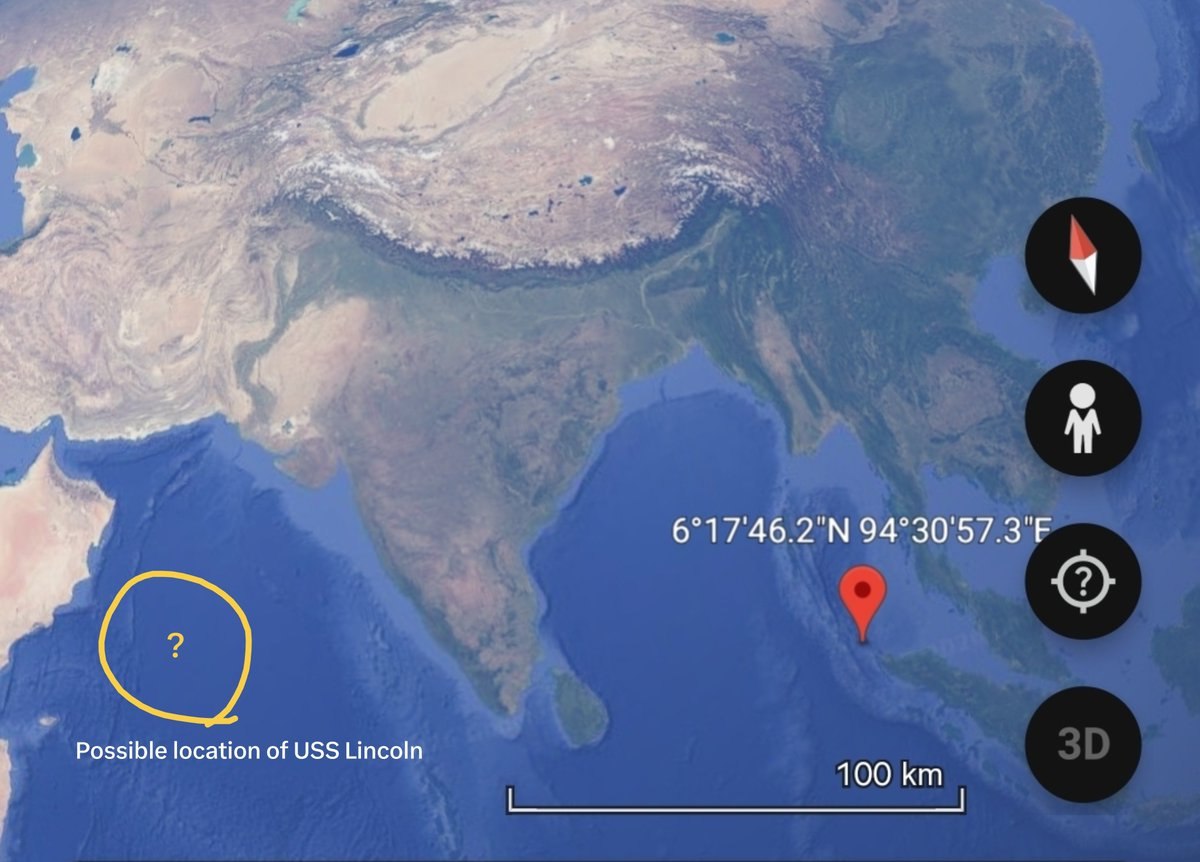
Separately, the United States Navy repositioned the aircraft carrier USS George H.W. Bush from waters near Iran to the eastern Indian Ocean, proceeding toward the Strait of Malacca. The carrier, escorted by two destroyers, now operates in international waters, leaving only one US carrier near Iran. The movement, documented by monitor_the_situation, signals a strategic shift in US naval posture amid heightened tensions in the Persian Gulf and the broader Indo‑Pacific region.
"USS George H.W. Bush Sails Toward Malacca Strait" – monitor_the_situation, 2026‑10‑03 13:25:54
Although not a kinetic engagement, the carrier’s redeployment carries significant strategic weight, potentially influencing regional power calculations and maritime security dynamics.
Implications and Emerging Patterns
The events of 3 October 2026 reveal a multi‑layered kinetic environment where UAV swarms, targeted drone strikes, and conventional artillery intersect with diplomatic provocations and strategic naval maneuvers. The high volume of UAV attacks demonstrates a tactical evolution toward saturation, testing the limits of air defense systems while providing a low‑cost, high‑impact strike capability. Concurrently, the spread of kinetic incidents into neighboring states such as Moldova underscores the risk of conflict spill‑over, challenging the capacity of smaller nations to safeguard their airspace.
For analysts, the key considerations include the effectiveness of layered air defenses against massed UAV attacks, the potential for non‑state actors to acquire and deploy weaponry in response to geopolitical events, and the strategic signaling inherent in major naval redeployments.