On 3 October 2026 a series of violent incidents unfolded across the Middle East and Africa, highlighting a widening spectrum of security threats. While the deadliest event was an Israeli airstrike that struck a densely populated neighbourhood in Gaza City, simultaneous developments in the Red Sea, Sudan and the United Arab Emirates revealed the complex, multi‑theater nature of contemporary conflict dynamics.
Israeli Airstrike in Gaza City
At 02:25 GMT an Israeli airstrike hit the Reman neighbourhood of Gaza City, one of the most crowded districts in the Gaza Strip. According to Al Jazeera, the attack killed at least five civilians and caused extensive damage to residential buildings. No warning was issued before the strike, a detail confirmed by eyewitness accounts and the outlet’s on‑the‑ground reporting.
"No warning was given before the deadly Israeli attack hit Reman, one of Gaza City's most crowded neighbourhoods," Al Jazeera reported.
The strike was part of a broader pattern of aerial operations that have intensified since the start of the current escalation. While the specific weapon system used was not disclosed, the incident underscores the high civilian risk inherent in urban air campaigns. The source channel for this information is Al Jazeera’s RSS feed (https://www.aljazeera.com/news/2026/10/3/israeli-air-attack-on-gaza-city-apartment-kills-at-least-five?traffic_source=rss).
Iranian Naval Action in the Red Sea
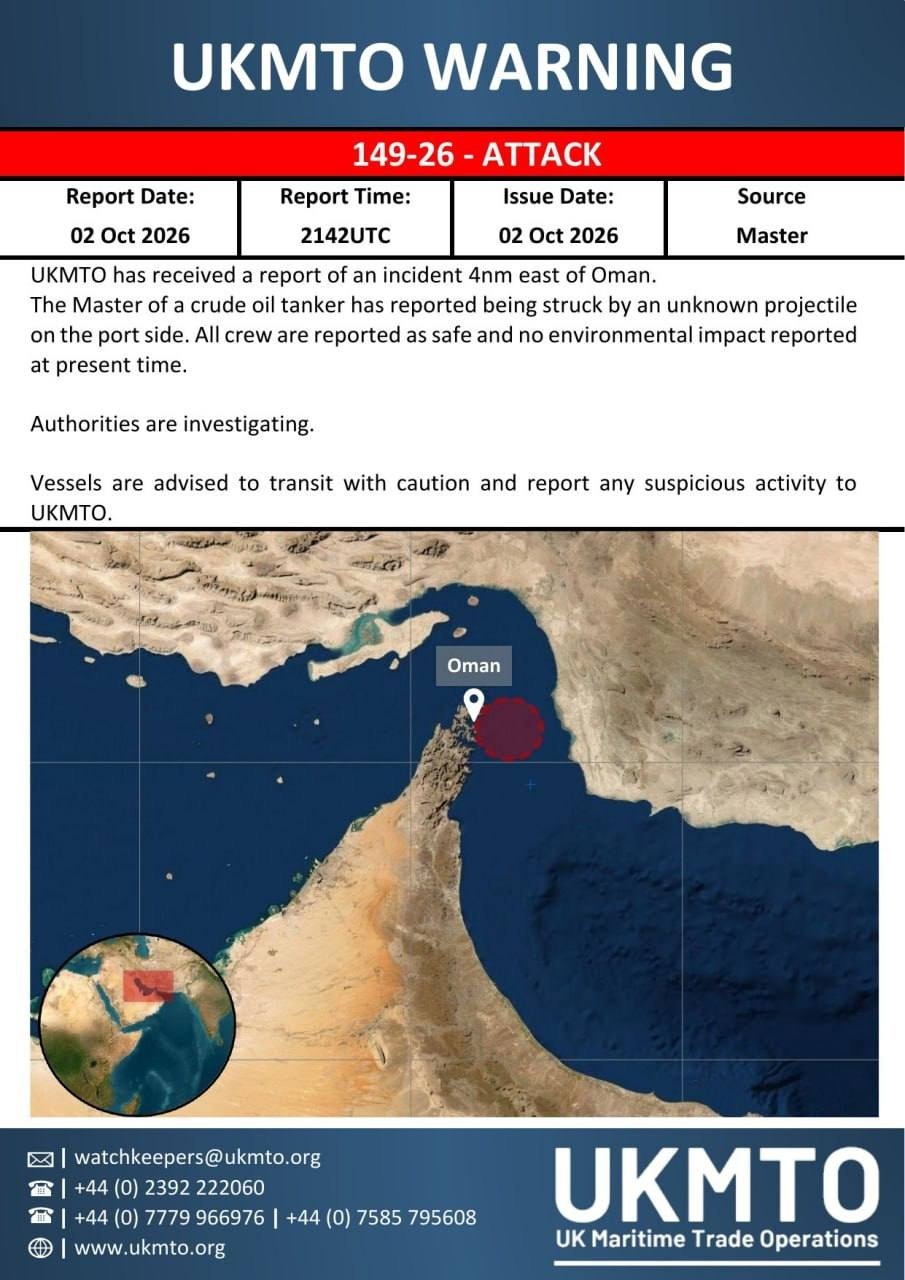
Earlier that morning, at 00:30 GMT, the United Kingdom Maritime Trade Operations (UKMTO) confirmed that Iran struck a second commercial vessel in the Red Sea. The incident, reported by the monitoring service GeoPWatch, resulted in no casualties, and the extent of damage to the vessel remains unverified. The strike follows a series of maritime confrontations in the region, reflecting Iran’s willingness to project power against shipping lanes it deems hostile.
GeoPWatch’s brief noted that the vessel’s identity and exact location were not disclosed, and the organization did not specify the weapon employed, suggesting a possible missile or drone attack. The source URL for the report is https://t.me/GeoPWatch/40340.
Sudanese Armed Forces Recapture Al‑Mazroub
At 04:54 GMT, Sudanese Armed Forces (SAF) announced the recapture of al‑Mazroub, a strategic town in North Kordofan, from the Rapid Support Forces (RSF). The operation, detailed by the Telegram channel monitor_the_situation, marked a significant tactical gain for the SAF, potentially disrupting RSF supply routes in the region.
The announcement described the town’s seizure as part of a broader campaign to isolate RSF strongholds. No casualty figures were released, and the report did not specify the weapons used, indicating a conventional ground engagement. The source channel is the Sudan war monitor on Telegram (https://t.me/monitor_the_situation/34375).
Omani Pilot Identified in Flydubai Hijack Plot
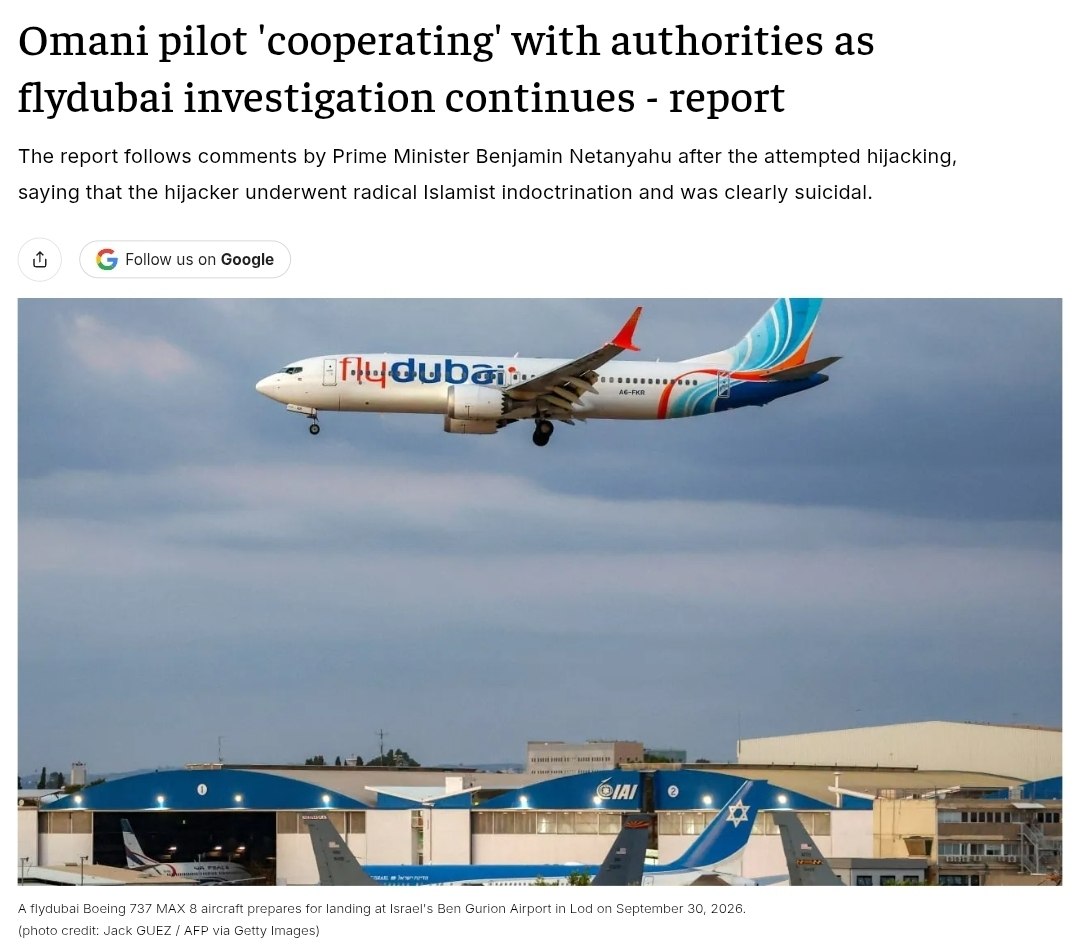
In a separate security development, GeoPWatch reported at 01:00 GMT that Omani authorities have identified a 29‑year‑old pilot, Hamam al‑Hammami, who attempted to hijack a Flydubai aircraft with the intention of crashing it in Israel. The pilot, who was grounded by Omani officials after being flagged for radical views, is now cooperating with investigators in the United Arab Emirates.
The incident, which occurred earlier in the week, did not result in any injuries, and the aircraft was safely diverted. While the exact method of the attempted hijack was not disclosed, the case illustrates the transnational nature of extremist threats targeting civil aviation. The source URL is https://t.me/GeoPWatch/40342.
Collectively, these events demonstrate a pattern of escalating violence that spans conventional warfare, maritime coercion, and terrorist-inspired plots. The convergence of state and non‑state actors across disparate theatres underscores the need for coordinated monitoring and response mechanisms.