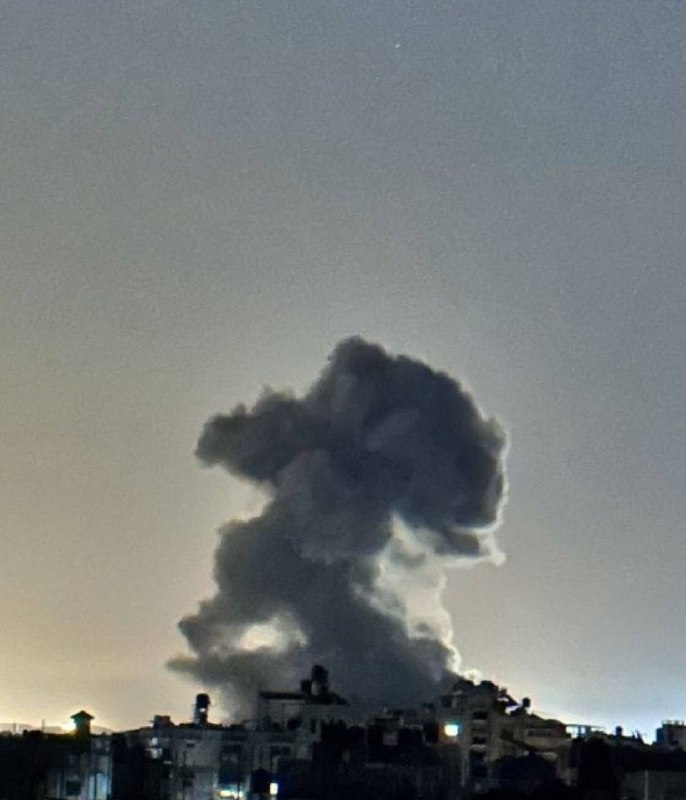
In the early hours of 2 October 2026, Russian forces launched a coordinated series of drone and missile strikes that targeted critical civilian and energy infrastructure in Ukraine’s capital and the southern port city of Odesa. The attacks, reported by the monitoring channel monitor_the_situation, represent the most severe single‑day escalation of aerial warfare since the conflict began, with multiple high‑value assets damaged and civilian casualties recorded.
Railway bridge and 750 kV substation hit in Kyiv
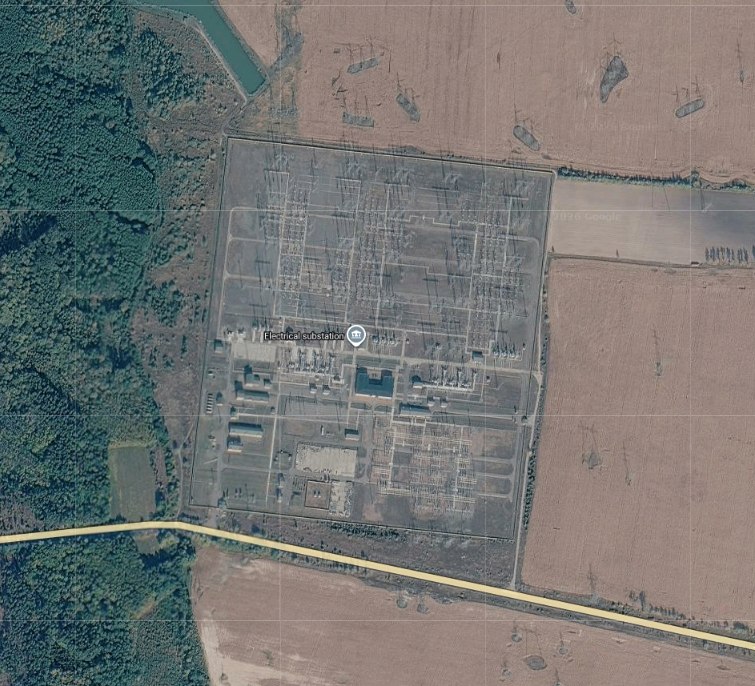
At 05:47 local time, Russian drones struck a railway bridge spanning the Dnieper River in Kyiv and a 750 kV power substation near the village of Nalyvaikivka, a key node linking the Rivne Nuclear Power Plant to the capital’s grid. The Ministry of Defence of the Russian Federation stated the targets “support military logistics” and justified the strikes as legitimate. The bridge, a vital artery for freight and passenger trains, sustained structural damage that halted rail traffic for several hours. The substation, the largest in the region, suffered damage to transformers and control equipment, prompting temporary power outages in northern Kyiv suburbs.
"Russian MoD says drones targeted a railway bridge over the Dnieper in Kyiv City and the Kyiv 750 kV substation near Nalyvaikivka, claiming both support military logistics." – monitor_the_situation
Both attacks were carried out with Geran‑4 jet‑drones, a Russian‑exported variant of the Shahed‑136, indicating a shift toward more sophisticated unmanned platforms capable of precision strikes against hardened infrastructure.
Missile strike on a 25‑story residential block in Darnytskyi district
Just minutes earlier, at 05:08, a Russian missile hit a 25‑story residential building in Kyiv’s Darnytskyi district, killing one civilian and injuring two others. The same strike also damaged the Southern Bridge, a critical crossing over the Dnipro River used by commuters and emergency services. The missile, identified by local authorities as a short‑range ballistic projectile, appears to have been launched from a mobile launch platform positioned in the contested Donetsk region.
"Russian Strike Kills 1, Injures 2 in Kyiv. Overnight attack damaged a 25‑story residential building in Darnytskyi district; Southern Bridge hit again." – monitor_the_situation
The incident underscores the growing risk to densely populated urban areas as Russia expands its missile repertoire beyond traditional artillery.
Repeated Geran‑5 attacks on Kyiv’s Southern Bridge
At 02:17, a Geran‑5 drone struck the Southern Bridge, a second hit within a twelve‑hour window. Kyiv Mayor Vitali Klitschko confirmed the impact, noting that emergency crews were forced to close the bridge to all traffic pending structural assessments. By 05:50, electric train services on the bridge resumed after extensive repairs, but the repeated targeting highlights the bridge’s strategic importance for both civilian mobility and potential military logistics.
"Russia carried out another Geran‑5 drone strike on the Southern Bridge in Kyiv moments ago, after the bridge was repeatedly targeted earlier today." – intelslava
Analysts interpret the pattern as an attempt to disrupt Kyiv’s internal transport network, thereby complicating the movement of troops and supplies.
Odesa’s coastal infrastructure suffers overnight damage
Concurrent with the Kyiv attacks, Russian drones also struck infrastructure in Odesa, though details remain limited. Preliminary reports indicate damage to a coastal power line and a small port facility, with no immediate casualty reports. The attacks align with Russia’s broader strategy of pressuring Ukraine’s Black Sea corridor, a lifeline for grain exports and humanitarian aid.
Geran‑4 strike on Nalyvaikivka substation
At 00:24, a separate Geran‑4 drone attack hit the same 750 kV substation near Nalyvaikivka, confirming the site as a repeated target. The substation’s role in transmitting electricity from the Rivne Nuclear Power Plant makes it a high‑value asset for Ukraine’s energy security. Damage to the substation forced operators to reroute power through auxiliary lines, increasing load on neighboring substations and raising the risk of cascading outages.
"Russian Drones Strike Kyiv Oblast Power Substation" – monitor_the_situation
These coordinated strikes demonstrate a clear escalation in the use of Russian UAVs to target energy infrastructure, a tactic that has intensified since February 2026.
Pattern of UAV deployment across the front
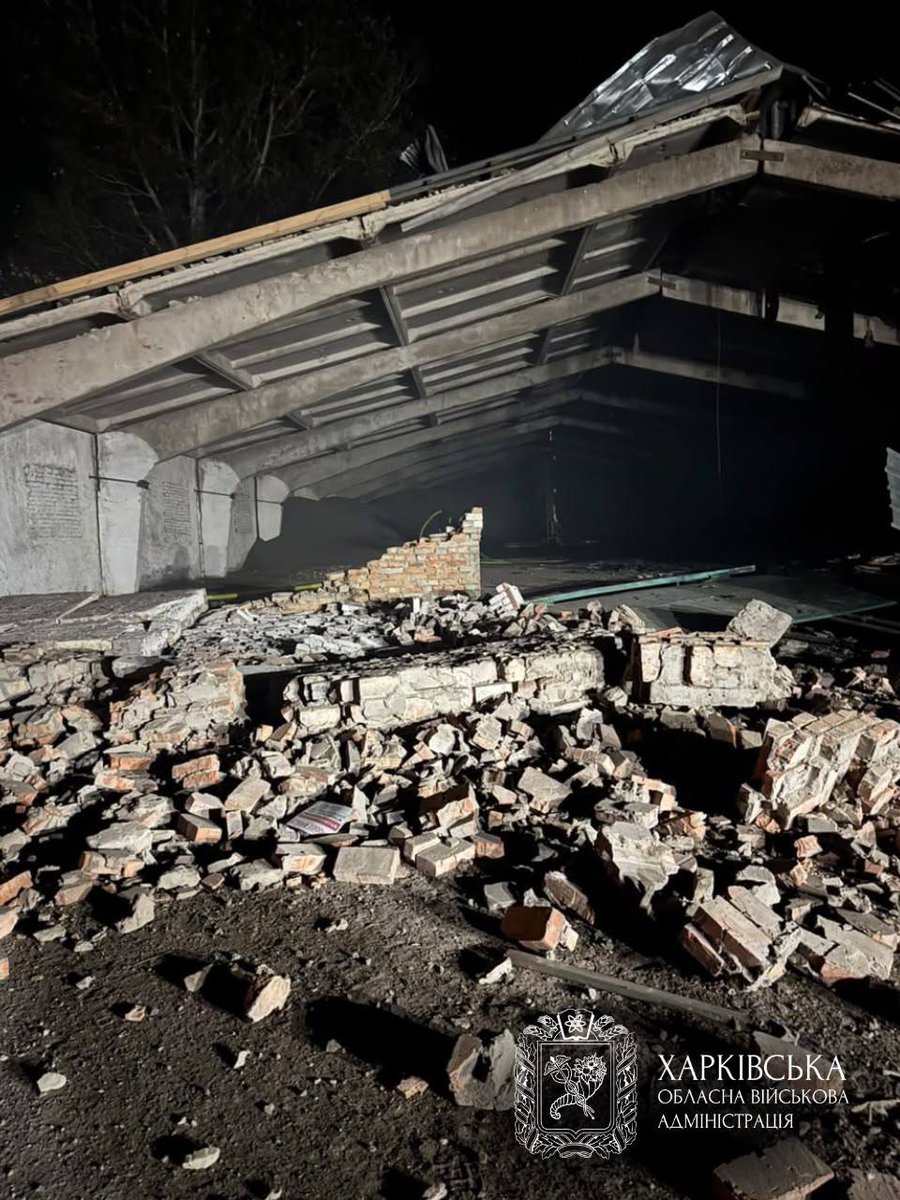
In addition to the high‑profile Kyiv attacks, Russian Geran‑2 drones struck an agricultural complex in Zaliniine, Kharkiv Oblast, causing material damage but no casualties. While the target was civilian, the strike reflects a broader Russian doctrine of employing low‑cost drones to disrupt economic activity and stretch Ukrainian defensive resources.
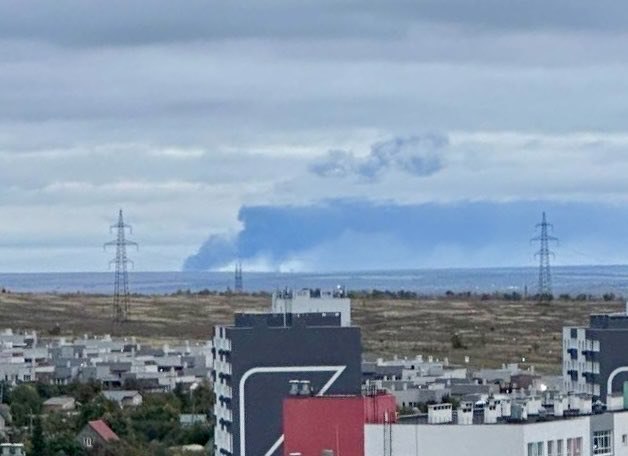
Conversely, Ukrainian forces have employed UAVs against Russian oil facilities in Volgograd and Samara, igniting fires and temporarily halting output. These reciprocal drone operations illustrate an expanding aerial contest that extends beyond the immediate battlefield into each side’s economic heartland.
International monitoring and response
All incidents were reported by open‑source channels, primarily monitor_the_situation, which aggregates Telegram posts from regional observers. The consistent attribution to Russian Ministry of Defence statements and the identification of specific drone models provide a reliable evidentiary base for analysts.
Western governments have condemned the attacks as violations of international humanitarian law, emphasizing the protection of civilian infrastructure. However, no new sanctions or direct military responses were announced on 2 October, suggesting a continued reliance on diplomatic pressure and intelligence sharing.
The escalation raises concerns about Ukraine’s ability to maintain critical energy supplies during the approaching winter months. Damage to high‑voltage substations and transport links could exacerbate power shortages, especially in the capital’s northern districts, where heating demand will peak.
Outlook
Given the intensity and coordination of the 2 October strikes, analysts anticipate that Russia may continue to leverage its expanding UAV inventory to target Ukraine’s energy grid, transport arteries, and urban centers. The pattern of repeated attacks on the same infrastructure points to a deliberate strategy of attrition, aimed at degrading Ukraine’s resilience while avoiding large‑scale conventional offensives.
Ukrainian authorities are expected to reinforce air‑defense systems around critical nodes, accelerate repairs, and seek additional international assistance for grid hardening. The coming weeks will be pivotal in determining whether the current escalation stabilizes or escalates further.