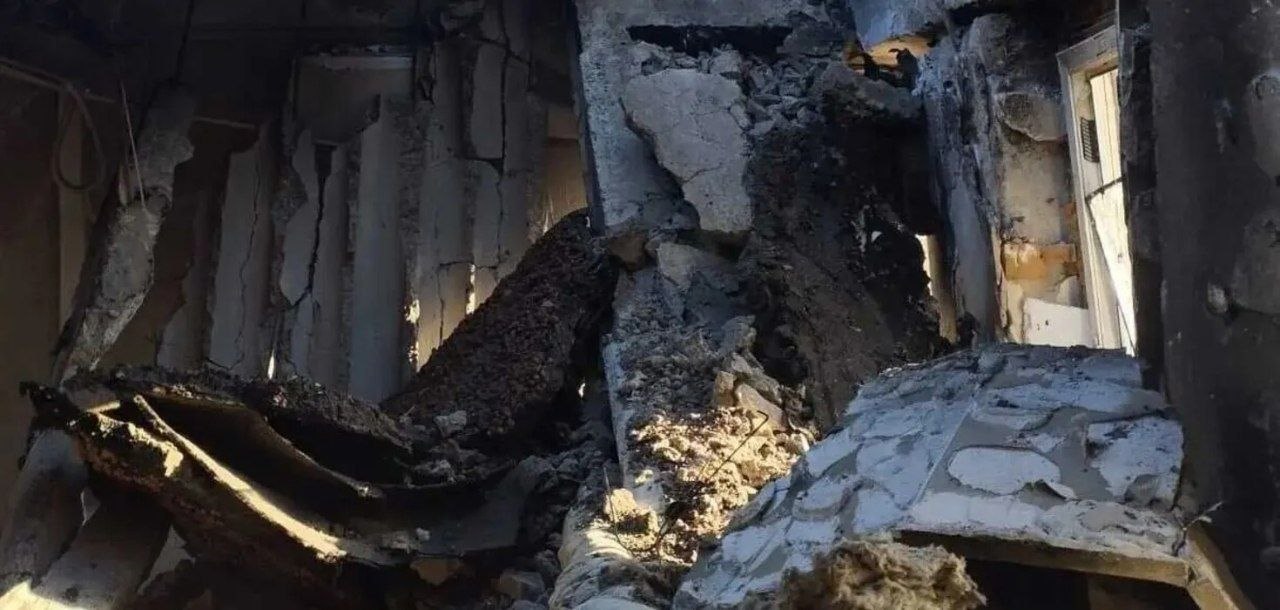
At 16:33 local time Russian forces deployed glide‑bombs on a multi‑storey residential block in Kharkiv, completely destroying the structure and killing several women while injuring multiple children, according to Mayor Ihor Terekhov. The attack marks the deadliest single‑building strike in the city since the conflict began and underscores the heightened use of precision‑guided munitions against civilian habitats.
Airstrikes and Glide‑Bomb Deployments
Beyond Kharkiv, Russian Aerospace Forces (VKS) conducted a coordinated bombing campaign in the Donetsk region. At 14:05 three separate locations were hit with FAB‑500 and FAB‑250 bombs: a deployment point of the 119th Territorial Defense Brigade in Osoyevka, a UAV control centre of the 117th Mechanized Brigade in Druzhkivka, and a temporary deployment point of the 93rd Mechanized Brigade near Novohryhorivka. The strikes were confirmed by intelslava and included video evidence of the explosions. No immediate casualty figures were released, but the targeting of brigade‑level assets indicates an escalation in kinetic pressure on Ukraine’s rear‑area formations.
Source: https://t.me/intelslava/95582
Drone Attacks on Civilian Targets
Unmanned aerial systems (UAS) were employed in several high‑profile incidents. In Kramatorsk, an FPV drone struck a passenger bus at 10:06, killing two passengers and wounding 27, as reported by monitor_the_situation. Later, at 07:10 a Shahed‑type drone hit a Kyiv school; President Volodymyr Zelensky visited the site, confirming that over 100 children and 60 teachers were safely sheltered while restoration orders were issued.
Source: https://t.me/monitor_the_situation/34210
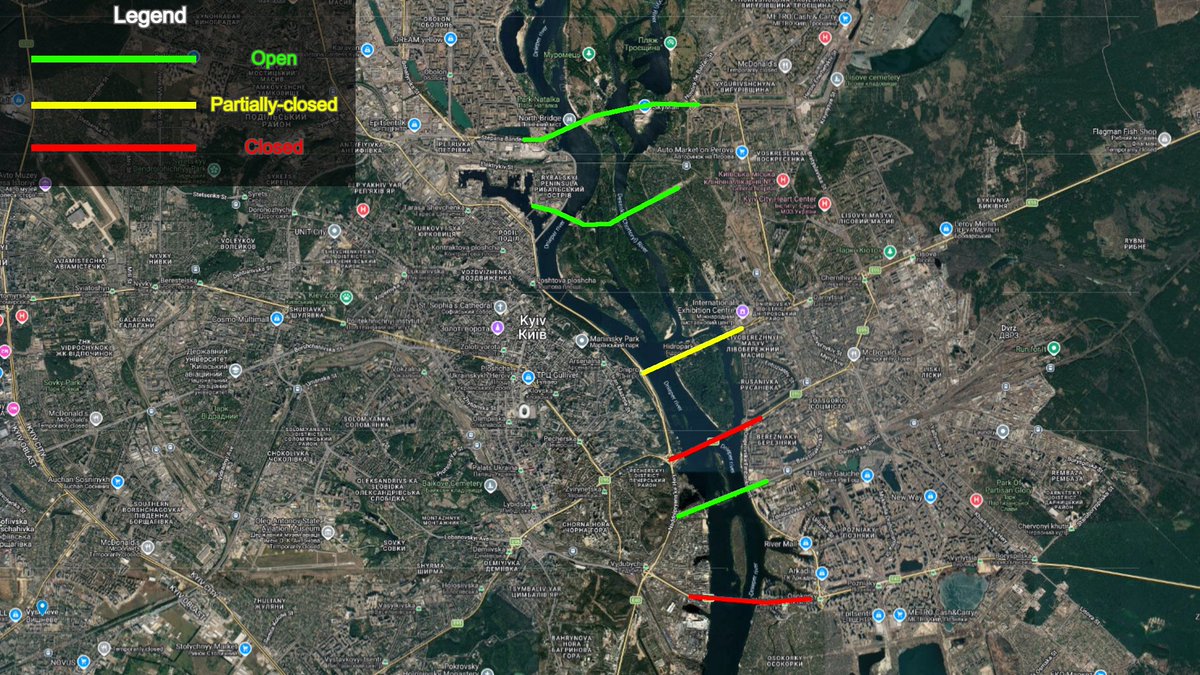
Kyiv’s critical bridge network faced repeated drone assaults. At 16:08 a Russian drone targeted a key bridge for the fourth time in two days, generating black smoke and keeping the crossing closed, per Mayor Vitali Klitschko. Earlier, at 06:04 Geran‑5 drones struck the South Bridge, prompting authorities to halt traffic on the South, Patona and Metro bridges and divert vehicles to remaining open crossings.
Source: https://t.me/monitor_the_situation/34274
Geran‑4 and Geran‑5 loitering munitions also hit the Southern and Patona bridges in Kyiv, as well as the Metro Bridge, restricting traffic on three of the city’s five major river crossings and causing a city‑wide traffic jam.
Source: https://t.me/CIG_telegram/84911
Infrastructure and Data Facility Damage
At 10:30 a data centre belonging to DLine in central Kyiv was destroyed, according to the company’s management. While no casualties were reported, the loss of a major data hub could impair communications and commercial services in the capital.
Source: https://t.me/intelslava/95574
In the Odesa region, Russian Geran‑4/5 loitering munitions struck a Nova Poshta logistics centre in Chornomorsk and the HOSTING‑UA data centre in Odesa, demonstrating a pattern of targeting logistics and digital infrastructure that supports both civilian and military supply chains.
Source: https://t.me/intelslava/95581
Casualty Overview and Human Impact
The combined kinetic actions on October 2 resulted in at least four civilian deaths (two in Kramatorsk, two in Kharkiv) and dozens of injuries, including children in Kharkiv and passengers on the Kramatorsk bus. The destruction of residential housing in Kharkiv displaced families and will likely strain local emergency services. The school attack in Kyiv, while not resulting in fatalities, highlighted the vulnerability of public institutions to aerial threats.
Analytical Assessment
The concentration of glide‑bombs, high‑explosive air‑dropped ordnance and loitering munitions on October 2 reflects a multi‑layered Russian strategy aimed at degrading Ukraine’s civilian morale, logistical capacity and critical infrastructure ahead of the winter season. The use of glide‑bombs—capable of extended stand‑off ranges—suggests an intent to strike deep‑inside urban areas while minimizing exposure of launch platforms to Ukrainian air defences.
Simultaneously, the proliferation of FPV and loitering drones indicates a shift toward low‑cost, high‑frequency attacks that can overwhelm defensive systems and create persistent psychological pressure on the population. The repeated targeting of bridges in Kyiv serves both a tactical purpose—disrupting troop and supply movements—and a symbolic one, eroding confidence in the capital’s resilience.
Ukraine’s response, as evidenced by rapid presidential visits, bridge closures and traffic rerouting, demonstrates adaptive civil‑defence measures but also reveals the strain on municipal resources. The destruction of data centres and logistics hubs may have longer‑term effects on command‑and‑control communications and the distribution of humanitarian aid.
Overall, the kinetic events of October 2 illustrate an escalation in both the scale and diversity of Russian strike capabilities, reinforcing the need for enhanced air‑defence coverage, counter‑UAS systems and hardened civilian infrastructure across the Ukrainian theatre.