On 2 October 2026, a passenger testimony about a Flydubai hijacking emerged as the most prominent kinetic‑related development reported, drawing attention to the volatile security environment across the Middle East and surrounding regions. The account, published in an opinion piece by The Jerusalem Post, describes the incident as “frightening and disturbing,” while emphasizing the broader political implications for Israel and the United Arab Emirates.
Flydubai Hijacking: Passenger Testimony
“We are frightened and disturbed, particularly as investigators are still trying to understand what exactly happened.” – Passenger on board Flydubai flight, as quoted by JPost.
The hijacking involved a Flydubai aircraft operating between the United Arab Emirates and an undisclosed destination. No weapons were reported as being used during the event, and the incident has not yet resulted in confirmed casualties. The article frames the episode within a narrative that portrays Israel as a “nation of heroes” and calls for governmental courage, reflecting the political tone of the piece rather than an operational analysis. The source for this information is the JPost opinion article titled “Flydubai hijacking: Israel is a nation of heroes – time for the gov’t to show courage too,” accessible at https://www.jpost.com/opinion/article-910301. The organizations directly involved are Flydubai (the carrier) and the governments of Israel and the United Arab Emirates, though no official statements from either side have been released as of the reporting time.
Pakistan Deploys Tens of Thousands of Troops to Saudi Arabia
In a separate development, Pakistan has moved a substantial conventional force to Saudi Arabia with the explicit purpose of intercepting hostile drones and missiles. According to a Telegram channel identified as monitor_the_situation, the deployment comprises between 30,000 and 40,000 troops, arriving in multiple waves since the previous year. The force is positioned to protect Saudi critical infrastructure and population centers from aerial threats, a task that aligns with the broader regional effort to counter the proliferation of unmanned combat systems.
The deployment does not involve direct combat engagement in Yemen, and no casualties have been reported in connection with the movement of troops. The primary weapons systems referenced are air‑defence assets capable of neutralising drones and missiles, though specific platform types were not disclosed. The source URL for this information is https://t.me/monitor_the_situation/34304. The organizations implicated are the Pakistani Armed Forces and the Kingdom of Saudi Arabia, with the operation reflecting a bilateral security cooperation framework.
Russia Launches 108 Drones Against Ukraine
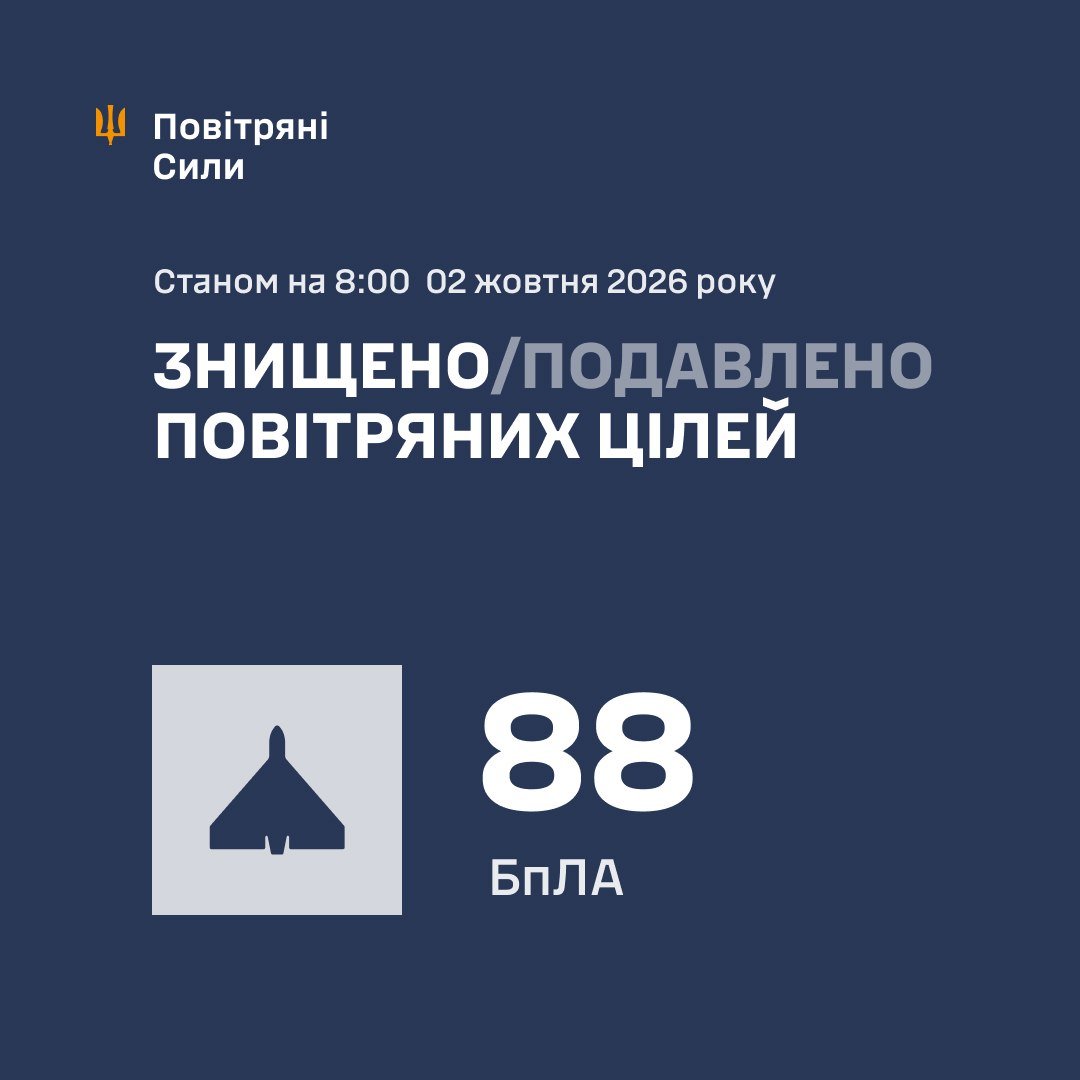
Later that morning, Russian forces conducted a large‑scale unmanned aerial attack against Ukrainian territory. The operation, reported by the same Telegram channel (monitor_the_situation), involved the launch of 108 drones, of which 88 were intercepted and downed by Ukrainian air‑defence units. The remaining drones resulted in impacts at eleven distinct locations across Ukraine, with debris observed at five additional sites.
The weaponry employed consisted primarily of Shahed‑type loitering munitions, commonly referred to as “Shahed drones.” Ukrainian forces successfully neutralised the majority of the swarm, demonstrating continued resilience in their integrated air‑defence network. No definitive casualty figures have been released, though the impacts are reported to have caused material damage in the affected zones. The source for this event is the Telegram post https://t.me/monitor_the_situation/34182, which also included a photographic item illustrating the aftermath of the strikes.
Collectively, these three events illustrate a pattern of kinetic activity that spans civilian aviation security, large‑scale troop movements for air‑defence, and high‑intensity drone warfare. While the Flydubai hijacking remains under investigation and is framed within an opinion narrative, the Pakistani troop deployment and the Russian drone barrage are documented operational actions with clear strategic objectives. The convergence of these incidents on a single day underscores the heightened state of alert across multiple theaters, where both state and non‑state actors are leveraging aerial platforms to achieve tactical and political goals.
Analysts monitoring the region note that the absence of direct combat casualties in the Pakistani deployment suggests a preventive posture, whereas the Russian drone attack demonstrates an ongoing escalation in the Ukraine conflict. The Flydubai incident, though isolated, raises concerns about the security of commercial air routes that traverse contested airspace, especially when political rhetoric intensifies. Continued observation of these trends will be essential for assessing future risk levels and for informing policy responses aimed at mitigating kinetic threats.