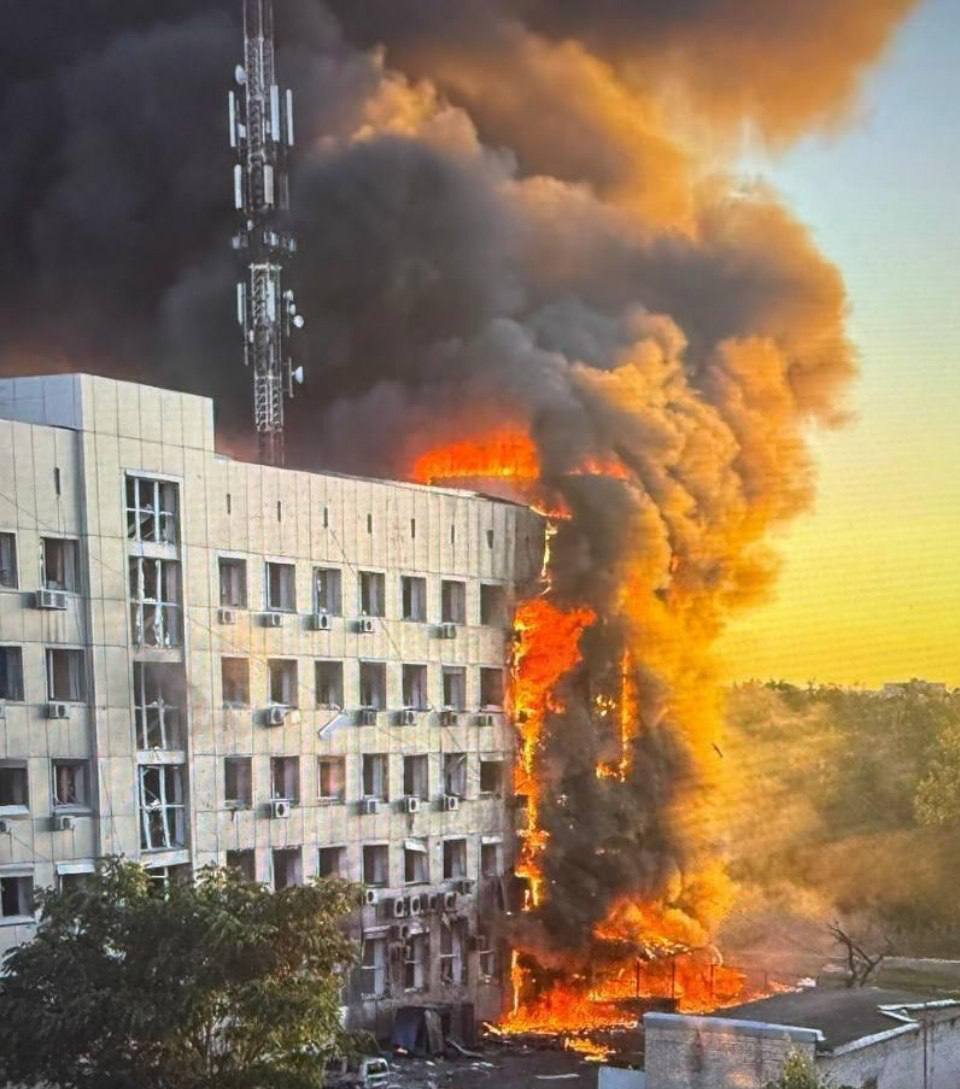
On 1 October 2026, a Russian‑operated unmanned aerial vehicle (UAV) struck a school in Kyiv and subsequently damaged the city’s main bridge, disrupting transport and marking the most severe kinetic event recorded in Ukraine that day. The attack, reported by Al Jazeera (source), underscores a renewed emphasis on aerial harassment of civilian and logistical targets in the capital.
Major Drone Attack on Kyiv
The UAV, identified by observers as a Russian‑manufactured Geran‑type system, impacted the façade of a primary school in the Shevchenkivskyi district at 13:06 UTC, causing minor structural damage but no reported injuries. Within minutes, the same drone or a second coordinated UAV struck the central bridge spanning the Dnipro River, temporarily halting vehicular traffic and forcing the suspension of metro services. Kyiv Mayor Vitali Klitschko confirmed that “the bridge remains structurally sound, but safety inspections are ongoing,” a statement echoed in a
Kyiv Independent tweet(source).
Escalating Rocket and Missile Strikes
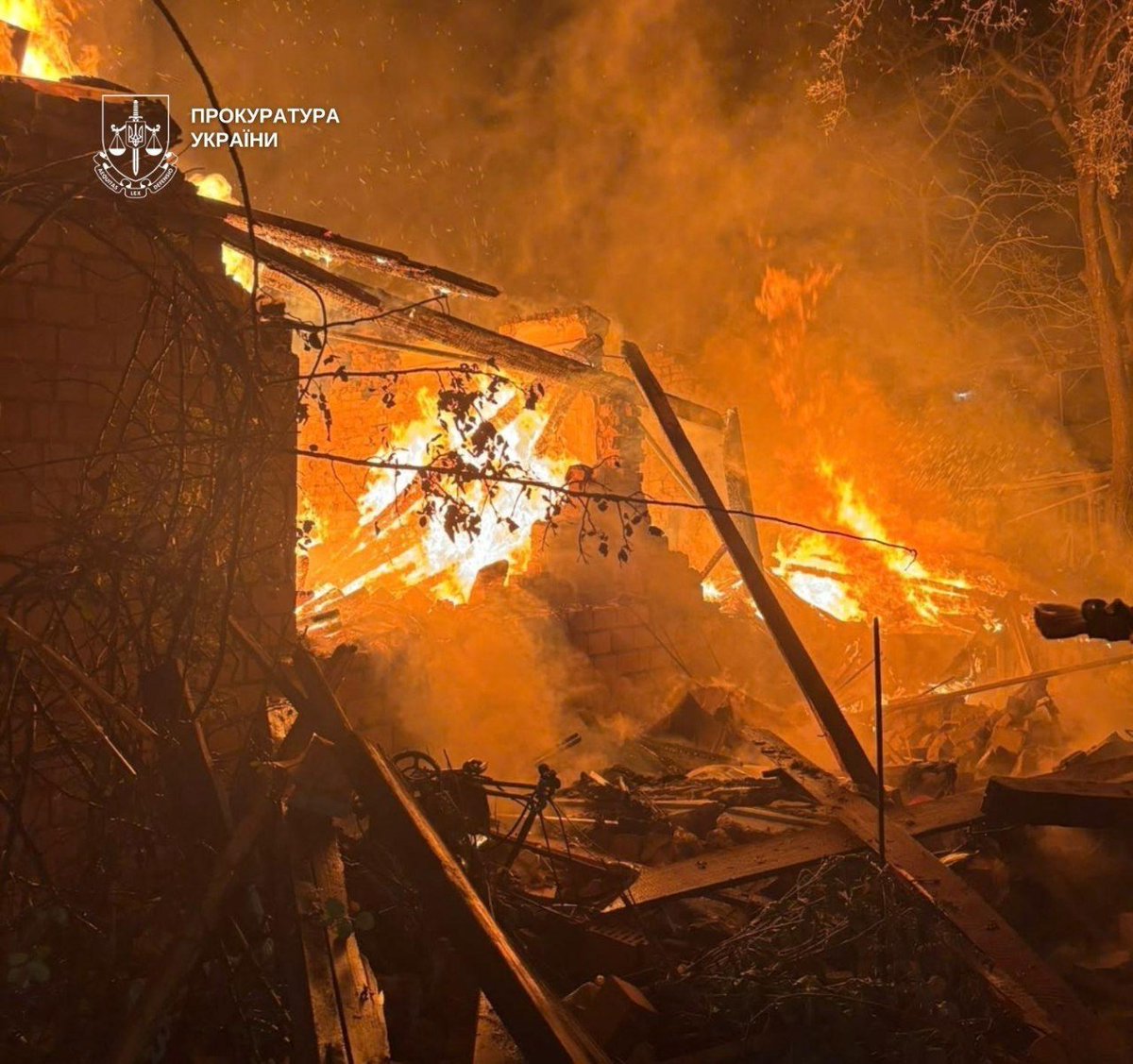
Concurrent with the drone assault, a wave of UAV and ballistic missile attacks targeted civilian infrastructure across the Kyiv region, Chernihiv and Sumy. According to the monitoring channel Monitor the Situation (source), 14 civilians were killed and 89 injured. Specific losses included four fatalities and 16 injuries in Kyiv, two injuries in Chernihiv, and two deaths with 21 injuries in Sumy. The weapons employed comprised short‑range UAVs and short‑range ballistic missiles, reflecting a mixed‑payload approach aimed at both soft and hardened targets.
Geran UAV Campaign
Further evidence of a coordinated UAV campaign emerged from multiple reports. At 16:46 UTC, the intelligence outlet Intelslava documented the deployment of Geran‑4 and Geran‑5 drones over Kyiv, describing “continuous strikes” that targeted residential districts and transport arteries (source). Later, at 16:14 UTC, a Geran‑5 kamikaze drone struck the DTEK Pavlogradugol data processing centre in Pavlograd, Dnipropetrovsk Oblast, damaging digital infrastructure critical to energy distribution (source). The same channel reported a Geran‑4 jet‑drone impact on Kyiv’s Pivdennoe Bridge at 15:03 UTC, a key transit route handling roughly 90 % of cross‑river traffic (source).
Infrastructure Targeting
Beyond bridges, Russian forces focused on power and research facilities. At 07:04 UTC, a strike on a high‑voltage transmission line caused widespread outages in Kyiv and the neighboring Zhytomyr region (source). Later, at 11:24 UTC, the Institute of Nuclear Research in Kyiv was hit; however, the VVR‑M research reactor and safety systems remained intact, and radiation levels stayed within normal limits (source). These incidents illustrate a pattern of targeting critical utilities while attempting to avoid catastrophic nuclear fallout.
Ukrainian Counteroffensive Near Oleksandrivka
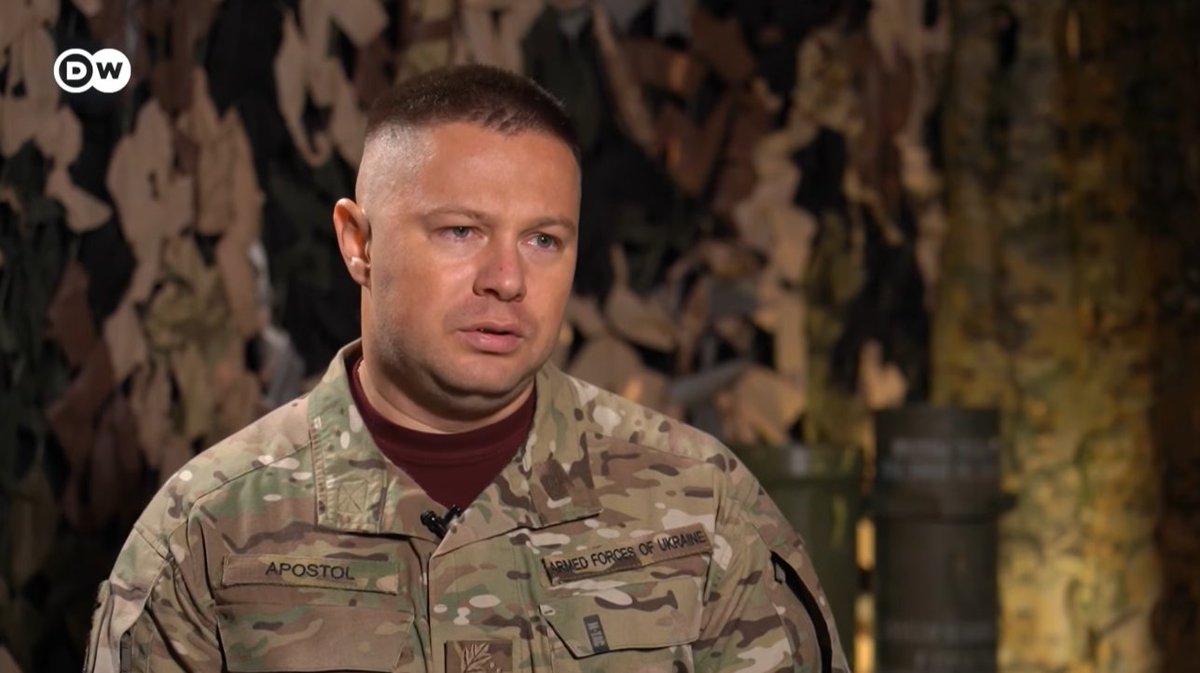
Amid the kinetic pressure, Ukrainian forces continued offensive operations in the Donetsk Oblast. On the Oleksandrivka axis, the Air Assault Forces reported the capture of several settlements and projected the seizure of up to ten additional villages (source). The advance, led by Major General Apostol, aims to disrupt Russian supply lines and create a buffer for Kyiv‑region defenses.
Emerging Technologies in Logistics
On 1 October, Ukraine demonstrated a novel logistical capability by deploying an amphibious unmanned ground vehicle (UGV) to transport ammunition and food over 40 km of riverine and marsh terrain to frontline positions (source). This marks the first recorded use of such a system in the conflict, highlighting Ukraine’s adaptation of autonomous platforms to mitigate personnel risk and sustain forward units.
Casualties and Asset Losses
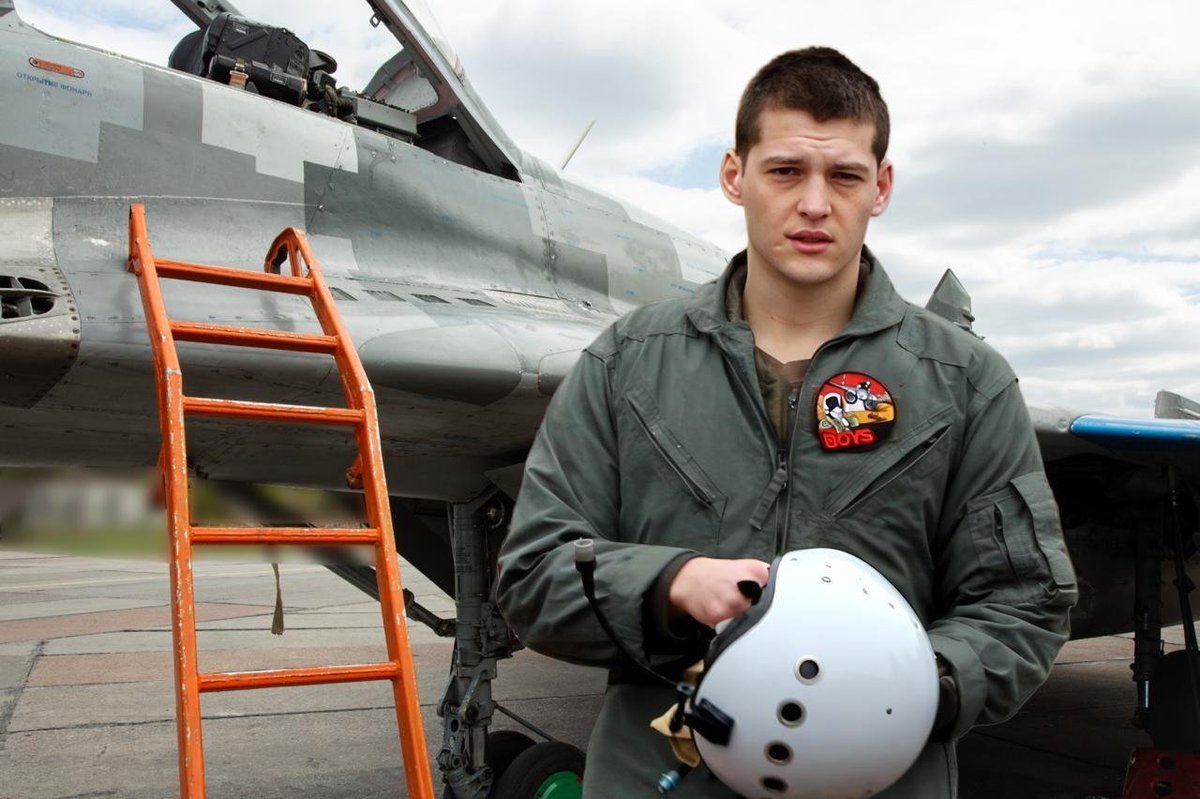
Casualty figures for the day reflect a grim toll. The combined UAV and missile attacks resulted in 14 civilian deaths and 89 injuries, while military losses included the downing of a Ukrainian MiG‑29 and its pilot, Capt. Marat Mambetov, after a Russian missile strike in Donetsk Oblast (source). Ukrainian intelligence also released a high‑level assessment claiming Russian forces suffered 1,470 personnel casualties, the loss of 21 artillery systems and the destruction of 1,393 UAVs on 30 September (source), though these figures remain unverified.
Overall, the day’s kinetic events underscore a multi‑domain Russian strategy that blends low‑cost UAVs, precision missiles and conventional artillery to pressure Ukrainian urban centers, while Ukraine counters with offensive maneuvers and emerging autonomous logistics. The continued targeting of civilian infrastructure raises significant humanitarian concerns and complicates reconstruction efforts in the months ahead.