On October 1, 2026, Russian President Vladimir Putin delivered two separate statements warning of an unexpected point of no return that could lead to the use of nuclear weapons. In a televised address, he cautioned that "if a gun is hanging on the wall, it will eventually be fired," suggesting that nuclear powers might resort to their arsenals if strategic conditions change. The remarks, reported by the Telegram channel intelslava (https://t.me/intelslava/95545), represent the most severe escalation recorded for the day, underscoring heightened geopolitical tension between Russia, NATO, and the broader international community.
Putin’s Dual Nuclear Warnings
At 16:25:42 UTC, Putin warned that “the moment when nothing can be changed may come unexpectedly for everyone,” implying a potential shift in Russia’s strategic posture. A second statement, posted at 16:17:51 UTC by the monitor_the_situation channel (https://t.me/monitor_the_situation/34064), linked the nuclear threat directly to any perceived direct attack on Russian territory or the Kaliningrad enclave, framing it as a response to NATO intimidation rather than an act of aggression. Both messages emphasized that all types of weapons, including nuclear, could be employed, raising concerns about escalation thresholds.
"If a gun is hanging on the wall, it will eventually be fired," Putin said, highlighting the unpredictability of a nuclear decision point.
These statements were accompanied by a video release on the same channel, reinforcing the seriousness of the warning. No immediate military action followed, but the rhetoric alone has prompted diplomatic alerts from NATO and heightened monitoring by international security agencies.
Pakistani Airstrikes in Afghanistan
In a separate kinetic event, Afghan officials reported that Pakistani airstrikes on Afghan soil resulted in civilian casualties. According to Al Jazeera (https://www.aljazeera.com/video/newsfeed/2026/10/1/afghanistan-says-pakistani-airstrikes-killed-women-and-children?traffic_source=rss), at least nine women and children were killed and eleven individuals wounded. The strikes were described as air attacks, though the specific weapons systems were not disclosed. The incident adds a new layer of regional tension between Pakistan and Afghanistan, already strained by border disputes and insurgent activity.
Ukraine Deploys First FP‑7 Ballistic Missile
Ukraine announced the first operational use of the FP‑7 ballistic missile system on October 1 at 17:14:42 UTC. The launch was confirmed by the monitor_the_situation channel (https://t.me/monitor_the_situation/34076), but Ukrainian officials declined to disclose the target, citing operational secrecy. The FP‑7 represents a significant upgrade in Ukraine’s long‑range strike capability, potentially altering the strategic calculus in its ongoing conflict with Russia. No casualty figures were reported for this strike, and independent verification of the missile’s impact remains pending.
Ukrainian Air Defenses Intercept Russian UAVs
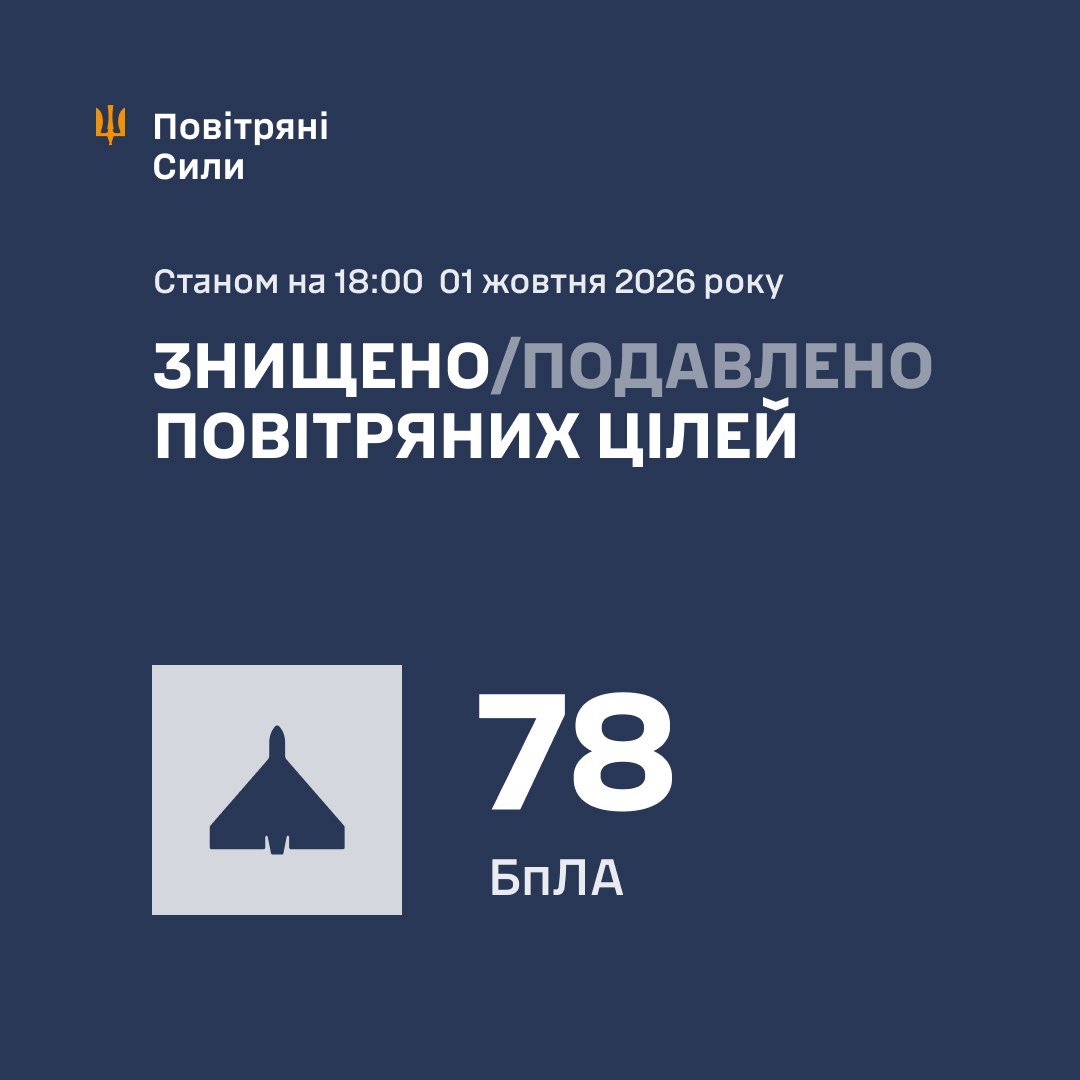
Ukrainian air defenses demonstrated robust performance against a large‑scale Russian drone offensive. At 16:09:54 UTC, Ukrainian forces shot down 78 of 97 Russian attack drones, including 55 of 66 jet‑powered UAVs, according to monitor_the_situation (https://t.me/monitor_the_situation/34059). The engagement resulted in minimal reported damage on the Ukrainian side, highlighting the effectiveness of integrated air‑defense systems.
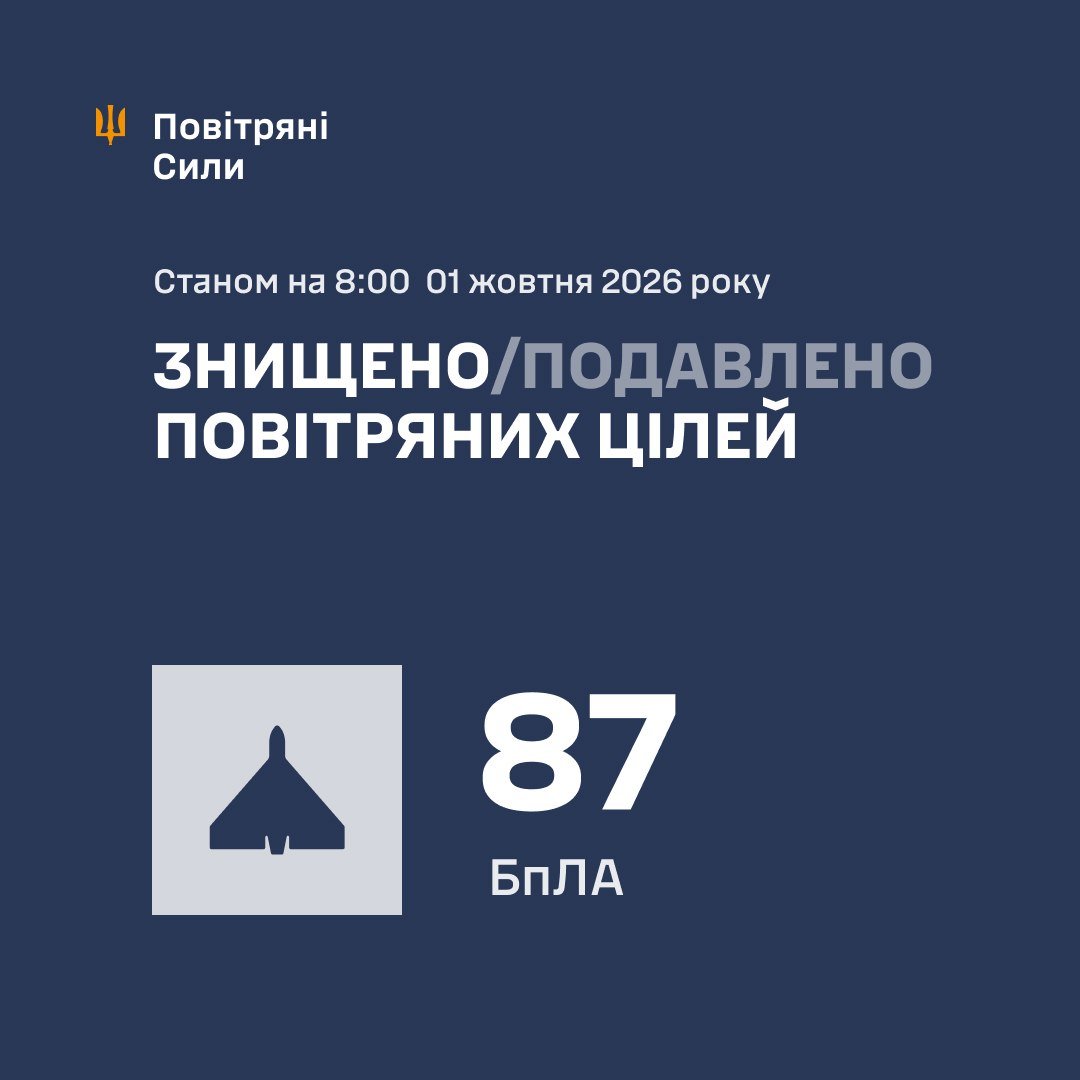
Earlier in the day, at 07:08:26 UTC, Russia launched a swarm of 107 Shahed drones toward Ukraine. Ukrainian defenses downed or suppressed 87 of these drones, with impacts recorded at 11 locations and debris falling at four sites (https://t.me/monitor_the_situation/33965). The high attrition rate underscores the evolving cat‑and‑mouse dynamics of drone warfare in the region.
Massive Overnight Drone and Missile Interception
During the overnight hours, Ukrainian forces reported the interception of 155 Shahed drones and five ballistic/hypersonic missiles out of 188 UAVs launched by Russia (https://t.me/monitor_the_situation/33961). Hits were recorded at 18 locations across Ukraine, indicating a sustained and coordinated Russian aerial campaign. The successful defense reflects continued investment in radar, surface‑to‑air missiles, and electronic warfare capabilities.
OSINT Confirmation of Ukrainian Missile Debris Over Moscow
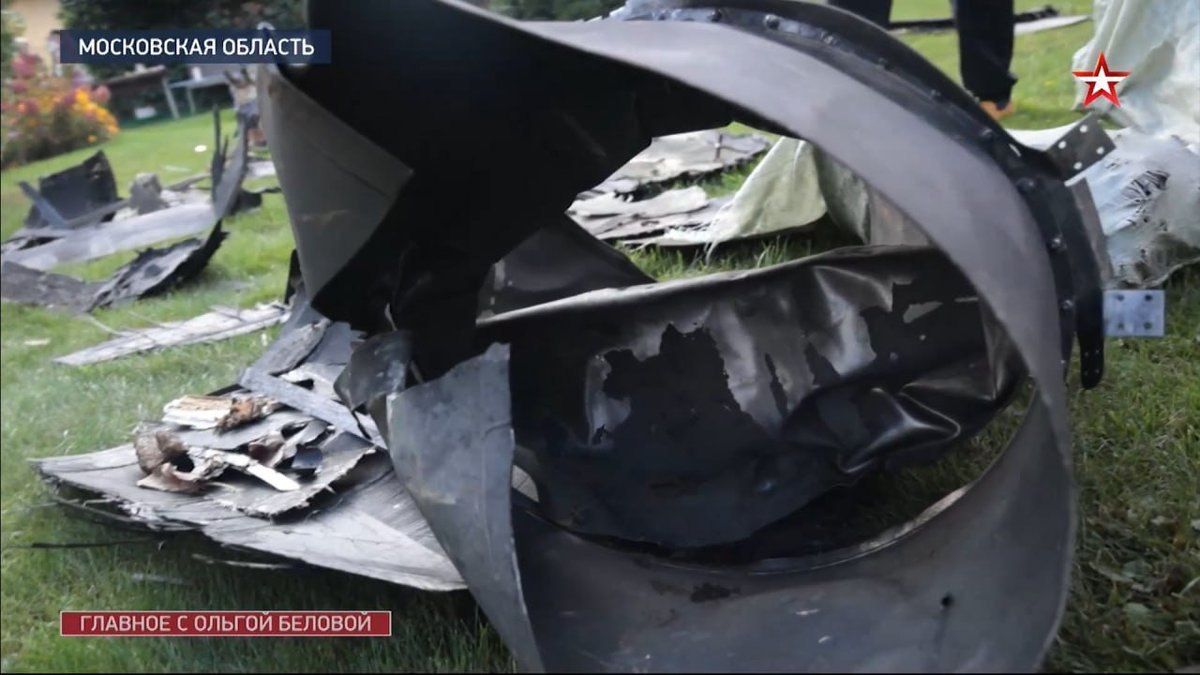
Open‑source intelligence (OSINT) researchers from NOELreports documented debris from Ukrainian FP‑5 Flamingo cruise missiles intercepted over Moscow on September 20, 2026 (https://t.me/monitor_the_situation/33967). Photographic evidence showed missile fragments near the Russian capital, confirming that Ukrainian long‑range strike assets have reached deep into Russian airspace. While the September incident falls outside the immediate October 1 timeframe, its inclusion illustrates the broader pattern of escalating long‑range engagements.
Collectively, these events depict a day marked by heightened nuclear rhetoric, cross‑border airstrikes, and intensive drone warfare. The convergence of strategic threats and kinetic actions across multiple theaters raises the risk of inadvertent escalation, particularly given the ambiguous thresholds articulated by Russian leadership.