On 1 October 2026, simultaneous explosions reverberated through Addis Ababa, marking the most visible escalation of Ethiopia’s internal war in weeks. The blasts, reported by Al Jazeera at 13:25 UTC, coincided with a mass exodus from Mekelle, where thousands fled as federal troops pressed northward. The capital incident underscores a shift from a largely regional confrontation to a conflict that now threatens the political heart of the country.
Explosions in the Capital
Witnesses in Addis Ababa described loud detonations and smoke plumes near the central business district. Al Jazeera confirmed that “explosions were heard in Addis Ababa as Ethiopia conflict widens in the north,” but did not attribute the blasts to any specific weapon system or group. No casualty figures were released at the time, and local authorities have not confirmed the source of the explosions. The report, published on the agency’s RSS feed, can be accessed at Al Jazeera (Oct 1).
"Explosions were heard in Addis Ababa as Ethiopia conflict widens in the north" – Al Jazeera, 1 Oct 2026
Drone Strike Claims by Anti‑Government Alliance
Earlier that morning, at 08:16 UTC, the anti‑government alliance announced that it had launched multiple drone strikes against federal targets in the capital. The claim, reported by the Jerusalem Post, described the attacks as “drone strikes by anti‑govmt. alliance” that produced the same explosions later confirmed by Al Jazeera. The alliance, which has been fighting federal forces in Tigray since early October, did not provide video evidence, and Ethiopian security officials have not verified the allegation. The full article is available at Jerusalem Post (Oct 1).
"Explosions reportedly heard in Ethiopian capital following drone strikes by anti‑govmt. alliance" – Jerusalem Post, 1 Oct 2026
Northern Front Advances: Alamata and Korem
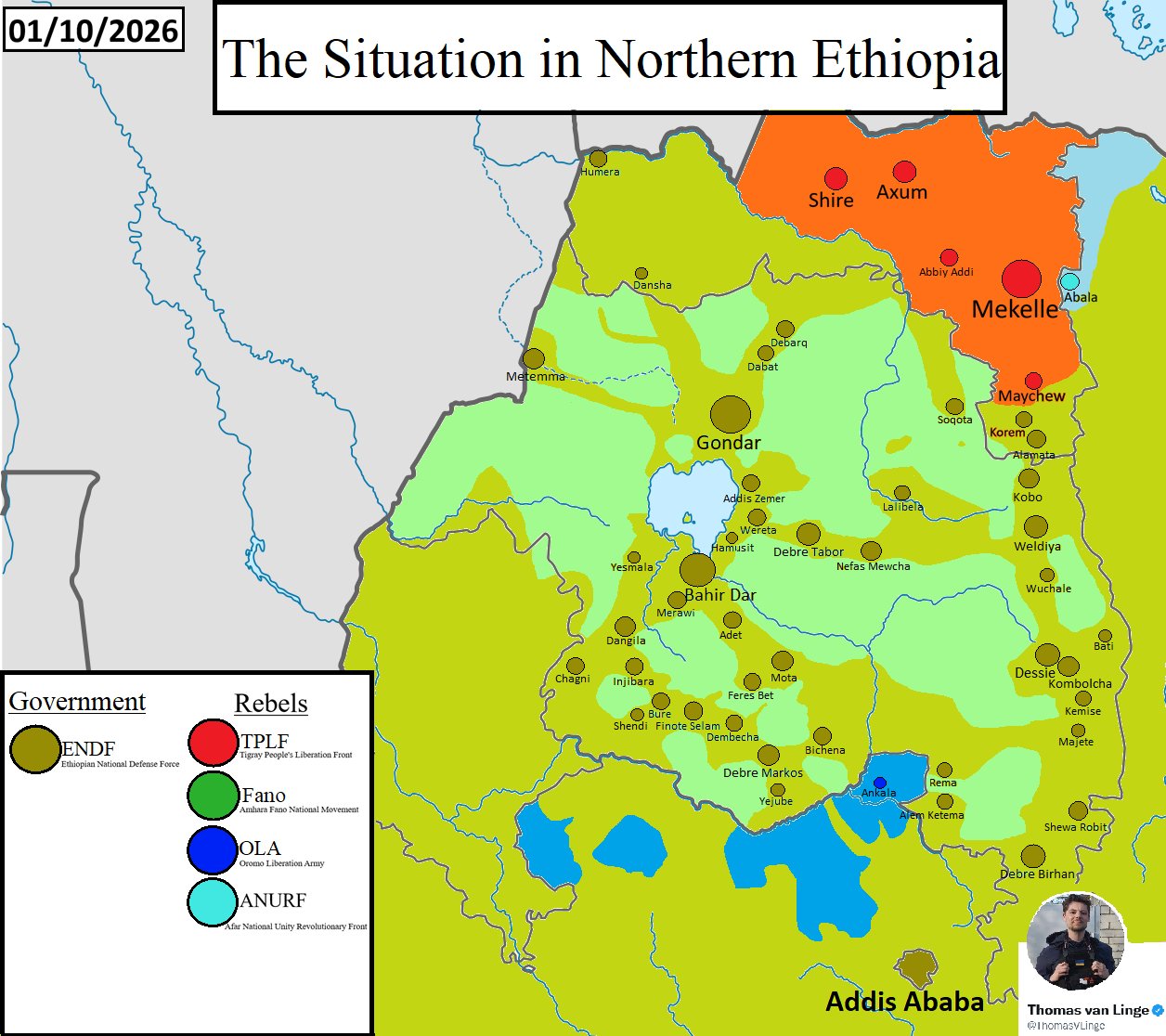
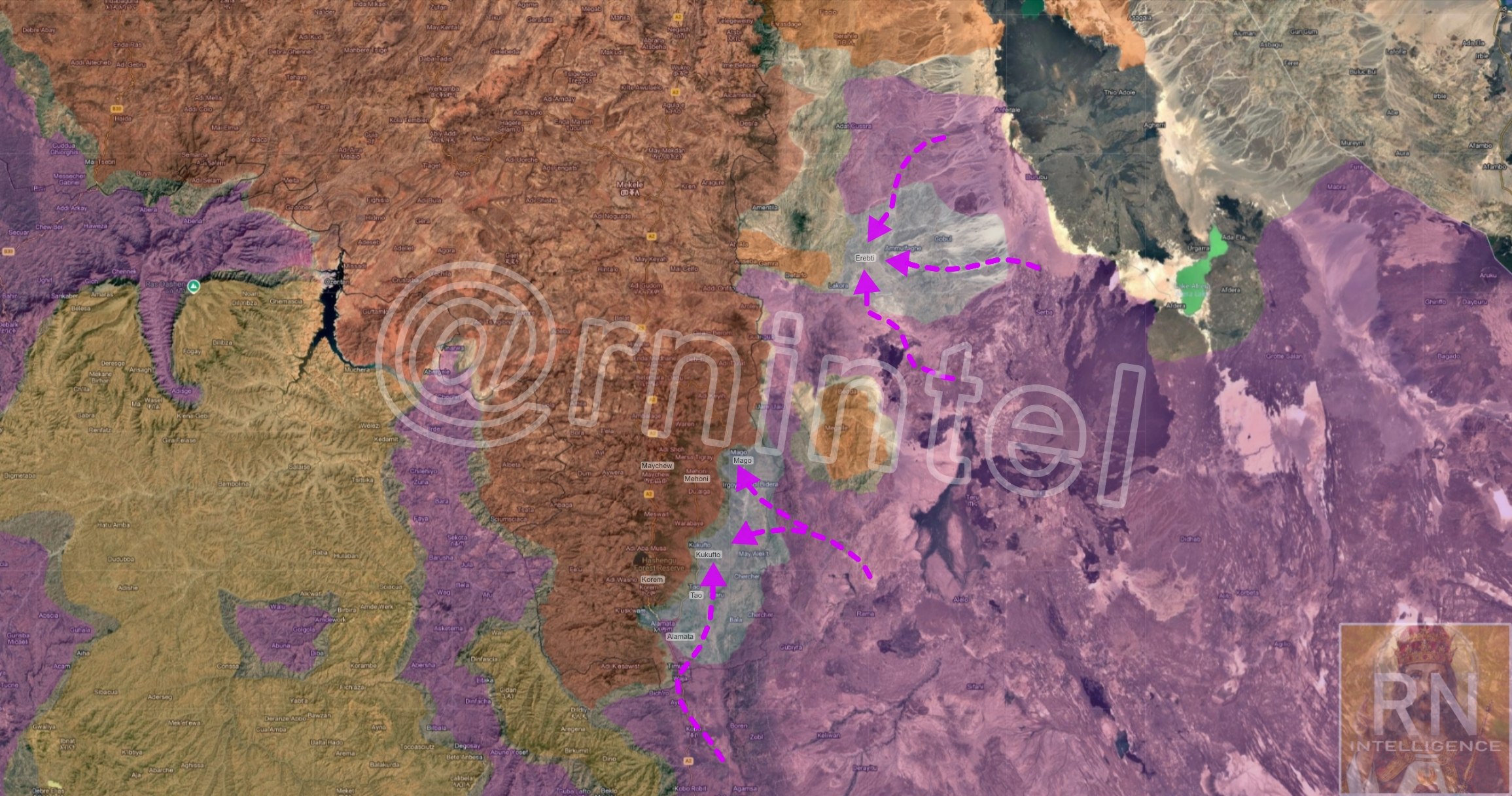
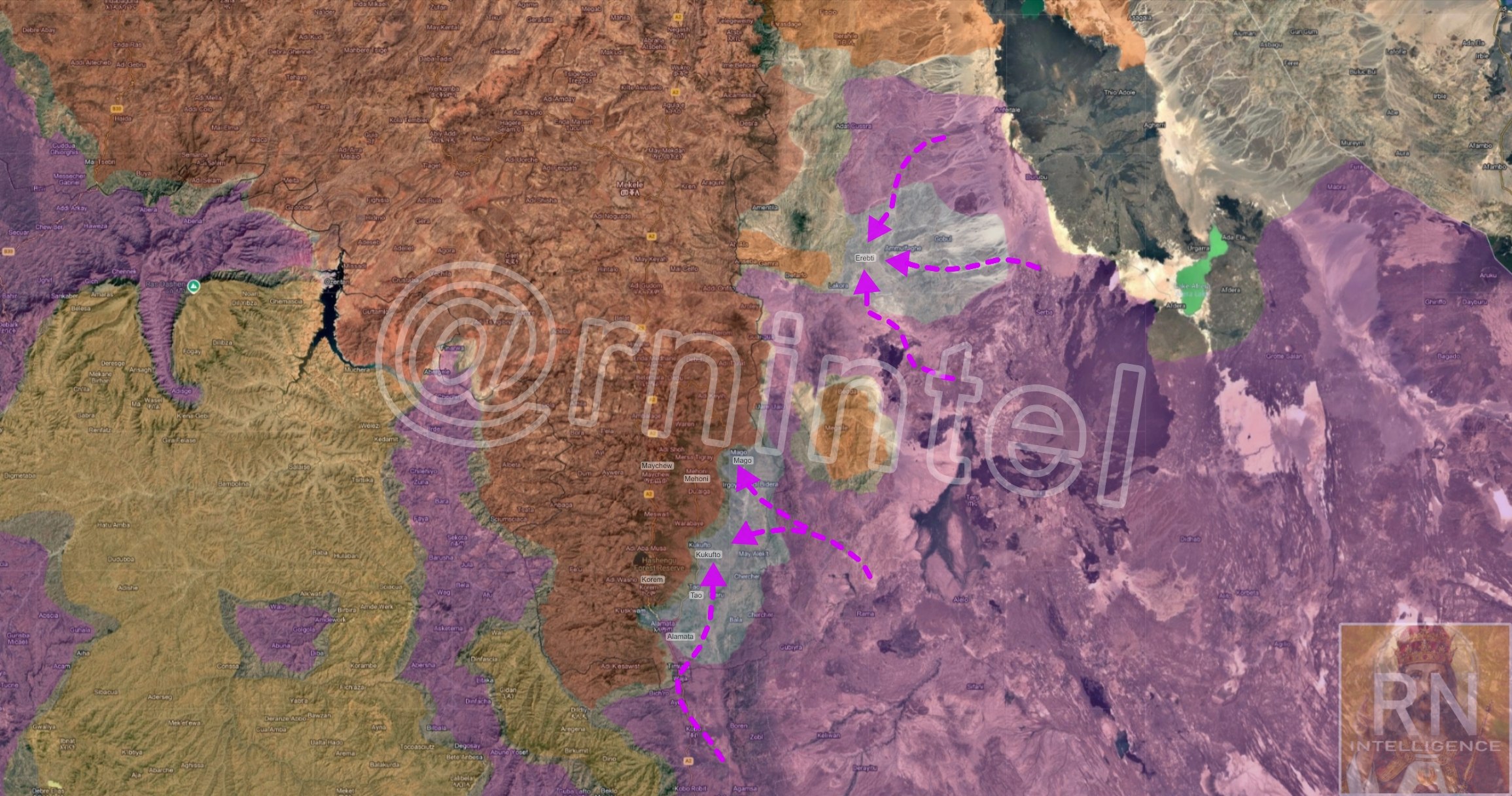
Concurrently, federal forces reported significant territorial gains in the Tigray region. According to a Telegram post from BellumActaNews at 16:52 UTC, the Ethiopian National Defense Force (ENDF) captured the towns of Alamata and Korem, previously held by the Tigray People’s Liberation Front (TPLF). The post noted that the ENDF advanced from Soqota, reaching the Tigray border, while the TPLF “has lost southern Tigray.” No artillery or air support was mentioned, suggesting a rapid ground maneuver possibly aided by superior logistics and local militia cooperation.
These advances align with earlier reports from CIG_telegram (14:14 UTC) describing a “complete collapse of Tigray Defense Forces positions in the southwest Tigray region,” including the seizure of the strategic height of Grat Kahsu and the towns of Tao and Kukufto. The same source indicated that the fate of Korem remained unconfirmed, though intelligence suggested ENDF control.
"Complete collapse of Tigray Defense Forces positions in the southwest Tigray region" – CIG_telegram, 14:14 UTC, 1 Oct 2026
Afar Region Shifts: Erebit District
In the neighboring Afar region, federal‑aligned Afar Regional Special Forces and the Tigray Peace Forces (TPF) seized the Erebit district from TPLF/TDF rebels. The operation, reported by BellumActaNews at 14:18 UTC, was accompanied by a short video confirming the handover of control. The same outlet noted that earlier, the Afar National United Resistance Front (ANURF) had taken ground in Afar but lost the town of Erebti later in the day, indicating fluid frontlines.
The recapture of Erebti was also highlighted in a separate RNIntel post (11:19 UTC), which described ENDF forces advancing north of Alamata and reclaiming the strategic height of Grat Kahsu, reinforcing the pattern of federal momentum across both Tigray and Afar.
Collapse of Tigrayan Forces and Wider Strategic Context
Collectively, the ground reports illustrate a rapid disintegration of Tigrayan defensive structures. Multiple sources—BellumActaNews, CIG_telegram, and RNIntel—converge on the same narrative: ENDF units are moving northward, capturing key towns, heights, and districts, while TDF remnants retreat or dissolve. The lack of reported casualties suggests either limited direct combat or a lag in verification, a common feature in fast‑moving conflicts where access is restricted.
Beyond Ethiopia’s borders, the Jerusalem Post linked the Ethiopian‑Eritrean front to broader regional dynamics, noting that “Ethiopian‑Eritrean conflict could intersect with increased Houthi escalation in Yemen.” While the current events are confined to Ethiopian territory, the involvement of allied militias and the potential for cross‑border escalation merit close monitoring.
Implications for Conflict Trajectory
The twin phenomena of capital‑area explosions and swift territorial gains suggest a deliberate strategy by federal forces to pressure the opposition on multiple fronts. By extending the conflict into Addis Ababa, the government signals both capability and resolve to target urban centers, potentially deterring external support for the anti‑government alliance. Simultaneously, the ground advances in Tigray and Afar reduce the operational depth of TDF forces, limiting their ability to regroup.
Analysts should watch for subsequent statements from the Ethiopian Ministry of Defense, as well as any independent verification of the drone strike claims. The presence of foreign actors—particularly Eritrean units, hinted at in the JPost report—could further complicate the battlefield calculus.