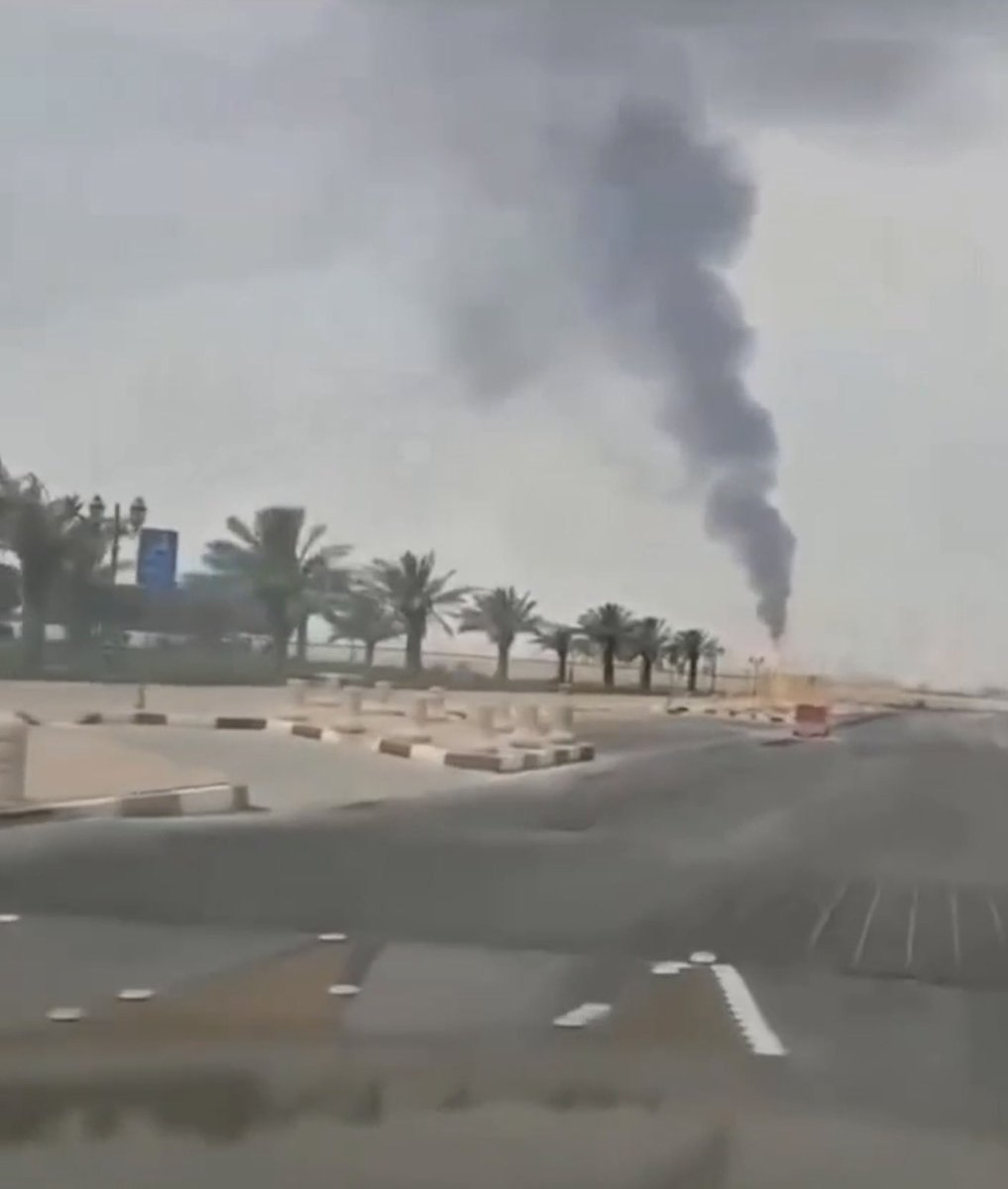
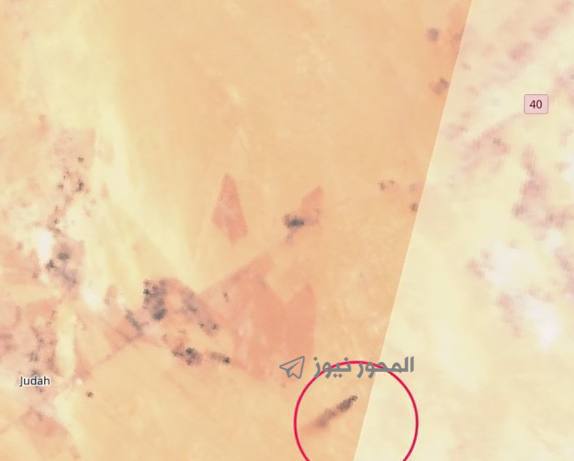
On 30 September 2026, Yemen‑aligned forces launched a series of ballistic missile attacks against key Saudi Arabian oil assets, marking the most severe kinetic episode recorded in the kingdom this year. Satellite imagery confirmed that missiles struck the Abqaiq ARAMCO refinery in the Eastern Province at 15:51 UTC, producing a visible plume of smoke and prompting immediate operational shutdowns. Within minutes, a second missile impact was observed on the Saudi East‑West Pipeline, generating smoke and raising concerns about a temporary halt to crude transport. Both incidents were reported by the Conflict Intelligence Group (CIG) on its Telegram channel, which posted video and photographic evidence of the strikes.
"Yemen struck the Abqaiq ARAMCO refinery again, according to satellite imagery," CIG_telegram noted in its post (https://t.me/CIG_telegram/84759).
Chronology and Technical Details
The first confirmed impact occurred at the Abqaiq refinery, a critical hub that stabilizes and processes crude from the Ghawar field before export. The missile, identified as a ballistic type, was launched from Yemeni territory and traveled approximately 1,100 km to reach its target. The strike produced a dense black smoke plume, captured by satellite sensors at 07:15 UTC and later corroborated by on‑the‑ground video released by the monitoring channel monitor_the_situation. No immediate casualty figures were released, and the extent of physical damage remains under assessment.
"Black Smoke Plume Rises From Saudi Oil Facility at Abqaiq," monitor_the_situation reported (https://t.me/monitor_the_situation/33829).
At 15:51 UTC, a second ballistic missile impacted the East‑West Pipeline corridor. The pipeline, which transports crude from the Eastern Province to the Red Sea, showed visible smoke and possible fire damage in a photo posted by CIG. The channel warned that if the pipeline is rendered inoperable, restoration could take up to a month, reversing recent gains after pumping resumed less than a week earlier.
"Yemeni ballistic missiles struck the Saudi East‑West Pipeline, causing smoke and potentially halting operations," CIG_telegram noted (https://t.me/CIG_telegram/84758).
Operational Impact on Saudi Aramco
Aramco’s response included immediate shutdown of the affected units at Abqaiq and activation of emergency protocols for the East‑West Pipeline. The refinery’s stabilization capacity, which processes roughly 5 million barrels per day, is essential for meeting global supply commitments. A temporary loss of even a fraction of this capacity can ripple through international oil markets, potentially tightening supply and influencing Brent crude prices. The pipeline’s interruption would further constrain export volumes, as the route serves as a primary conduit for crude destined for Asian markets.
In a separate incident earlier in the day, a smoke plume was observed over the North Ghawar production facility, located roughly 45 km west of Abqaiq. While the source of the plume was not definitively linked to a missile strike, the timing and proximity suggest a coordinated effort to target multiple nodes within Saudi’s oil production network. CIG’s imagery showed the plume emanating from the world’s largest oilfield, raising concerns about cumulative operational stress on the sector.
"Smoke was observed rising from Saudi Aramco's North Ghawar oil production facility," CIG_telegram reported (https://t.me/CIG_telegram/84762).
Broader Security Context
The missile attacks occurred against a backdrop of heightened regional tension. Earlier on 30 September, Israeli fighter jets scrambled to intercept a civilian flight from Dubai to Tel Aviv, an event reported by rnintel. While unrelated to the Saudi strikes, the incident illustrates the expanding theater of kinetic engagements involving state and non‑state actors across the Gulf and Levant.
Additionally, an infiltration incident aboard a Flydubai aircraft that diverted to Tabuk, Saudi Arabia, highlighted the presence of armed actors operating within Saudi airspace. Passengers reported that an Omani co‑pilot attacked the Emirati pilot with a knife, leading to a rapid 20,000‑foot descent before the crew regained control. The episode, documented by GeoPWatch, underscores the multiplicity of security challenges facing Saudi authorities beyond conventional missile threats.
"Passengers say the Omani co‑pilot stabbed the Emirati pilot during a rapid 20,000‑ft plunge," GeoPWatch reported (https://t.me/GeoPWatch/40281).
Strategic Implications
The coordinated missile strikes on Abqaiq and the East‑West Pipeline represent a deliberate attempt to disrupt Saudi Arabia’s oil export infrastructure, a cornerstone of the kingdom’s economy and a critical lever in global energy markets. By targeting both processing and transportation nodes, the attackers aim to maximize operational downtime and amplify economic pressure.
From a strategic standpoint, the use of ballistic missiles—capable of long‑range, high‑speed delivery—demonstrates an escalation in the technical capabilities of Yemeni forces, likely supported by external actors. The attacks also test Saudi defensive measures, including early‑warning radar, missile‑defense systems, and rapid response protocols. The apparent success of the strikes suggests gaps in detection or interception that may prompt Saudi Arabia to reassess its layered defense architecture.
Internationally, the events are likely to draw renewed scrutiny from energy‑dependent nations and may trigger diplomatic outreach aimed at de‑escalation. The United States and European partners, which maintain strategic ties with Saudi Arabia, could consider augmenting intelligence sharing or providing additional missile‑defense assets to safeguard critical infrastructure.
Conclusion
The missile attacks on 30 September 2026 constitute the most significant kinetic episode in Saudi Arabia this year, directly affecting the Abqaiq refinery and the East‑West Pipeline. While casualty reports remain absent, the operational disruptions underscore the vulnerability of Saudi oil infrastructure to long‑range missile threats. Ongoing satellite monitoring and on‑the‑ground assessments will be essential to determine the full extent of damage and to guide remediation efforts. The broader security environment, marked by parallel aerial interceptions and infiltration incidents, highlights a multifaceted threat landscape that Saudi authorities must address through integrated defense and diplomatic strategies.