On 30 September 2026 a series of coordinated kinetic operations by Russian forces targeted Ukraine’s capital and contested eastern regions, producing the highest single‑day civilian death toll in Kyiv since the war began and prompting a notable shift in frontline dynamics.
Kyiv‑area kinetic attacks
Four separate incidents struck the Kyiv metropolitan area between 07:57 and 12:49 UTC. The earliest, at 07:57, involved a ballistic missile coupled with a drone that struck the city’s energy infrastructure, killing three civilians and disrupting electricity supply across multiple districts.
"Russia Strikes Kyiv Energy Infrastructure, Killing 3" – Monitor the Situation, 2026-09-30T07:57:00
At 10:45, a swarm of Russian drones penetrated the capital, killing two civilians and injuring 26, including three children. The drones damaged the National Academy of Sciences and a municipal medical centre.
"Russian Drone Strikes Kill 2, Injure 26 in Kyiv" – monitor_the_situation, 2026-09-30T10:45:51
Later, at 11:32, a separate hostile UAV incident was reported by Al Jazeera. The attack killed four people and directly hit the regional power grid, prompting emergency services to declare a citywide blackout and a child fatality in the surrounding suburbs.
"Russian attacks on Ukraine’s Kyiv region kill four, target power grid" – AlJazeera, 2026-09-30T11:32:24
At 12:49, a rocket strike damaged a high‑voltage transmission line, extending blackouts to Kyiv’s western districts and to the neighboring Zhytomyr region, where water supply disruptions were also reported.
"Russian Strike on Power Line Causes Blackouts in Kyiv" – monitor_the_situation, 2026-09-30T15:10:21
Collectively, these attacks resulted in nine civilian deaths and more than 30 injuries in the capital region, while degrading critical energy assets that have already been under sustained pressure since August 2026.
Energy infrastructure under fire
Beyond the capital, the Trypilska Thermal Power Plant in the Donetsk‑controlled area suffered a night‑time strike that damaged generating equipment, according to Centrenergo.
"A devastating overnight strike hit Ukraine’s Trypilska thermal power plant" – intelslava, 2026-09-30T13:34:48
These strikes align with a broader Russian campaign to cripple Ukraine’s power grid, a strategy highlighted in a high‑level statement by the Ukrainian prime minister on 10:13 UTC, describing the attacks as “massive” and aimed at undermining civilian resilience.
"Russia has switched to massive strikes against Ukraine's energy infrastructure" – intelslava, 2026-09-30T10:13:38
Frontline kinetic activity in the east
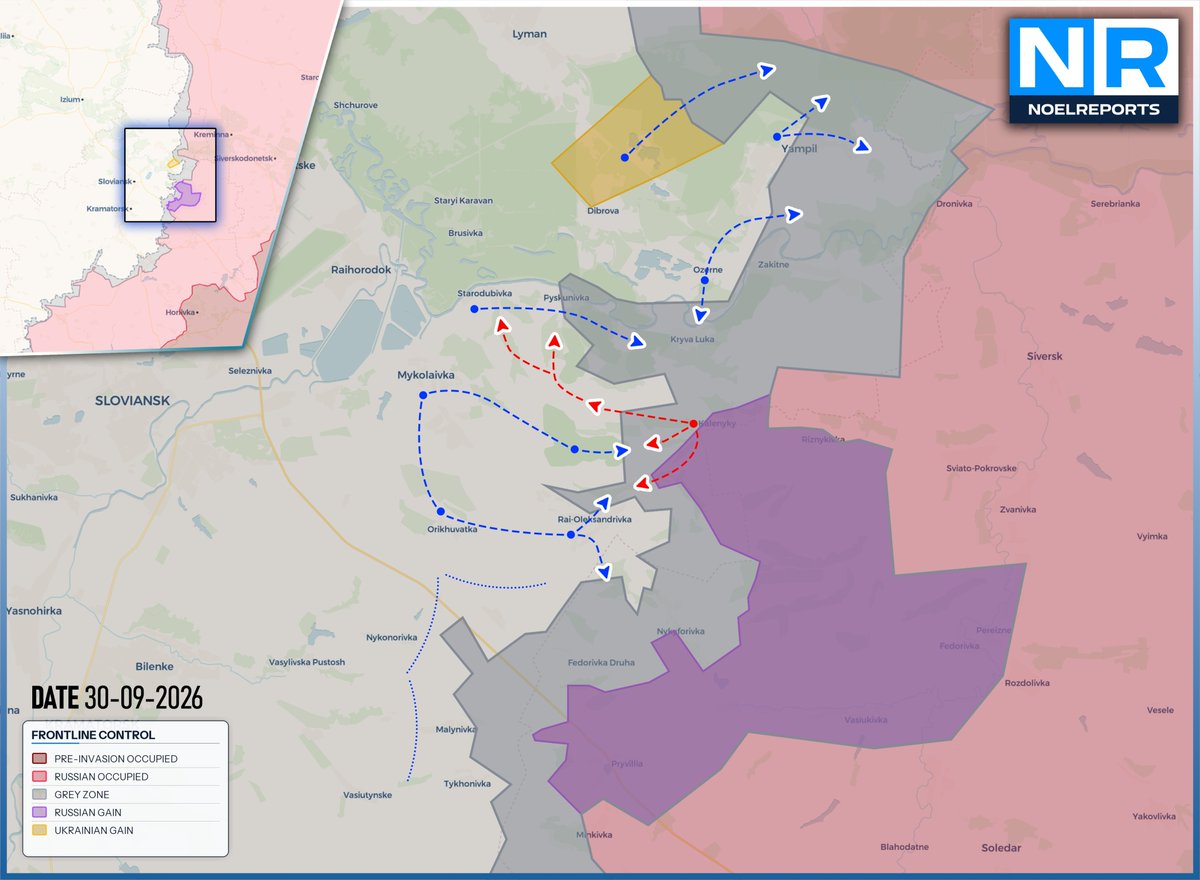
In Donetsk Oblast, Ukrainian forces reported a successful counter‑offensive on 11:43 UTC, with the 66th Mechanized Brigade and elements of the 3rd Army Corps reclaiming over 125 km² of territory during Operation Vivaldi.
"Ukraine Recaptures 125 km² in Operation Vivaldi" – monitor_the_situation, 2026-09-30T11:43:26
Conversely, Russian forces advanced east and northeast of Sloviansk, gaining ground near several villages, as indicated by updated operational maps released at 11:35 UTC.
"Russian Forces Advance Near Sloviansk in Donetsk Region" – monitor_the_situation, 2026-09-30T11:35:21
In the northern front, Zhytomyr experienced a powerful explosion linked to a jet‑powered drone attack at 13:29 UTC, triggering an air‑alert and a citywide power outage.
"A powerful explosion was reported in Zhytomyr, with electricity going out" – intelslava, 2026-09-30T13:29:00
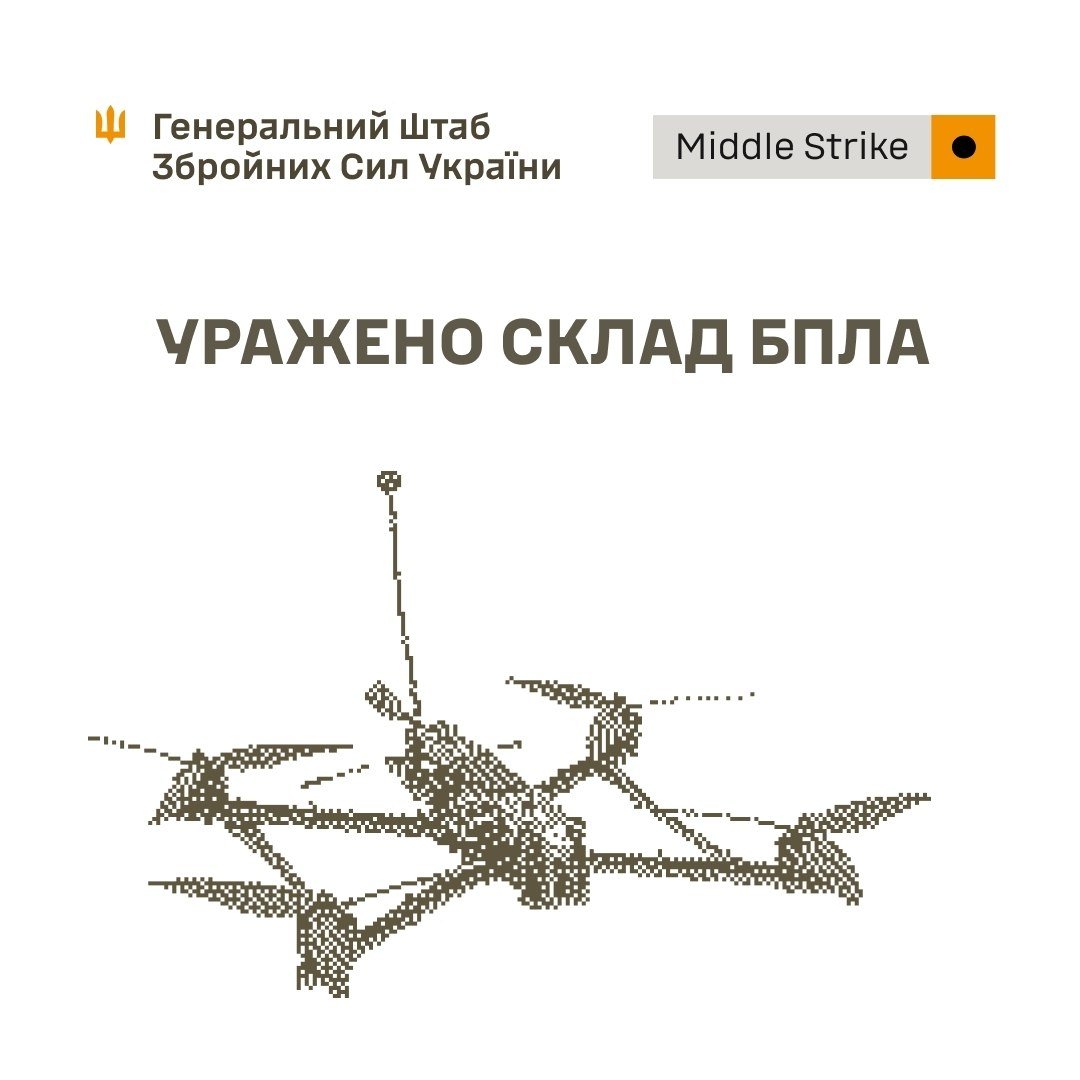
Ukrainian forces also struck Russian UAV storage, command posts and repair bases in Donetsk and occupied Crimea on 08:51 UTC, according to the General Staff, indicating a proactive use of kinetic strikes to degrade Russian aerial capabilities.
"Ukrainian forces hit Russian UAV storage, command posts, and repair bases" – monitor_the_situation, 2026-09-30T08:51:11
Casualty reporting and operational impact
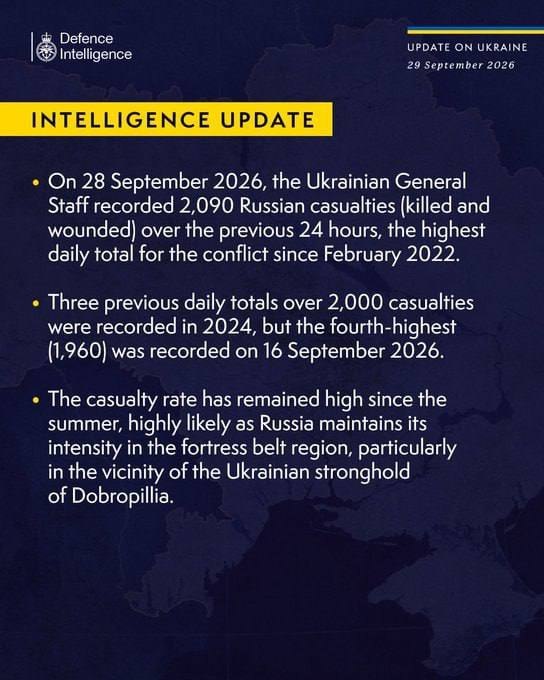
UK Defence Intelligence released a record figure of 2,090 Russian casualties in a 24‑hour period near Dobropillia, Donetsk Oblast, underscoring the intensity of combat in that sector.
"Russia Suffers Record 2,090 Casualties in Ukraine in 24 Hours" – monitor_the_situation, 2026-09-30T07:05:26
These figures, combined with civilian deaths in Kyiv, illustrate a dual‑track conflict: high‑intensity kinetic strikes on urban infrastructure and sustained attrition on the front lines.
Analytical assessment
The concentration of UAV, missile and rocket attacks on Kyiv’s power grid suggests a coordinated effort to exploit seasonal energy demand and to pressure the Ukrainian government ahead of upcoming winter months. The simultaneous escalation of ground combat in Donetsk indicates that Russian command may be attempting to force a redistribution of Ukrainian resources, stretching defensive capacities across multiple axes.
Ukrainian counter‑offensives, while achieving localized territorial gains, face the challenge of operating under intermittent power shortages and disrupted communications caused by the recent strikes. The reported high Russian casualty count near Dobropillia may reflect intensified artillery and close‑quarter engagements, but without independent verification the figure remains an intelligence estimate.
Overall, the kinetic events of 30 September demonstrate a marked increase in both the frequency and lethality of Russian attacks on civilian infrastructure, paired with intensified conventional fighting in the east. Monitoring of power‑grid resilience, civilian casualty trends, and front‑line territorial changes will be essential for assessing the conflict’s trajectory in the coming weeks.