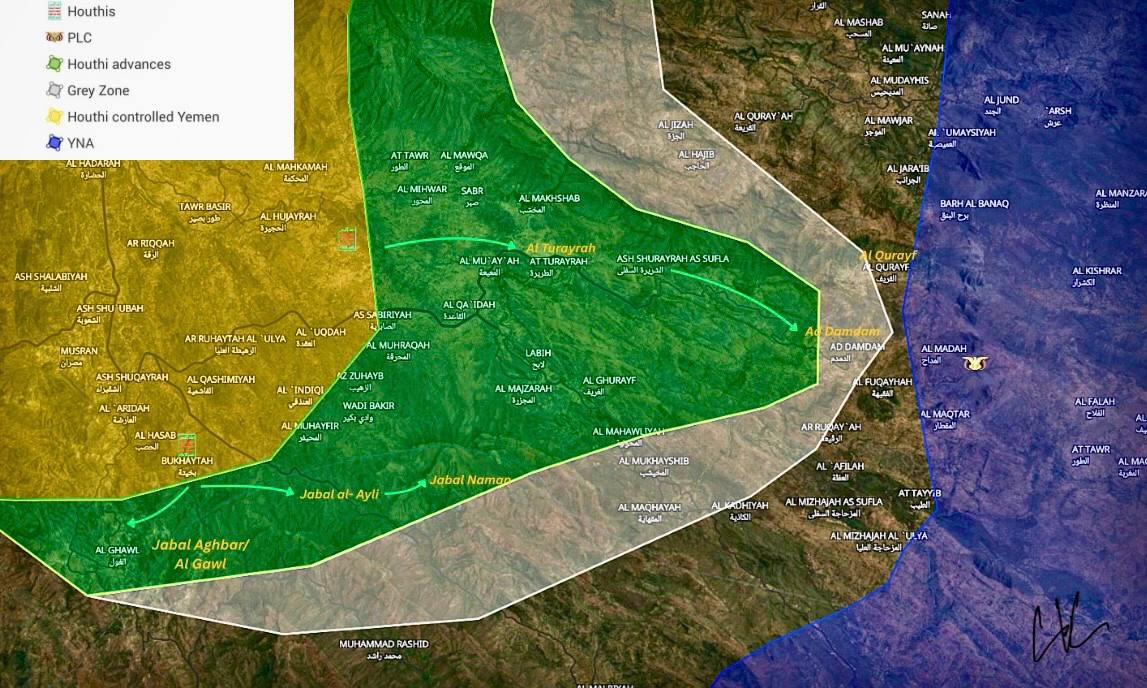
On 30 September 2026 a series of high‑intensity hostilities unfolded across three continents, illustrating the breadth of contemporary conflict dynamics. The day began with a coordinated Israeli double‑tap airstrike in southern Lebanon, continued with a Russian ballistic missile barrage over Kyiv, saw a rare lethal incident involving Somali pirates, and ended with notable ground advances by Ansarullah and Houthi forces in Yemen.
Israel‑Lebanon Airstrikes
At 04:05 UTC, explosions were reported in the Lebanese towns of Ayta al‑Jabal and Mansouri, part of a double‑tap operation attributed to the Israeli Defence Forces (IDF). The first strike hit Ayta al‑Jabal, followed moments later by a second strike on Mansouri, a pattern intended to target residual personnel or equipment after the initial blast. No casualty figures were released in the immediate reports, and the weapons employed were not specified beyond standard aerial munitions. The events were documented by the open‑source intelligence channel rnintel and later echoed by monitor_the_situation.
"Explosions were documented in Ayta al‑Jabal, followed by an Israeli double‑tap airstrike against Mansouri,"(source: rnintel). The strikes underscore the ongoing volatility along the Israel‑Lebanon border, where cross‑border artillery and aerial operations have intensified since the 2023 escalation.
Russian Missile Barrage Over Kyiv
Just before midnight UTC, at 00:34 UTC, Russian forces launched a salvo of ballistic missiles toward Kyiv, Ukraine’s capital. Ukrainian air‑defence units engaged the incoming threats with interceptors from two separate systems, achieving partial interception. The exact damage assessment remains pending, and no civilian or military casualty numbers have been confirmed. The launch and subsequent engagements were reported by the Telegram channel monitor_the_situation and corroborated by the @FaytuksNetwork feed.
"Interceptors from two defense systems engaged incoming missiles; damage and impact locations unknown. Drone threat to the capital persists,"(source: monitor_the_situation). The attack reflects Russia’s continued use of long‑range precision weapons to pressure Ukrainian urban centers, despite the increasing effectiveness of Kyiv’s layered air‑defence architecture.
Somali Piracy Resurges
In a development that broke a decade‑long lull in lethal piracy incidents, Somali armed groups seized a commercial tanker in the Gulf of Aden and killed five crew members. The hijacking, reported by Al Jazeera, marks the first confirmed pirate‑caused fatalities since 2015. Details on the vessel’s flag, cargo, or the exact location of the attack were not disclosed, and no specific weapons were identified beyond small arms typically used by pirate crews. The incident raises concerns about a potential resurgence of maritime crime in a region where international naval patrols have been scaled back.
"Somali pirates killed five crew members on hijacked tanker, officials say,"(source: Al Jazeera). Analysts note that the convergence of economic hardship and reduced security presence may be fueling a renewed willingness among pirate networks to employ lethal force.
Yemen: Ansarullah and Houthi Ground Movements
On the Arabian Peninsula, the conflict in Yemen saw significant territorial shifts. At 00:34 UTC, the Ansarullah movement, aligned with the Houthi political‑military apparatus, advanced southward from Al Qashimiyah, capturing the villages of Al Ghawl and Jabal al‑Ayli in the Al Mazaq area. Simultaneously, Houthi forces pushed eastward toward Al Qurayf, securing the hamlet of Ad Damdam and a string of smaller settlements including Al Turayrah and Jabal Na. The operation, reported by the geospatial monitoring service GeoPWatch, reflects a coordinated effort to consolidate control over strategic high‑ground and supply routes in the Jabal Aghbar slopes.
"Following a week of heavy fighting in the Al Mazaq area Ansarullah managed to advance south of Al Qashimiyah into the Jabal Aghbar slopes as well as capturing the villages of Al Ghawl and Jabal al‑Ayli,"(source: GeoPWatch). No casualty figures were released, and the weapons employed were not detailed, though the pattern suggests conventional small‑arms and artillery support typical of the Yemeni theater.
Collectively, these events illustrate a pattern of simultaneous, multi‑domain confrontations: aerial precision strikes in the Levant, strategic missile use in Eastern Europe, maritime piracy in the Horn of Africa, and conventional ground offensives in the Arabian Peninsula. The overlapping timelines underscore the challenges faced by regional security architectures, which must allocate limited resources across disparate threat environments while contending with the rapid diffusion of information through open‑source channels.