On 28 September 2026 Russian aerial operations intensified across Ukraine, resulting in eight civilian deaths and dozens of injuries. According to AlJazeera, Moscow deployed nearly 4,000 drones, aerial bombs and missiles in the preceding week, marking the most sustained kinetic effort since the start of the conflict.
Russian attacks across Ukraine have killed eight people and injured dozens, with nearly 4,000 drones, aerial bombs and missiles used in the past week.
Targeted Strikes in Kyiv
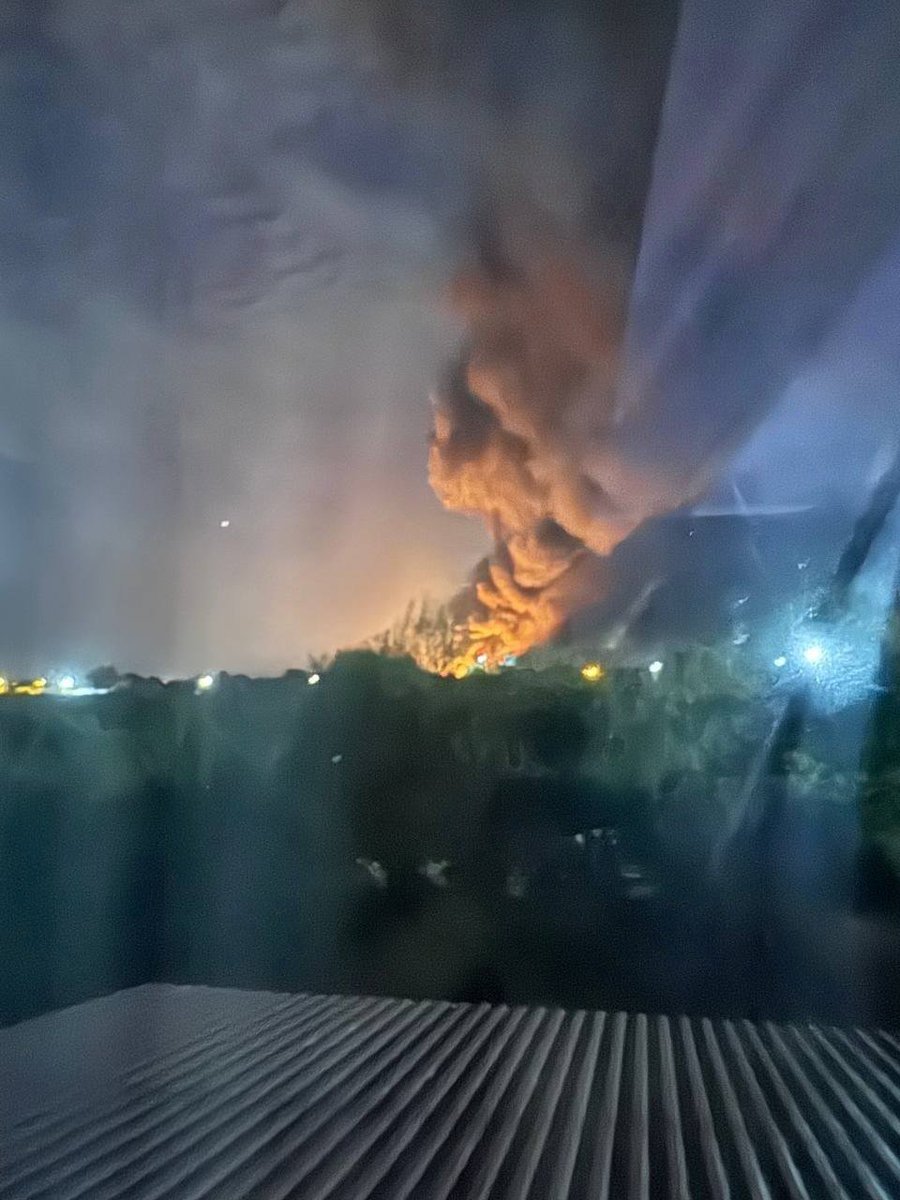
At 04:31 UTC, Russian drones and missiles struck a crowded market and a nearby gas station in Kyiv, killing two civilians and wounding eight others. The attacks were reported by the Telegram channel monitor_the_situation, which documented the explosions and the subsequent emergency response. The weapons used included a combination of unmanned aerial vehicles (UAVs) and precision‑guided missiles, underscoring the continued focus on civilian infrastructure in the capital.
Large‑Scale Attack on Kharkiv Oblast
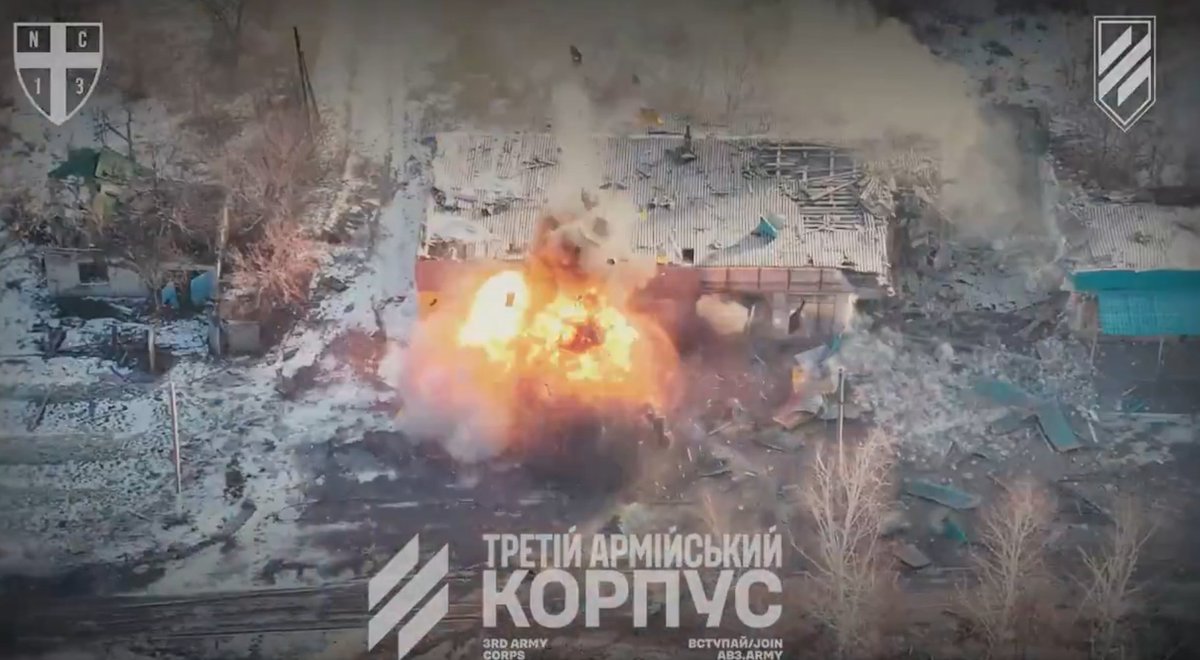
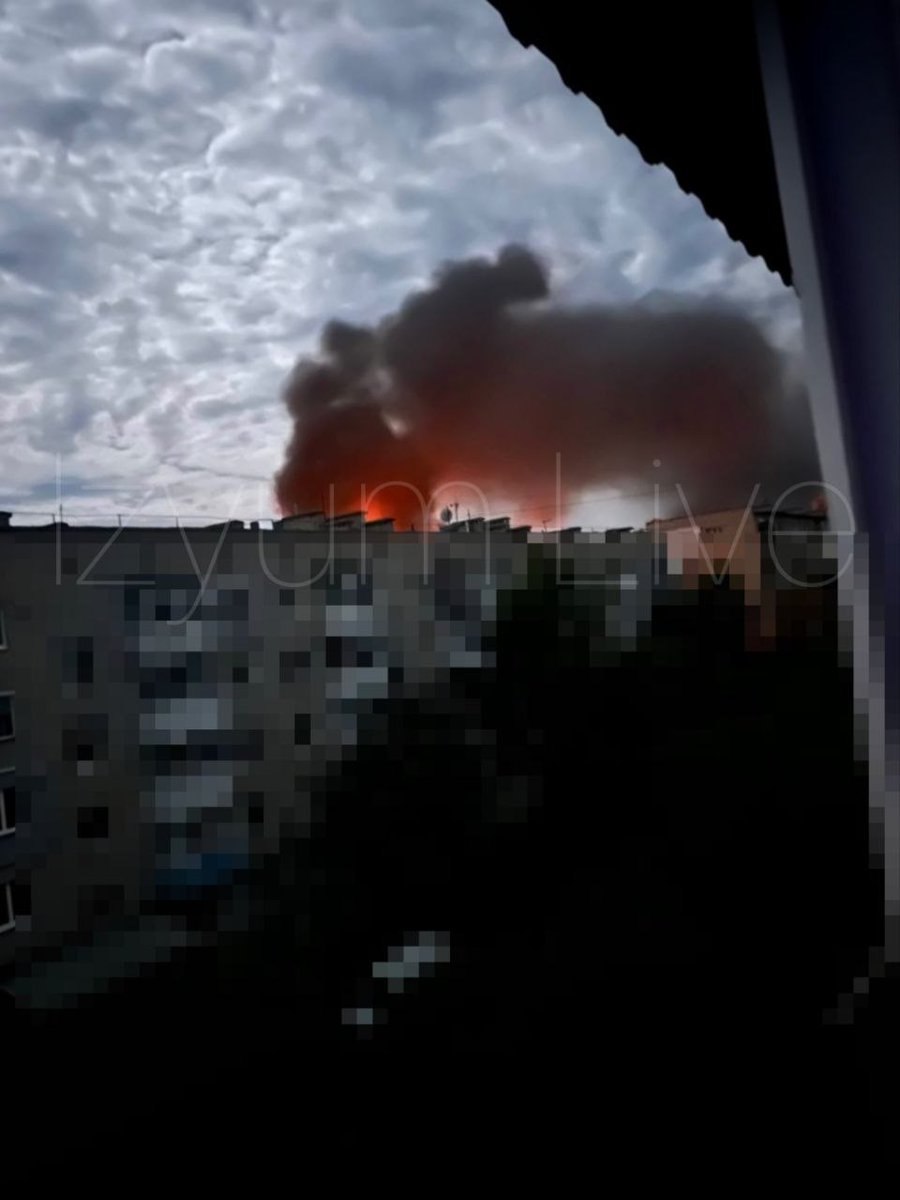
Shortly before the Kyiv incident, at 04:21 UTC, Russian forces launched a coordinated strike across Kharkiv Oblast. Drones, cruise missiles, multiple launch rocket systems (MLRS) and glide‑bombs targeted the cities of Kharkiv, Chuhuiv, Andriivka, Balakliya and Izyum. The operation, reported by monitor_the_situation and corroborated by the @AMK_Mapping_ account, caused extensive material damage but, as of the reporting time, no confirmed civilian casualties were released. The breadth of weapon systems employed illustrates a shift toward combined‑arms aerial bombardment in the eastern theater.
Ukrainian Counter‑offensive Near Lyman
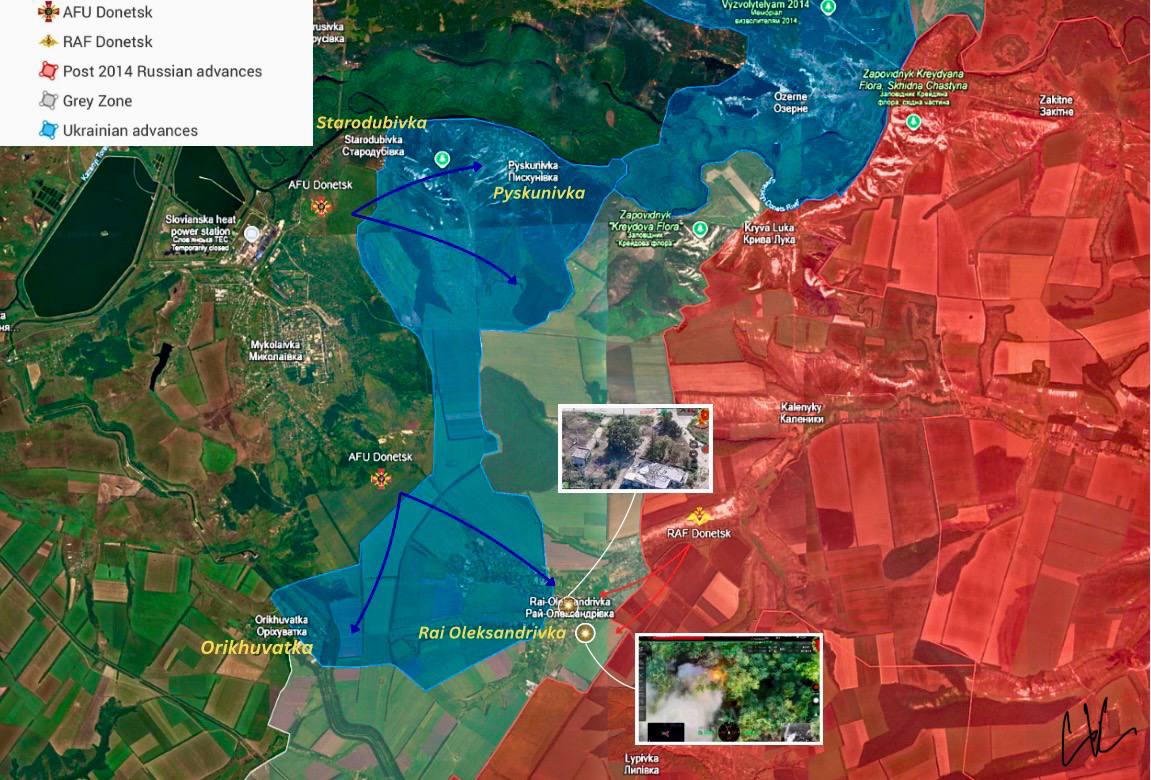
In the same timeframe, Ukrainian forces advanced approximately 9 km east of Lyman in Donetsk Oblast, forcing Russian troops to retreat toward Kreminna and Rubizhne. The movement, documented at 05:59 UTC by monitor_the_situation, was supported by Ukrainian drone reconnaissance and strike assets that suppressed Russian defensive positions. Photographic evidence posted on the channel shows Ukrainian infantry and armored units establishing forward positions, indicating a sustained push eastward after weeks of attritional fighting.
Cross‑border Drone Activity and Russian Infrastructure Targets
Ukrainian drone operations extended into Russian territory on 28 September. At 05:27 UTC, drones struck oil depots in Krasnodar Krai, including the Edelweiss‑95 facility, igniting fires and disrupting fuel supplies. A second attack at 01:48 UTC targeted the Pavlovskaya oil depot, also in Krasnodar Krai, resulting in a significant blaze. Both incidents were reported by monitor_the_situation and highlight Ukraine’s expanding use of UAVs for strategic sabotage of Russian logistics.
Within Kyiv, Russian UAVs continued to cause localized damage. At 04:56 UTC, a Geran‑4 drone hit a petrol station in the Holosiivskyi District, generating a large fire but no casualties. Later, at 02:17 UTC, a Geran‑5 loitering munition struck the DreamLine data center in the Pecherskyi District, temporarily disabling the facility. These attacks, reported by intelslava, demonstrate the Russian reliance on expendable loitering munitions to target both civilian and critical infrastructure.
Additional Regional Developments
Other conflict‑related events on 28 September included a reported Iranian cruise missile strike in the Strait of Hormuz that wounded eight U.S. Marines, and Saudi missile strikes on eastern Saada, Yemen, which targeted urban areas and villages in the Al Thabit district. While unrelated to the Ukrainian front, these incidents reflect the broader pattern of high‑intensity missile and drone usage in multiple theaters.