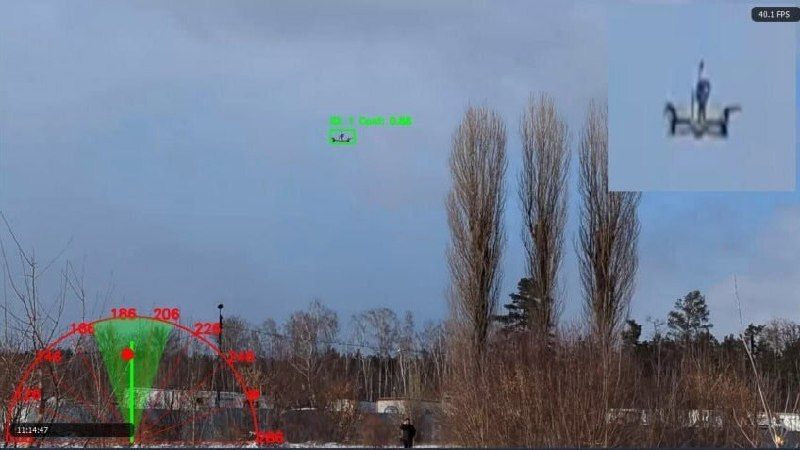
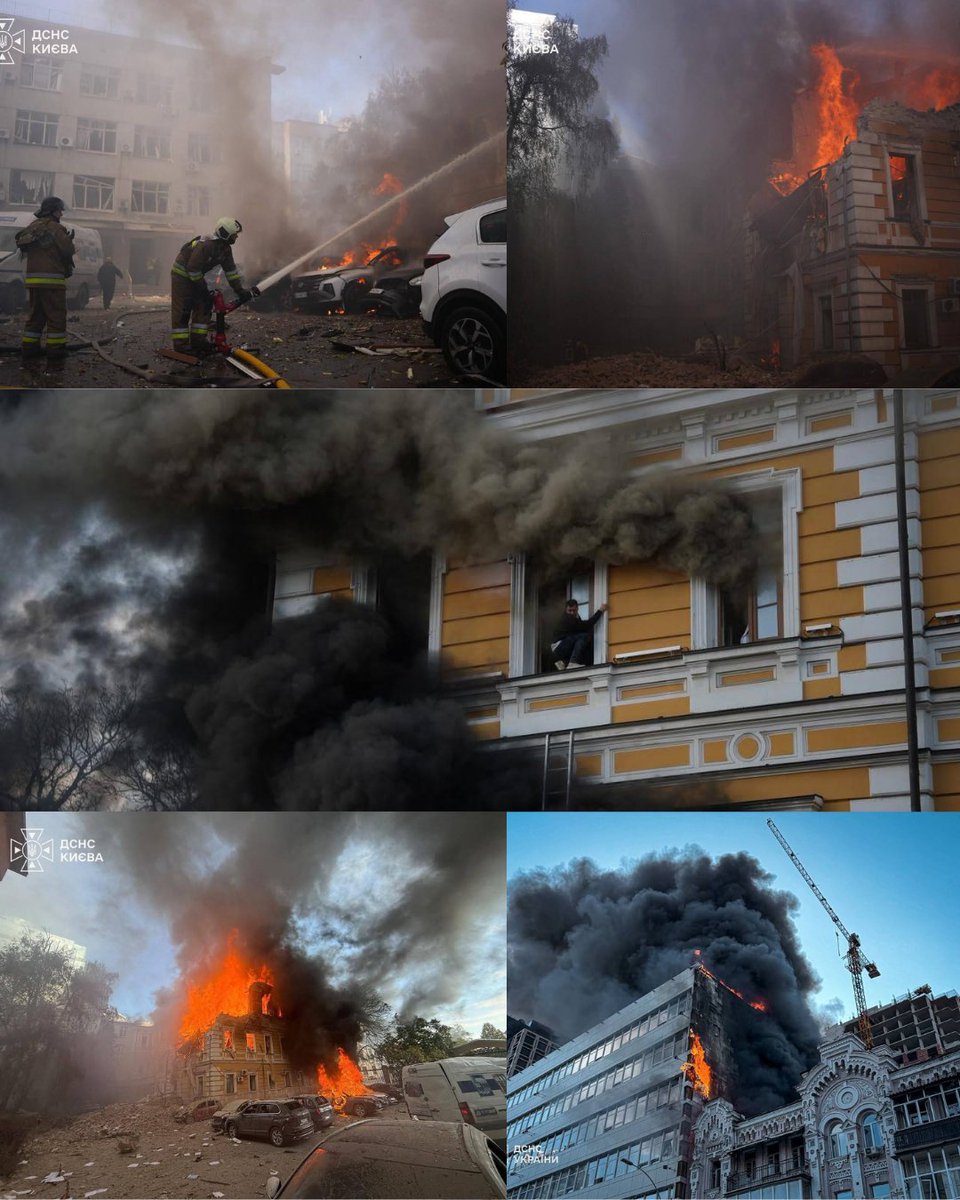
On 28 September 2026 a Russian Geran‑5 unmanned aerial vehicle struck the National Academy of Sciences in Kyiv, igniting a fire that killed at least one civilian and forced staff to flee through windows. The attack, reported by BellumActaNews and corroborated by multiple Telegram channels, marks the most lethal single‑event strike in Ukraine’s capital in weeks and underscores the intensifying aerial campaign against civilian and scientific infrastructure.
Escalating UAV Assaults on Kyiv
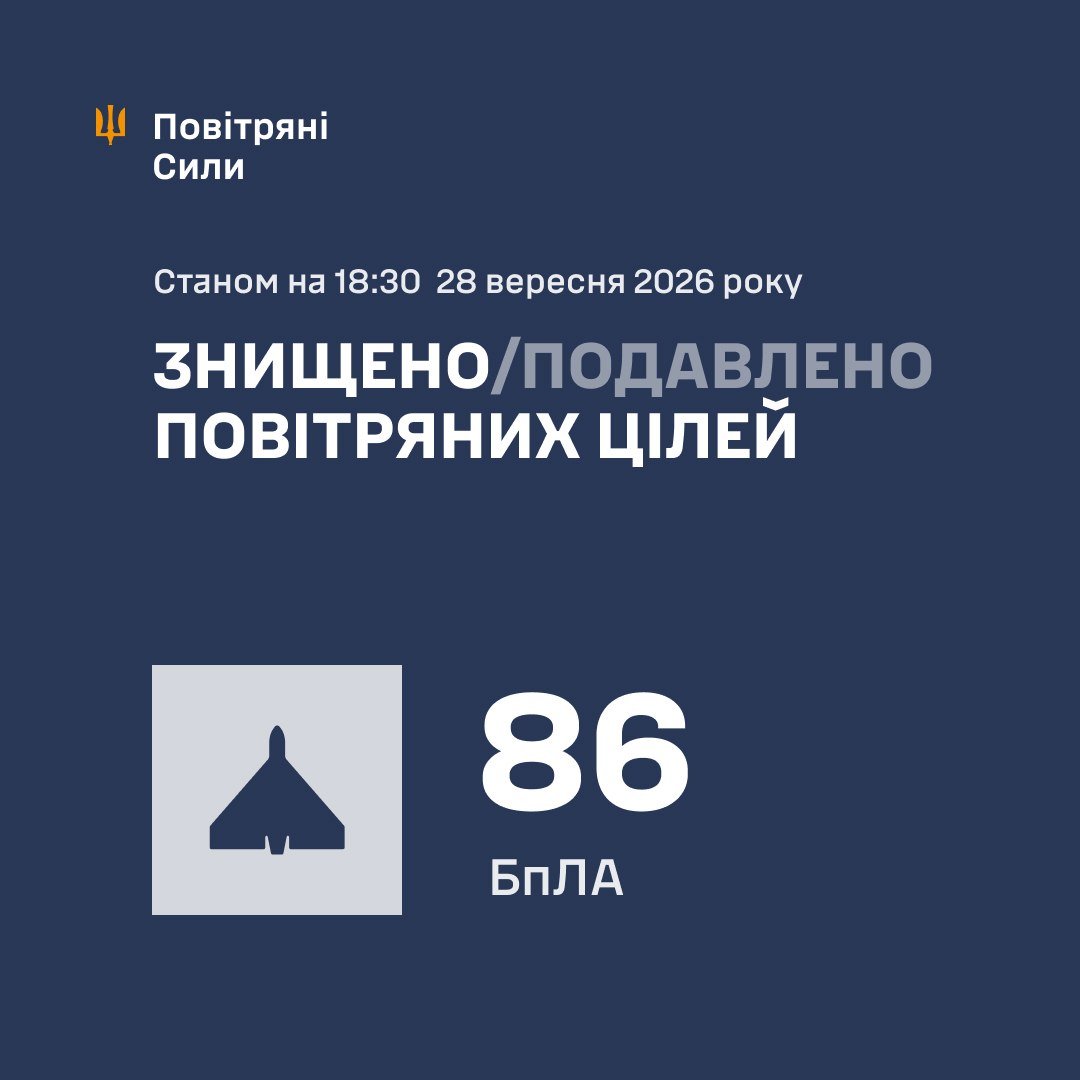
Between 14:00 and 18:00 UTC, Russian forces launched a coordinated swarm of 124 drones targeting the Kyiv region, according to monitor_the_situation. Ukrainian air defenses intercepted 86 of the aircraft, but the remaining drones struck 26 sites, including the National Academy of Sciences, the Dobrobut Medical Center, a warehouse in the Pochaina district, and a business centre in the Incom building. The Incom strike, captured on video by a second loitering UAV, killed four people and damaged critical data‑hosting infrastructure operated by Datagroup.
"The sky over the country’s capital is essentially fully under Russia’s control," Ukrainian MP Oleksiy Honcharenko said after the Academy strike, questioning the effectiveness of Ukraine’s air‑defence network.
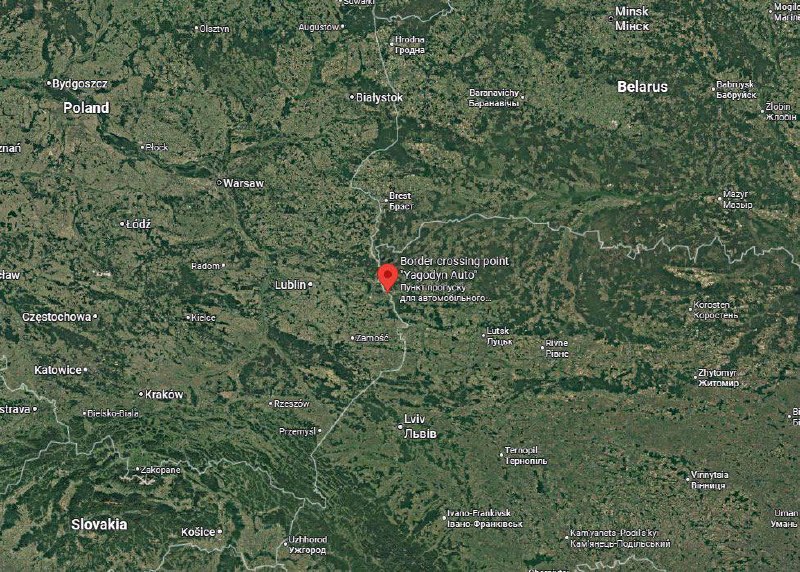
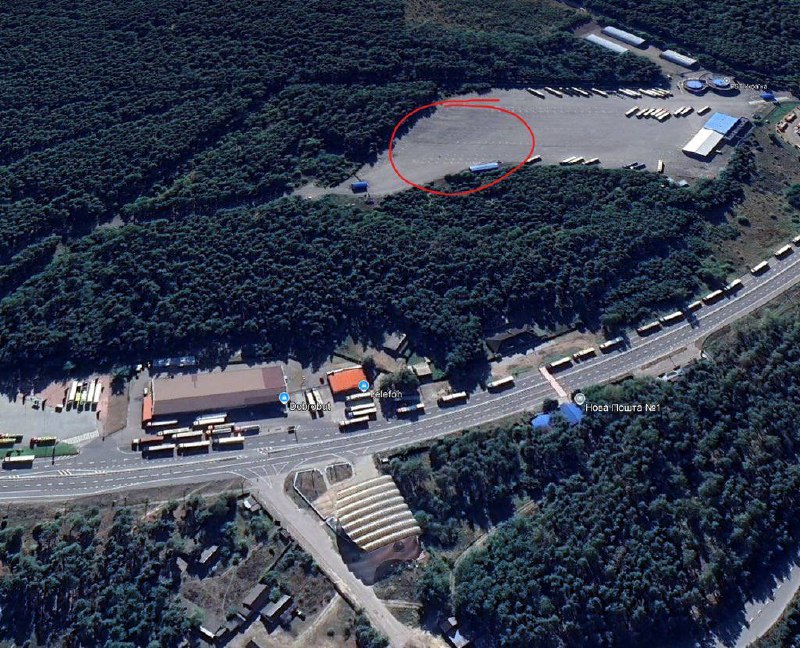
Additional UAV attacks hit a McDonald’s warehouse in Brovary and a truck parking area at the Yahodyn border crossing in Volyn Oblast, though no casualties were reported in the latter incidents. The Geran‑5 and jet‑powered Shahed drones employed in these strikes demonstrate a diversification of Russian UAV capabilities, ranging from loitering munitions to reconnaissance platforms.
Operation Vivaldi: Ground Offensive in Donetsk
Ukraine’s 3rd Army Corps announced that Operation Vivaldi, now in its third phase, inflicted 5,000 Russian casualties in Donetsk Oblast, including 250 surrenders. The corps reported the destruction of fortified positions and Rubikon drone launch sites using robotic BTR‑60 armored vehicles. Earlier on the same day, the corps claimed the recapture of five villages and an advance of 51 km², bringing the total reclaimed area to 176 km² since the offensive began. These figures were disseminated by the Telegram channel monitor_the_situation and reflect a significant, though unverified, shift in the ground battle line.
Key Urban Targets Hit Across Kyiv
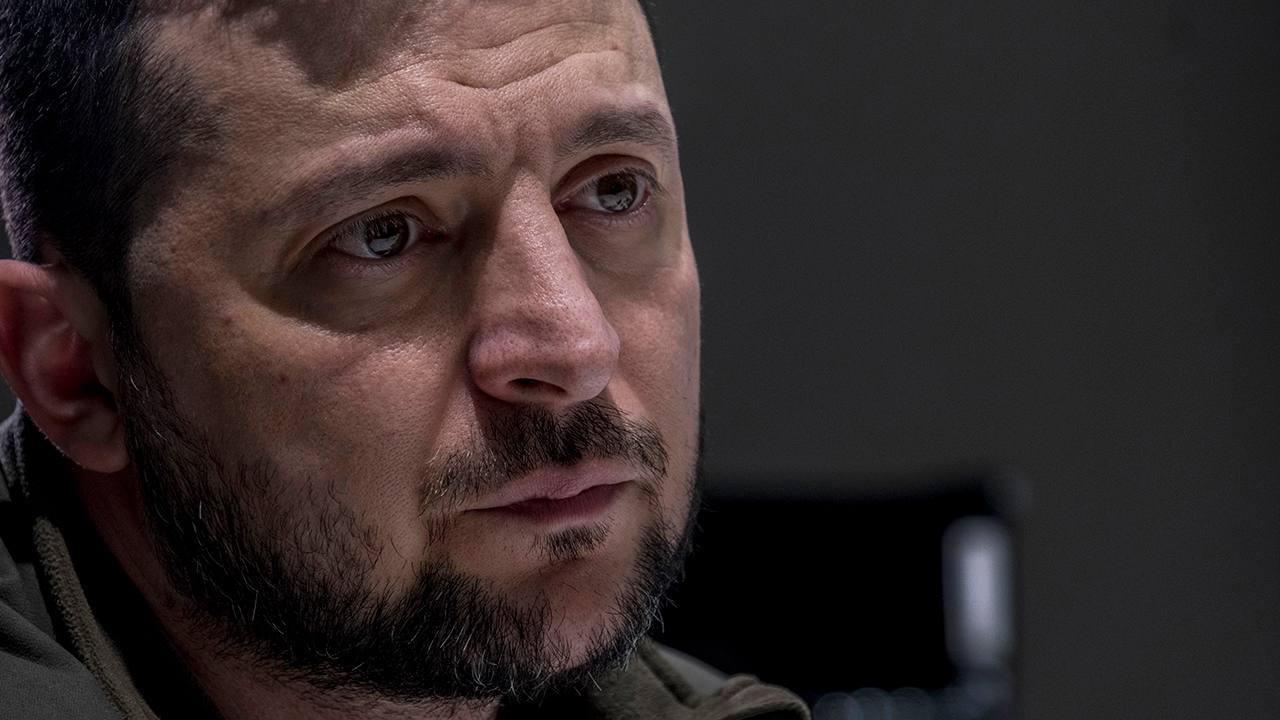
Beyond the Academy, Russian strikes damaged a central medical facility, as noted by President Volodymyr Zelensky in a statement relayed by intelslava. The Dobrobut Medical Center caught fire after a separate strike at 14:21, with casualty numbers still pending. At 15:59, Russian forces claimed to have neutralised the Ukrtelecom data centre, a critical node for military communications, and reported hits on two cargo vessels en route to Odessa. The Darnitsa pharmaceutical plant suffered three separate attacks, further disrupting civilian supply chains.
In the business district of Dnipro, a Russian missile strike on a commercial centre caused extensive structural damage and unconfirmed casualties, as reported by monitor_the_situation. Similarly, a strike on a business centre in Kyiv’s central area at 11:27 ignited multiple fires, compounding the humanitarian impact of the aerial barrage.
Ukrainian Anti‑Drone Measures
In response to the surge of UAV threats, Ukrainian forces tested active protection systems that intercepted 60‑80 % of FPV drones in controlled trials, according to a 15:00 briefing from monitor_the_situation. The 1020th Anti‑Aircraft Missile and Artillery Regiment also demonstrated the Yastrub jet‑powered interceptor, successfully destroying a Geran‑5 drone over Donetsk Oblast. These developments indicate a rapid acceleration in Ukraine’s counter‑UAV capabilities, though the sheer volume of incoming drones continues to strain the system.
Casualties and Humanitarian Impact
Across the weekend of 25‑27 September, strikes on civilian infrastructure in Ukraine and Russia resulted in at least 48 civilian deaths and 183 injuries, with the Kyiv region accounting for three fatalities and 32 injuries, as compiled by monitor_the_situation. The latest attacks on 28 September added at least one confirmed death at the National Academy of Sciences and four additional fatalities at the Incom business centre. The cumulative effect of fires, structural damage, and disruptions to medical and communications facilities raises acute concerns for civilian safety and emergency response capacity.
Strategic Implications
The concentration of UAV attacks on Kyiv’s scientific, medical, and logistical nodes suggests a Russian intent to degrade Ukraine’s civil‑military resilience while testing the limits of Kyiv’s air‑defence envelope. Simultaneously, the reported high Russian casualty figures in Donetsk, if accurate, could signal a costly attrition phase for Russian ground forces, potentially influencing future operational tempo on the eastern front.
Overall, the day’s kinetic events illustrate a dual‑track conflict: a high‑intensity aerial campaign over the Ukrainian capital and a grinding ground offensive in the Donbas. Both dimensions are shaping the tactical and strategic calculus for Kyiv and Moscow as the war enters its third year.