President Volodymyr Zelensky announced on September 27 that Ukrainian forces have seized the initiative in the Lyman sector of Donetsk Oblast, while claiming that more than 10,000 Russian troops have been killed or wounded in the past week. The statement, relayed by the Telegram channel monitor_the_situation, underscores a sharp escalation in ground combat and marks the most significant development of the day.
Lyman Breakthrough and Russian Casualties
Zelensky’s claim of "over 10,000 Russian troops killed or wounded this week" was accompanied by a visual confirmation of Ukrainian units advancing toward Lyman, a strategic rail hub that has been contested since the early phases of the war. While independent verification of the casualty figure remains pending, the Ukrainian Armed Forces have reported the capture of several forward positions around the town, suggesting a tangible shift in the local front line.
"Designated objectives are being achieved," Zelensky said, emphasizing that the offensive is part of a broader counter‑offensive aimed at liberating occupied territories.
Both Ukrainian and Russian forces continue to contest the area, and the intensity of artillery and close‑quarter combat is expected to rise in the coming days.
Donbas: Massive Reported Russian Losses
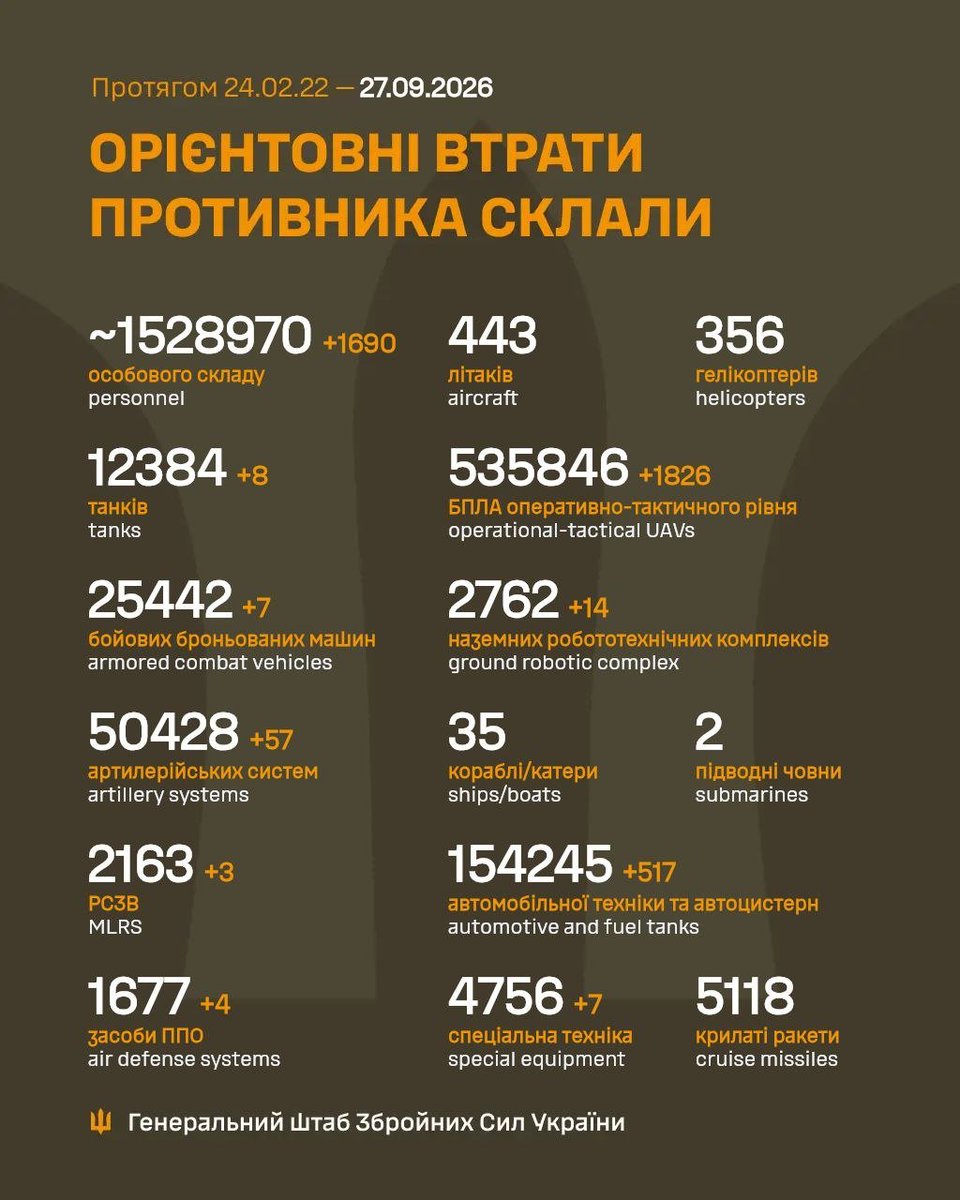
Earlier in the day, the Ukrainian General Staff released a detailed casualty report for the Donbas region, stating that 1,690 Russian personnel were killed within a 24‑hour period. The same update listed the destruction of eight tanks, 57 artillery pieces and a staggering 1,826 unmanned aerial vehicles (UAVs). The figures were posted on the same Telegram channel (monitor_the_situation) and are corroborated by satellite imagery showing multiple cratered tank tracks and smoke plumes over known Russian positions.
Key equipment losses include:
- Eight main battle tanks, likely T‑72B3 variants.
- Fifty‑seven artillery systems, primarily 2S19 Msta‑S and D‑30 howitzers.
- 1,826 UAVs, a mix of Shahed loitering munitions and Russian‑produced Geran‑4/5 drones.
The reported attrition, if accurate, would represent one of the highest single‑day loss rates for Russian forces since the conflict began.
Kyiv Under Sustained Missile Pressure
The capital city experienced its worst month since 2022, with 155 missile strikes recorded in September alone, bringing the annual total to approximately 665. The strikes, documented by the CIG_telegram channel (CIG_telegram), employed a variety of Russian weapons, including Geran‑4, Geran‑5 cruise missiles and the Banderol anti‑ship missile adapted for land use.
While the majority of impacts have hit peripheral districts, several strikes have damaged civilian infrastructure, prompting renewed calls for reinforced air‑defence coverage around Kyiv and its surrounding oblast.
Russian Geran‑5 Cruise Missile Hits Kyiv Business Center
At 16:08 UTC, a Russian Geran‑5 cruise missile struck the Inkom Business Center in Kyiv’s Solomyanskyi district. The attack was captured in real‑time by a Russian UAV equipped with an HD camera, a development that highlights Moscow’s growing capability for live battle‑damage assessment. The incident, reported by monitor_the_situation, caused significant structural damage but resulted in no confirmed civilian casualties.
Authorities have initiated a full structural assessment and are reinforcing nearby commercial zones against further missile incursions.
UAV Swarms and Data‑Centre Attacks
Russia launched a coordinated swarm of 170 drones against Ukrainian targets overnight. Ukrainian air‑defence forces intercepted or suppressed 147 of the drones, including 76 Shahed loitering munitions, according to the same Telegram source (monitor_the_situation). The remaining drones struck 18 locations, primarily logistics hubs and data‑centre facilities.
Notable UAV strikes included:
- Geran‑4 and Geran‑5 drones hitting 11 Ukrainian data‑centres—ten in Kyiv and one in Dnipro—causing outages and damage to critical servers.
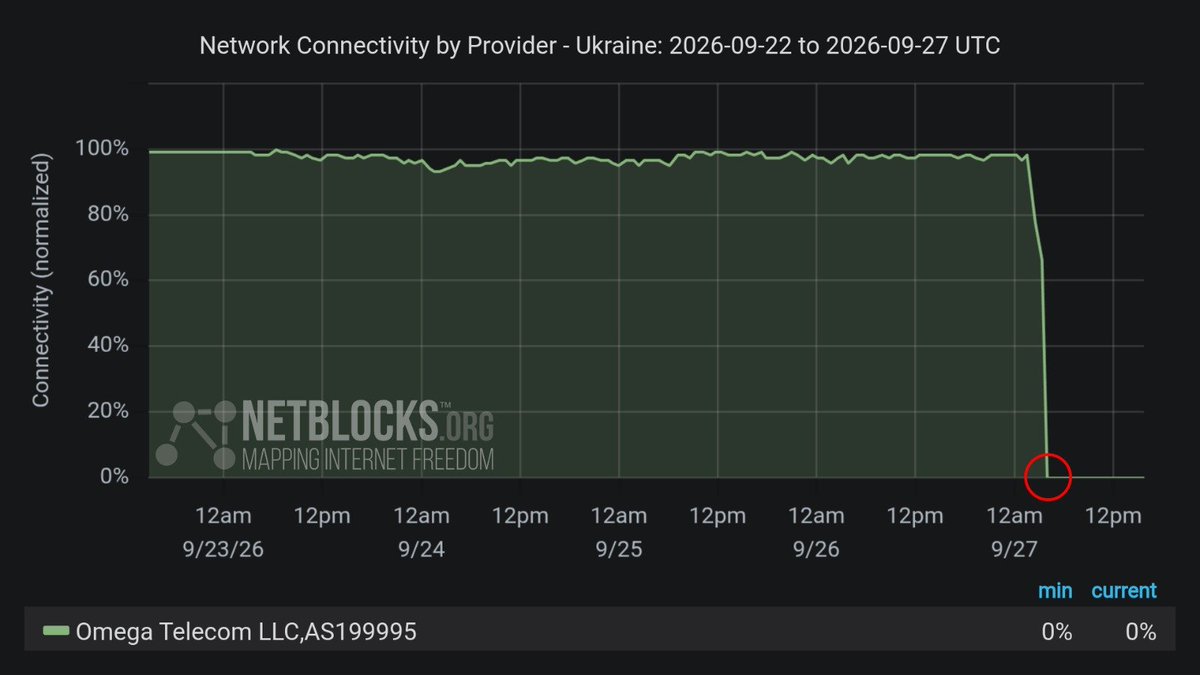
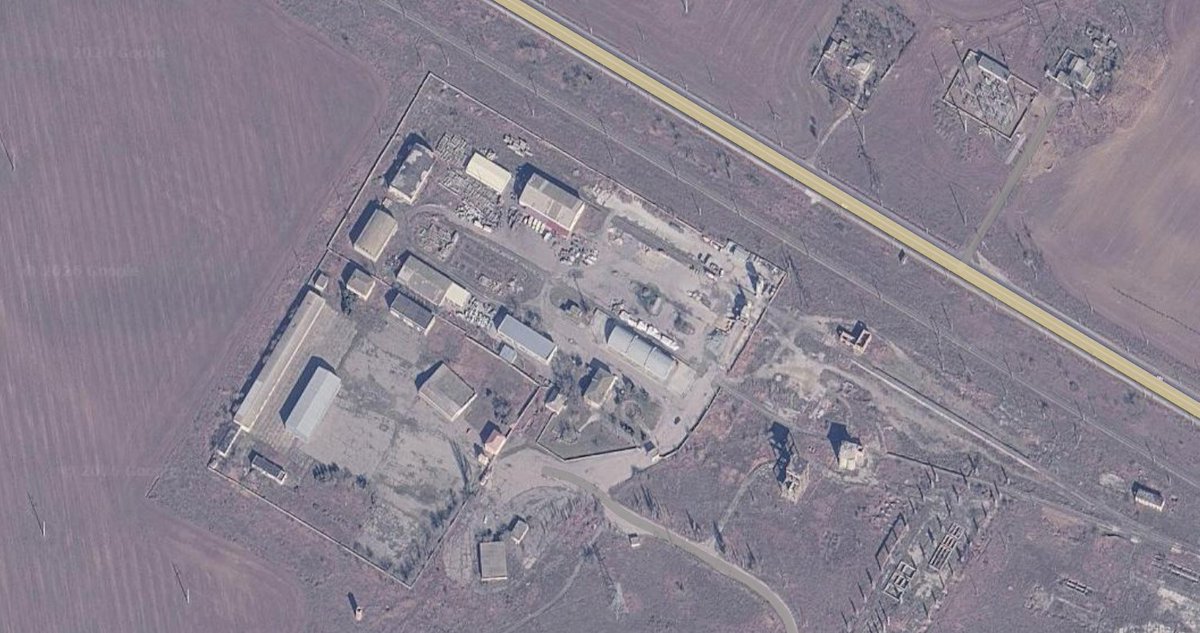
- A Geran‑5 strike on the Omega Telecom data centre in Kyiv, reported at 15:59 UTC (monitor_the_situation).
- Geran‑4 attacks on a logistics warehouse in Krasylivka, Kyiv Oblast, igniting a large fire (monitor_the_situation).
These UAV operations demonstrate a shift toward targeting Ukraine’s digital infrastructure, aiming to degrade command‑and‑control capabilities and civilian communications.
Kamikaze Ground Robots in Donetsk
Ukraine’s NC13 strike unit deployed unmanned ground vehicles (UGVs) equipped with Bullspike grenade launchers in Donetsk Oblast. The robots, described as “kamikaze” because they self‑detonate after delivering their payload, were remotely operated from tens of kilometres away. Video evidence posted by monitor_the_situation shows the robots approaching Russian defensive positions, firing grenades, and then detonating inside fortified shelters.
This novel use of autonomous ground systems adds a new dimension to the kinetic contest in the Donbas, allowing Ukrainian forces to strike heavily defended points without exposing personnel to direct fire.
Continued Russian Drone Swarms and Ukrainian Counter‑Measures
In addition to the large‑scale swarm, Russia conducted numerous targeted drone attacks across the country:
- Geran‑4 drones struck the Nyvky and Teremky districts of Kyiv, causing localized explosions (monitor_the_situation).
- Geran‑4 drones hit a bridge in Mayaky, Odesa Oblast, damaging the structure and a column of trucks (monitor_the_situation).
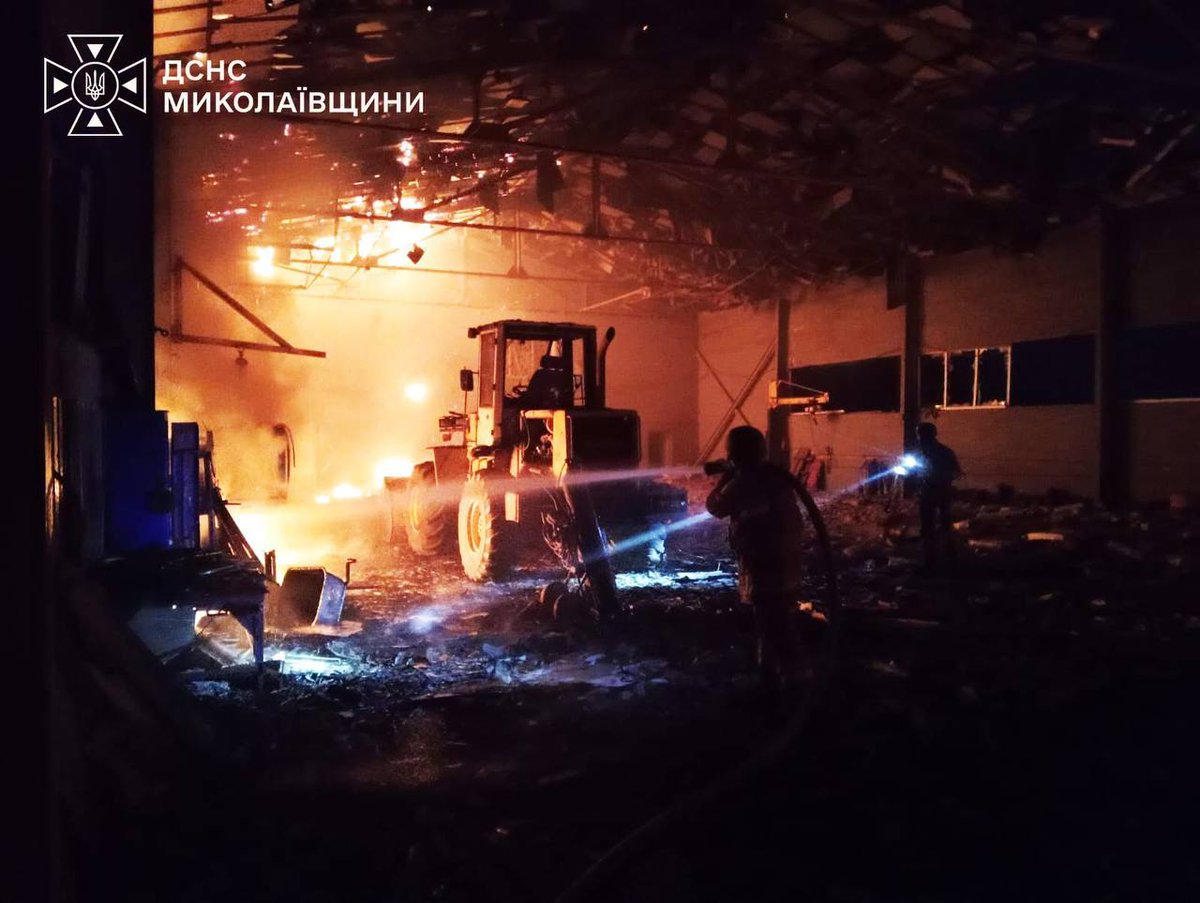
- Geran‑4 drones attacked warehouse facilities in Mykolaiv, which Russia’s Defense Ministry claims stored drone components (monitor_the_situation).
Ukrainian air‑defence units reported a high interception rate, but the sheer volume of attacks continues to strain the system and underscores the importance of layered defence.
Russian Ground Gains in Donetsk
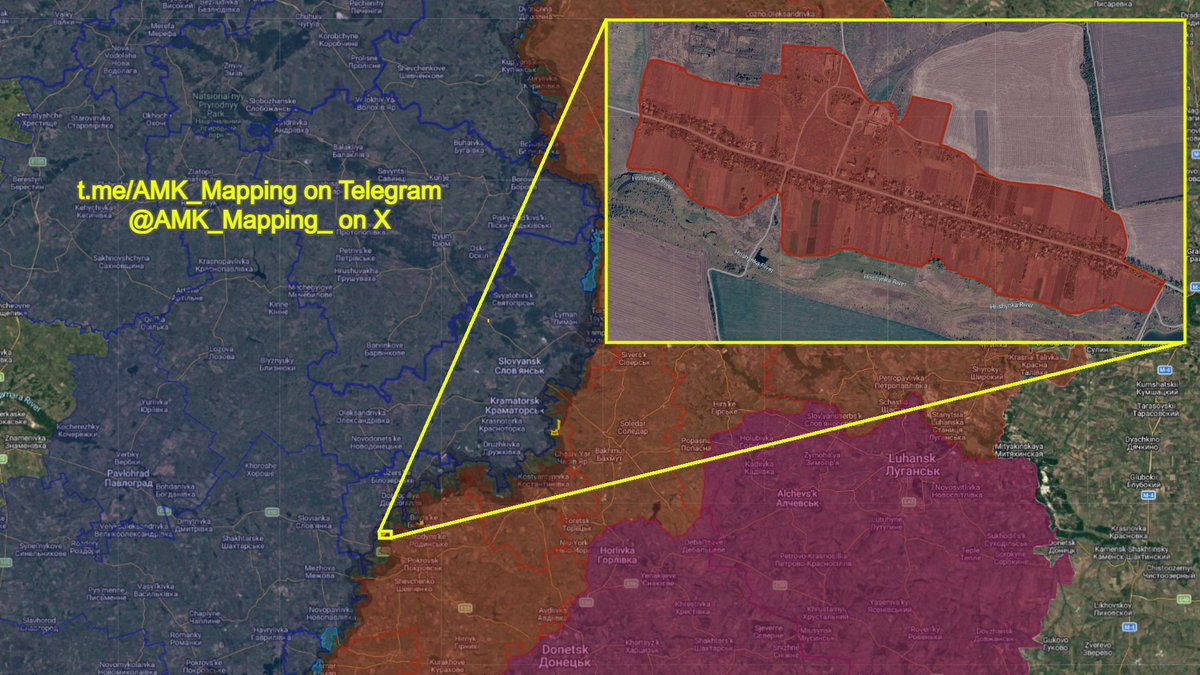
Amid the broader Ukrainian offensive, Russian forces captured the village of Myrne in Pokrovsk District, Donetsk Oblast, after three months of fighting. The takeover, confirmed by photographic evidence on monitor_the_situation, reflects ongoing contestation of smaller settlements even as larger fronts shift.
Control of Myrne provides Russian troops with a modest logistical foothold near the front line, but its strategic impact remains limited compared with the larger Lyman and Donbas developments.
Overall Assessment
The events of September 27 illustrate a day of heightened kinetic activity across Ukraine’s battlefield. Ukrainian forces are reporting significant territorial advances and employing emerging technologies such as kamikaze ground robots, while Russian forces continue to rely on high‑volume UAV and missile attacks to pressure urban centres and critical infrastructure. The reported casualty figures, if verified, suggest a steep increase in Russian personnel losses, potentially influencing operational tempo on both sides in the weeks ahead.