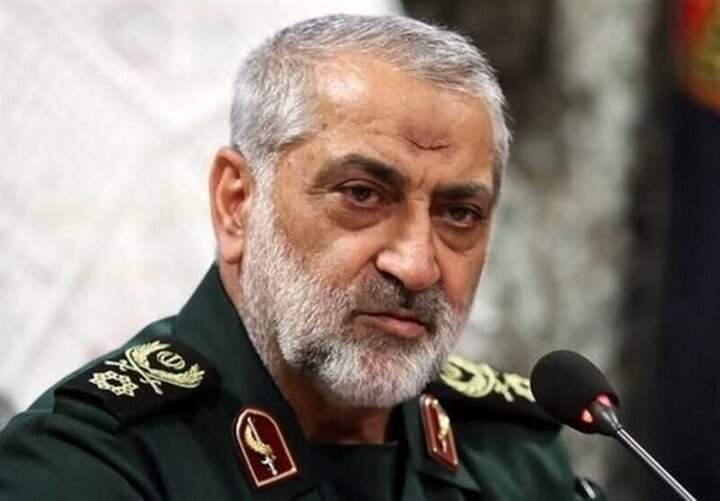
Iran’s armed forces announced on September 27 that the Strait of Hormuz remained under Tehran’s control after what officials described as one of the largest missile barrages in recent months. The barrage, launched from Iranian territory, involved dozens of precision‑guided missiles that flew over the narrow waterway separating Oman and Iran, a critical chokepoint for global oil shipments. General Abolfazl Shekarchi, spokesperson for the Iranian Armed Forces, warned that the strikes were part of a broader campaign to punish the United States and Israel, even after the declared end of hostilities in the region.
"The Strait of Hormuz remains under Iranian control. We will continue to pursue punishment against President Trump and Prime Minister Netanyahu," General Shekarchi told state media, emphasizing Iran’s resolve to deter perceived external aggression.
The missile launch, reported by GeoPWatch, did not result in immediate civilian casualties, but the threat to commercial shipping heightened market anxiety and prompted several vessels to reroute. The Iranian statement referenced “missiles” as the weapon system, underscoring the strategic use of long‑range firepower to assert maritime dominance.
Assassination of a Kidnapped Terrorist in Gaza
In the Gaza Strip, a separate episode of violence unfolded early in the morning. According to the Jerusalem Post, a terrorist who had abducted Israeli civilian Noa Argamani on October 7, 2023, was killed during Israeli weekend strikes. Argamani, who had been rescued in the 2024 Operation Arnon alongside three other hostages—Andrey Kozlov, Almog Meir Jan, and Shlomi Ziv—had become a focal point of Israeli public attention. The strike that eliminated the kidnapper did not result in reported civilian casualties, and no weapons were disclosed in the incident. The source emphasized the targeted nature of the operation, reflecting Israel’s continued emphasis on dismantling the remaining network of militants responsible for past kidnappings.
Ukrainian Drone Attack on Luhansk
At 04:32 UTC, Ukrainian forces deployed unmanned aerial vehicles (UAVs) against the city of Luhansk in the Russian‑occupied Luhansk Oblast. The drones struck near the former border guard detachment headquarters, igniting explosions and a large fire, as documented by the Telegram channel monitor_the_situation. While the attack caused significant material damage, casualty figures were not released. The use of drones—identified as the weapon system—highlights Ukraine’s reliance on aerial precision strikes to target Russian‑controlled infrastructure deep within occupied territories.
Russian Drone Strike on Odesa Oblast
Just minutes before the Luhansk incident, Russian UAVs conducted their 78th consecutive night of attacks on Odesa Oblast. The drones hit the ITEX meat‑packaging plant north of Odesa and damaged port facilities in the town of Kiliya, according to the same Telegram source. The sustained campaign aims to disrupt Ukraine’s food‑processing sector and maritime logistics. No casualty numbers were provided, but the repeated strikes have strained local emergency services and underscored the strategic importance of the Black Sea corridor for Ukrainian exports.
Broader Regional Implications
The convergence of these events on a single day illustrates a pattern of intensified, multi‑theater hostilities. Iran’s missile barrage demonstrates a willingness to project power beyond its borders, targeting a vital international waterway to signal deterrence against the United States and Israel. Simultaneously, the targeted killing of a terrorist in Gaza reflects Israel’s ongoing counter‑terrorism operations, while the drone campaigns in Ukraine reveal a persistent escalation between Kyiv and Moscow, with both sides employing UAVs to strike high‑value targets across contested zones.
Collectively, these incidents suggest a widening of conflict dynamics, where state and non‑state actors leverage advanced weaponry—missiles and drones—to achieve strategic objectives while limiting direct ground engagements. The absence of reported civilian casualties in the Gaza and Iranian incidents may reflect precise targeting, yet the potential for collateral damage remains high, especially in densely populated maritime corridors and industrial zones.
Monitoring agencies and open‑source intelligence platforms will continue to track the frequency, scale, and attribution of such attacks, as they provide early indicators of shifting threat postures across the Middle East and Eastern Europe.