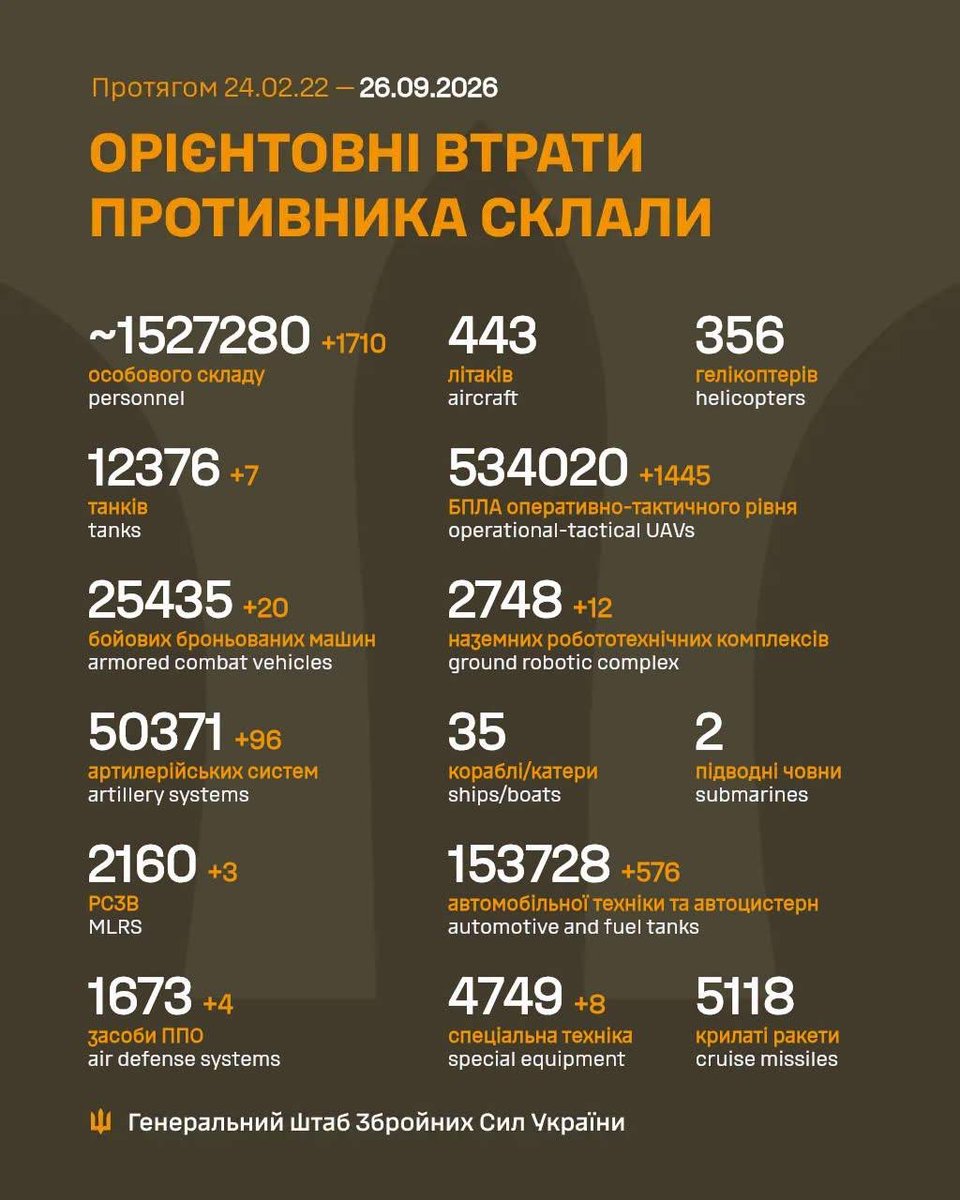
The Ukrainian General Staff’s daily update for 26 September recorded a critical escalation on the Donbas front, with Russian forces suffering 1,710 personnel casualties, the loss of seven tanks, 20 armored vehicles, 96 artillery pieces and 1,445 unmanned aerial systems. The report, posted on the monitor_the_situation channel, marks the highest single‑day personnel loss reported by Kyiv since the conflict began.
Donbas Front: Record Russian Losses
According to the General Staff briefing (source), the casualties were incurred during a series of Ukrainian drone and artillery strikes that targeted Russian supply convoys and forward operating bases. The loss of 1,445 UAVs indicates a sustained Ukrainian air‑defence effort that has degraded Russian reconnaissance and strike capabilities in the region.
"The scale of equipment destroyed today reflects the effectiveness of our integrated drone‑strike and artillery coordination," the General Staff statement read.
Kyiv Under Heavy Drone Assault
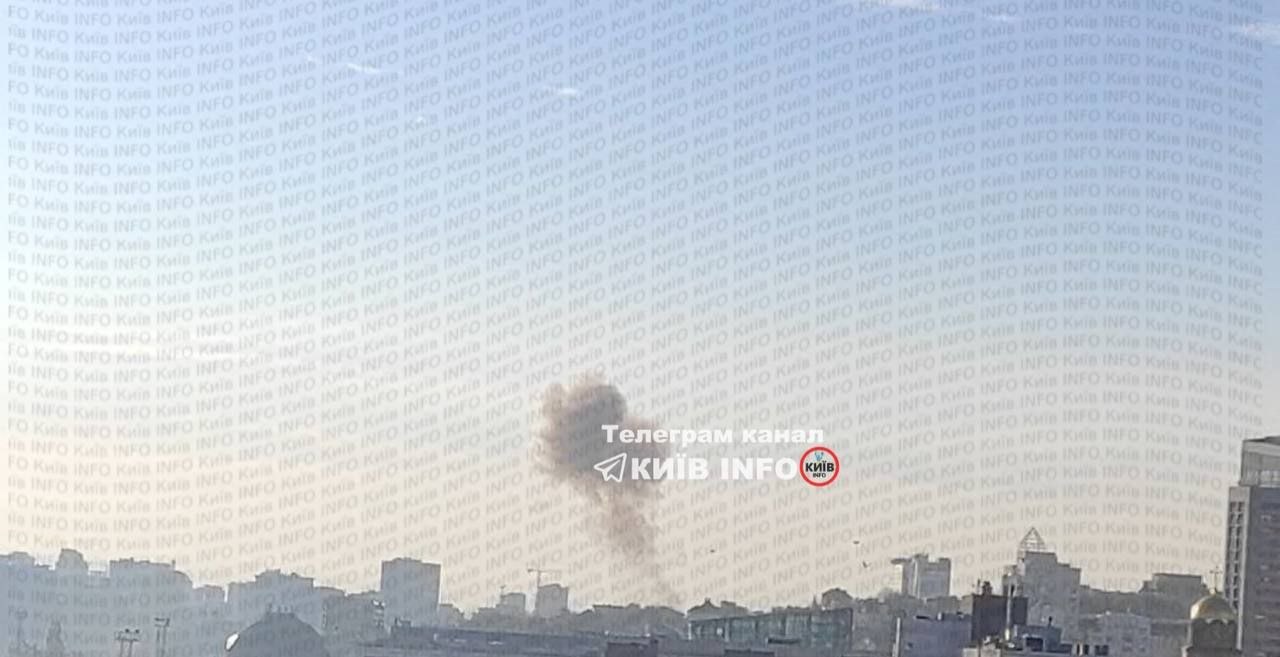
At 05:47 UTC, Russian forces launched a coordinated swarm of Shahed‑type drones over Kyiv, resulting in multiple explosions across the capital. Intelslava reported the attacks (source), noting that the explosions caused significant property damage but no confirmed civilian fatalities at the time of reporting. An earlier report at 05:27 UTC described a large explosion in the city centre, attributed to a direct drone strike.
Ukrainian Strikes on Russian Missile Production
In a parallel offensive, Ukrainian forces struck three Russian missile‑production facilities overnight: the Iskra plant in Ulyanovsk, the Yefremov plant, and the Voronezhsintezkauchuk complex, which produces solid rocket fuel. The monitor_the_situation channel confirmed the hits (source). No immediate casualty figures were released, but satellite imagery showed smoke plumes and damage to key production lines.
Escalating Drone Campaigns and Air Defenses
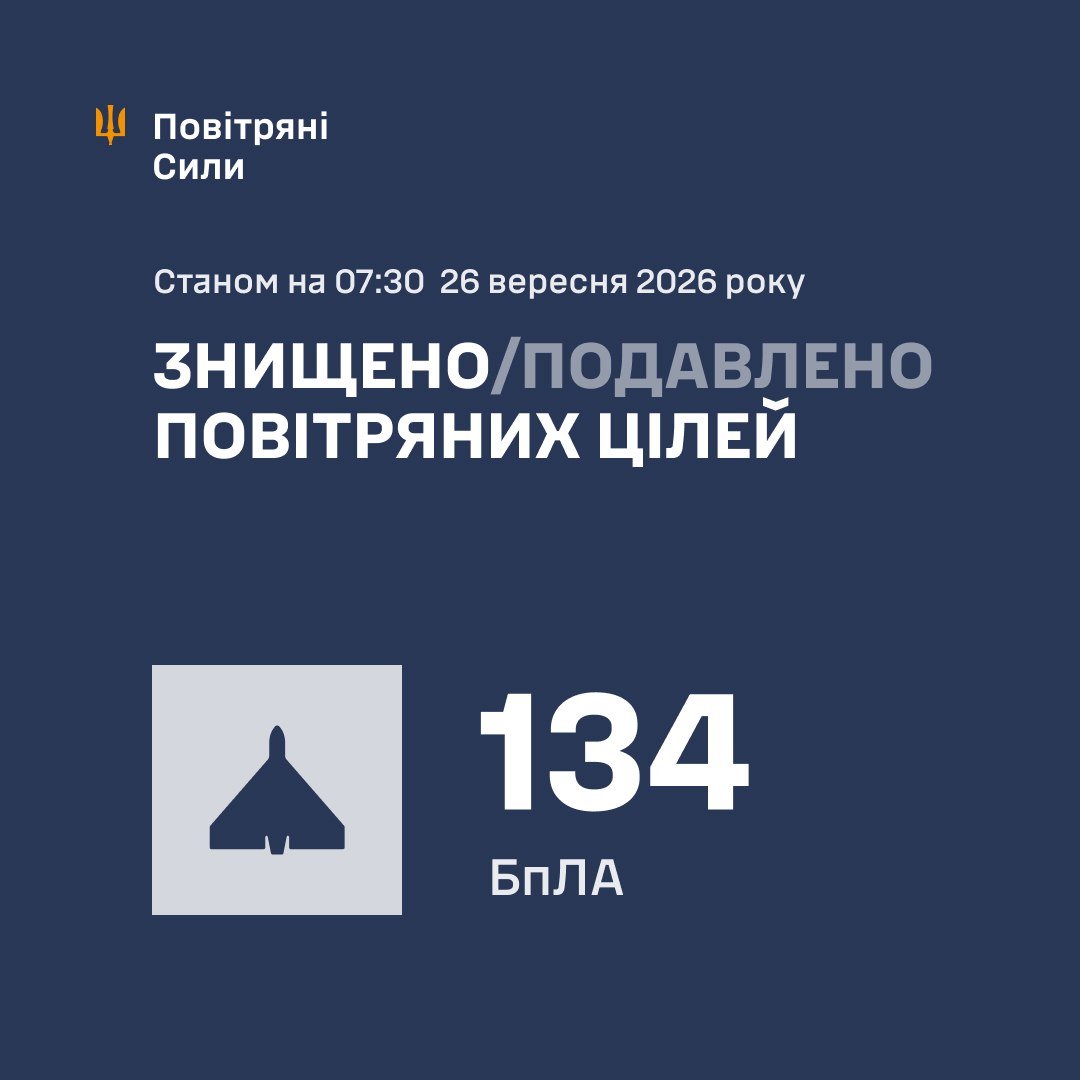
Russia launched a massive drone wave of 173 Shahed drones against Ukraine during the night. Monitor_the_situation reported that Ukrainian air‑defences downed or suppressed 134 of the drones, striking 19 locations and causing debris to fall in eight civilian areas (source). Simultaneously, the Ukrainian Air Force claimed to have intercepted 267 of 295 drones, including Shahed and Gerbera models, with impacts recorded at 16 sites (source). The high interception rates underscore Kyiv’s layered air‑defence architecture.
Deep‑Strike Drone Attack on Perm Refinery
Ukrainian long‑range drones penetrated deep into Russian territory, striking the Perm oil refinery and igniting a fire that forced the plant’s emergency shutdown. The incident was documented by monitor_the_situation (source) and represents one of the most distant Ukrainian drone operations recorded to date.
Russian Counter‑Drone Operations and Naval Readiness
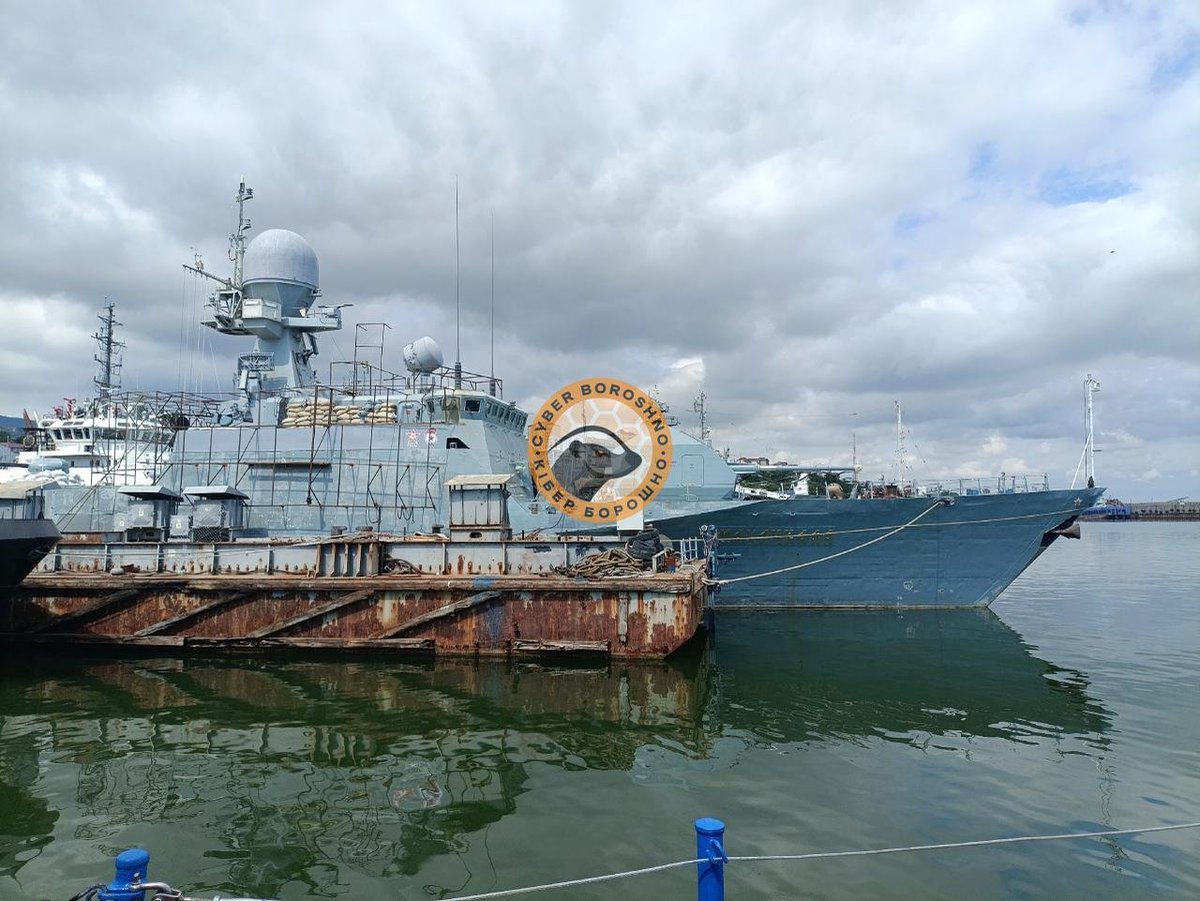
In response to the intensified aerial contest, Russian forces reported the deployment of a Buyan‑class artillery ship in Makhachkala, Dagestan, equipped with additional protective measures (source). While the vessel’s presence is primarily a signal of heightened naval readiness, it also suggests a potential shift toward coastal missile support for ground operations.
Disruption of Ukrainian Supply Routes in Odesa
Russia’s Defense Ministry, via TASS, claimed the destruction of a bridge near Mayaki and a strike on a port facility in Vylkove, both critical nodes for Ukrainian military logistics in the Odesa region (source). The bridge demolition was said to impede the transport of heavy equipment, while the port attack targeted the flow of Western-supplied weapons.
Continued Drone Activity in Southern Ukraine
On the southern front, the 120th Marine Division of the Russian Navy employed drones against Ukrainian Armed Forces personnel in Zaporizhzhia Oblast, as reported by intelslava (source). Video footage showed small UAVs loitering over forward positions before releasing munitions, resulting in localized casualties.
Collectively, the events of 26 September illustrate a pronounced escalation in drone warfare, with both sides leveraging unmanned systems for offensive strikes and defensive interceptions. The Ukrainian General Staff’s casualty figures from Donbas, combined with deep‑strike operations inside Russia, indicate a strategic shift toward high‑intensity, technology‑driven combat across multiple theatres.