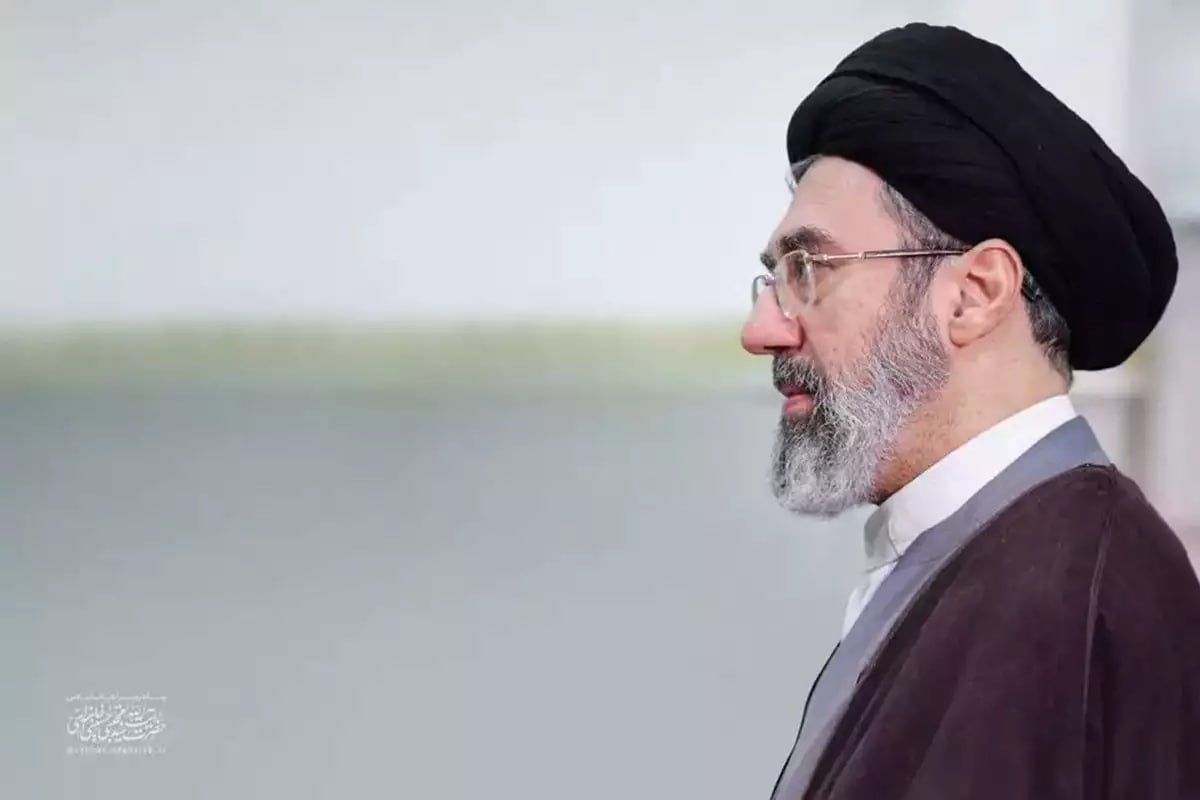
On September 26, 2026, Iranian officials reiterated that Supreme Leader Mojtaba Khamenei emerged unscathed from a coordinated assault that began on February 28, when a bomb targeted the nation’s leadership office in Tehran. The incident, first reported by Assembly of Experts member Ayatollah Mohsen Heydari, highlighted a series of explosive strikes on three hospitals after Khamenei’s hospitalization became known.
Assassination Attempt and Hospital Bombings
According to a statement relayed by the open‑source intelligence channel rnintel, Heydari confirmed that the Supreme Leader was wounded during the initial February 28 attack on the leadership office. He was subsequently moved to a medical facility in Tehran, where a second bomb detonated, striking the third hospital where Khamenei was being treated. Despite the “bombed hospital” scenario, Heydari later affirmed that Khamenei was “in good health” after being rescued from the rubble.
“Ayatollah Mohsen Heydari said Supreme Leader Mojtaba Khamenei was wounded in the February 28 attack on Iran’s leadership office and later pulled from the rubble of a bombed hospital in Tehran,”
The sequence of three hospital strikes suggests a deliberate effort to target the leader’s medical care chain, a tactic that raises questions about the operational capabilities of the perpetrators. While the exact number of casualties among medical staff and patients has not been disclosed, the repeated targeting of civilian health infrastructure constitutes a violation of international humanitarian law.
Weapons identified in the reports include high‑explosive bombs, though the delivery method—whether vehicle‑borne improvised explosive devices or aerial munitions—remains unconfirmed. The Assembly of Experts, the clerical body that oversees the Supreme Leader’s authority, has not publicly identified the responsible organization, leaving analysts to consider a range of actors from domestic dissident groups to external intelligence services.
U.S. Naval Presence in the Strait of Hormuz
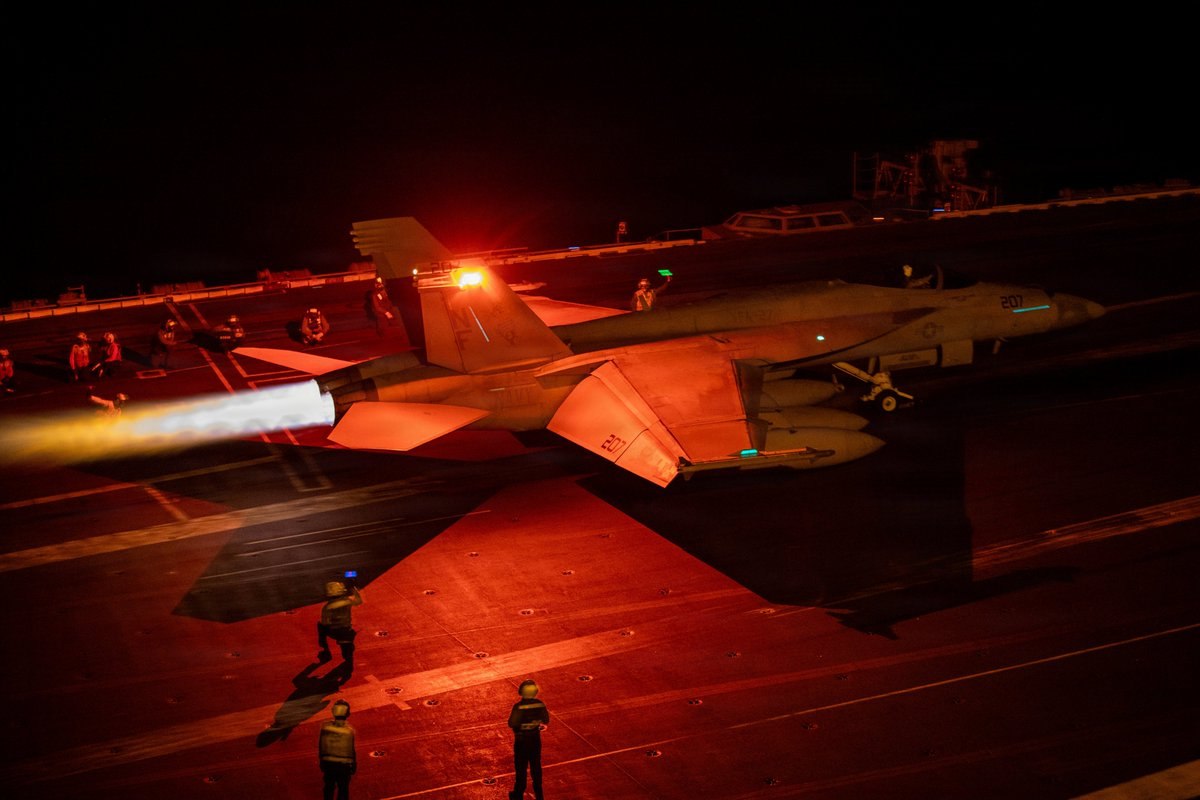
In a separate development, the United States maintained a visible naval footprint in the strategic Strait of Hormuz. The channel monitor_the_situation posted imagery of the aircraft carrier USS George Washington (CVN‑73) sailing through international waters, with an F/A‑18 Super Hornet on the flight deck preparing for launch.
The presence of a carrier strike group, coupled with the readiness of a fighter jet, underscores Washington’s commitment to freedom of navigation in a waterway that channels roughly 20 % of global oil shipments. The deployment aligns with ongoing U.S. policy to deter potential disruptions by regional actors, including Iran, which has previously threatened to close the strait in response to perceived aggression.
While no direct engagement was reported, the visual confirmation of carrier operations serves as a deterrent signal. The United States Central Command (CENTCOM) continues to monitor the situation, and the carrier’s movements are consistent with routine patrols announced earlier in the year.
Iranian Air Defense Red Alert
Concurrently, Iran’s Hormozgan Province—home to the strategic port city of Bandar Abbas and the entrance to the Strait of Hormuz—placed its air defense systems on red alert. The alert, reported by the same monitoring channel, indicates heightened vigilance against a “potential incoming threat or active military activity.”
Although the alert did not specify the nature of the perceived threat, the timing coincides with the U.S. carrier’s transit, suggesting a possible correlation. Iran’s integrated air defense network, which includes Russian‑supplied S‑300 systems and domestically produced radars, is capable of tracking high‑altitude aircraft and cruise missiles within a radius of several hundred kilometers.
Red alert status typically triggers heightened readiness of surface‑to‑air missile batteries, rapid‑response fighter squadrons, and command‑and‑control centers. No missile launches or aircraft interceptions were reported on September 26, but the alert itself reflects Tehran’s intent to project defensive resolve.
Analytical Assessment
The convergence of three distinct kinetic events on a single day—an assassination attempt on the Supreme Leader, a high‑profile U.S. carrier operation, and an Iranian air‑defense alert—illustrates the layered security environment surrounding Iran. The assassination attempt, despite its failure to incapacitate the nation’s highest authority, demonstrates a willingness among hostile actors to employ extreme violence against symbolic targets.
U.S. naval activity, while routine, is perceived by Tehran as a potential provocation, especially given the recent hospital bombings that have already strained domestic security resources. Iran’s rapid escalation to red alert in Hormozgan Province can be interpreted as a precautionary measure designed to deter any opportunistic exploitation of perceived vulnerability.
From a conflict‑monitoring perspective, the events underscore three key dynamics: (1) the persistence of covert violent operations within Iran’s borders, (2) the strategic signaling inherent in carrier deployments through contested waterways, and (3) the readiness of Iranian air‑defense assets to respond to external military movements. Continued observation of open‑source channels will be essential to track any escalation or de‑escalation in the coming weeks.