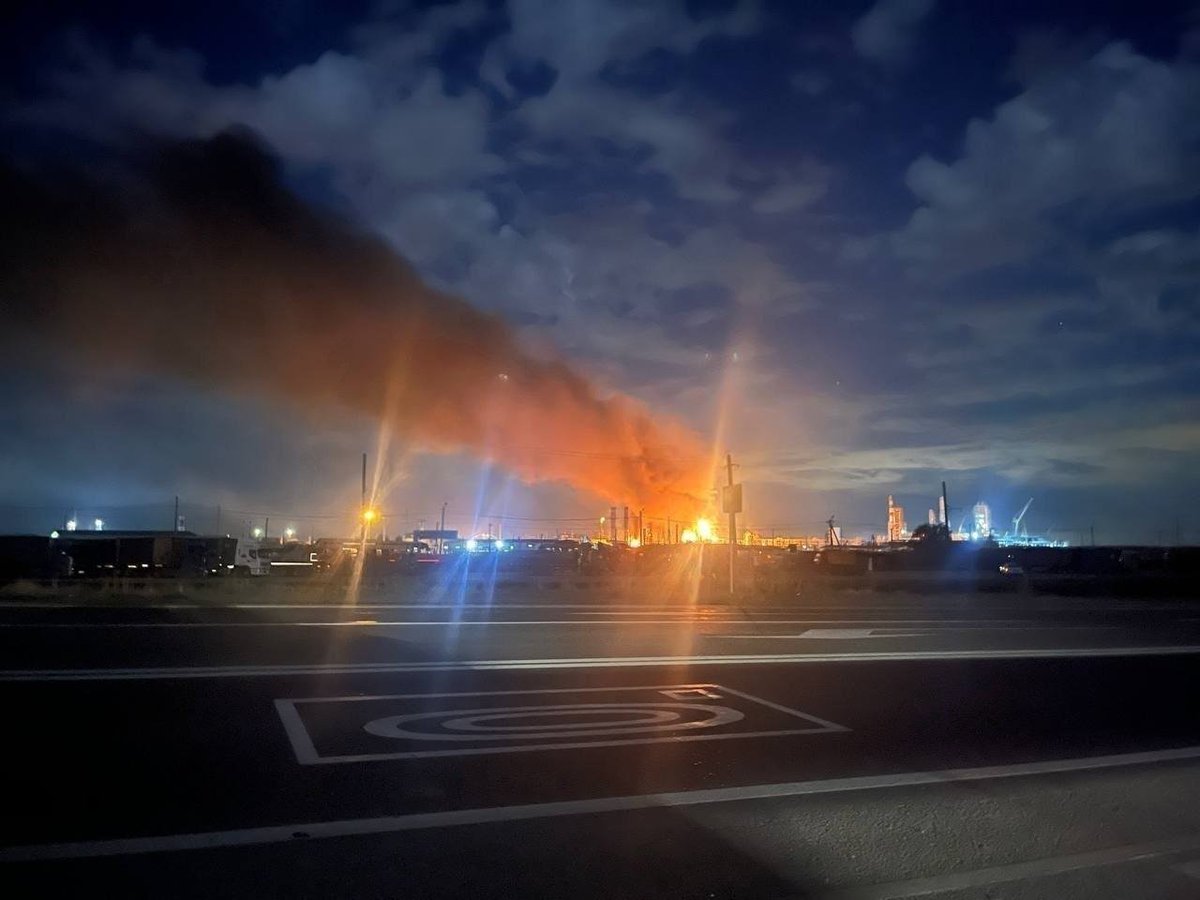
In the 24‑hour period ending on 26 September 2026, coordinated Russian aerial attacks across Ukraine resulted in at least 21 civilian deaths and 181 injuries, according to the monitoring channel monitor_the_situation. The strikes combined unmanned aerial vehicles (UAVs) and cruise missiles targeting civilian infrastructure in Kyiv, Sumy and other regions, marking the most lethal day for Ukrainian non‑combatants since the conflict began.
UAV and Cruise‑Missile Campaign Across Ukraine
At 15:53 UTC, Russian UAVs and cruise missiles struck the Kyiv region, killing seven civilians and wounding 59. Simultaneously, attacks in the Sumy region injured 16 more. The combined operation, reported by monitor_the_situation, employed a mix of Shahed‑type loitering munitions and longer‑range cruise missiles, though specific weapon models were not disclosed.
"Over the past 24 hours, at least 21 civilians were killed and 181 injured in strikes across Ukraine and Russia," the channel noted.The high casualty count underscores the increasing reliance on precision‑guided aerial weapons to target densely populated areas.
Kramatorsk Glide‑Bomb Assault
Earlier in the day, at 08:22 UTC, Russian forces launched four KAB glide‑bomb strikes on Kramatorsk in Donetsk Oblast. The glide‑bombs, a variant of the KAB‑500 family, are air‑launched from fighter aircraft and glide to their targets, allowing strikes from beyond the range of many air‑defence systems. The attacks caused additional civilian casualties and damage to residential and industrial structures, as documented by the same monitoring source.
Geran‑4 Drone Attacks on Air‑Defence Assets
Russian Geran‑4 loitering munitions were employed in three separate incidents targeting Ukrainian radar installations and an S‑300 surface‑to‑air missile launcher. The first strike hit a radar site in Mykolaiv Oblast, the second damaged a radar in Odesa Oblast, and the third destroyed an S‑300 launcher in Kyiv Oblast. These attacks, reported at 08:22 and 12:35 UTC, aim to degrade Ukraine’s early‑warning and air‑defence capabilities, potentially facilitating subsequent aerial operations.
Urban Fires from Russian Shelling
A Russian attack set an apartment building and a nearby supermarket ablaze in an unnamed Ukrainian city, injuring several civilians. The incident, posted by the channel monitor_the_situation at 17:15 UTC, illustrates the collateral damage caused by indirect fire in densely populated urban zones. While casualty figures remain limited, the destruction of essential civilian infrastructure raises concerns about displacement and humanitarian needs.
Repeated Strikes on Kyiv’s Business District
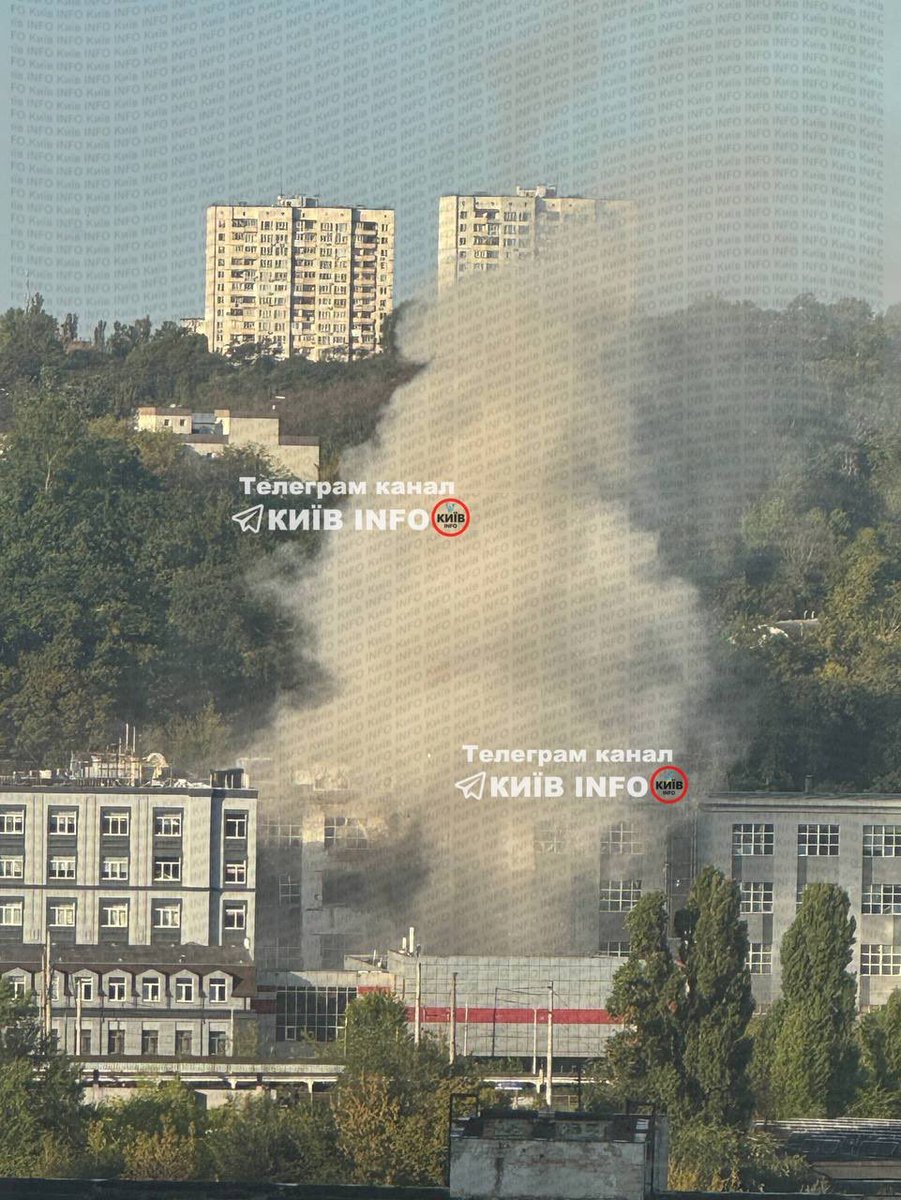
The Protasov business centre in Kyiv suffered a second consecutive strike at 06:02 UTC, following an initial attack the previous day. Photographic evidence shared by monitor_the_situation shows damage to the building’s façade but no confirmed civilian fatalities. The targeting of commercial hubs reflects a broader pattern of pressure on Ukraine’s economic heartland.
Targeting of Critical Data and Logistics Facilities
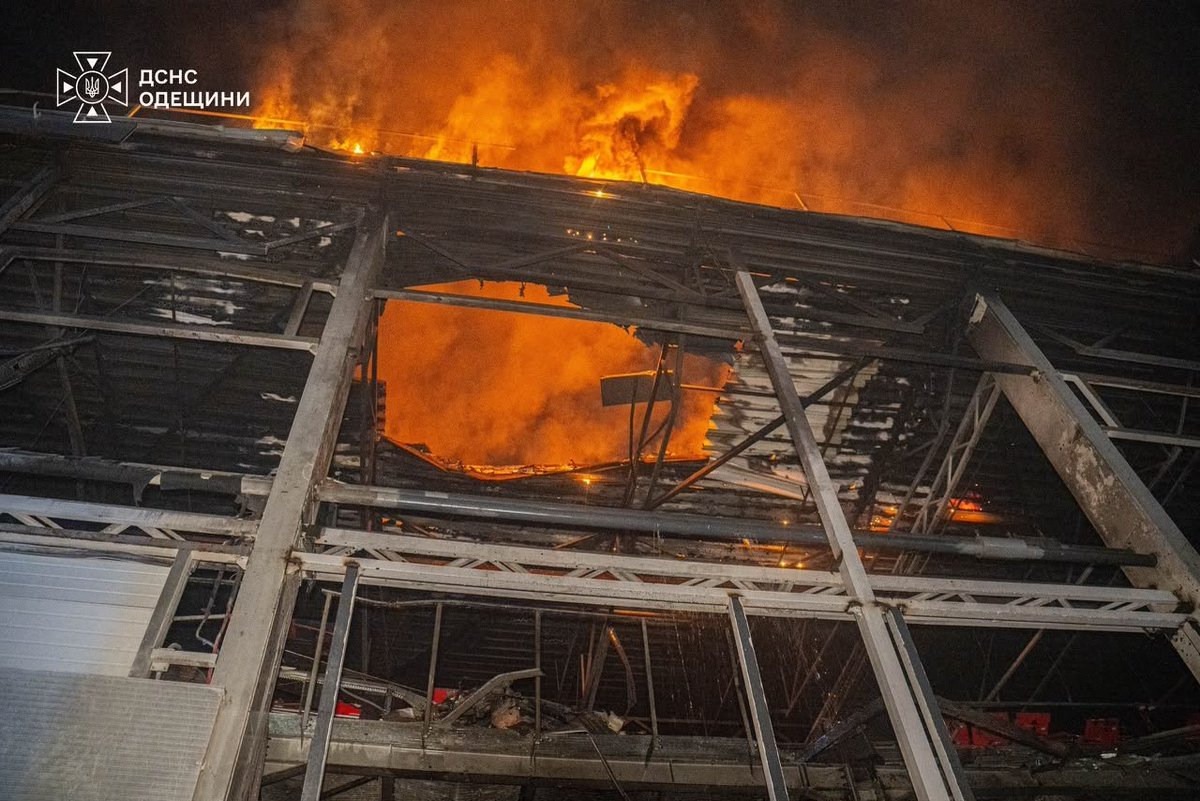
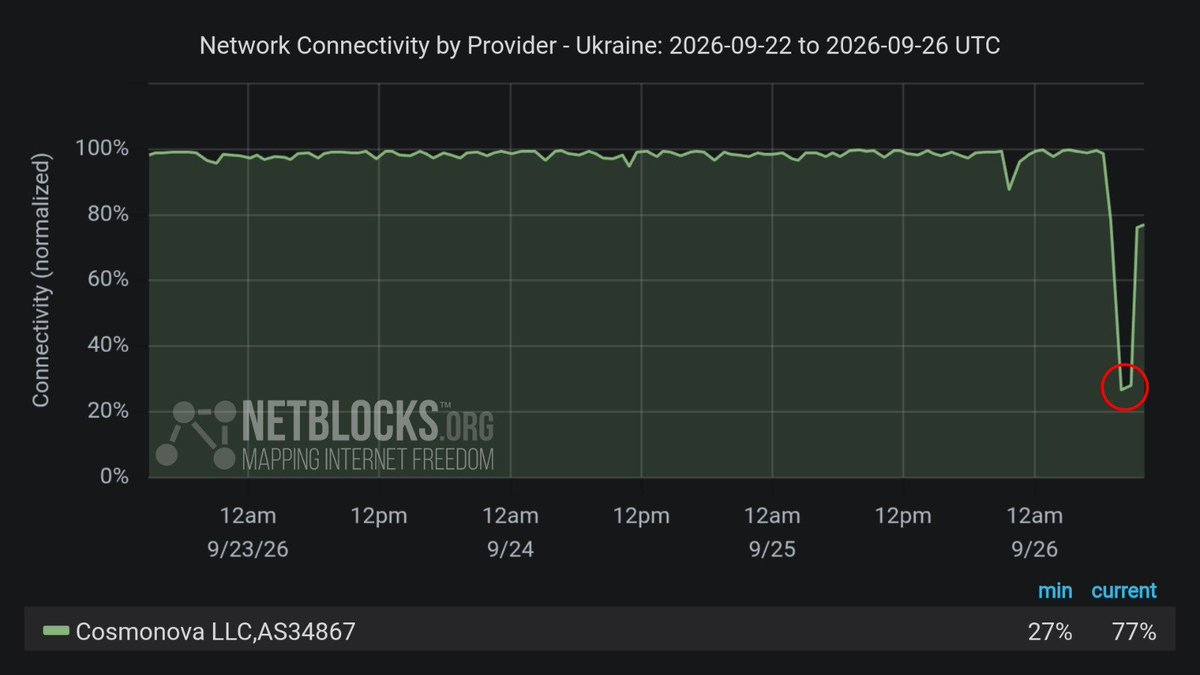
At 11:03 UTC, a Russian drone attack disrupted the Cosmonova data centre in Kyiv, temporarily affecting Starlink satellite internet services used by Ukrainian military units. Later, at 15:10 UTC, Russian UAVs struck the Epicentr logistics centre in Odesa and a cargo vessel operating near the port, according to intelslava. Both facilities are integral to the supply chain for military equipment, indicating a strategic focus on logistics disruption.
Ukrainian Drone Offensive on Russian Territory
Ukraine’s Unmanned Systems Forces claimed 30 successful strikes on Russian energy and military sites throughout September, including attacks on facilities in Moscow, Perm, Ufa and Novorossiysk. The statement, released by monitor_the_situation at 13:33 UTC, highlights the expanding reach of Ukrainian UAV operations into the Russian interior, targeting refineries, ports and military installations.
Cross‑Border Drone Activity Near Azov Plant
Ukrainian drones also struck the Azov Optical‑Mechanical Plant in Rostov Oblast, Russia, igniting a large fire. Satellite data from NASA FIRMS confirmed the blaze, and the incident was reported at 08:32 UTC by monitor_the_situation. The plant produces high‑precision optoelectronic and radar components, suggesting a tactical objective to impair Russian defence manufacturing.
Overall Assessment of the Day’s Kinetic Activity
The coordinated use of UAVs, cruise missiles, glide‑bombs and loitering munitions on 26 September demonstrates a marked escalation in aerial kinetic operations on both sides of the front. Russian attacks focused on civilian centres, air‑defence assets and logistical hubs, while Ukrainian drone strikes extended deep into Russian territory, targeting strategic industrial sites. The casualty figures, infrastructure damage and reported disruptions to communications underscore the heightened risk to civilian populations and critical services.