On 25 September 2026, a Russian Geran‑5 loitering munition struck the High Council of Justice building in Kyiv’s Solomianskyi District, marking the most lethal single kinetic event recorded in Ukraine that day. The attack, reported by the Telegram channel intelslava, caused significant structural damage and heightened concerns about the vulnerability of judicial infrastructure in the capital.
High‑Profile Judicial Building Attack
At 09:35 local time, the Geran‑5 munition impacted the High Council of Justice, a central legal institution in Kyiv. The strike was captured on video and disseminated by intelslava (source). While casualty figures for this specific incident have not been released, the event underscores the expanding use of loitering munitions against non‑military targets.
"A Russian strike was carried out using a Geran‑5 loitering munition against the building of the High Council of Justice in Kyiv's Solomianskyi District." – intelslava
Civilian Casualties Across Kyiv and Kharkiv
Concurrent with the judicial building attack, a broader wave of strikes across Ukraine resulted in 14 civilian deaths and 62 injuries, according to the monitor_the_situation channel (source). The worst losses occurred in the Kyiv and Kharkiv regions, where two civilians were killed and ten wounded in Kyiv, and six killed with twelve injured in Kharkiv.
Key figures: 14 dead, 62 injured, multiple regions affected.
Series of Drone Strikes in Kyiv
Throughout the day, a succession of Russian drone attacks targeted Kyiv’s civilian and commercial infrastructure:
- 13:58 – A business centre in Kyiv was hit, killing three and injuring seven (monitor_the_situation).
- 13:35 – Drone strikes killed five people, including a 14‑year‑old teenager, and injured 31 (monitor_the_situation).
- 13:11 – An Israeli teenager was killed in a residential building strike; the Israeli consulate and Foreign Ministry intervened (JPost).
- 12:58 – An office building in Solomianskyi district was struck, killing four and wounding 27 (monitor_the_situation).
- 06:46 – A high‑rise in Pecherskyi district was hit, killing a 14‑year‑old and injuring three (monitor_the_situation).
These attacks employed a mix of Geran‑4 and Geran‑5 drones, as well as unspecified UAVs, reflecting a sustained aerial campaign against densely populated areas.
Targeted Residential and Commercial Structures
Beyond the capital, Russian forces struck additional civilian sites:
- In the Brovary district of Kyiv Oblast, Russian missiles hit McDonald’s warehouses and a Datagroup data centre, igniting fires and disrupting traffic (intelslava).
- In Kharkiv Oblast’s Stara Hnylytsia village, a missile strike killed six and injured fourteen (monitor_the_situation).
- In Donetsk Oblast, at least nine ballistic missile attacks targeted the metallurgy sector, a key component of Ukraine’s industrial output (monitor_the_situation).
Broader Missile and Rocket Campaigns
Russia’s kinetic operations extended beyond UAVs to include missile and rocket strikes across multiple fronts. Notable incidents include:
- 16:58 – Nine ballistic missile attacks on metallurgical facilities in Donetsk Oblast, threatening 7 % of Ukraine’s GDP.
- 11:28 – Missile strikes across Ukraine killed ten and injured 61, with a concentrated attack on Stara Hnylytsia village.
- 06:17 – A missile impact on a Kyiv building was reported by intelslava, though casualty details were not disclosed.
These coordinated strikes illustrate a pattern of targeting both strategic economic assets and civilian infrastructure.
Implications and Ongoing Counter‑Offensive
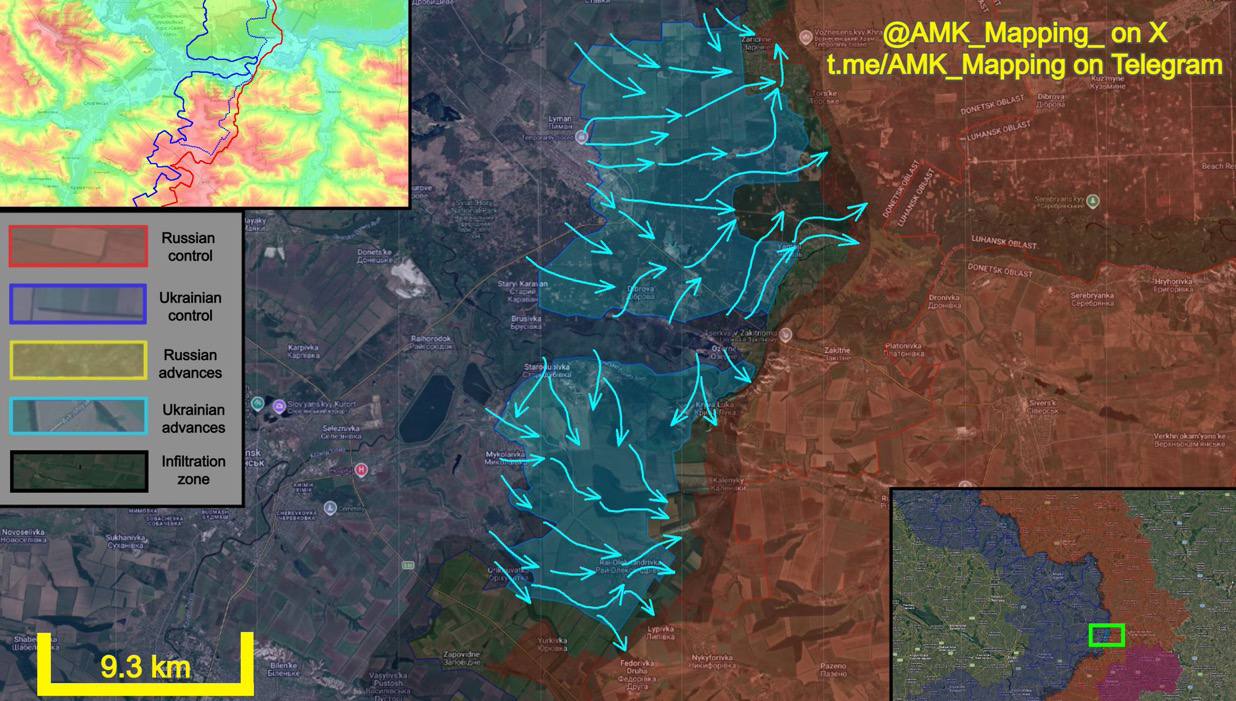
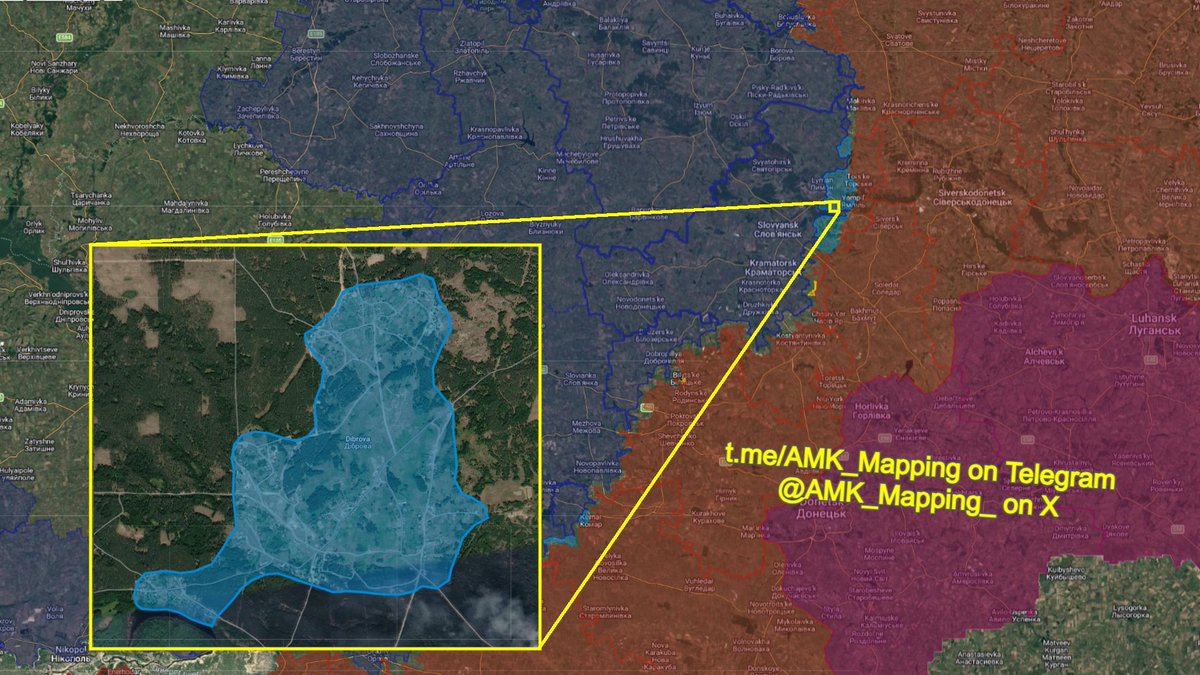
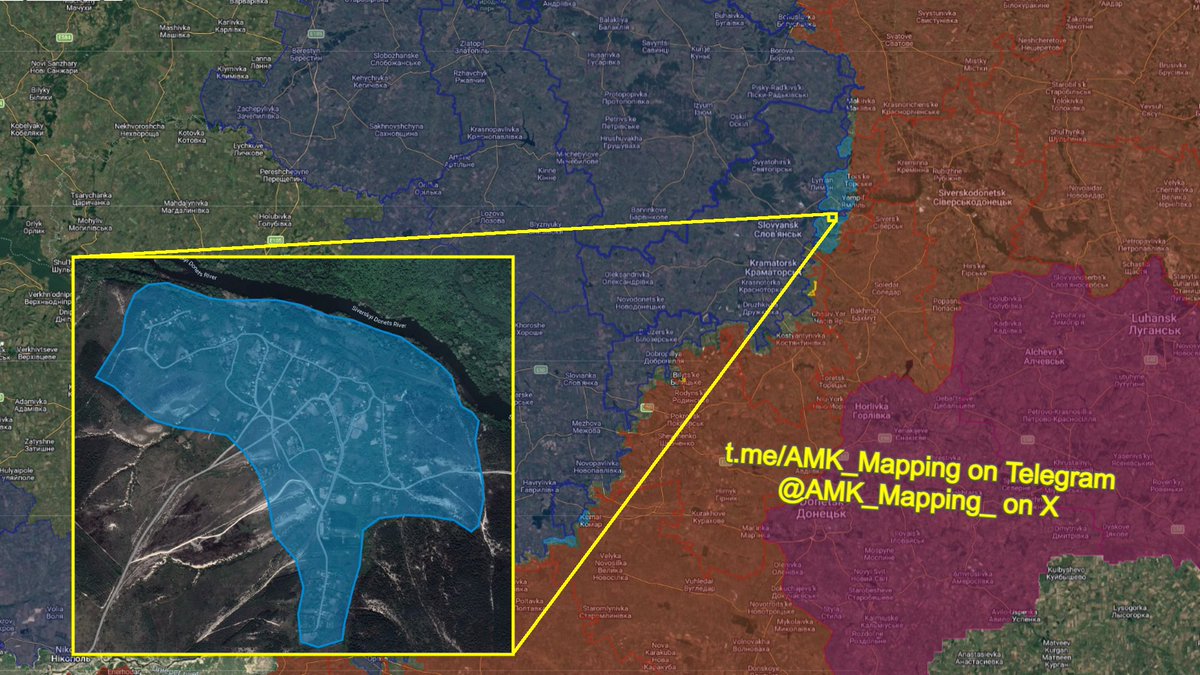
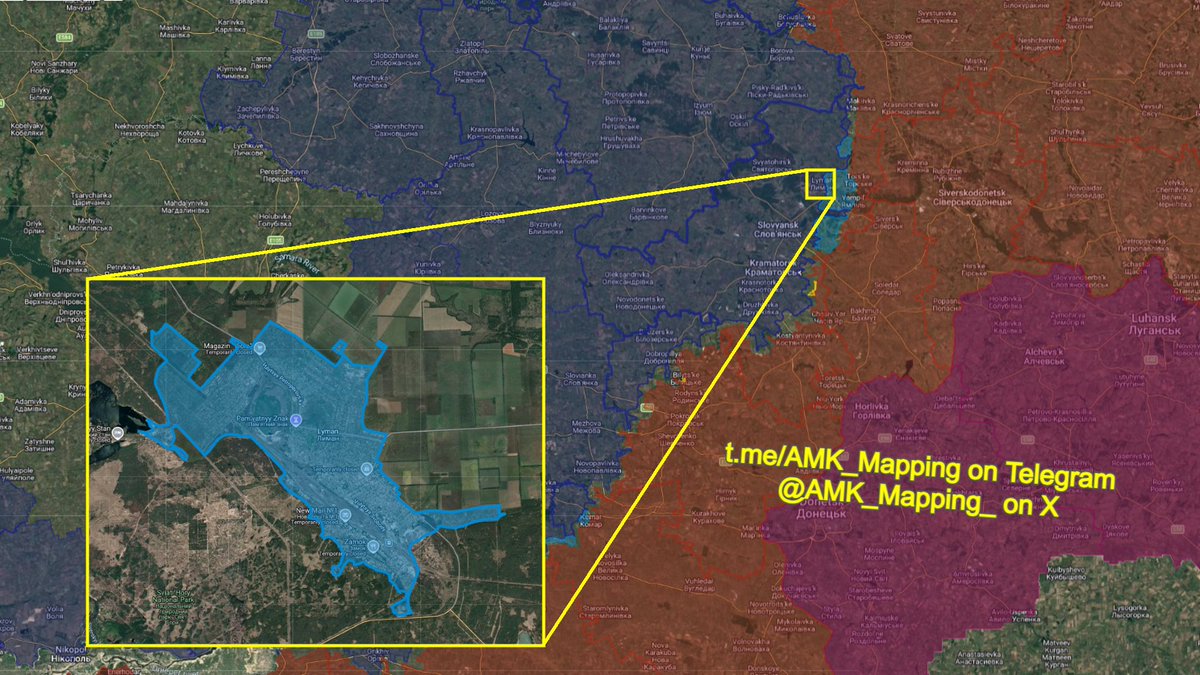
While Russian kinetic actions intensified, Ukrainian forces continued their counter‑offensive operations, notably Operation Vivaldi near Lyman in Donetsk Oblast. Ukrainian troops recaptured villages such as Dibrova and Pyskunivka, and re‑established control over the city of Lyman after ten months of fighting (monitor_the_situation). These advances occurred amid the heightened aerial threat, underscoring the dual challenges faced by Ukrainian forces: repelling ground offensives while defending against pervasive UAV and missile attacks.
Overall, the events of 25 September demonstrate a marked escalation in Russia’s use of loitering munitions and drones against urban centers, coupled with continued missile campaigns targeting both civilian and industrial sites. The resulting civilian toll and infrastructure damage highlight the acute humanitarian impact of kinetic warfare in Ukraine.