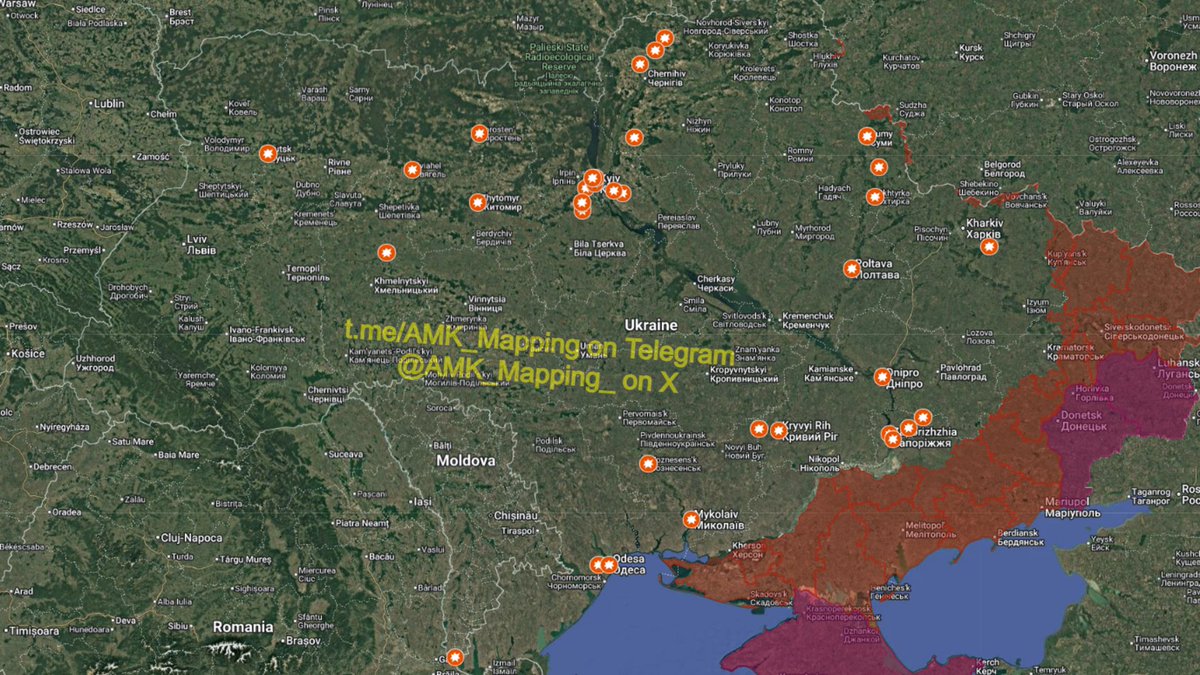
On September 25, 2026, Russian Geran‑4 jet‑drones launched a coordinated strike that hit three districts of Kyiv—Solomyanskyi, Priorka and Podilskyi—and the city of Boryspil in Kyiv Oblast. The attacks ignited a large fire in Boryspil and caused multiple explosions across the capital, marking the most significant UAV incident of the day. Monitor the Situation confirmed the strikes at 03:01 UTC and posted video evidence of the resulting blaze.
Russian UAV Campaign Targets Ukrainian Urban Centers
Following the Kyiv assault, Russian forces deployed additional Geran‑2 and Geran‑4 drones against a broader set of Ukrainian locations. At 04:18 UTC, Geran‑2 drones struck the northern suburbs of Zaporizhzhia, igniting several fires in residential and industrial zones. Five separate drone impacts were recorded, each captured on video by local observers and shared via the Monitor the Situation channel.
At 04:39 UTC, a similar wave of Geran‑2/4 drones targeted the western city of Zhytomyr and the nearby towns of Korosten and Lutsk, producing explosions that were reported by residents and corroborated by video footage posted on the same monitoring channel.
Later in the morning, at 05:42 UTC, a series of Geran‑2/4 drones struck multiple Ukrainian regions, including Odesa, Mykolaiv, Dnipropetrovsk, Zaporizhzhia and Poltava. The attacks produced a pattern of localized fires and structural damage, though casualty figures remain unconfirmed. Photographic evidence of the explosions was released by Monitor the Situation.
In Kyiv itself, a combined missile and drone attack at 03:51 UTC caused additional fires and damage to a commercial building. Kyiv Mayor Vitali Klitschko reported the incident, confirming that emergency services contained the blaze but did not disclose injuries.
Ukrainian Counter‑UAV Operations Inside Russia
Ukraine responded with a series of drone operations targeting Russian industrial infrastructure. At 03:24 UTC, long‑range Ukrainian drones struck the LUKOIL‑Permnefteorgsintez (PNOS) oil refinery in Perm Krai, a major petrochemical complex located more than 1,500 km from the Ukrainian border. The attack was documented in a video posted by the intelslava channel, which highlighted the strategic significance of the refinery to Russia’s fuel supply chain.
Shortly thereafter, at 03:18 UTC, a swarm of Ukrainian drones hit an industrial plant in the Perm region, igniting a large fire. The incident was reported by Al Jazeera, which described the operation as a “massive drone swarm” aimed at disrupting Russian manufacturing capabilities.
Further south, at 04:18 UTC, Ukrainian drones struck the Voronezhsintezkauchuk synthetic rubber plant in Voronezh, Russia, causing a fire that threatened production lines. Video footage of the blaze was shared on the Monitor the Situation channel.
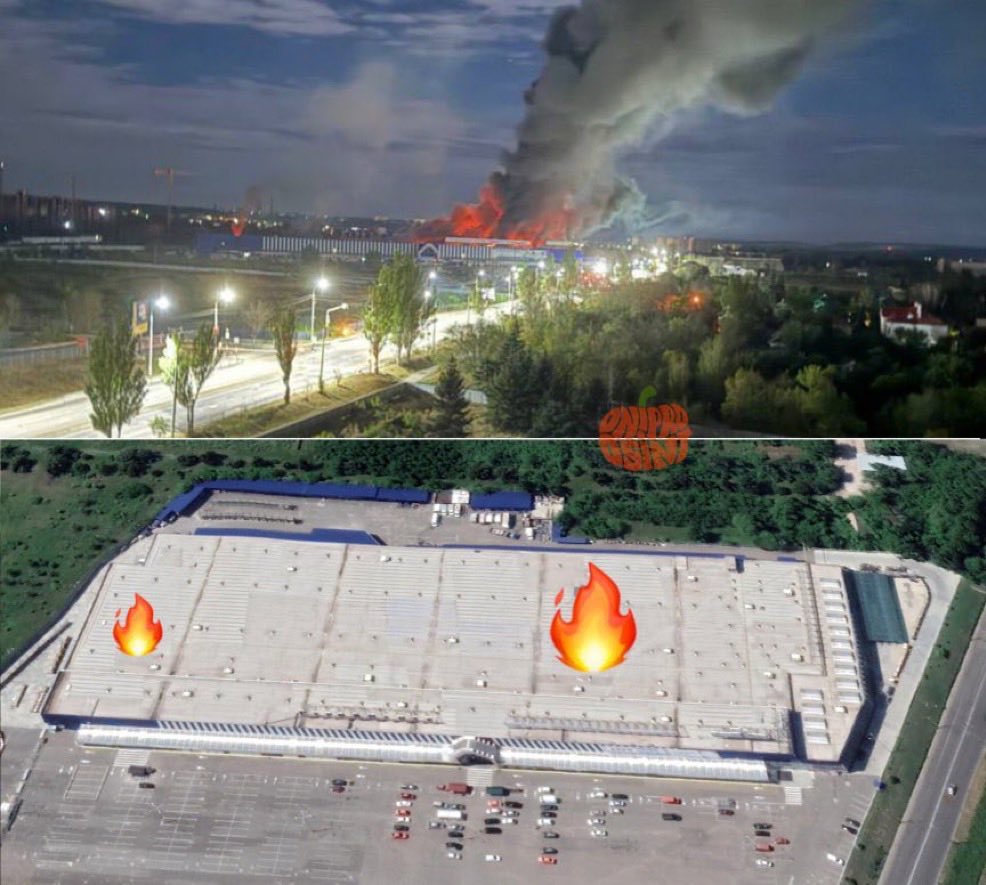
In the Russian‑occupied city of Luhansk, Ukrainian drones attacked the Stroytsentr hypermarket on 04:24 UTC. While casualty details remain pending, the strike demonstrates Ukraine’s willingness to target commercial sites within occupied territories.
Geographic Spread and Weapon Systems
The September 25 UAV exchanges illustrate a widening geographic scope. Russian Geran‑4 and Geran‑2 drones operated across central, western, and southern Ukraine, while Ukrainian drone swarms reached deep into the Russian interior, striking facilities in Perm, Voronezh and Luhansk. The weapon systems involved include:
- Geran‑4 jet‑drone: high‑speed, low‑observable UAV used in the Kyiv and Boryspil attacks.
- Geran‑2/4 drones: smaller, loitering munitions employed against Zaporizhzhia, Zhytomyr, Odesa and other cities.
- Long‑range Ukrainian drones: capable of covering >1,500 km to reach Perm’s oil refinery.
- Drone swarms: massed UAVs used against industrial plants in Perm and Voronezh.
All incidents were reported by open‑source monitoring channels, including Monitor the Situation, AMK_Mapping_, intelslava and Al Jazeera. No independent verification of casualty numbers has been released for most strikes; however, the absence of reported fatalities in the initial reports suggests limited personnel losses so far.
Operational Implications
The intensity of the UAV campaign underscores several operational trends:
- Escalation of UAV capabilities: Both sides are fielding more sophisticated drones, with Russia deploying jet‑powered Geran‑4 systems capable of higher speed and payload, while Ukraine demonstrates the ability to launch long‑range, high‑altitude swarms.
- Target diversification: Russian attacks focus on urban centers, commercial districts and critical infrastructure, whereas Ukrainian strikes prioritize energy and industrial assets deep within Russian territory.
- Information warfare: The rapid dissemination of video and photographic evidence via Telegram channels reflects an ongoing effort to shape narratives and signal capability to domestic and international audiences.
While the immediate physical damage appears contained—primarily fires and localized structural harm—the strategic messaging is evident. Both parties aim to demonstrate reach and resilience, signaling that UAVs remain a central element of the conflict’s kinetic and psychological dimensions.
Conclusion
September 25, 2026, marks a day of heightened UAV activity in the Russia‑Ukraine war. Russian Geran drones inflicted significant damage in Kyiv and other Ukrainian cities, while Ukrainian drone swarms struck high‑value industrial targets in Russia’s Perm and Voronezh regions. The events, corroborated by multiple open‑source channels, highlight an evolving aerial battlefield where unmanned systems are increasingly used for both tactical strikes and strategic signaling.