On September 25, 2026, Israeli artillery shelling continued unabated in Lebanon while Lebanese Prime Minister Nawaf Salam appealed to the United Nations for a U.S.-brokered ceasefire and the withdrawal of Israeli forces. The incident, reported by Al Jazeera, marks the most prominent kinetic event of the day and reflects the persistent volatility along the Israel‑Lebanon border.
Israeli artillery shelling in Lebanon
At 16:57 GMT, Israeli forces fired artillery rounds into Lebanese territory, targeting positions that have been contested since the latest escalation in May 2026. The shelling caused no reported civilian casualties, but the intensity of fire prompted immediate diplomatic reactions. In a speech to the UN General Assembly, Prime Minister Nawaf Salam urged the United Nations and the United States to "consolidate a cease‑fire and compel Israel to withdraw its forces from Lebanese soil." The Prime Minister’s remarks were captured in Al Jazeera’s coverage (source: AlJazeera, link).
"We call on the international community, especially the United States, to enforce a cease‑fire and ensure the immediate withdrawal of Israeli troops from Lebanon," Salam said.
The engagement underscores the role of external actors, with the United States positioned as a potential mediator. While no casualty figures were released, the continued artillery exchanges raise the risk of broader escalation.
Russian UAV swarm over Ukraine
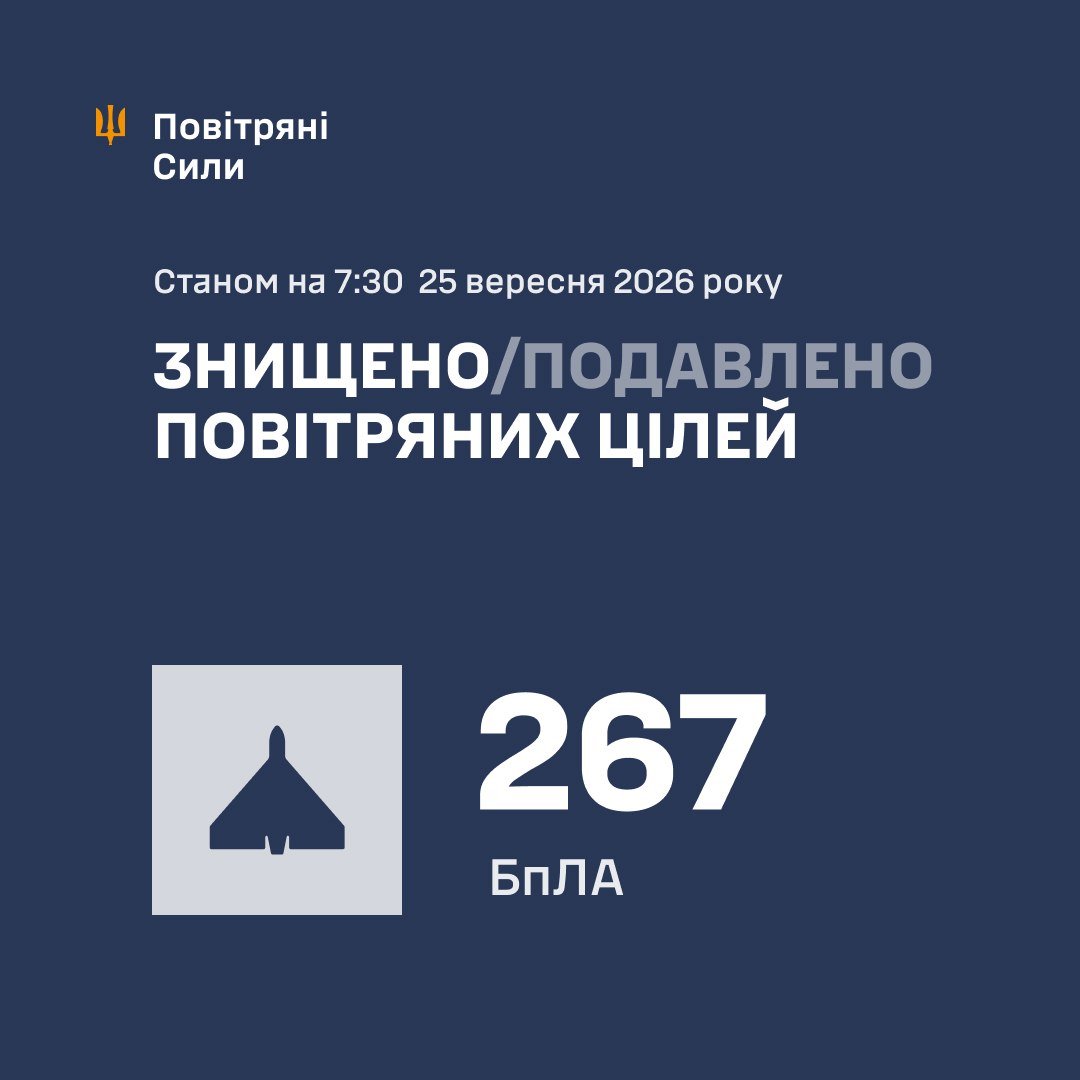
Earlier in the day, at 06:20 GMT, the Russian military launched a coordinated swarm of 295 unmanned aerial vehicles (UAVs) against Ukrainian targets. According to the Ukrainian Air Force, the attack included 52 Shahed‑type drones supplied by Iran. Ukrainian air defenses intercepted or suppressed 267 of the drones, limiting impacts to 16 locations across the country. Debris from the intercepted UAVs was reported in four additional sites. The operation, documented by the Telegram channel monitor_the_situation (source), demonstrates Russia’s reliance on high‑volume drone tactics to strain Ukrainian air‑defence capacities.
While the Ukrainian side reported no fatalities, the strikes caused material damage to infrastructure in the affected zones. The use of Shahed drones, a hallmark of Iran‑Russia cooperation, highlights the expanding pool of weaponry available to Russian forces.
Ukrainian precision strikes on Russian ammunition depot
At 06:16 GMT, Ukrainian aviation conducted two precision strikes against a Russian ammunition depot located within Ukrainian‑controlled territory. The strikes were described by Ukrainian officials as targeting a concentration of Russian forces and stored munitions, aiming to degrade the logistical capabilities of the invading army. No casualty numbers were disclosed, but the operation reflects Ukraine’s continued emphasis on high‑precision air attacks to offset Russian numerical superiority. The event was reported by monitor_the_situation (source).
Saudi Arabian airstrikes against Houthi forces in Yemen
In the early morning hours, the Saudi Arabian Air Force released video footage of airstrikes directed at Houthi (Ansar Allah) positions in Yemen. The footage, posted by the intelligence channel intelslava (source), shows multiple aircraft delivering ordnance on Houthi‑controlled areas. While the exact number of sorties and casualties remains unverified, the strikes are part of an ongoing campaign by Saudi Arabia to weaken Houthi military capabilities and protect maritime routes in the Red Sea.
The Saudi Air Force emphasized the precision of the attacks, noting that targeted strikes were intended to minimize civilian harm while degrading Houthi command and control structures.
Seized Iranian oil tankers en route to the United States
Separately, maritime monitoring sources reported that approximately six million barrels of Iranian crude oil, seized earlier in the year, are now crossing the Atlantic toward the United States. The oil, valued at nearly $600 million, is being transported by tankers tracked by the Telegram channel monitor_the_situation (source). No kinetic action has been reported against the vessels, but the movement underscores the broader economic dimensions of the regional conflicts, linking sanctions enforcement with maritime logistics.
While the tankers are not directly involved in combat, their transit highlights the intersection of energy markets and geopolitical tensions, especially as the United States continues to monitor Iranian oil movements for compliance with international sanctions.
Overall assessment
The events of September 25 illustrate a pattern of medium‑severity kinetic actions across several theaters. Israeli artillery in Lebanon, Russian drone swarms over Ukraine, and Saudi airstrikes in Yemen each demonstrate the use of conventional and unconventional weapons to achieve strategic objectives without escalating to full‑scale war. Simultaneously, the movement of seized Iranian oil underscores the economic undercurrents that accompany military operations. The convergence of these dynamics suggests that regional actors remain willing to employ calibrated force while seeking diplomatic avenues—such as the U.S.-brokered ceasefire proposed by Lebanon’s prime minister—to manage escalation risks.