At 02:30 UTC on 24 September, a large‑scale Russian strike involving Zircon, Iskander‑M, S‑400, KN‑23 missiles and more than 280 drones hit Kyiv and surrounding areas. The attack resulted in 16 civilian deaths and 59 injuries, according to the Telegram channel monitor_the_situation. The strike also targeted Odesa Oblast industrial sites that produce drone components and ground‑robotic systems.
Russian Missiles and Drones Kill 16 in Ukraine
The weapons employed indicate a combined‑arms approach designed to overwhelm air defenses and maximize disruption of critical infrastructure. The use of hypersonic Zircon missiles alongside conventional ballistic and cruise missiles underscores the escalation in kinetic firepower.
Ukrainian Counteroffensive Extends Near Lyman
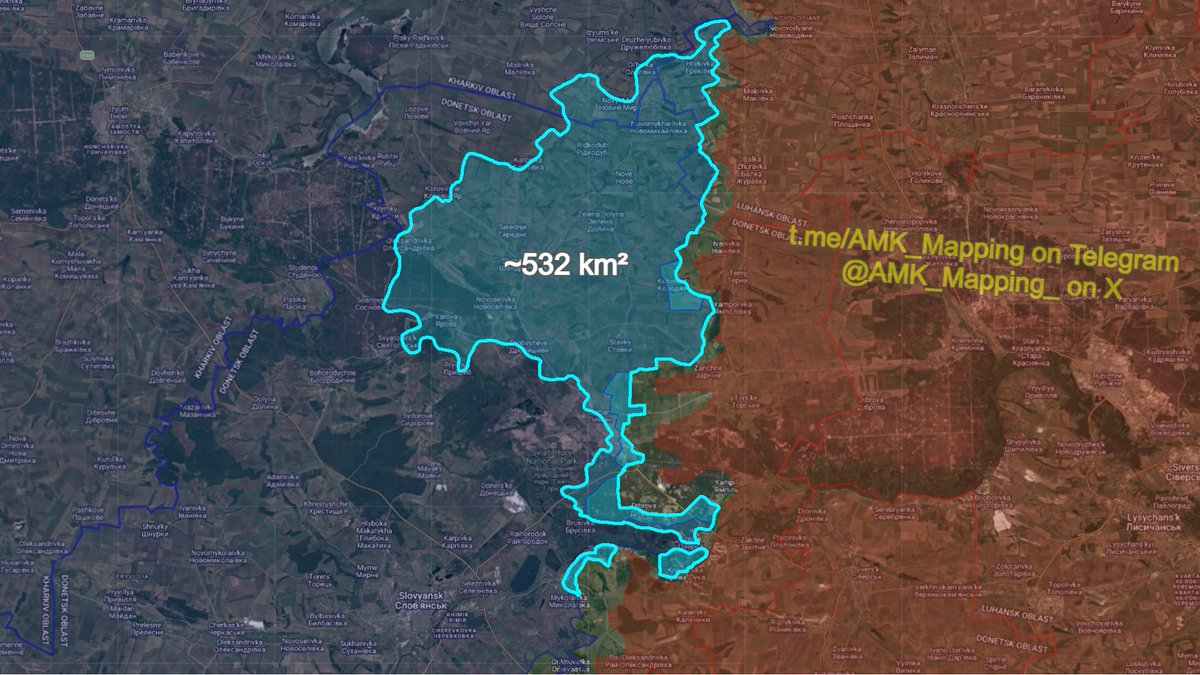
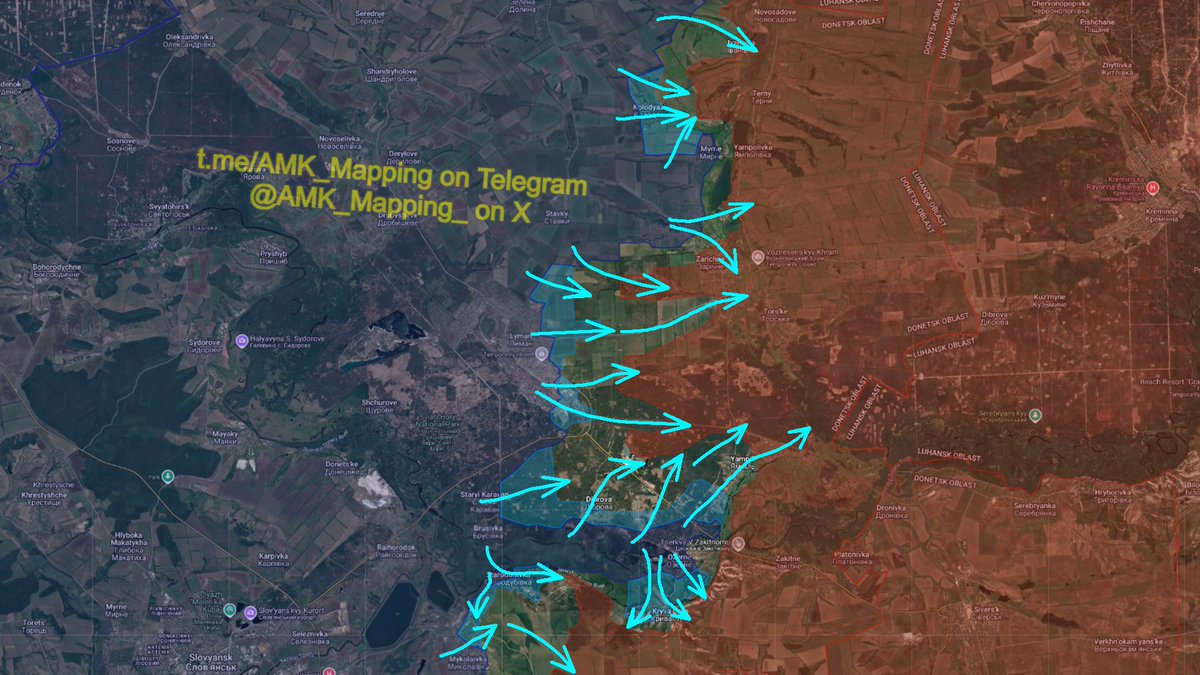
In the same 24‑hour period, Ukrainian forces continued their fifth‑month counteroffensive, advancing southward near Lyman in Donetsk Oblast. According to monitor_the_situation, the front line now stretches over a 70 km axis, with progress reported toward Slovyansk. Photographic evidence posted by the channel shows Ukrainian units consolidating positions and establishing forward logistics nodes.
Russian Personnel Losses Accelerate
The Ukrainian General Staff, cited by monitor_the_situation, announced that Russian forces suffered 1,540 combat casualties on 23 September, bringing the cumulative toll since February 2022 to 1,523,980. While the figure aggregates personnel killed, wounded, and missing, it reflects a sustained attrition rate that is influencing Russian operational tempo on the front.
Civilian Infrastructure Under Fire
Separate Russian attacks inflicted additional civilian harm. A strike on a farm in a Kharkiv‑region village killed six civilians, as reported by the same source. In a separate incident, Russian missiles damaged a maternity clinic in an unnamed Ukrainian city, killing eight people, according to Reuters‑linked reporting on the Telegram channel.
Targeted Disruption of Communications and Logistics
Russian kinetic actions also extended to the cyber‑physical domain. Strikes on Kyiv data centers and network equipment disrupted internet and communications services across the capital region (monitor_the_situation). In Odesa, fifteen S8000 Banderol cruise missiles were reported en route, highlighting a focus on maritime and export infrastructure.
Ukrainian Drone Operations Counter Russian Assets
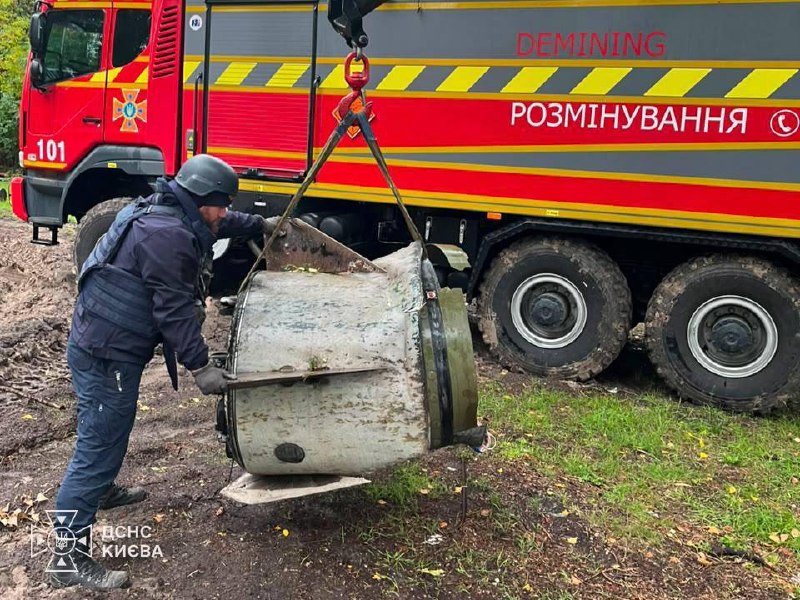
Ukrainian drone units demonstrated effectiveness against Russian ground systems. The Phoenix unit destroyed a TOS‑1A and Uragan rocket system in Toretsk, while the 3rd Army Corps’ FATUM unit used FPV drones to strike Russian armored vehicles, a Grad launcher, and personnel on the Lyman front. Additionally, a tail section of an Iskander‑M missile was recovered in Kyiv after Ukrainian air defenses intercepted the projectile (intelslava).
Analytical Assessment
The events of 24 September illustrate a dual‑track kinetic environment in Ukraine: Russia continues to employ high‑intensity, mixed‑weapon strikes against urban centers and critical infrastructure, while Ukraine sustains a methodical territorial push supported by drone‑enabled precision attacks. The casualty figures and infrastructure damage underscore the war’s escalating humanitarian cost, even as Ukrainian forces gain modest ground and degrade Russian firepower.