In the early hours of 24 September 2026, Russia launched a large‑scale, coordinated missile and drone offensive targeting Ukraine’s capital, Kyiv, and the strategic port city of Odesa. The barrage, described by the monitoring channel monitor_the_situation as the most extensive overnight strike since the conflict began, coincided with a notable Ukrainian ground offensive that secured the village of Myrne and footholds in nearby settlements. The juxtaposition of these events underscores a dynamic battlefield where Russian long‑range firepower confronts Ukrainian territorial gains.
Coordinated Overnight Attack on Kyiv and Odesa
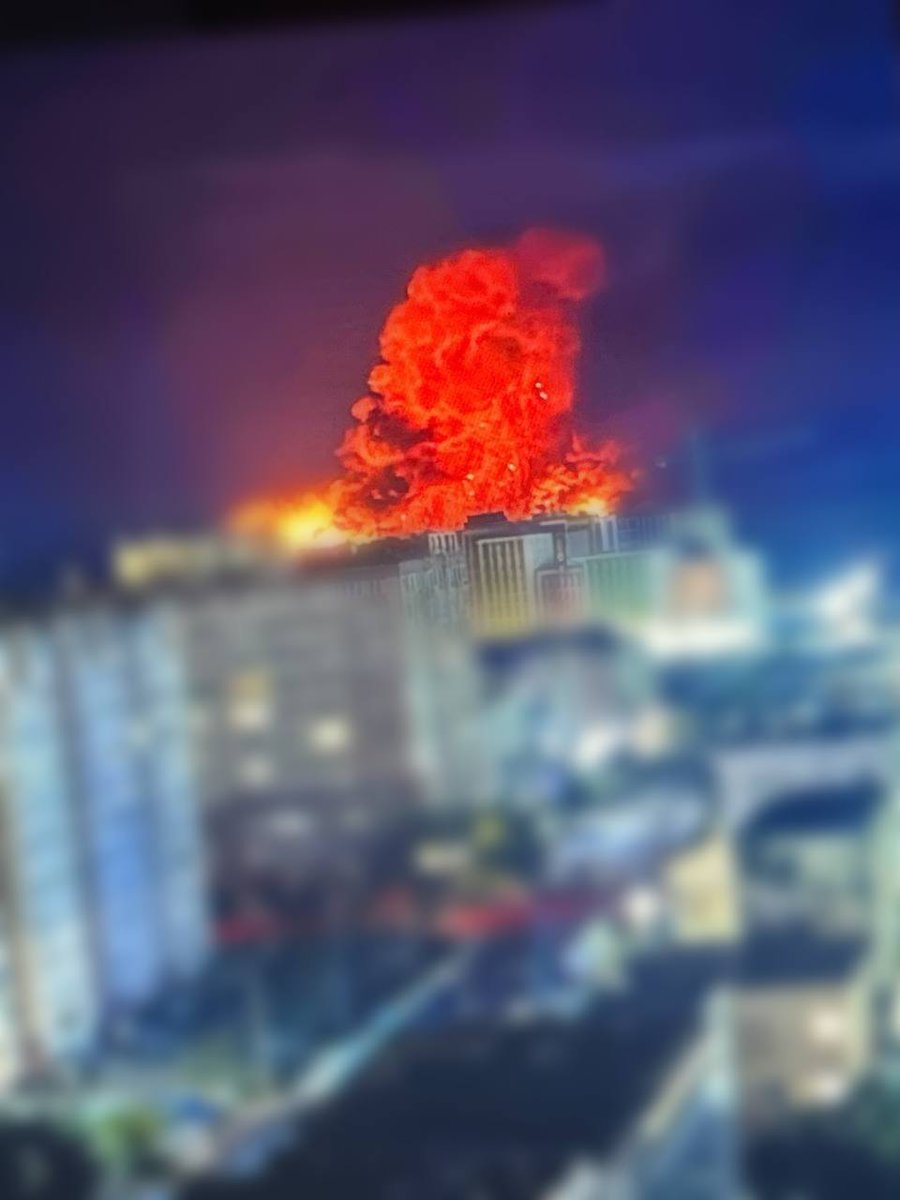
At approximately 03:02 UTC, Russian forces unleashed a mixed salvo of 15 Banderol cruise missiles, two Oniks supersonic missiles, four KAB glide‑bombs, and multiple unmanned aerial systems (UAS) against targets in Kyiv and Odesa Oblast. The strike marked the 75th consecutive night of attacks on Odesa, with particular emphasis on the Mayaky Bridges—critical infrastructure for civilian and military logistics—and urban areas of Odesa city. In Kyiv, the missiles and drones were directed at high‑value government and energy facilities, though no immediate casualty figures were released by Ukrainian authorities.
"Russia Strikes Kyiv and Odesa in Coordinated Overnight Attack" – monitor_the_situation, 24 Sept 2026
The weapon mix reflects Russia’s intent to combine precision strike capabilities (Banderol cruise missiles) with high‑speed, hard‑to‑intercept platforms (Oniks supersonic missiles) and area‑effect glide‑bombs (KAB). Drones were employed both for direct impact and for electronic disruption of air defenses. The attack was documented with photographic evidence posted by the source (source link).
RM‑48U Ballistic Warhead Failure in Kyiv
At 01:59 UTC, a separate incident unfolded in a Kyiv courtyard when a Russian RM‑48U ballistic missile warhead landed but failed to detonate. The event, reported by the intelligence channel intelslava, was captured in a single photograph and confirmed no injuries or structural damage beyond the impact crater. While the warhead’s failure prevented additional casualties, the incident illustrates the continued deployment of ballistic assets by Russian forces in urban environments.
Source: intelslava report.
Ukrainian Ground Advances in Myrne and Surrounding Villages
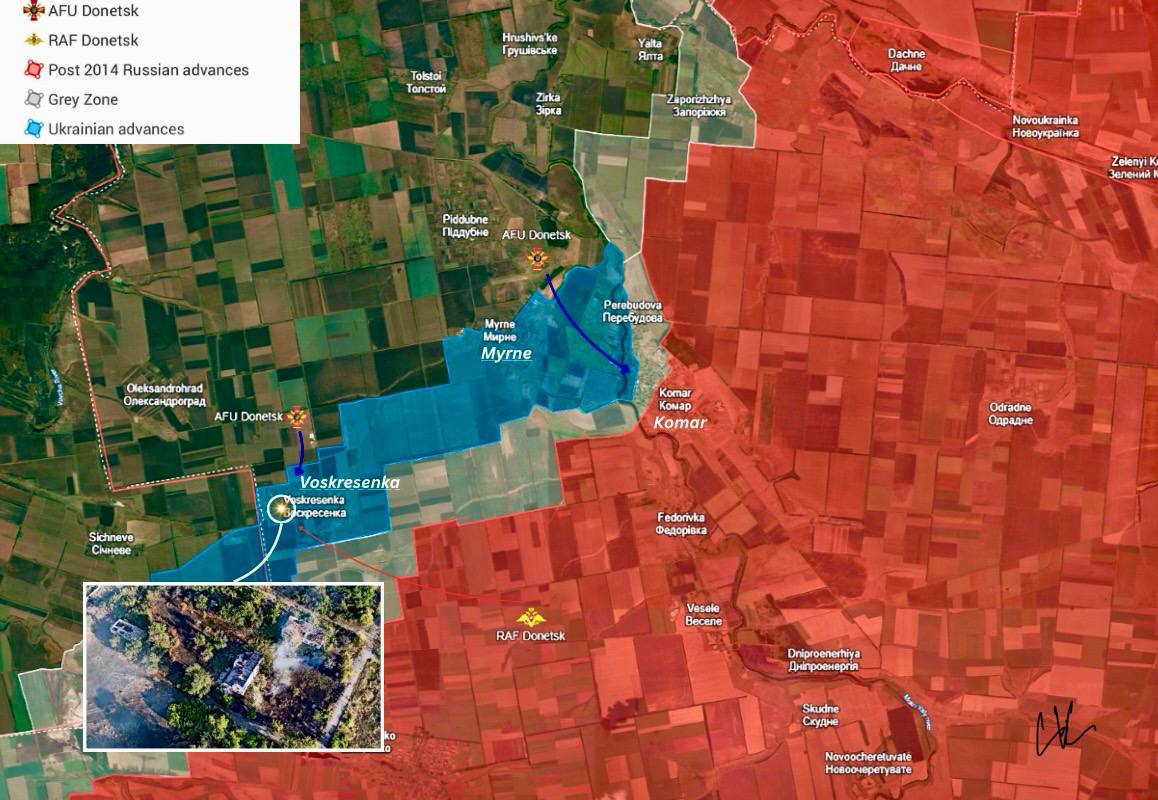
Concurrently, Ukrainian forces achieved measurable progress on the southern front. According to the open‑source monitoring group GeoPWatch, Ukrainian troops captured the village of Myrne at 02:07 UTC, successfully crossed the Mokri Yaly River, and established footholds in the settlements of Perebudova, Komar, and Voskresenka. Russian artillery responded with shelling of Ukrainian positions in Voskresenka, but Ukrainian units maintained control of the newly seized terrain.
The advance represents a strategic push to secure river crossings and disrupt Russian defensive lines in the Donetsk‑Zaporizhzhia sector. Photographic evidence of the captured villages and artillery engagements was posted alongside the report (GeoPWatch source).
Drone Swarm Over Western Ukraine
At 01:43 UTC, a swarm of Russian drones penetrated Ukrainian airspace over western regions, specifically near Zlazne and Sarny in Rivne Oblast. The swarm, reported by monitor_the_situation, triggered multiple explosions and prompted Ukrainian air defenses to scramble. The channel warned that up to 100 additional drones were detected, indicating a broader attempt to overwhelm air defense systems and create a diversion from the eastern offensive.
Source: monitor_the_situation report.
Analysis of the Dual‑Front Dynamics
The simultaneous execution of long‑range missile strikes and a ground offensive illustrates Russia’s attempt to apply pressure across multiple axes. By targeting Kyiv and Odesa, Russian command seeks to degrade command‑and‑control nodes, disrupt logistics, and erode civilian morale. The use of diverse weapon systems—cruise missiles, supersonic missiles, glide‑bombs, and drones—demonstrates a layered approach designed to challenge Ukraine’s integrated air defense network.
In contrast, Ukrainian forces are capitalizing on localized artillery support and maneuver warfare to reclaim territory in the south. The capture of Myrne and the establishment of bridgeheads across the Mokri Yaly River provide a foothold for further operations aimed at destabilizing Russian defensive depth. The Ukrainian advance also forces Russian artillery to divert resources to counter‑battery fire, potentially reducing the volume of strikes available for the coordinated missile barrage.
The drone swarm over western Ukraine serves a dual purpose: it strains Ukrainian air defenses away from the eastern front and signals Russia’s capacity to project aerial threats across the entire country. While no direct link between the western drone activity and the eastern missile strike has been confirmed, the timing suggests a coordinated effort to stretch Ukrainian response capabilities.
Overall, the events of 24 September indicate a battlefield where Russian high‑intensity, technology‑driven attacks are met with Ukrainian tactical gains that exploit Russian overextension. The lack of reported casualties from the missile strikes may reflect effective Ukrainian civil defense measures, but the continued targeting of critical infrastructure underscores the ongoing humanitarian risk.
Implications for Future Operations
Should Ukrainian forces consolidate their gains around Myrne and maintain pressure on Russian artillery positions, they may force a recalibration of Russian strike priorities, potentially reducing the frequency of large‑scale missile attacks on major cities. Conversely, sustained Russian missile and drone campaigns could compel Ukraine to allocate additional air defense assets to the capital and western regions, limiting the resources available for offensive maneuvers on the front lines.
Monitoring agencies will need to track the evolution of missile launch sites, drone launch corridors, and artillery redeployments to assess the balance of power in the coming weeks.