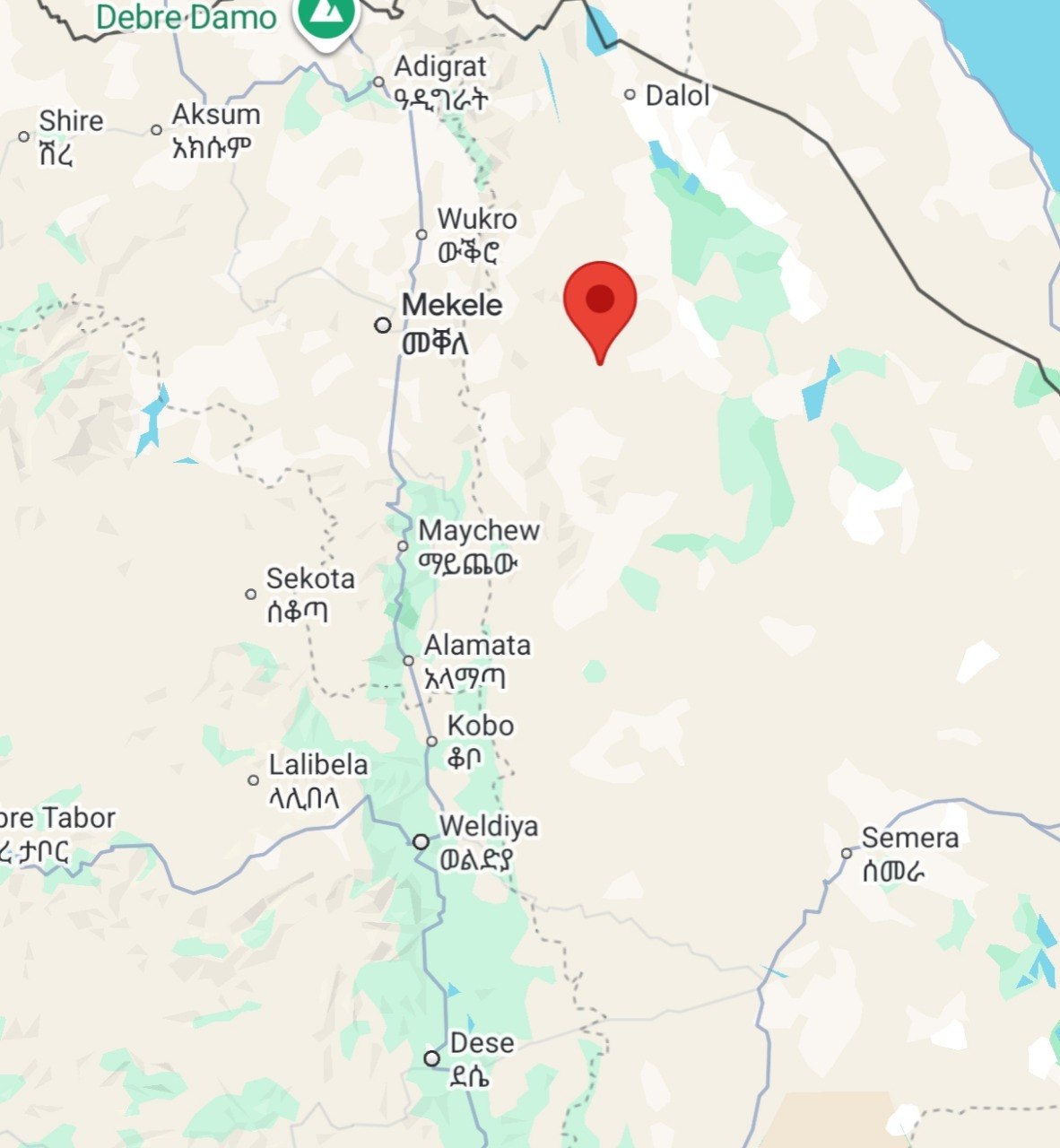
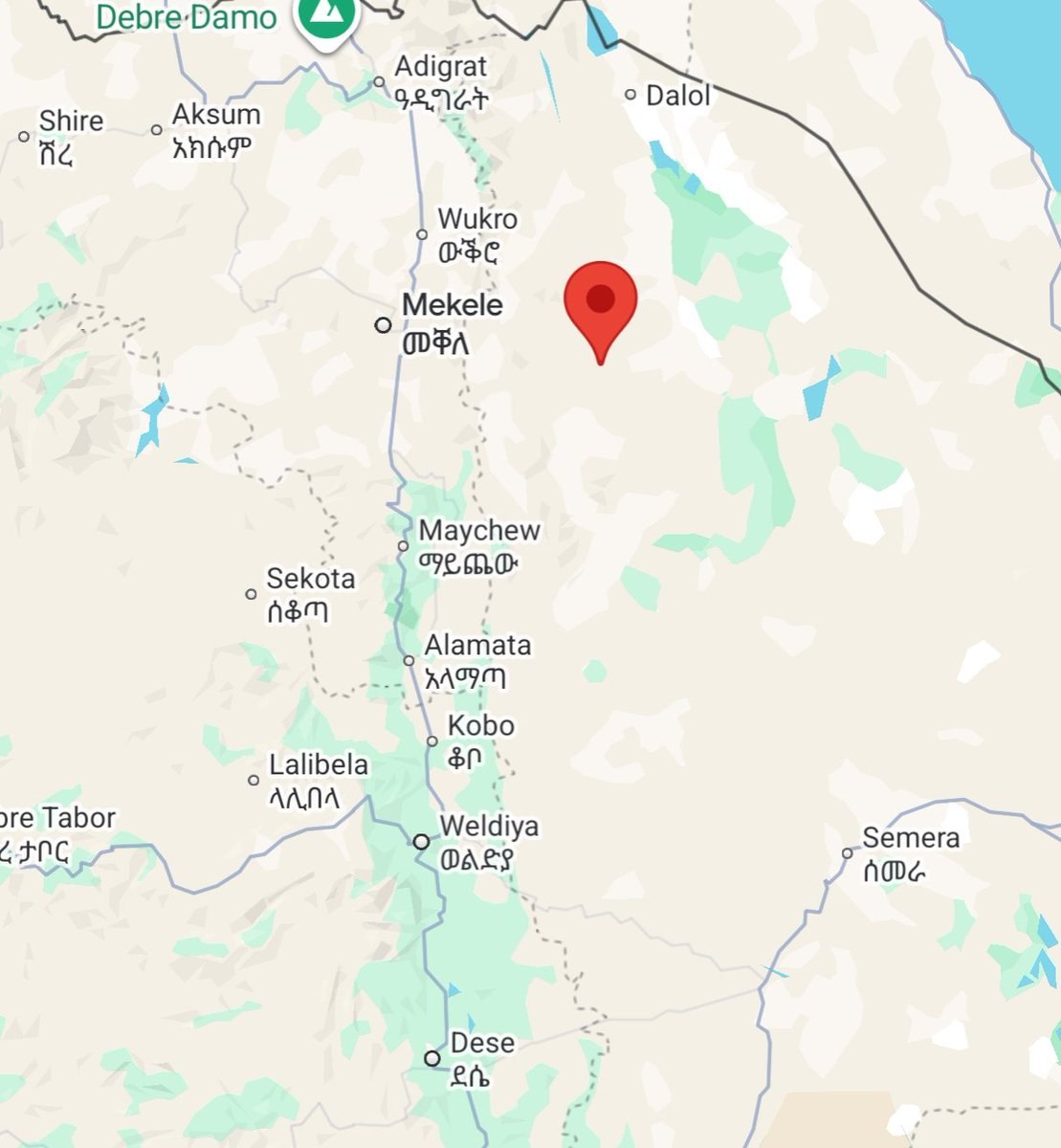
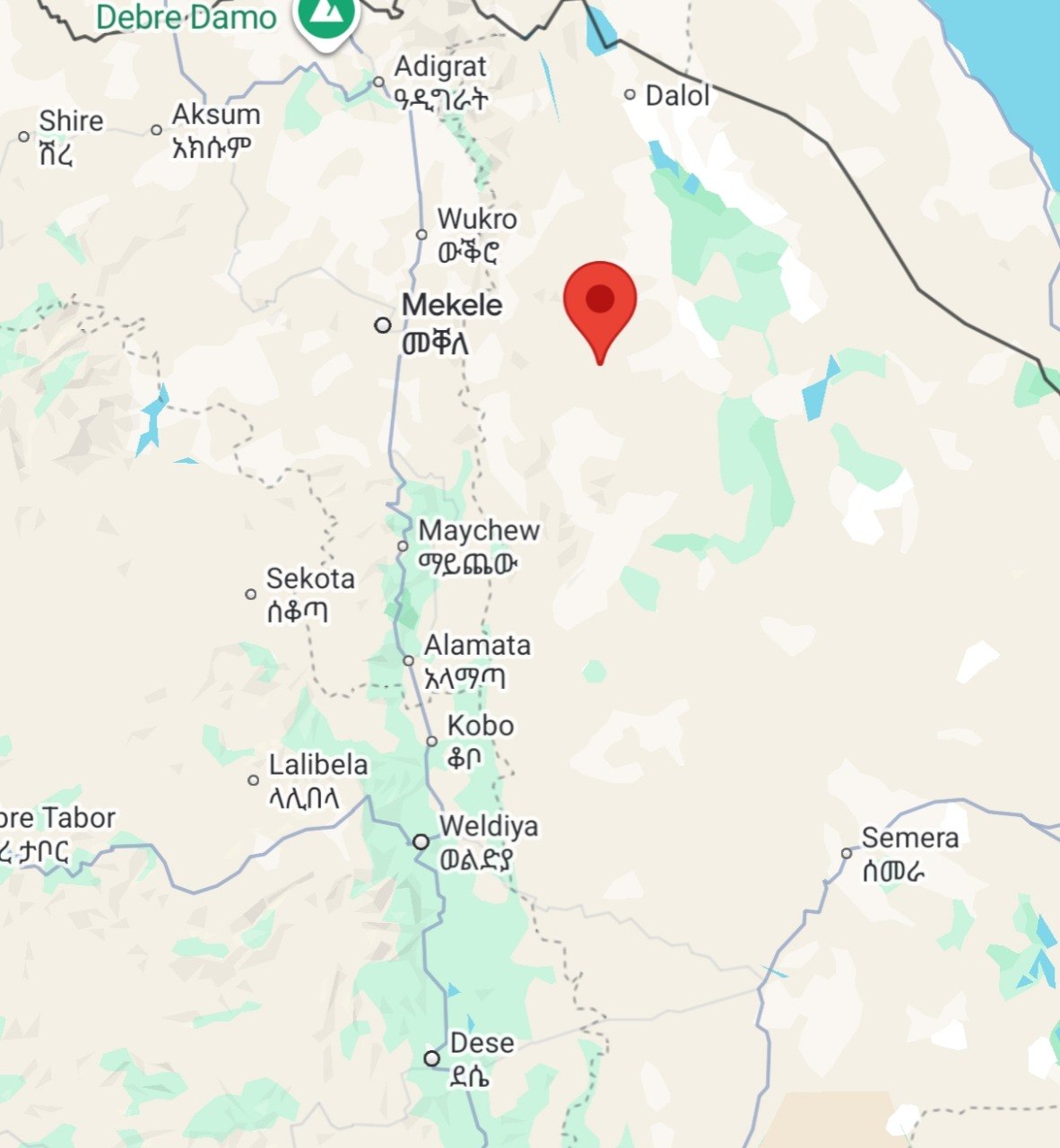
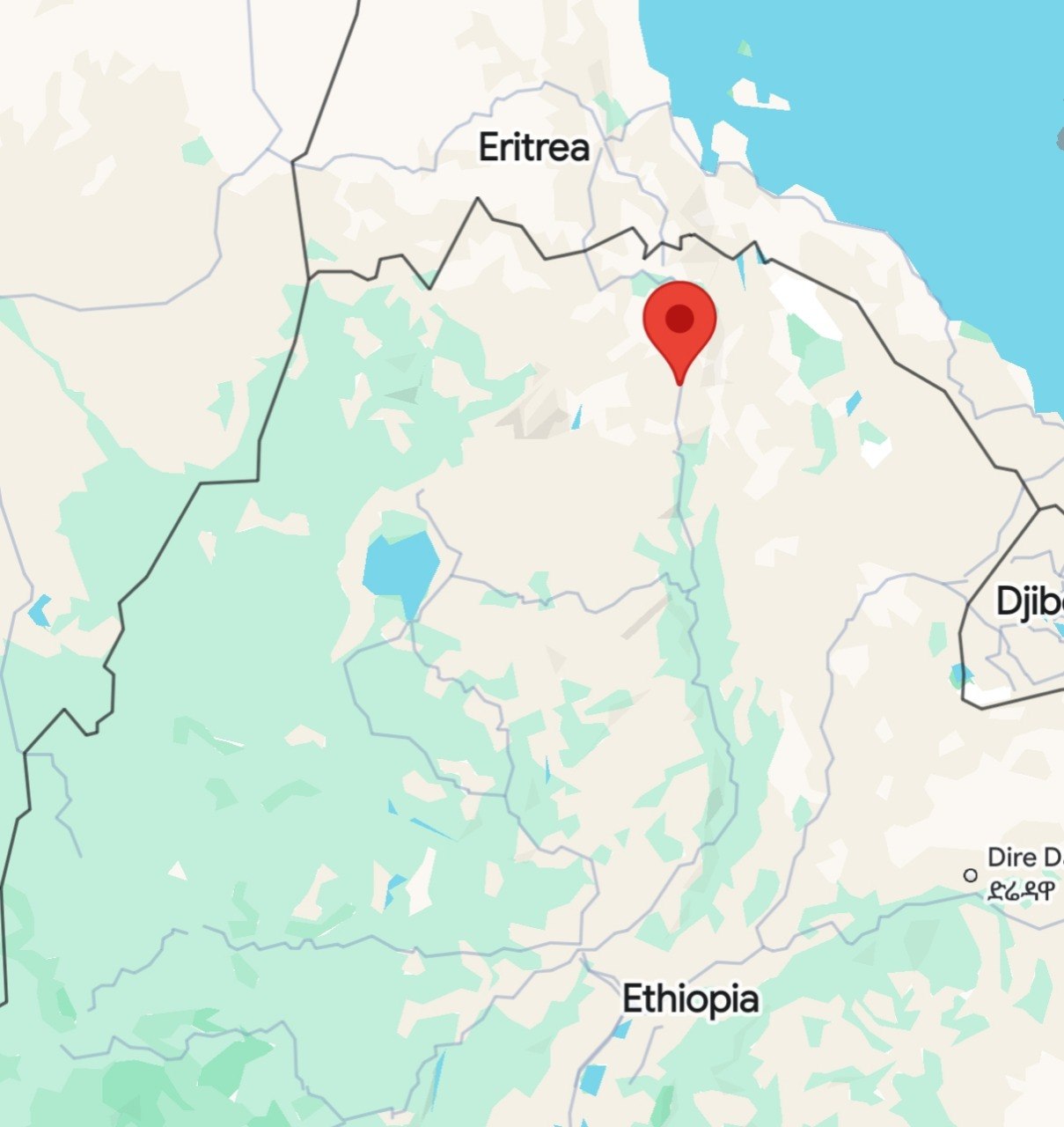
The most consequential development on 23 September 2026 was the seizure of Mekelle International Airport by the Tigray Defense Forces (TDF), the armed wing of the Tigray People’s Liberation Front (TPLF). The operation, reported by rnintel at 07:23, marked the first time since the 2022 peace process that the TDF has taken direct control of a major airfield in the region. The capture effectively cuts off civilian air traffic and provides the TDF with a strategic logistics hub for the movement of personnel, supplies, and light weaponry.
"BREAKING: The Tigray Defense Forces (the separatist branch of the TPLF) have seized Mekele International Airport in the Tigray region, northern Ethiopia." – rnintel
The airport, located on the outskirts of Mekelle, the capital of the Tigray Region, was previously under Ethiopian federal control. No casualties were reported in the initial takeover, and the TDF has not announced any immediate plans to use the facility for offensive air operations. The seizure was corroborated by a second report from CIG_telegram at 14:51, confirming the TDF’s control of the airfield.
Uguugumo Offensive in Afar and Strategic Advances Toward Sardo
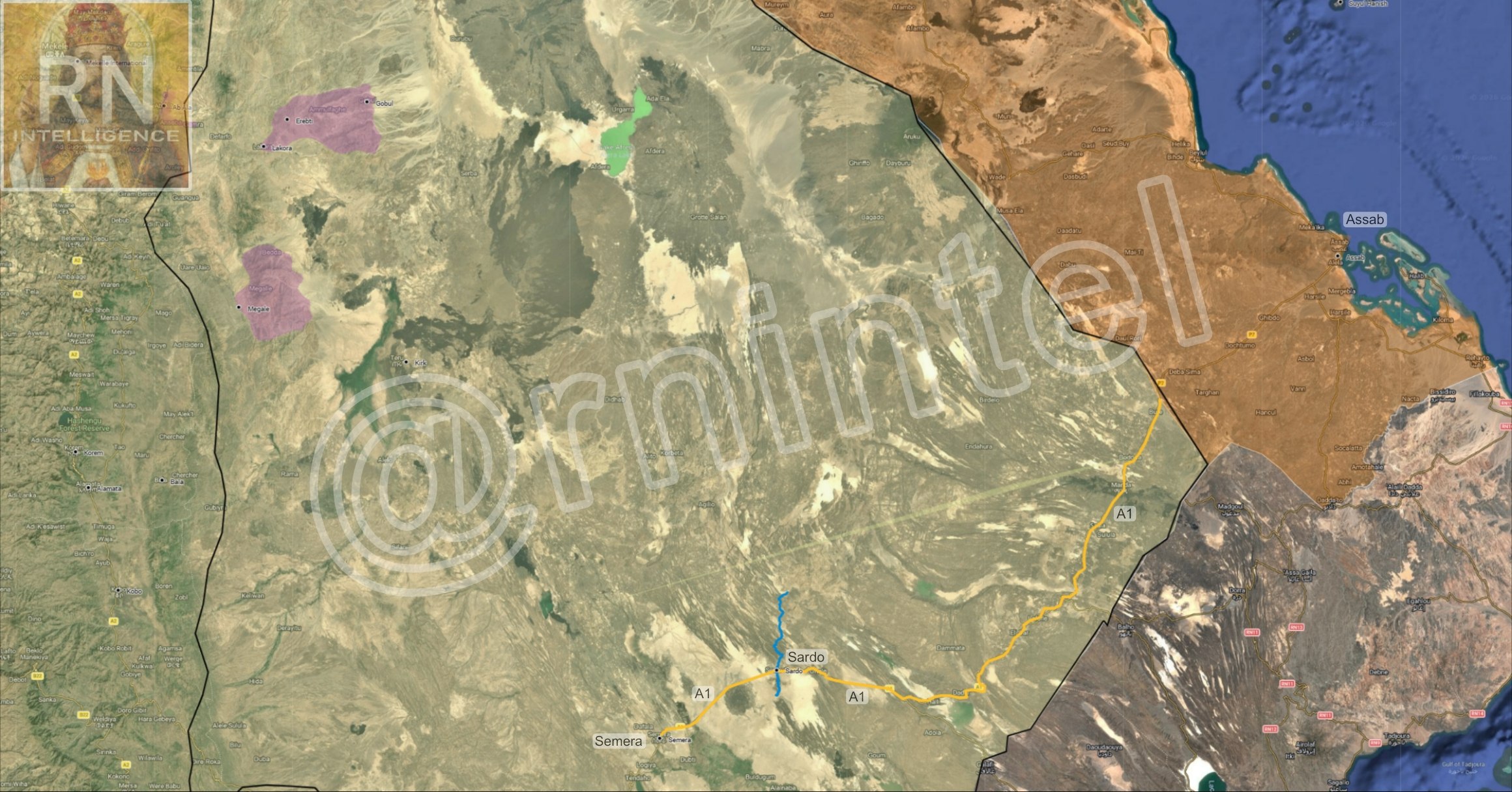
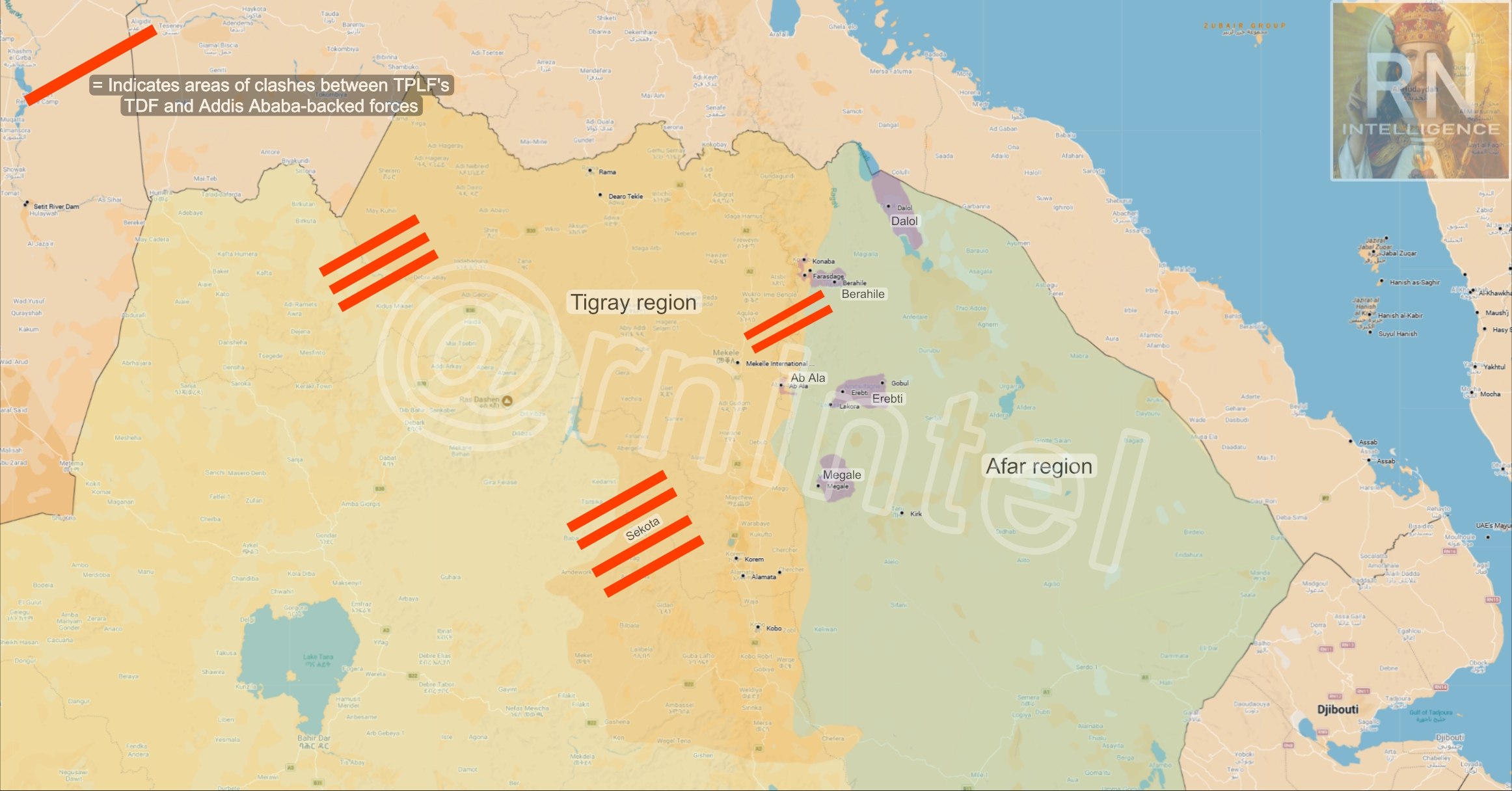
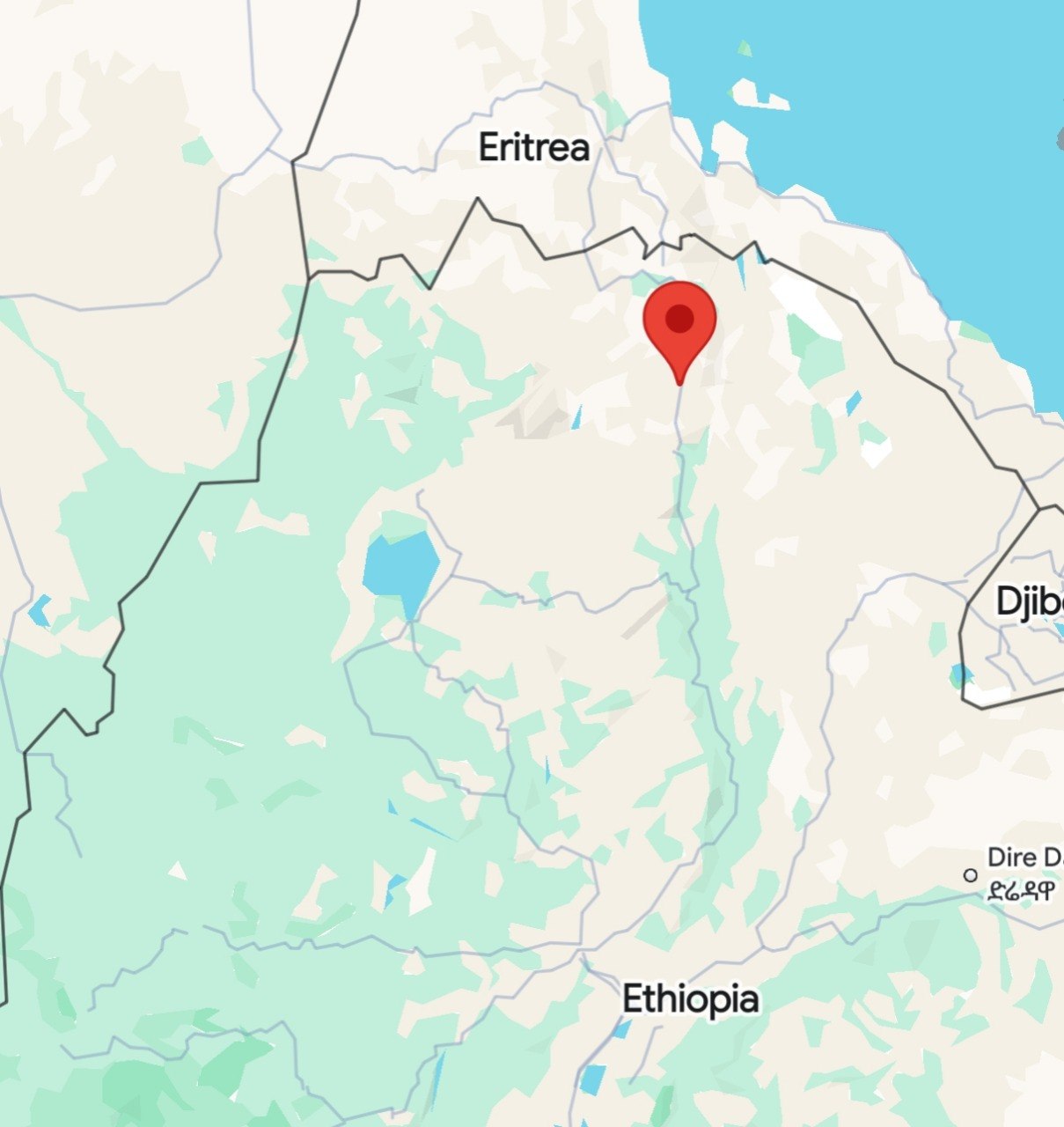
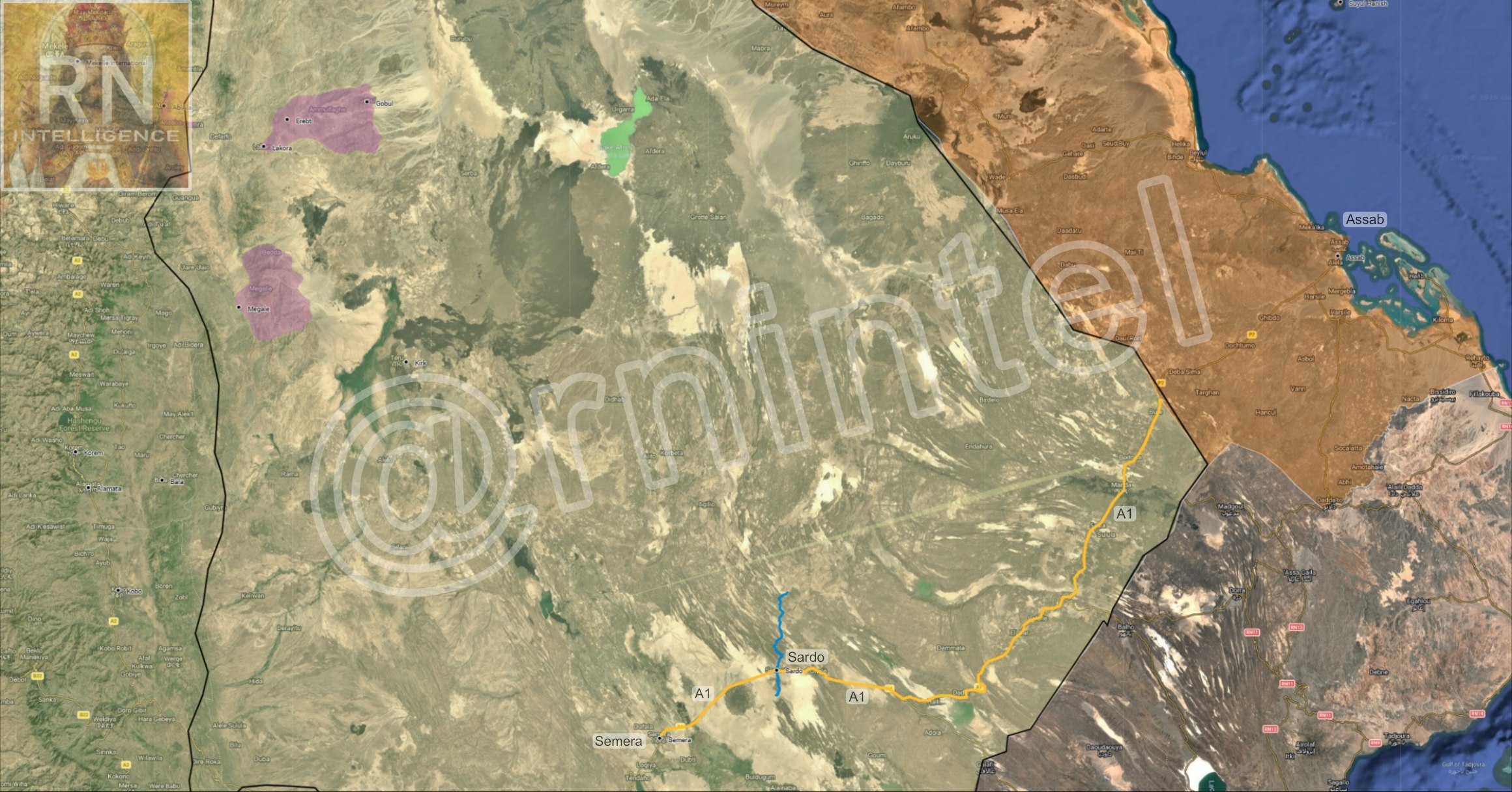
Simultaneously, the Uguugumo militia—also known as the Afar Revolutionary Democratic Unity Front—initiated a coordinated offensive across the Afar Region. At 10:18, rnintel documented the launch of the offensive, describing clashes with Addis Ababa‑backed forces at multiple points in the region. The group’s primary objective appears to be the capture of the town of Sardo, a critical energy hub and a junction on the A1 Highway that links Semera, the regional capital, with Eritrea’s port of Assab.
Two separate telegrams (CIG_telegram and rnintel) reported the commencement of the “March to Sardo” at 11:41 and 14:51 respectively. The march threatens control of the sole arterial road through the mountainous terrain and the bridge over the Mille River, both vital for the transport of fuel and humanitarian supplies to Addis Ababa.
"Uguugumo forces have begun a march toward the strategic town of Sardo in Ethiopia's Afar region, threatening control of the A1 highway and the bridge over the Mille River." – rnintel
While no casualty figures have been released, the movement of armed columns suggests a significant escalation of hostilities in the eastern theater.
Territorial Gains and Clashes Along the Tigray‑Afar Border
Uguugumo forces also secured several border towns on 23 September. At 11:13, rnintel confirmed the capture of Ab Ala on the Tigray‑Afar border, a development echoed by CIG_telegram at 14:51. Visual evidence, including video footage, was shared by both sources, indicating a rapid shift in control of the border area.
Heavy fighting erupted in the Aba'ala region, a known TDF stronghold, as reported by monitor_the_situation at 10:00 and by rnintel at 07:31. The clashes involved TDF units and pro‑government Afar militias, resulting in sustained combat but without verified casualty numbers. The intensity of the fighting was described as “not seen since the Pretoria Ceasefire Agreement” by both rnintel (07:23) and CIG_telegram (14:51), underscoring a resurgence of large‑scale kinetic engagements.
Spillover Into Amhara: Sekota Frontline Expands
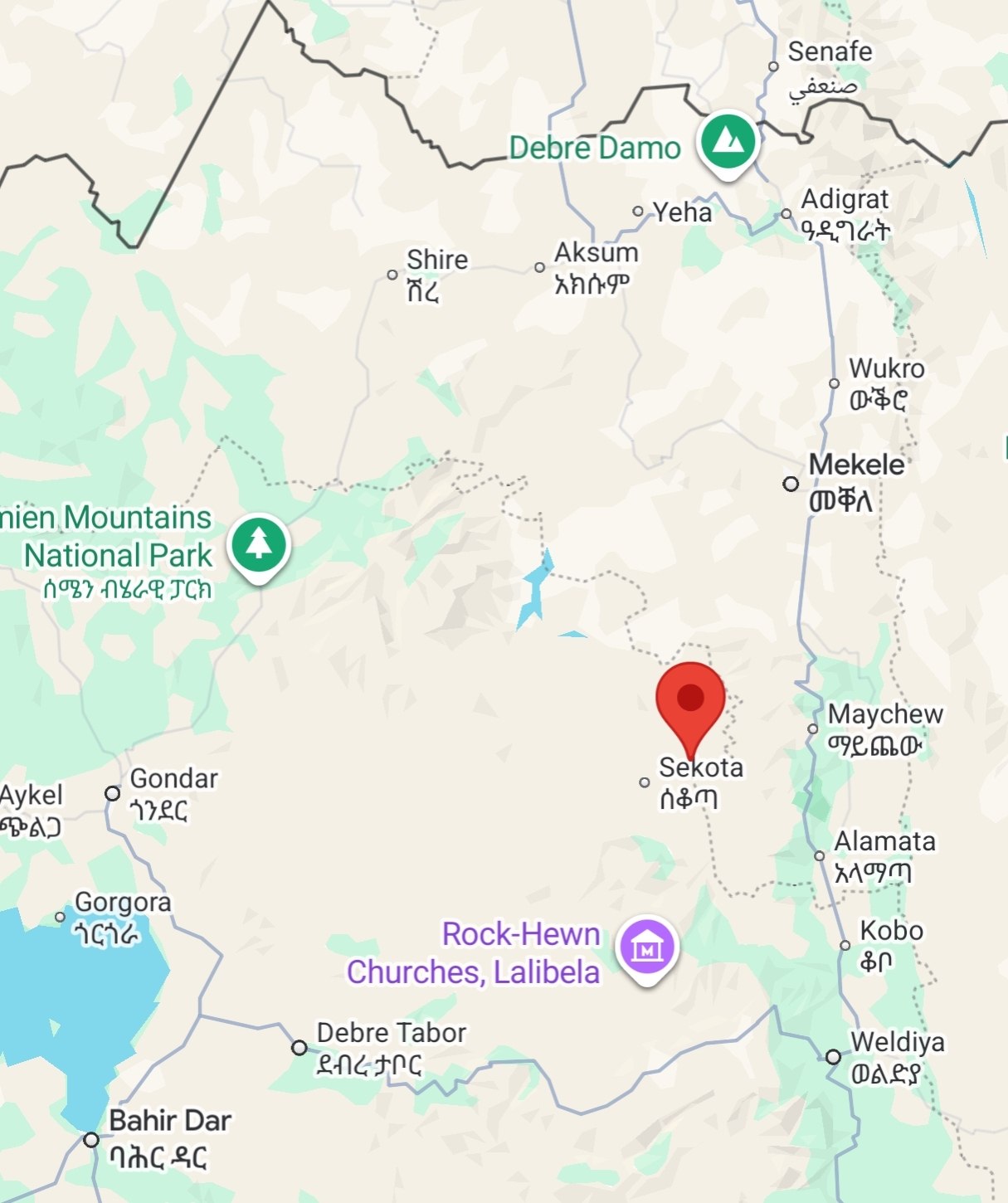
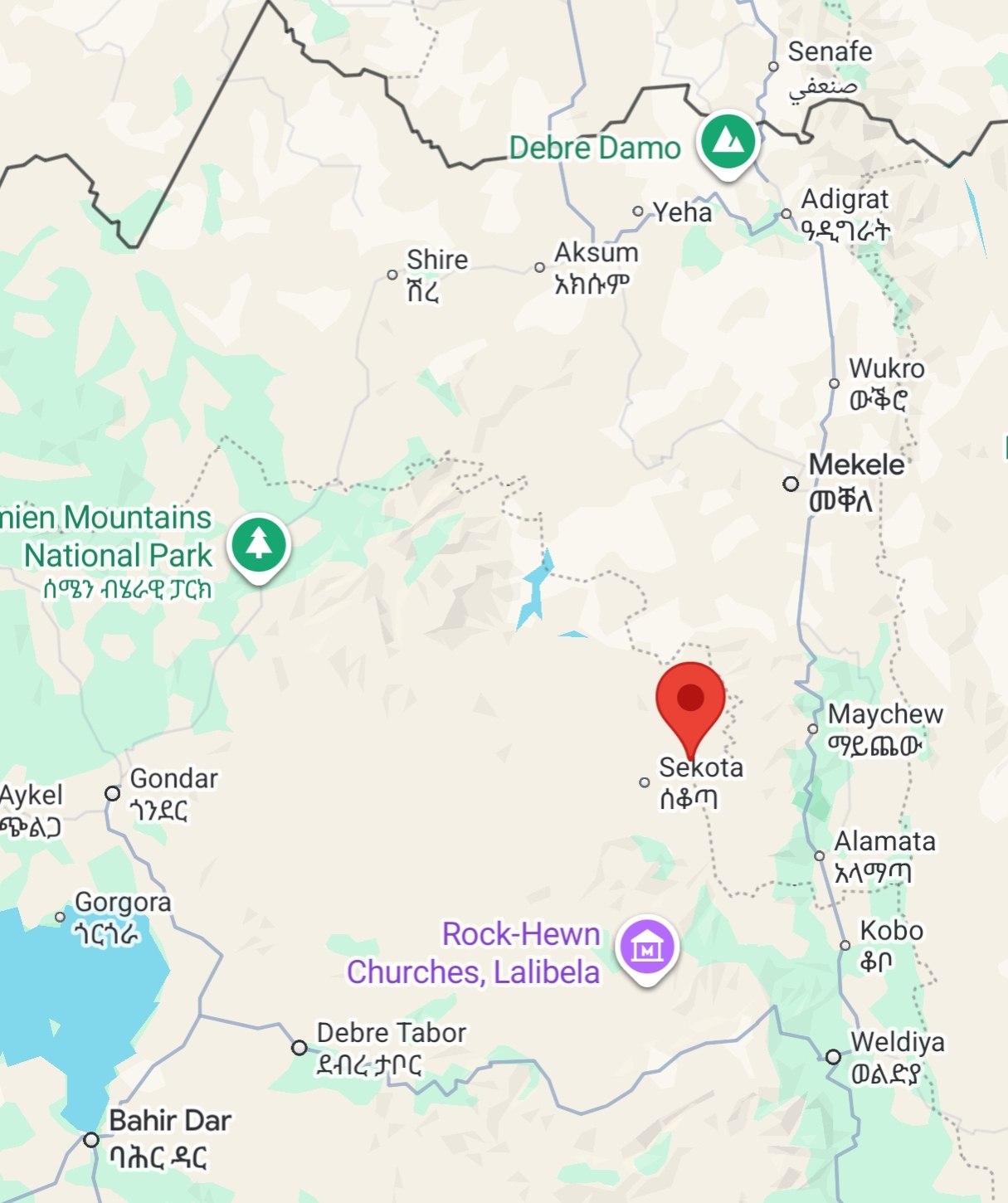
By mid‑morning, the conflict spread to the Amhara Region. Reports from rnintel (07:37) and CIG_telegram (14:51) indicated that fighting had reached the Sekota area on the Tigray‑Amhara border. The expansion of hostilities into Amhara raises the risk of a broader multi‑regional war, although no specific armed groups were identified in the Sekota reports.
Operational Context and Strategic Implications
The simultaneous offensives by the TDF and Uguugumo militias reflect a coordinated effort to exploit perceived weaknesses in federal security deployments. The capture of Mekelle Airport provides the TDF with a logistical foothold that could facilitate the rapid redeployment of forces across the northern theater. Conversely, Uguugumo’s push toward Sardo threatens to disrupt Ethiopia’s energy supply chain and could force the federal government to divert resources from the Tigray front to protect critical infrastructure in Afar.
Both the TDF and Uguugumo have emphasized the political nature of their campaigns. The TDF frames its actions as a response to the federal government’s failure to implement the 2022 peace agreement, while Uguugumo claims to be defending Afar autonomy against perceived marginalization. The convergence of these grievances on 23 September has produced a volatile security environment that may challenge the Ethiopian government's capacity to enforce the Pretoria Ceasefire terms.
Airspace over Tigray remains closed, as noted by monitor_the_situation, limiting independent verification of on‑ground developments. Satellite imagery and open‑source monitoring will be essential for tracking further territorial changes and assessing humanitarian impacts.