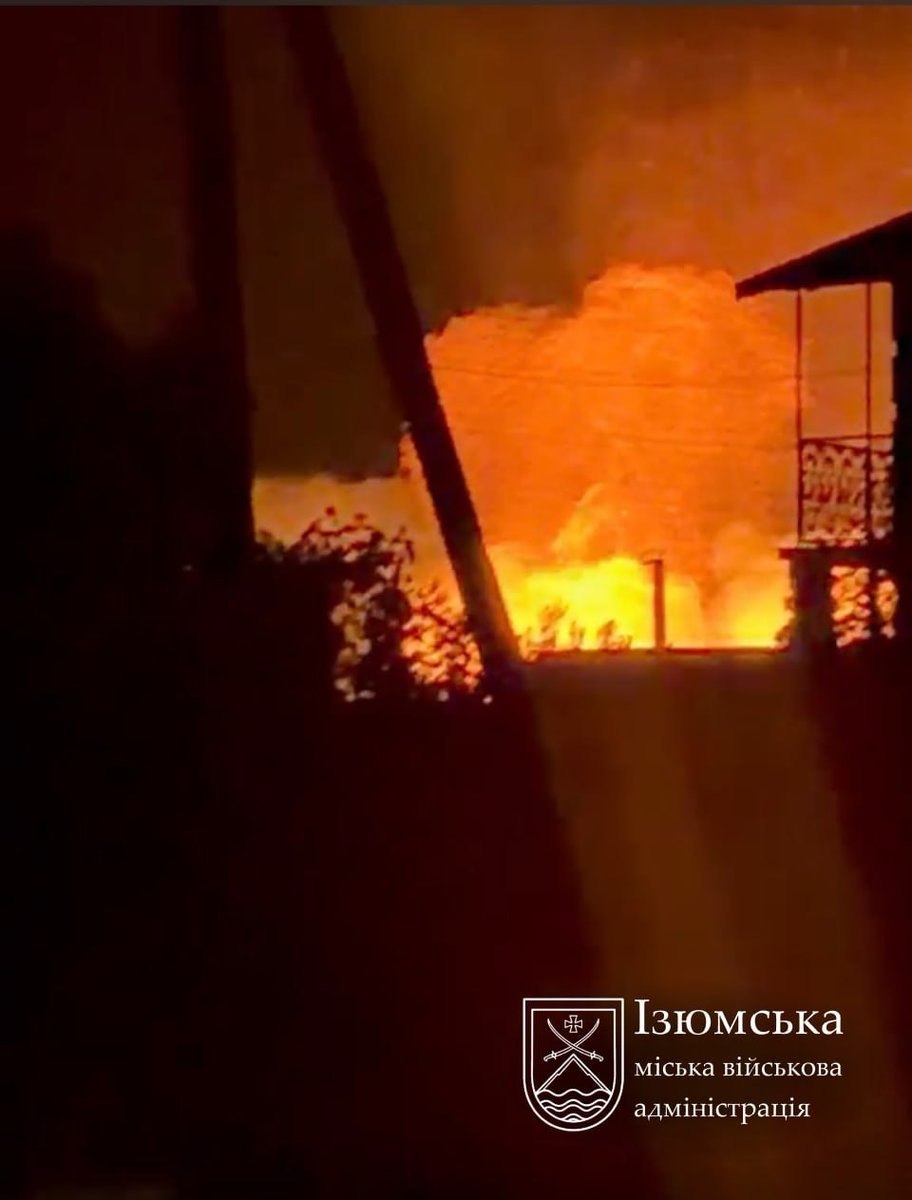
In the early hours of 23 September 2026, Russian forces escalated their aerial campaign against Ukraine, deploying a series of Geran‑4 jet‑drones, long‑range multiple launch rocket system (MLRS) salvos and precision glide‑bombs on major urban centres. The coordinated strikes underscore a strategic shift toward high‑intensity, low‑altitude attacks designed to overwhelm civil defence systems and inflict infrastructural damage across the capital and regional hubs.
Geran‑4 Drone Wave Over Kyiv
At 04:45:50 UTC, the Rembaza District of Kyiv experienced a fourth Geran‑4 drone impact of the morning, with explosions reported city‑wide and a second drone observed hovering overhead. Six minutes later, at 04:53:10 UTC, a fifth Geran‑4 drone struck the southeastern suburbs of the capital, confirming a sustained drone barrage targeting densely populated neighbourhoods. Both incidents were reported by the Telegram channel monitor_the_situation and are documented in the source URLs 32269 and 32271. No immediate casualty figures were released, but local authorities indicated that the explosions caused minor structural damage and prompted the activation of emergency services.
"Fifth Geran‑4 jet‑drone strike this morning hits Kyiv's southeastern suburbs; an explosion was just heard, extending an ongoing Russian attack series on the capital," – monitor_the_situation, 04:53:10.
Key characteristics of the Geran‑4 platform include a low‑observable airframe, a payload capacity of up to 30 kg of high‑explosive warheads, and a flight endurance of approximately 45 minutes. The drones are launched from mobile ground stations, allowing rapid redeployment across the front line. Their repeated use over Kyiv suggests a tactical emphasis on saturation attacks that aim to saturate air‑defence radars and create psychological pressure on the civilian population.
MLRS Rockets Hit Sumy
At 04:18:19 UTC, Russian forces fired long‑range MLRS rockets into the city of Sumy, located in northeastern Ukraine. The strike produced multiple explosions across the urban area, as reported by the same monitoring channel (32268). While the exact type of rockets was not disclosed, the term "long‑range MLRS" typically refers to systems such as the BM‑30 Smerch or the newer Tornado‑G, capable of delivering 300 mm rockets over distances exceeding 70 km. No casualty numbers were immediately available, and local officials were still assessing damage to residential blocks and critical infrastructure.
"Explosions reported in Sumy as the city comes under Russian long‑range MLRS fire," – monitor_the_situation, 04:18:19.
The timing of the Sumy attack, occurring shortly after the Kyiv drone barrage, indicates a synchronized multi‑theatre offensive designed to stretch Ukrainian air‑defence resources and complicate command‑and‑control responses.
Glide‑Bomb and Cluster Rocket Assault on Izyum
At 03:16:00 UTC, the city of Izyum in Kharkiv Oblast suffered a combined strike involving at least 15 KAB glide‑bombs and three MLRS‑delivered cluster rockets. The glide‑bombs, likely the KAB‑500S series, are precision‑guided weapons released from high‑altitude aircraft, capable of gliding to targets with a circular error probable (CEP) of less than 10 m. The cluster rockets dispersed sub‑munitions over a wide area, igniting large fires and causing localized power outages, according to the event summary (32259). Again, casualty figures were not disclosed, but the extensive damage to civilian infrastructure was evident from on‑the‑ground reports and accompanying photographic evidence.
"Russia hit Izyum, Kharkiv Oblast with at least 15 KAB glide‑bombs and 3 MLRS cluster rockets, causing large fires and power outages in parts of the city," – monitor_the_situation, 03:16:00.
The use of glide‑bombs alongside cluster munitions reflects a hybrid approach: precision strikes on high‑value targets combined with area‑effect weapons intended to disrupt utilities, impede evacuation routes and create secondary hazards such as unexploded ordnance.
Strategic Assessment of the Aerial Campaign
The pattern of attacks on 23 September demonstrates a deliberate escalation in the density and diversity of Russian aerial assets over Ukrainian urban centres. By employing Geran‑4 drones for low‑altitude, high‑frequency strikes in Kyiv, long‑range MLRS rockets for rapid, high‑impact hits in Sumy, and glide‑bombs with cluster munitions in Izyum, Russian forces are leveraging a multi‑layered strike package that challenges the breadth of Ukraine’s air‑defence network.
Analysts note that the simultaneous use of these weapon systems serves several operational objectives: (1) to dilute the effectiveness of surface‑to‑air missile batteries, (2) to create overlapping shock effects that strain emergency response capacities, and (3) to signal a willingness to target civilian infrastructure directly, thereby increasing the humanitarian cost of the conflict. The absence of reported casualties in the immediate aftermath may reflect either a lag in verification or the effectiveness of civil defence measures; however, the repeated targeting of densely populated districts suggests an intent to erode civilian morale.
Source Attribution and Verification
All events cited herein originate from the open‑source Telegram channel monitor_the_situation, which aggregates real‑time conflict data from on‑the‑ground observers, local officials and satellite imagery analysts. Each report includes a unique identifier and a direct URL to the original post, enabling independent verification. While the channel does not disclose its editorial process, its consistent formatting and timely updates have made it a frequently referenced source among regional monitoring organisations.
Given the high‑stakes nature of aerial warfare, corroboration with additional intelligence streams—such as commercial satellite imagery, radar tracking data and independent journalist accounts—remains essential for a comprehensive understanding of the operational impact.