On September 22, 2026, Ukrainian unmanned aerial vehicles (UAVs) conducted a series of kinetic attacks on Russian energy assets, marking the most lethal strike of the day. Drones hit Rosneft’s Kuibyshev refinery in Samara Oblast and a second facility in Bashkortostan, killing one worker and wounding four, according to regional officials. The attacks underscore Kyiv’s intensified campaign against Russia’s oil and gas sector, employing low‑cost aerial platforms to inflict both human and material losses.
Source: monitor_the_situation – https://t.me/monitor_the_situation/32045
Rosneft Refinery Hits in Samara and Bashkortostan
The Kuibyshev refinery, one of Rosneft’s largest processing complexes, suffered a direct UAV impact that breached a storage tank and ignited a secondary fire. Emergency crews contained the blaze within three hours, but the incident resulted in one fatality—a 42‑year‑old technician—and four injuries ranging from minor burns to shrapnel wounds. A second drone strike targeted a smaller Rosneft facility in Bashkortostan, causing structural damage but no additional casualties. Both sites reported temporary shutdowns of primary processing units while safety inspections are underway.
Syzran AVT‑6 Unit Attack
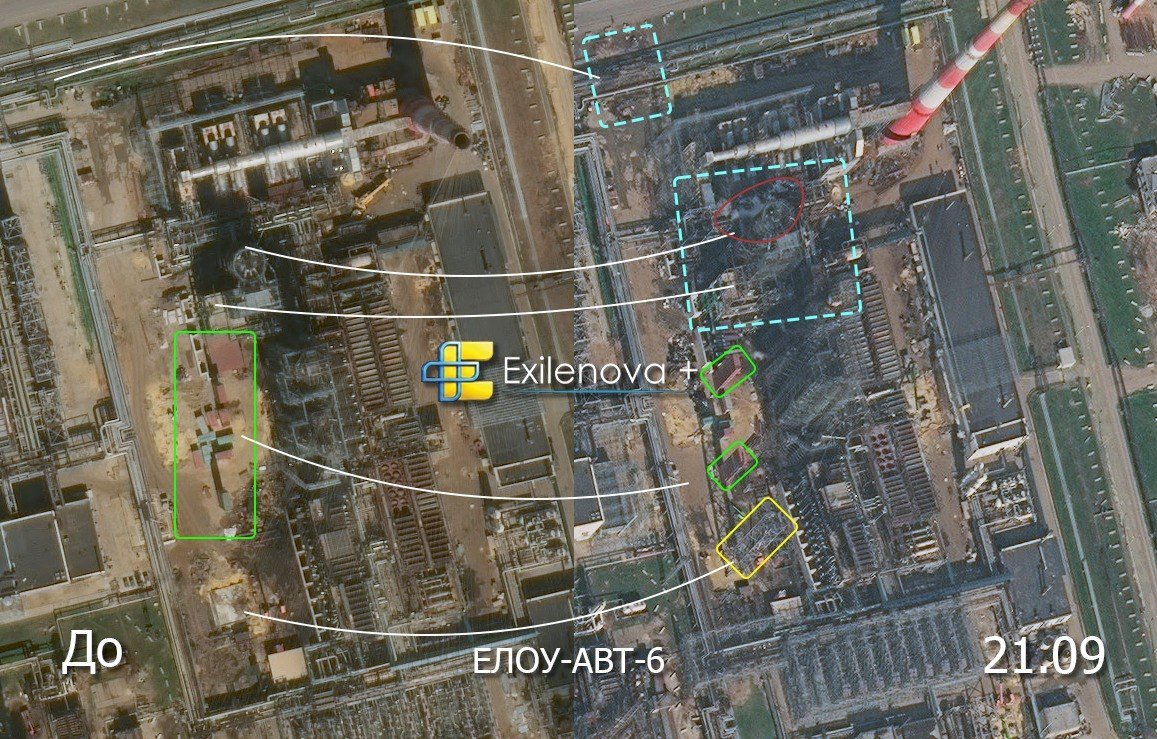
Earlier in the day, at 16:19 local time, a separate Ukrainian strike hit the AVT‑6 primary oil processing unit at the Syzran oil refinery, also located in Samara Oblast. The unit, still under repair from a prior attack in August, was struck by an indirect explosive device whose origin remains unconfirmed. The blast collapsed scaffolding, scorched a nearby distillation column, and forced the deployment of firefighting foam. No fatalities were reported, but the incident delayed the planned restart of the AVT‑6 unit by an estimated two weeks.
Source: monitor_the_situation – https://t.me/monitor_the_situation/32149
Maritime Tanker Fires Near Sochi
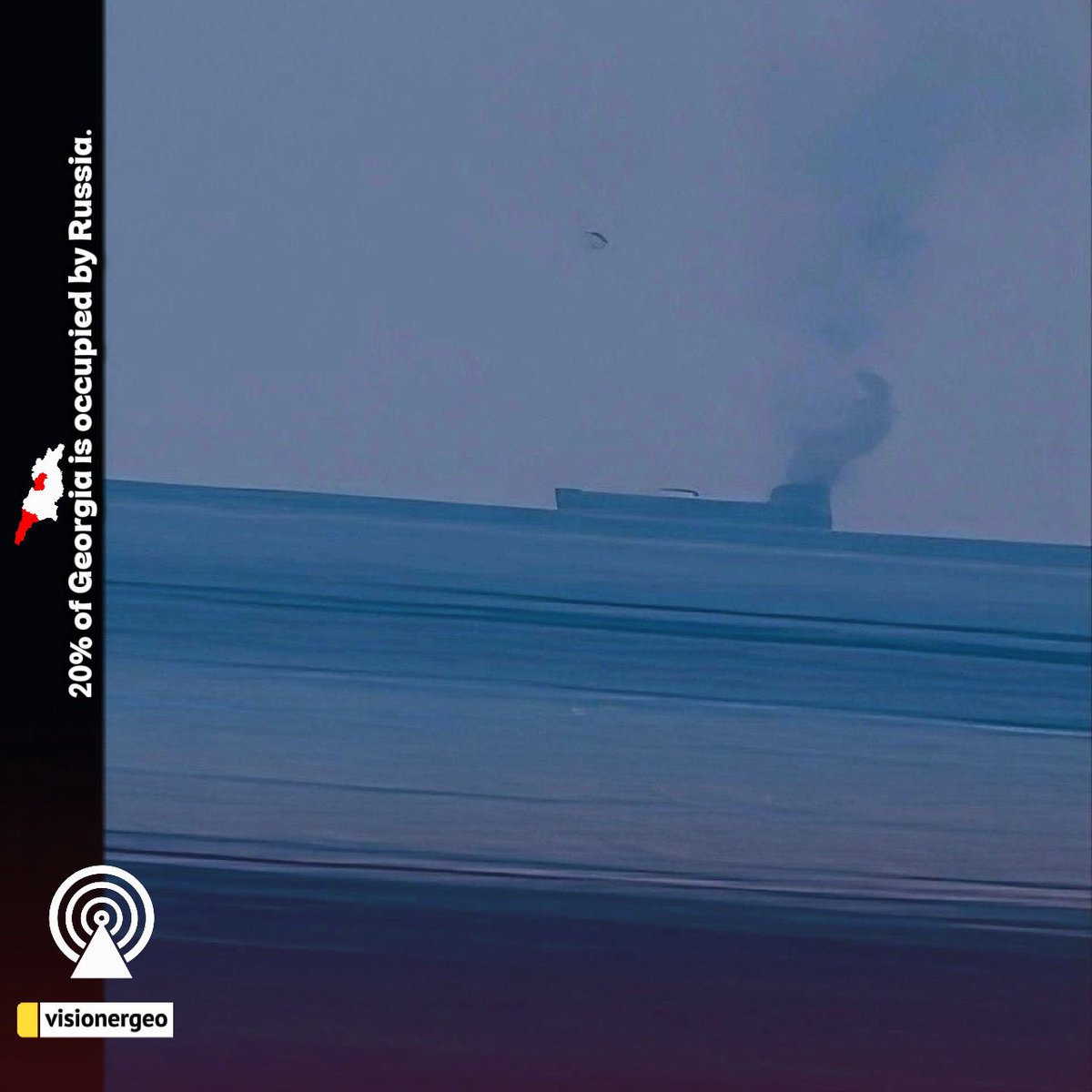
At 13:32, a Ukrainian kamikaze drone targeted a Russian shadow‑fleet tanker operating off the Black Sea coast of Sochi, Krasnodar Krai. The UAV struck the vessel’s deck, igniting a fuel line and causing a large fire that burned for over an hour before being extinguished by Russian naval fire‑suppression teams. The tanker, identified only as a shadow‑fleet asset, suffered extensive damage to its cargo holds, though no crew injuries were reported. The incident expands Kyiv’s operational reach into Russia’s maritime logistics corridor, highlighting the vulnerability of vessels operating in contested coastal waters.
Source: monitor_the_situation – https://t.me/monitor_the_situation/32092
Black Sea Port Tanker Fires in Novorossiysk
Earlier in July, Ukrainian drones set fire to two commercial tankers docked at the Black Sea port of Novorossiysk: the Nordic Zenith, chartered by ExxonMobil, and the Asia, chartered by Chevron. While the attacks occurred months before the September 22 events, they remain relevant as they illustrate a pattern of targeting foreign‑linked assets within Russian ports. Both vessels sustained severe fire damage, prompting evacuations and temporary port closures. The incidents prompted diplomatic protests from the United States, emphasizing the broader geopolitical implications of attacks on vessels tied to multinational corporations.
Source: monitor_the_situation – https://t.me/monitor_the_situation/32087
Collectively, these coordinated UAV operations demonstrate a shift in Ukrainian tactics toward sustained, multi‑theater pressure on Russian energy infrastructure. The use of kamikaze drones against both land‑based refineries and maritime assets reflects an adaptive approach that leverages low‑cost technology to achieve strategic disruption. Russian authorities have responded with heightened air‑defense alerts and increased patrols in the Black Sea, but the frequency of successful strikes suggests gaps in detection and interception capabilities.
From an operational perspective, the attacks have resulted in temporary production losses at the affected refineries, estimated to reduce regional fuel output by up to 5 percent during repair periods. The human toll, while limited to a single fatality on September 22, underscores the inherent risk to civilian workers operating in high‑risk environments. The incidents also raise concerns about the security of maritime supply chains, particularly for vessels carrying foreign‑chartered cargoes that may become targets in future engagements.