The United Nations confirmed on 22 September 2026 that the conflict in Yemen’s highlands has entered a new phase of intensity, with an estimated 700 fatalities and thousands more injured as Houthi forces advance to seize strategic terrain.
Ground Offensive in the Highlands
At 05:56 local time, Houthi combat units launched coordinated movements across the highland region, targeting key supply routes and elevated positions that dominate the surrounding valleys. The operation, reported by JPost, marks the most significant ground push since the conflict’s escalation in 2015. UN observers on the ground noted that the offensive has displaced tens of thousands of civilians, many of whom are seeking refuge in makeshift camps along the periphery of the highlands.
"Houthis are advancing to seize Yemen's highlands, with UN reports indicating about 700 deaths and thousands injured," JPost reported.
The highlands hold tactical importance because they provide artillery observation points and control over major north‑south arteries. Control of these heights would enable the Houthis to disrupt coalition supply lines and potentially threaten the capital, Sana’a, from a new direction.
Coalition Airstrikes West of Taiz
In response to the Houthi advance, the Saudi‑led coalition intensified its aerial campaign. At 01:55, coalition aircraft struck Houthi positions west of Taiz Governorate, according to the Telegram channel monitor_the_situation. While the strike’s exact ordnance was not disclosed, the operation targeted entrenched militia units and command posts believed to be coordinating the highland push.
"Saudi-Led Coalition Strikes Houthi Positions West of Taiz," monitor_the_situation, 22 Sep 2026.
The airstrike reportedly damaged several Houthi vehicles and command infrastructure, though casualty figures were not released. The timing of the strike, occurring just hours before the highland offensive, suggests a coordinated effort to blunt Houthi momentum.
Civilian Casualties in Mocha
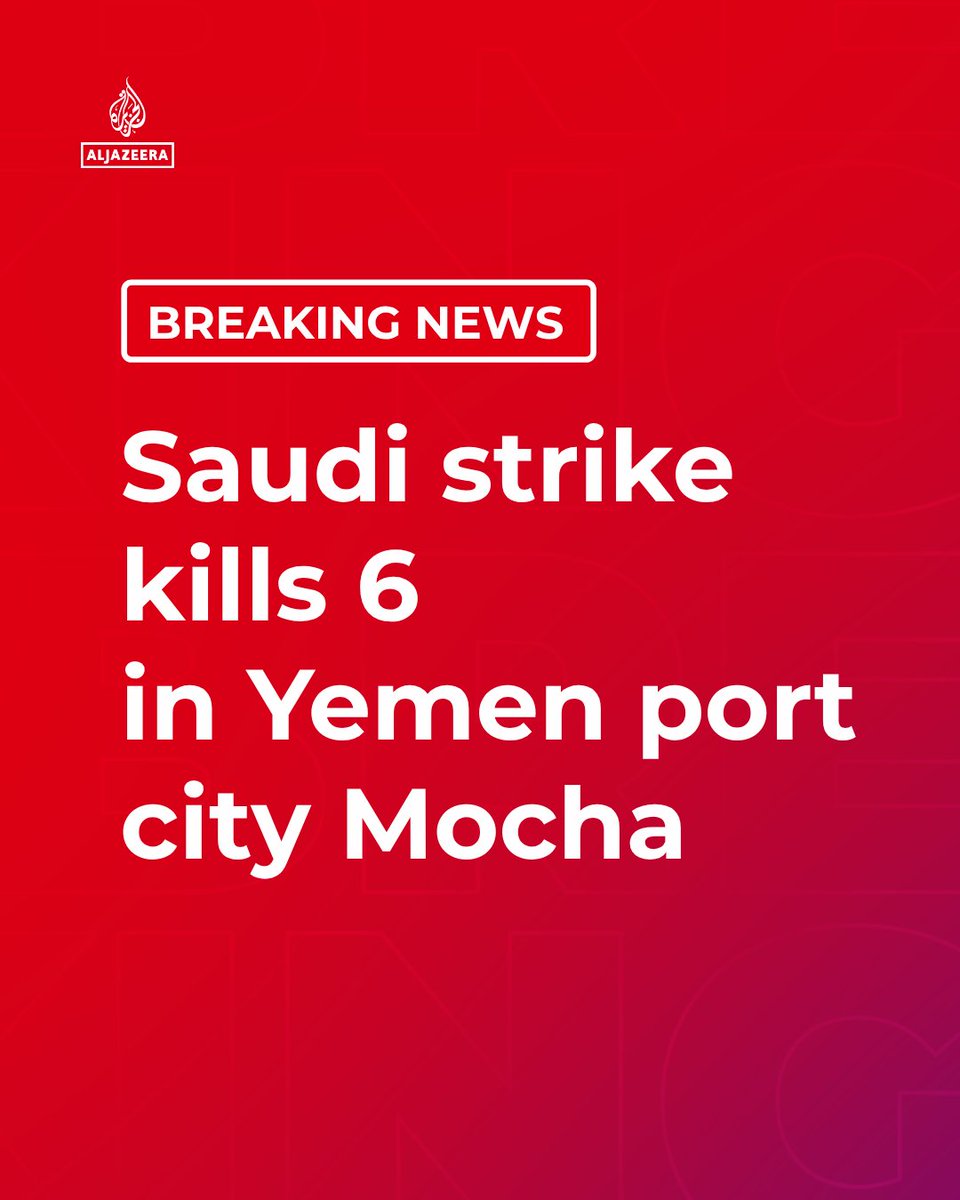
Simultaneously, the coalition conducted air operations in the Red Sea port city of Mocha. At 00:43, Saudi aircraft bombed targets within the city, resulting in at least six civilian deaths, including two children and a woman, and eight additional injuries, as documented by the same Telegram source. Photographic evidence accompanying the report shows damaged residential structures and smoke rising from the impact zone.
"Saudi Airstrikes on Yemen's Mocha Kill at Least 6 Civilians," monitor_the_situation, 22 Sep 2026.
Mocha’s strategic location as a maritime gateway makes it a recurrent target, but the latest strike underscores the growing civilian toll as the conflict expands into densely populated urban areas.
International Context and U.S. Involvement
Parallel to the battlefield developments, diplomatic signals from the United States have shifted. Multiple media outlets, including Al Jazeera, reported that former President Donald Trump called off planned strikes against Houthi targets on the Sunday preceding the 22 September events. While the decision was not officially confirmed by the U.S. Department of Defense, the cessation of planned air operations may have emboldened the Houthis to accelerate their highland campaign.
"Fighting intensifies as US media say Trump called off strikes against Houthis at the last minute on Sunday," Al Jazeera, 22 Sep 2026.
The United States continues to provide logistical support to the Saudi‑led coalition, but the reported pause in direct strikes introduces uncertainty about future coalition tactics and the broader geopolitical calculus in the region.
Humanitarian Impact and Displacement
UN agencies have warned that the combined effect of ground offensives and aerial bombardments is precipitating a humanitarian crisis. The highland offensive alone has forced an estimated 15,000 civilians to flee their homes, seeking shelter in overcrowded camps that lack adequate water, sanitation, and medical services. The airstrikes in Taiz and Mocha have compounded these pressures, with medical facilities reporting shortages of essential supplies to treat blast injuries and trauma.
Humanitarian corridors, previously negotiated between the coalition and Houthi representatives, have been sporadically disrupted by ongoing hostilities, limiting the delivery of aid. The United Nations Office for the Coordination of Humanitarian Affairs (OCHA) has called for an immediate ceasefire to allow safe passage for relief convoys.
Outlook
As of the close of 22 September, the highland front remains fluid. Houthi forces appear to be consolidating gains, while the coalition’s air campaign continues to target both military and, inadvertently, civilian sites. The lack of a clear diplomatic de‑escalation pathway, combined with the reported U.S. policy shift, suggests that the conflict may sustain its current intensity for the foreseeable future, unless a concerted international effort intervenes.