In the past week, Russian forces launched more than 2,000 drones, 1,700 air‑dropped bombs and 19 missiles against Ukraine, according to the monitoring channel monitor_the_situation. The volume of aerial munitions marks the most intensive drone campaign since the conflict began in 2022 and reflects a concerted effort to disrupt Ukrainian logistics, commercial centers, and civilian infrastructure. No casualty figures were released for the aggregate attacks, but the sheer scale of the operation has strained Ukraine’s air‑defence systems and emergency response capacities.
Zaporizhzhia Shopping Centers Incinerated by Geran Drones and Glide‑Bombs
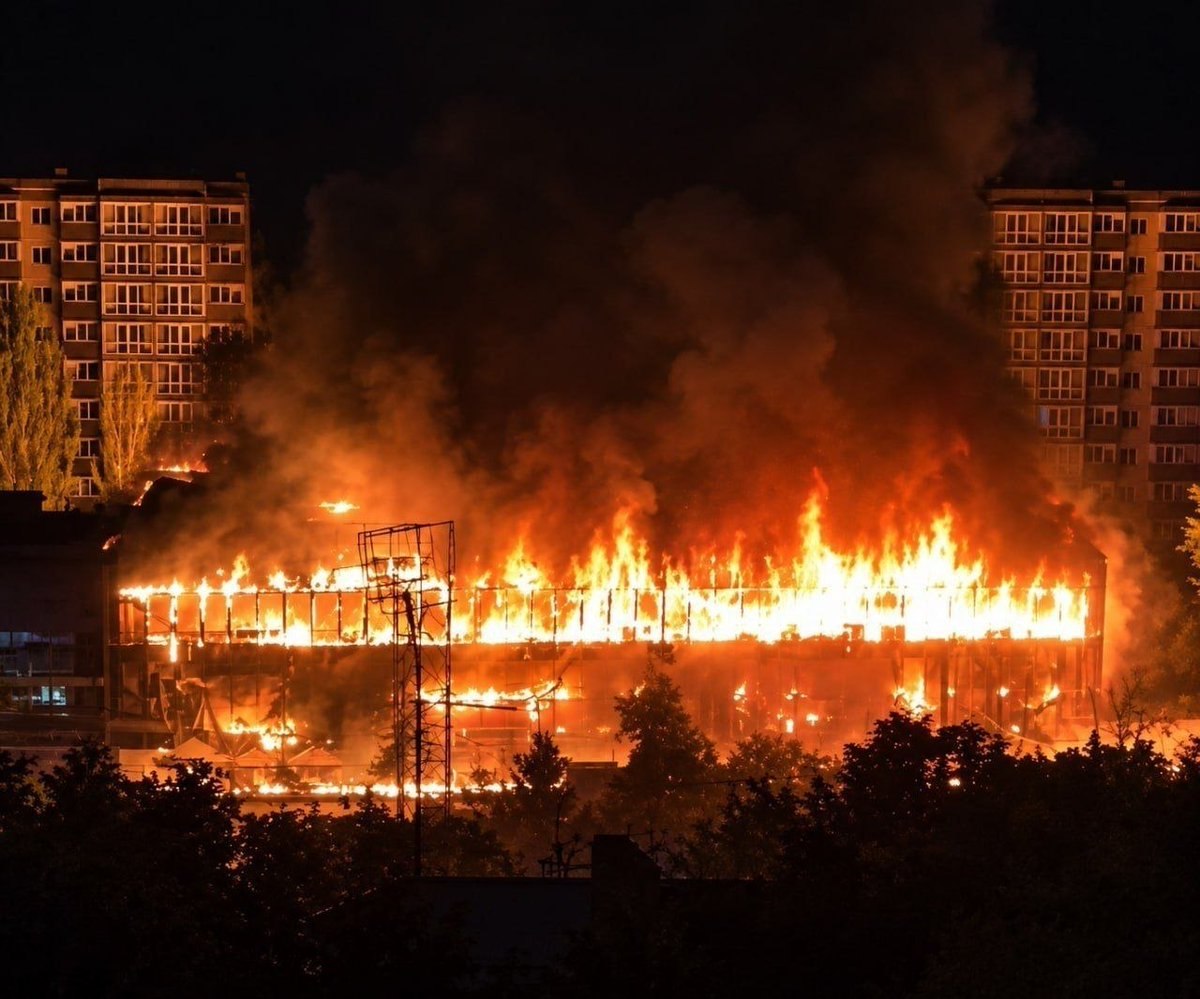
At 05:41:31 UTC, Russian forces employed Geran‑type drones and KAB glide‑bombs to strike two major shopping centers in Zaporizhzhia, Zaporizhzhia Oblast. The attacks ignited large fires that engulfed the retail complexes, prompting evacuations and a coordinated response from local fire services. The monitor_the_situation feed reported the use of both Geran drones and KAB glide‑bombs, indicating a combined kinetic and explosive approach to maximize damage. No fatalities were confirmed in the immediate aftermath, but the destruction of commercial property represents a significant blow to the regional economy.
"Russian forces used Geran drones and KAB glide‑bombs to strike two shopping centers in Zaporizhzhia, causing large fires," monitor_the_situation, 2026‑09‑21.
Odesa Oblast Logistics Hub Under Assault
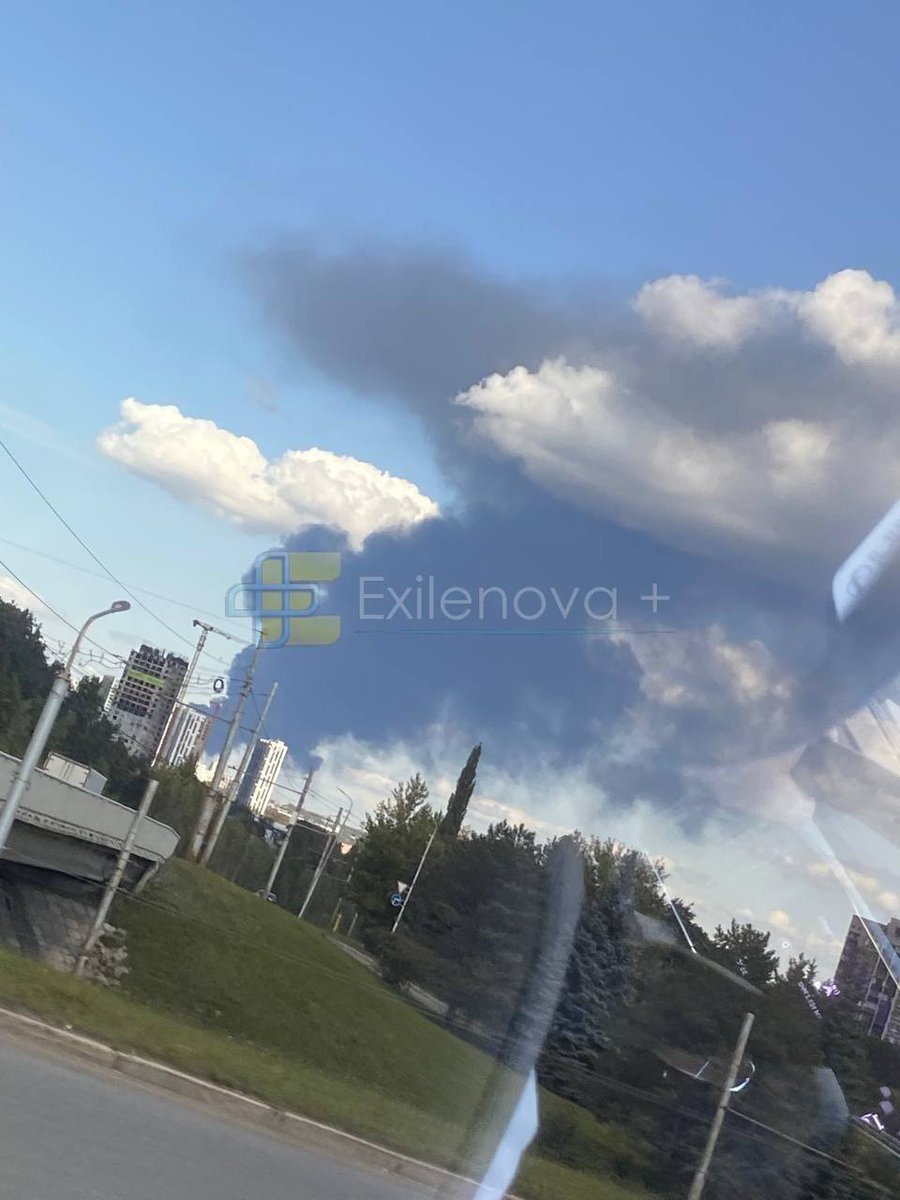
Just minutes earlier, at 05:34:14 UTC, a coordinated drone wave targeted the logistics corridor in Odesa Oblast. Geran‑4 jet‑drones hit a warehouse in the village of Usatove, while approximately 20 Geran‑2 drones focused on Izmail Port, a critical node for maritime and overland supply routes. The Russian Ministry of Defence claimed that port infrastructure and a dry cargo ship were damaged, though independent verification remains pending. Video evidence posted on monitor_the_situation shows the Usatove warehouse ablaze, confirming the effectiveness of the jet‑drone strikes against high‑value logistical assets.
"Geran‑4 jet‑drones hit a logistics warehouse in Usatove; ~20 Geran‑2 drones targeted Izmail Port," monitor_the_situation, 2026‑09‑21.
Kyiv Oblast Warehouse Fires Triggered by Geran‑4 Drones
At 05:27:44 UTC, the Kyiv region experienced simultaneous drone attacks on two separate facilities. A Geran‑4 drone struck a warehouse in Boyarka, igniting a large fire, while another Geran‑4 drone hit a logistics warehouse in Shchaslyve. Russian MoD statements suggested the targets included a gas distribution station and storage of military equipment, though the publicly available footage only confirms the fires and structural damage. The attacks underscore a pattern of targeting supply chain nodes that support both civilian and military operations.
"Russia Strikes Kyiv Oblast With Geran‑4 Drones," monitor_the_situation, 2026‑09‑21.
Frontline Drone Activity in Lyman, Donetsk Oblast
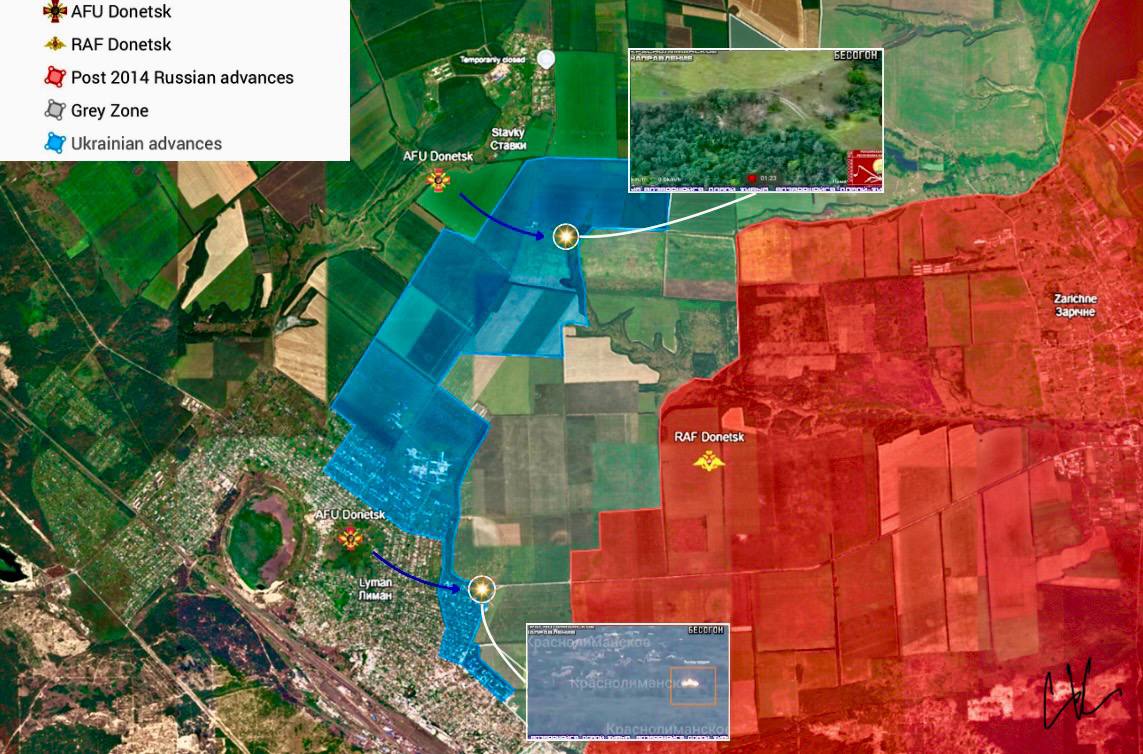
In the eastern theater, Ukrainian forces reported clearing a Russian bridgehead in Lyman, Donetsk Oblast, after intense combat. Despite the tactical gain, Russian drones and artillery continued to engage Ukrainian positions in the city’s eastern residential districts and near the village of Stavky. GeoPWatch documented the drone strikes, noting that the aerial attacks were part of a broader effort to impede Ukrainian consolidation of reclaimed territory.
"Media has recently surfaced of Ukrainian positions under fire from Russian drones in the eastern residential areas of Lyman," GeoPWatch, 2026‑09‑21.
Implications for Ukrainian Air‑Defence and Civil Resilience
The concentration of Geran‑type drones—both jet‑powered and loitering variants—across multiple oblasts demonstrates a shift toward high‑tempo, low‑altitude aerial warfare. Combined with glide‑bombs and conventional air‑dropped munitions, the Russian campaign seeks to overwhelm Ukraine’s layered air‑defence architecture, which has historically relied on a mix of Soviet‑era systems and Western-supplied interceptors. The attacks on civilian infrastructure, such as shopping centers and logistics warehouses, also aim to erode public morale and disrupt supply chains essential for both the civilian economy and military sustainment.
While Ukrainian authorities have not reported mass casualties from the specific incidents listed, the cumulative effect of repeated drone incursions places sustained pressure on emergency services, repair crews, and the broader population. The ongoing escalation suggests that future Russian operations may continue to blend kinetic strikes with information‑war tactics, leveraging the visual impact of fires and destruction to amplify strategic messaging.