On 21 September 2026, a series of kinetic engagements across multiple theatres underscored the persistence of high‑intensity conflict despite diplomatic overtures. The day’s most lethal incident occurred in the Gaza Strip, where Israeli forces killed three Palestinians, including a child, in violation of a cease‑fire signed in October 2023.
Gaza Strip: Cease‑fire breach
According to Al Jazeera, Israeli attacks at 12:32 UTC resulted in three fatalities. The report did not specify the weapons used, but the incident was classified as a humanitarian violation. The casualties comprised two adults and one child. The cease‑fire, brokered by Egypt and the United Nations, remains in effect, yet the latest strike demonstrates the fragility of the truce.
“Israeli attacks on Gaza kill three, including a child” – Al Jazeera, 12:32 UTC, 21 Sept 2026.
Ukraine’s deep‑strike campaign against Russian energy infrastructure
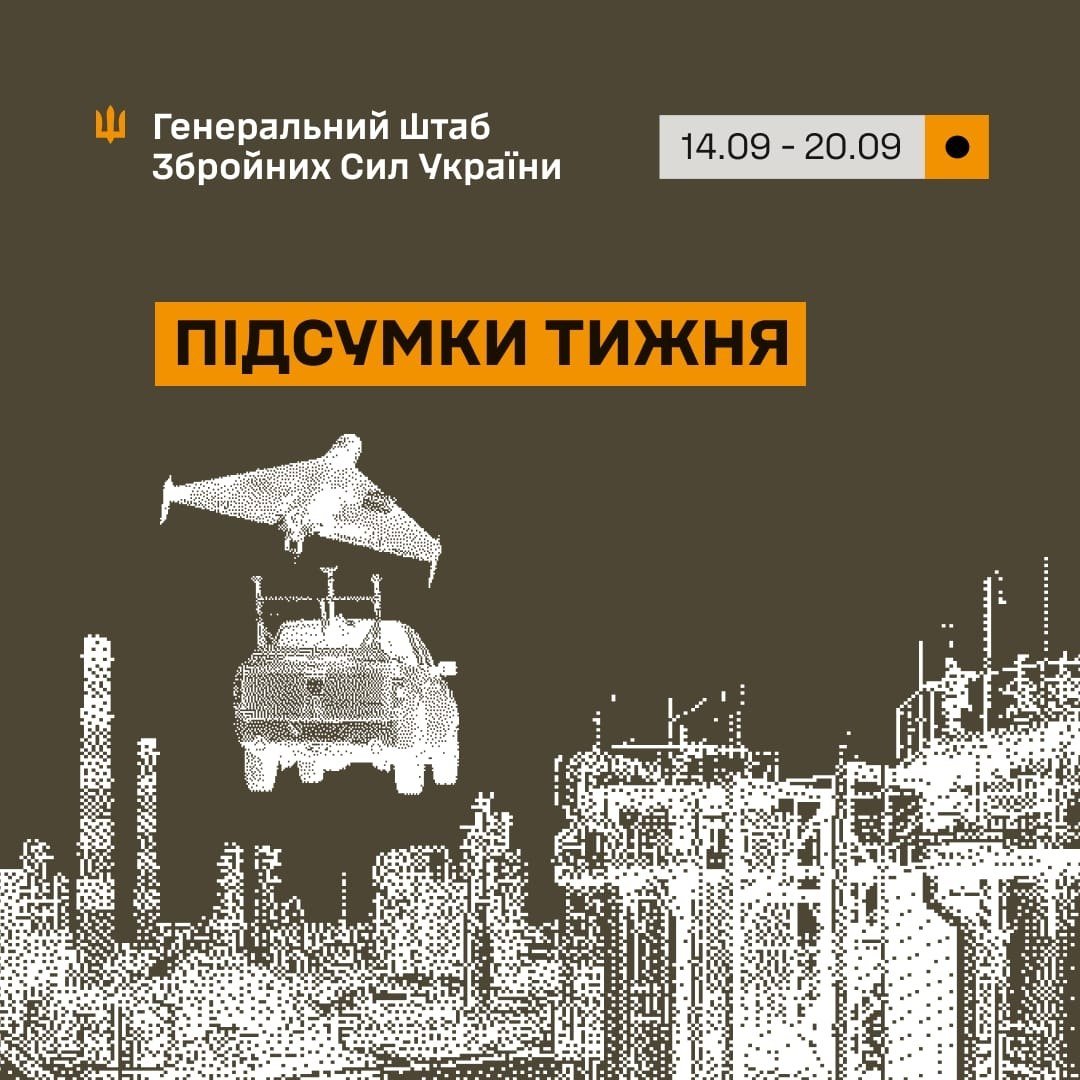
At 15:13 UTC, Ukraine’s General Staff announced a coordinated series of long‑range strikes on Russian oil refineries, S‑400 and Buk‑M3 air‑defence systems, and associated UAV infrastructure. The operation, reported by monitor_the_situation, claims to have taken more than 45 % of Russia’s oil‑refining capacity offline. No independent verification is available, but satellite imagery released by NOELreports corroborates damage at several sites in the Volga‑Ural region.
Rocket alert in Israel
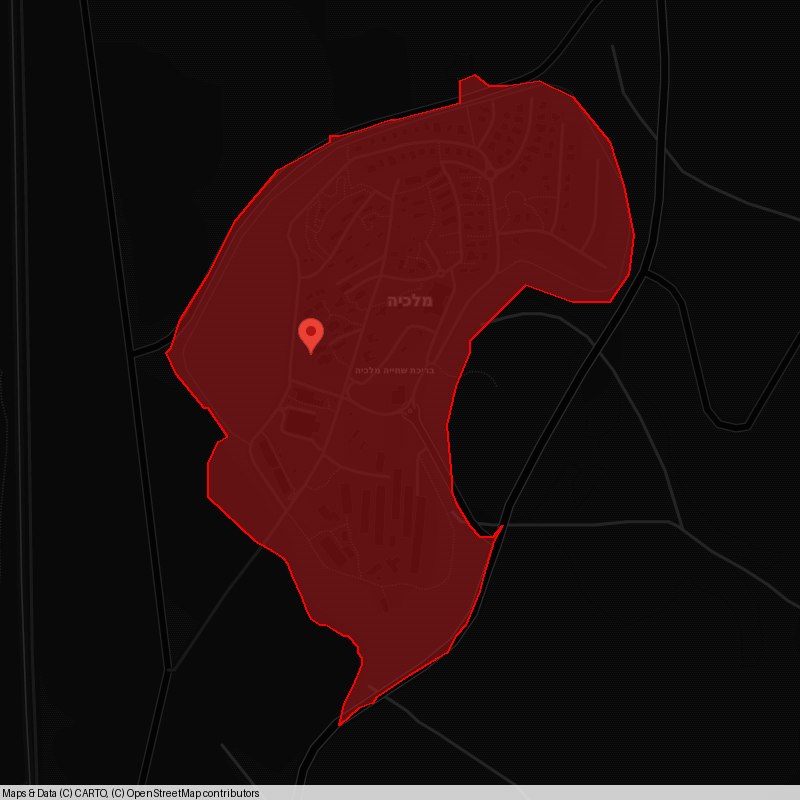
At 12:27 UTC, RocketAlert issued a missile warning for the “Malkia” confrontation line. The alert, posted on RocketAlert.live, did not provide casualty figures or weapon type, but it reflects ongoing volatility along Israel’s northern frontier.
Presidential confirmation of strikes on Moscow oil facilities
Ukrainian President Volodymyr Zelensky, speaking at 06:57 UTC, confirmed that Ukrainian forces had successfully struck a major oil facility and a logistics hub in the Moscow region. The statement, relayed by monitor_the_situation, emphasized the strategic impact of the operation and the use of multiple weapon systems, though specific platforms were not disclosed.
Escalation of Russian jet‑powered drone attacks
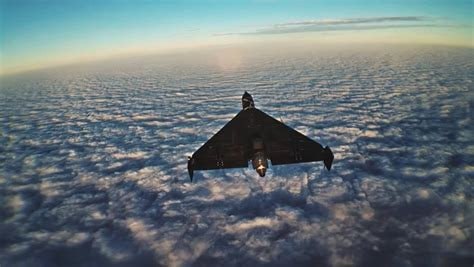
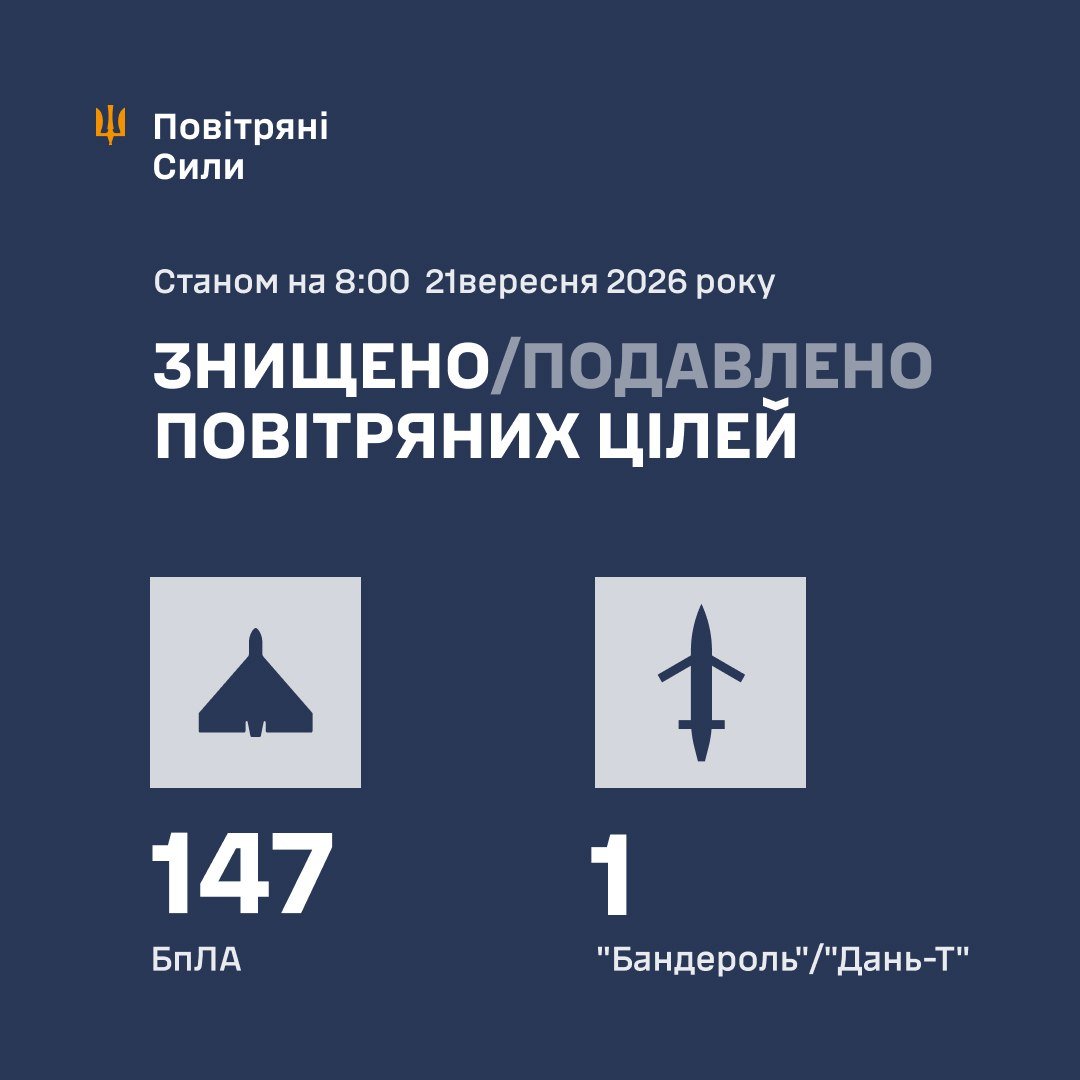
OSINTdefender reported on 17:41 UTC that Russia launched approximately 2,800 jet‑powered drones in August, a marked increase compared with previous months, while reducing the use of ballistic missiles. The shift suggests a tactical preference for low‑cost, high‑volume aerial munitions in the Ukraine theatre.
Saudi Arabia’s first combat deployment of the SKYWASP drone
Also at 17:41 UTC, OSINTdefender documented the inaugural combat use of Saudi Arabia’s SKYWASP drone, a domestic copy of Iran’s Shaheed series, in strikes around Sana’a, Yemen. The operation underscores the expanding role of indigenous UAVs in the Yemeni civil war.
Russian UAV brigade destroys Ukrainian logistics vehicle
According to intelslava at 16:34 UTC, the 50th Separate Unmanned Systems Brigade “Varyag” identified and destroyed a Ukrainian cargo truck used for fortification construction. The engagement employed a conventional drone, highlighting the continued utility of UAVs for tactical interdiction.
Yemeni missile strike on Riyadh’s King Khalid International Airport
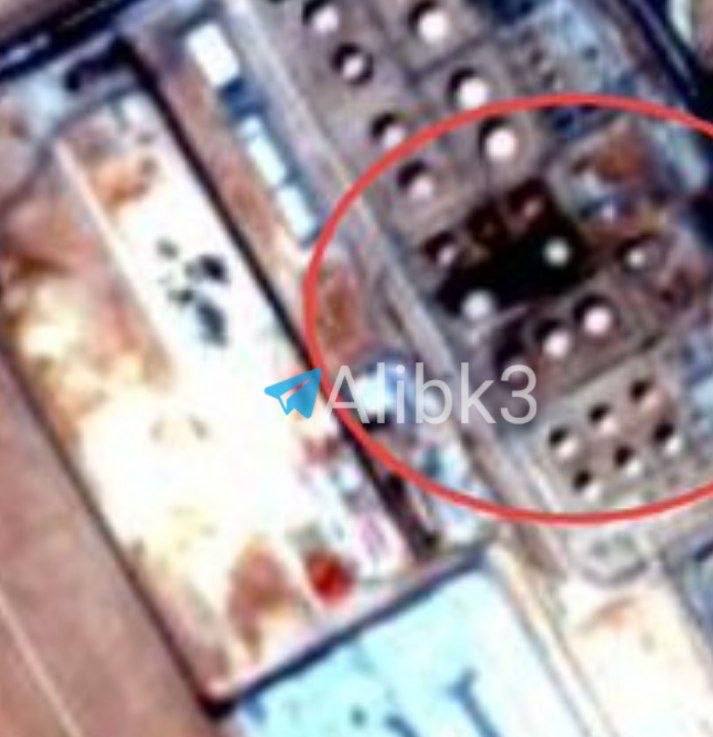
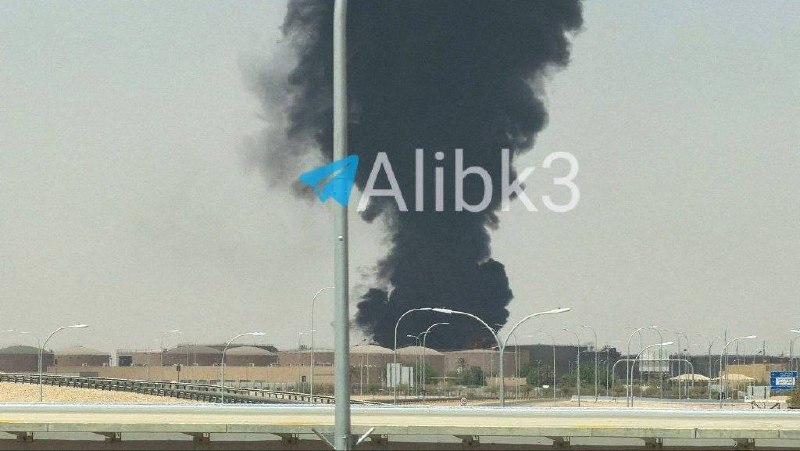
Satellite imagery released by intelslava at 16:02 UTC shows that Houthi‑launched missiles destroyed fuel tanks at King Khalid International Airport in Riyadh, Saudi Arabia. The attack demonstrates the reach of Yemeni forces into Saudi territory and the vulnerability of critical aviation infrastructure.
Ukrainian drone attack on Gazprom Neft’s Moscow refinery
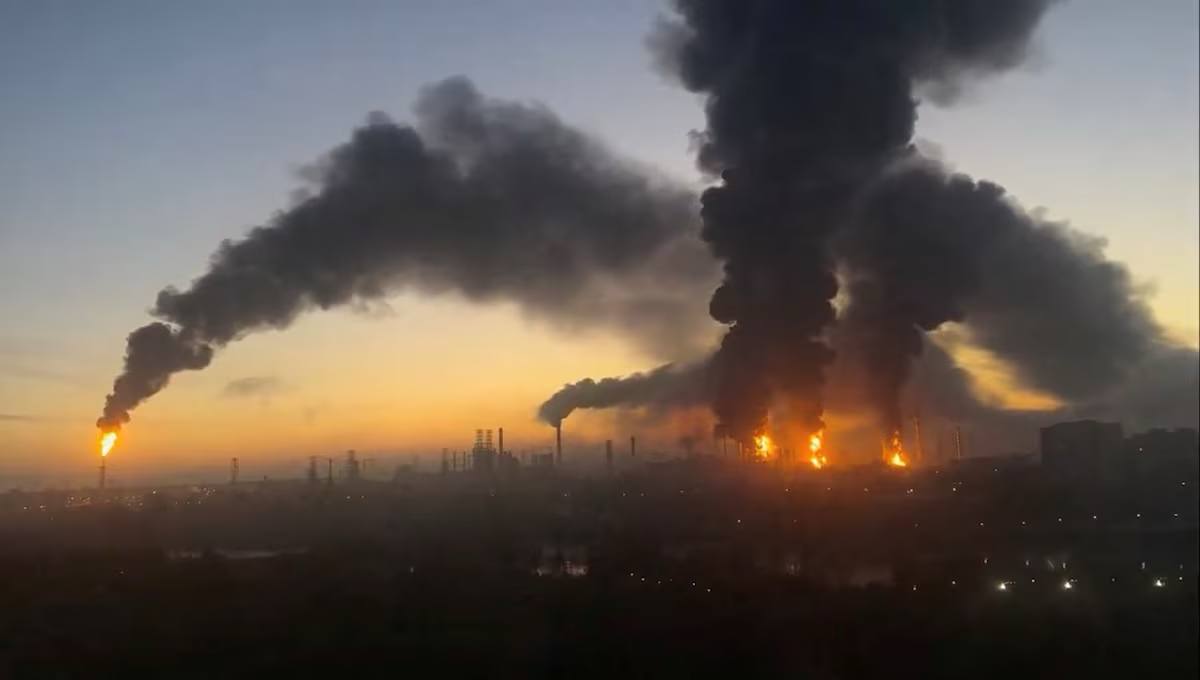
At 15:55 UTC, a Ukrainian drone set fire to the main distillation units of Gazprom Neft’s major Moscow refinery, halting crude processing. The incident, reported by intelslava, illustrates the capacity of Ukrainian UAVs to disrupt Russian energy production deep within the Russian heartland.
Russia’s Africa Corps reinforces presence in Libya
BellumActaNews reported at 15:36 UTC that Russia deployed armored vehicles to the Port of Tobruk, Libya, following the arrival of cargo ships. The move expands Russia’s strategic footprint in North Africa and may affect the balance of power in the ongoing Libyan conflict.
Series of explosions at Syrian military sites
Al Jazeera, at 15:16 UTC, documented a series of unexplained blasts at Syrian army installations, raising concerns about ammunition storage safety or sabotage. No casualties were reported, but the incidents highlight logistical vulnerabilities as the Syrian military rebuilds after years of war.
Maritime security alert in the Bab el‑Mandeb Strait
The United Kingdom Maritime Trade Operations (UKMTO) issued Warning 141‑26 at 14:37 UTC, indicating an attack near the Bab el‑Mandeb Strait, Yemen. The alert, posted by monitor_the_situation, prompted vessels to adopt heightened defensive measures.
Drone strike in Khan Younis, Gaza
At 13:11 UTC, a drone strike in Khan Younis killed one Palestinian civilian, raising the day’s death toll in Gaza to four. The incident was reported by monitor_the_situation and underscores the continued use of aerial weapons in the enclave.
Additional kinetic incidents
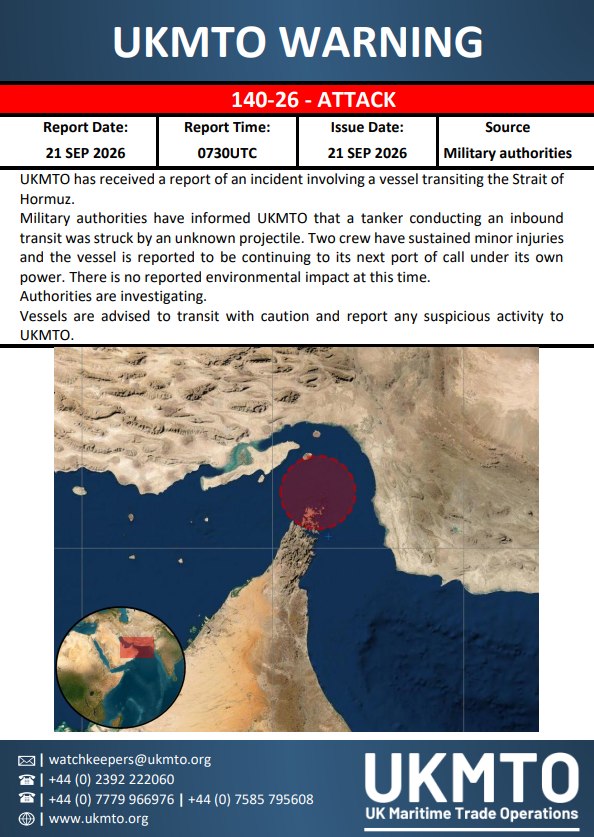
Other notable events on 21 September include: a Russian air‑defence network intercepting 328 Ukrainian drones across multiple oblasts (intelslava); a Pakistani aircraft bombing a house in Kunar Province, Afghanistan, killing three civilians (Al Jazeera); a suspected land‑mine explosion in the Korean Demilitarized Zone wounding three South Korean soldiers (monitor_the_situation); and a tanker struck by an unknown projectile in the Strait of Hormuz, injuring two crew members (monitor_the_situation).
Collectively, these incidents illustrate the persistence of kinetic warfare across disparate regions, the increasing reliance on unmanned systems, and the continued risk of civilian casualties even where formal cease‑fires exist.