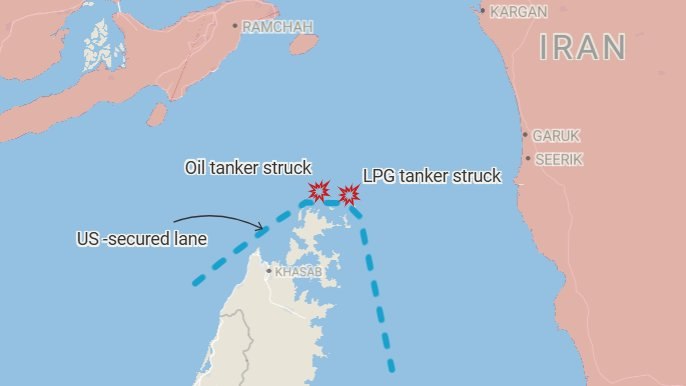
At 16:30 local time on 21 September 2026, Iranian forces engaged two commercial vessels in the Strait of Hormuz, striking an oil tanker and an LPG tanker. The coordinated action, reported by the monitoring channel monitor_the_situation, marks the most significant kinetic event recorded in Iran’s waters today and underscores a rapid escalation in maritime confrontations involving state actors.
Tanker Attacks Intensify
The first incident involved an oil tanker transiting the narrow waterway between Iran and Oman. According to the United Kingdom Maritime Trade Operations (UKMTO), Iranian forces opened fire on the vessel, though the exact weapon system was not disclosed. No casualties were reported, and the tanker sustained damage sufficient to halt its passage. A second, simultaneous strike targeted an LPG tanker, also reported by monitor_the_situation. The channel supplied a photograph of the damaged hull and noted that the attacks occurred within minutes of each other, suggesting a pre‑planned operation.
"Iranian Forces Strike Two Tankers in Strait of Hormuz" – monitor_the_situation, 21 Sep 2026, https://t.me/monitor_the_situation/31886
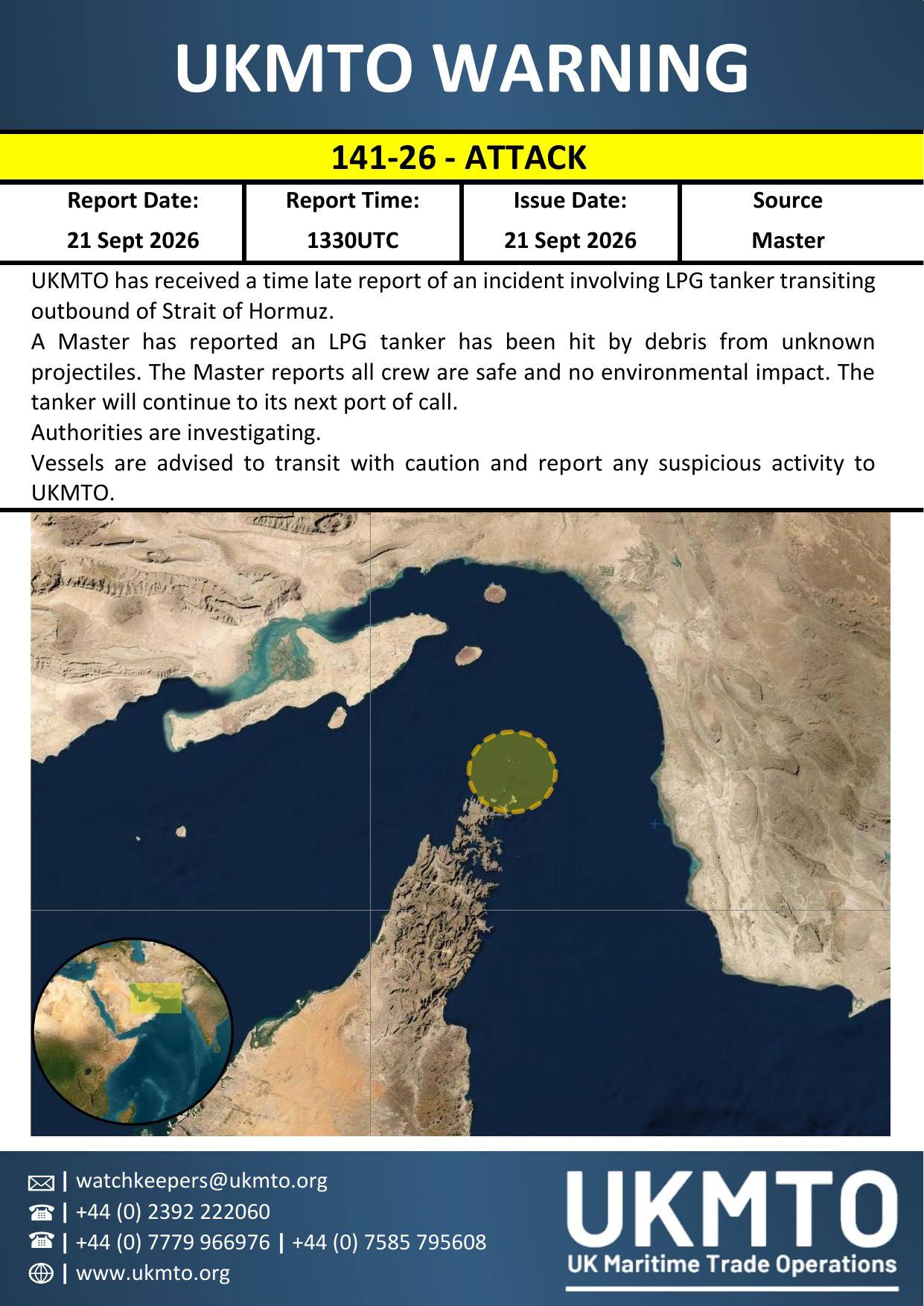
Earlier in the day, at 14:43, UKMTO documented an LPG tanker hit by debris from an unidentified projectile. The source described the impact as “debris from unknown projectiles,” implying a possible missile or artillery fragment that failed to detonate. The vessel continued under its own power, and no injuries were reported. At 14:31, an LNG tanker attempting to exit the strait was also reported as attacked, though details on the weapon used remain absent. Both incidents were corroborated by UKMTO and relayed by the same monitoring channel.
"LPG Tanker Hit by Debris in Strait of Hormuz" – monitor_the_situation, 21 Sep 2026, https://t.me/monitor_the_situation/31864
Collectively, these three maritime engagements demonstrate a pattern of aggressive posturing aimed at commercial shipping routes that are vital to global energy markets. While casualty figures remain low, the physical damage to vessels and the disruption of traffic pose significant economic risks.
Drone Interception Over the Strait
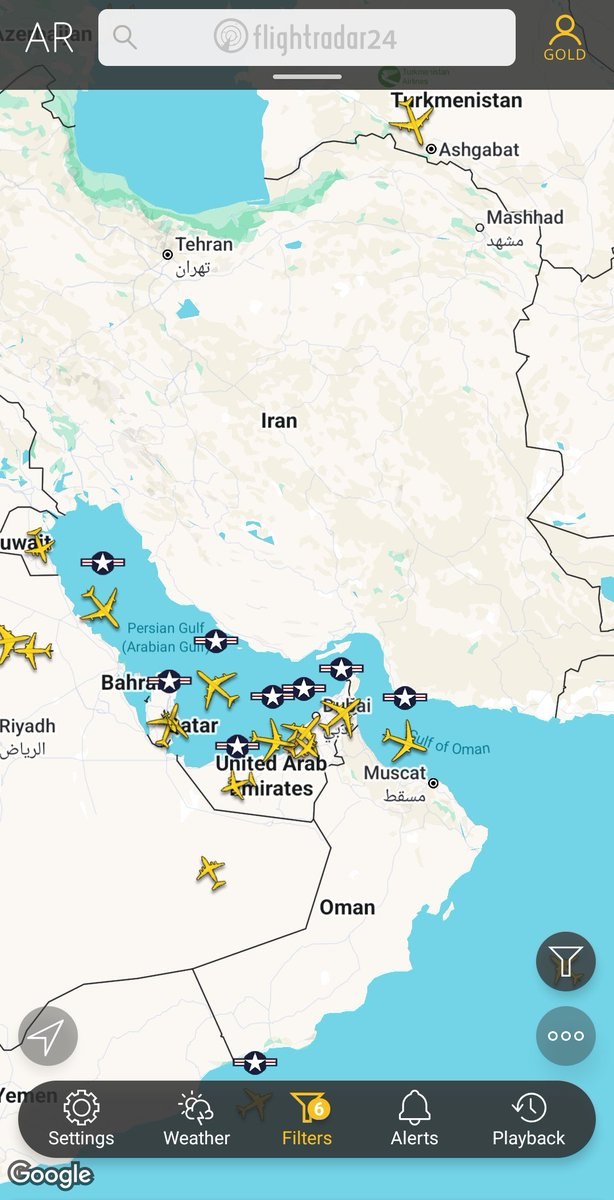
At 12:54, Iran’s Islamic Revolutionary Guard Corps (IRGC) released video footage showing the downing of a U.S. Army MQ‑1C Gray Eagle unmanned combat aerial vehicle (UCAV). The interception, posted by the intelligence outlet intelslava, depicts a surface‑to‑air missile striking the drone as it flew over the Strait of Hormuz. No U.S. personnel were injured, and the incident marks the first confirmed shoot‑down of a U.S. UCAV in the region since 2024.
"IRGC shoots down U.S. MQ‑1C Gray Eagle" – intelslava, 21 Sep 2026, https://t.me/intelslava/95045
The engagement underscores the IRGC’s expanding air‑defense capabilities and its willingness to confront U.S. assets operating in contested airspace. The U.S. Army has not yet issued an official statement, but the event is likely to influence future reconnaissance missions over the waterway.
Unexplained Smoke Pillar in Shiraz
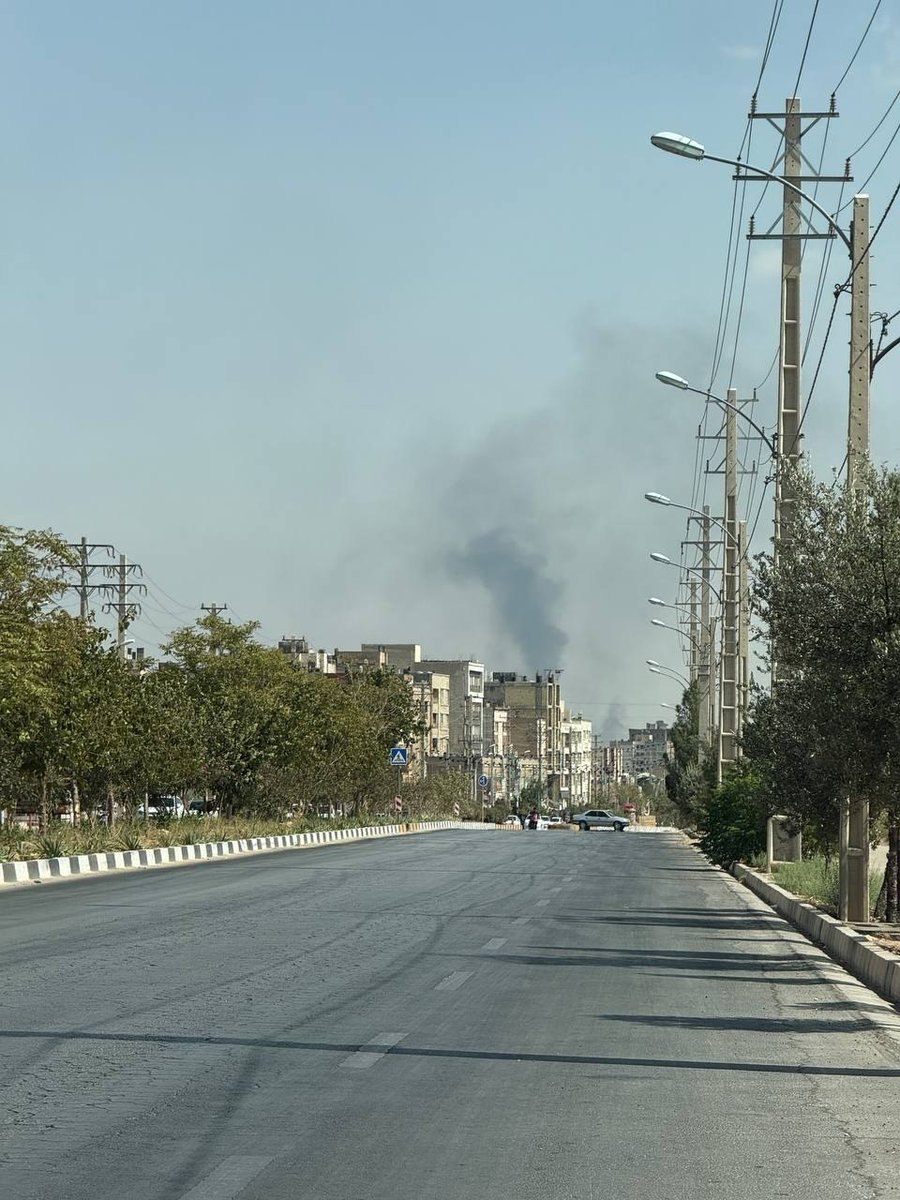
At 11:12, observers in Shiraz, Fars Province, reported a towering smoke pillar rising from an unknown source. The phenomenon was captured in a photograph shared by monitor_the_situation. No audible blast was heard, and local authorities have not confirmed the cause. While the incident occurred far from the maritime theater, its timing amid heightened military activity raises questions about possible testing of new ordnance or a localized accident.
"Smoke pillar observed over Shiraz" – monitor_the_situation, 21 Sep 2026, https://t.me/monitor_the_situation/31822
Massive Ground Force Deployment
In a separate development, Iran’s Artesh (regular army) announced the deployment of a substantial portion of its 420,000‑strong force to border and coastal provinces bordering the Persian Gulf, Strait of Hormuz, and Gulf of Oman. The statement, released at 08:41, emphasized readiness to counter any perceived U.S. ground incursion. While no combat units were moved into active engagement zones, the redeployment signals a strategic shift toward a more robust defensive posture along Iran’s maritime frontier.
"Iran Deploys Army Units Along Borders, Coastal Provinces" – monitor_the_situation, 21 Sep 2026, https://t.me/monitor_the_situation/31800
The convergence of naval attacks, aerial interceptions, and large‑scale troop movements within a single day illustrates a coordinated escalation by Iranian security apparatuses. Analysts note that the timing aligns with ongoing diplomatic friction between Tehran and Washington, and the actions may be intended to deter perceived U.S. naval freedom of navigation operations.
While casualty numbers remain low, the kinetic incidents have disrupted commercial shipping, heightened insurance premiums, and prompted immediate advisories from maritime risk assessment firms. The United Kingdom’s Maritime Trade Operations continues to monitor the situation closely, urging vessels to exercise heightened vigilance and consider alternative routing where feasible.