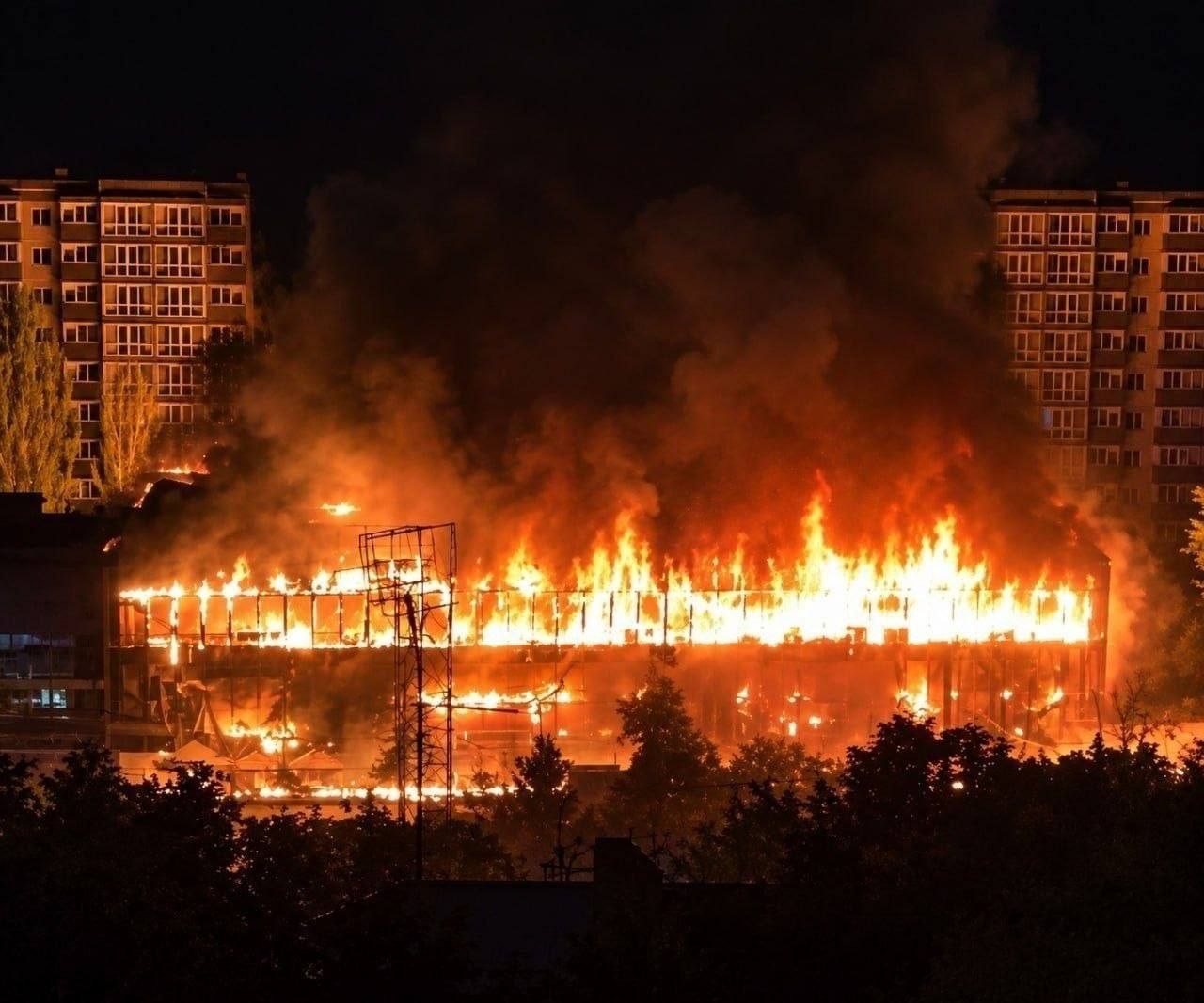
On 21 September 2026, the International Atomic Energy Agency (IAEA) confirmed a series of hostile UAV attacks near the Zaporizhzhia Nuclear Power Plant in Enerhodar, Zaporizhzhia Oblast. The strikes targeted an off‑site training centre, diesel fuel transport convoys, and adjacent infrastructure, resulting in casualties and raising immediate concerns about nuclear safety. The IAEA’s alert, posted on the monitor_the_situation channel, marks the most severe kinetic event recorded in Ukraine on this date.
IAEA reports multiple drone strikes near the Zaporizhzhia Nuclear Power Plant in Enerhodar, causing casualties and threatening nuclear safety. (https://t.me/monitor_the_situation/31889)
Key details: the attacks were carried out by unmanned aerial systems, though the specific operator was not identified. No damage to the reactor cores was reported, but the disruption of fuel logistics and the targeting of training facilities underscore a strategic intent to compromise the plant’s operational resilience.
Airborne Bombardments in Donetsk Oblast
Earlier in the afternoon, Russian Aerospace Forces (VKS RF) executed precision strikes using FAB‑1500 guided bombs equipped with UMPK guidance kits against Ukrainian UAV control posts. One target was the 158th Mechanized Brigade’s control post near Khoten, and the other was the 156th Mechanized Brigade’s post in Druzhkivka. The intelslava channel provided video evidence of the attacks.
Russian Aerospace Forces bombed Ukrainian UAV control posts near Khoten and in Druzhkivka with FAB‑1500 guided bombs. (https://t.me/intelslava/95059)
Both strikes were aimed at degrading Ukraine’s aerial reconnaissance and drone‑control capabilities, a critical component of its defensive posture in the Donetsk sector.
Ground Operations and Infiltrations
In the same region, Ukraine’s 60th Mechanized Brigade, 3rd Battalion, conducted offensive actions against Russian personnel concentrations as part of Operation Vivaldi. The monitor_the_situation channel reported that the Ukrainian forces maintained control over liberated territories while applying pressure on Russian positions.
Ukraine's 60th Brigade strikes Russian forces in Operation Vivaldi. (https://t.me/monitor_the_situation/31868)
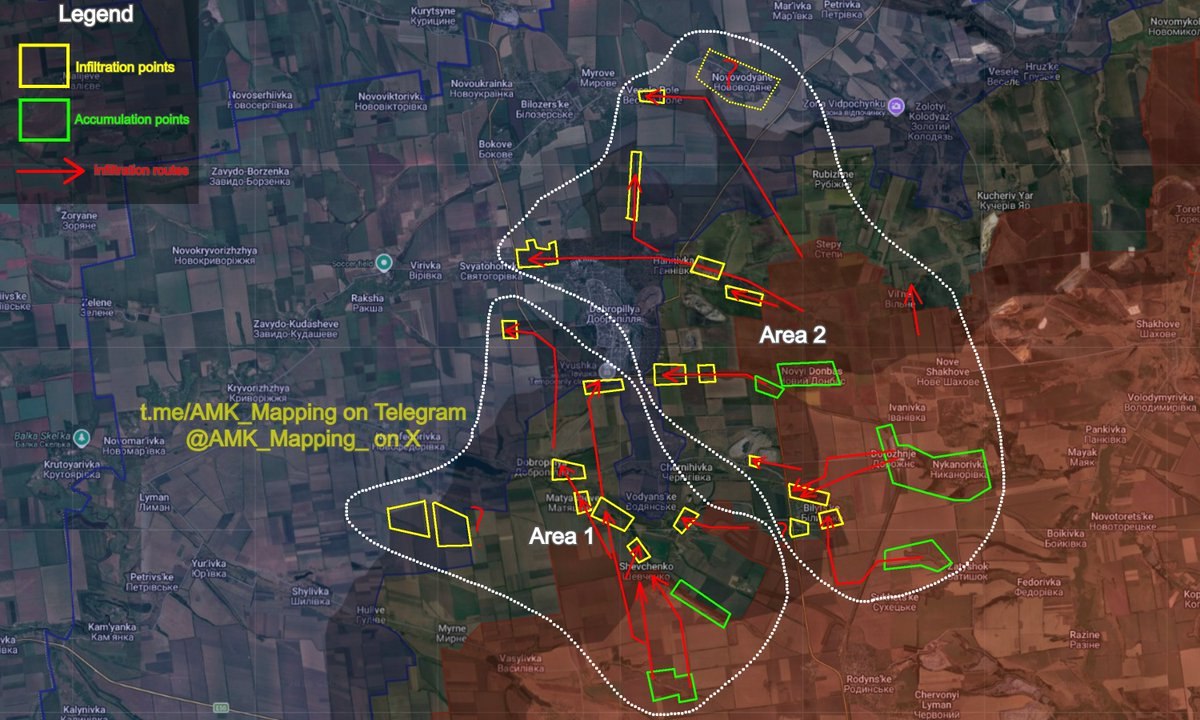
Conversely, Russian troops infiltrated the settlement of Shevchenko in Donetsk Oblast, advancing from east of Novooleksandrivka toward the Pokrovsk axis. Photographic material posted by monitor_the_situation confirmed the limited but notable Russian presence.
Russian forces entered Shevchenko, advancing toward the Pokrovsk axis. (https://t.me/monitor_the_situation/31795)
Ukrainian Drone Campaigns Across the Donbas
Ukrainian drone units continued to target Russian logistics and vehicle columns throughout the Donbas region. The Black Swarm unit of the 1st Ivan Bohun Territorial Defense Brigade deployed strike UAVs to destroy Russian military vehicles, as documented in a video released by monitor_the_situation.
Ukraine's Black Swarm unit used UAVs to destroy Russian vehicles in Donbas. (https://t.me/monitor_the_situation/31858)
Simultaneously, the 3rd Separate Special Purpose Regiment’s Hornet unit attacked Russian supply routes, disrupting the flow of materiel. Earlier in the day, the Hornet unit’s operations were highlighted by monitor_the_situation.
Ukrainian Hornet unit strikes Russian logistics routes in Donbas. (https://t.me/monitor_the_situation/31830)
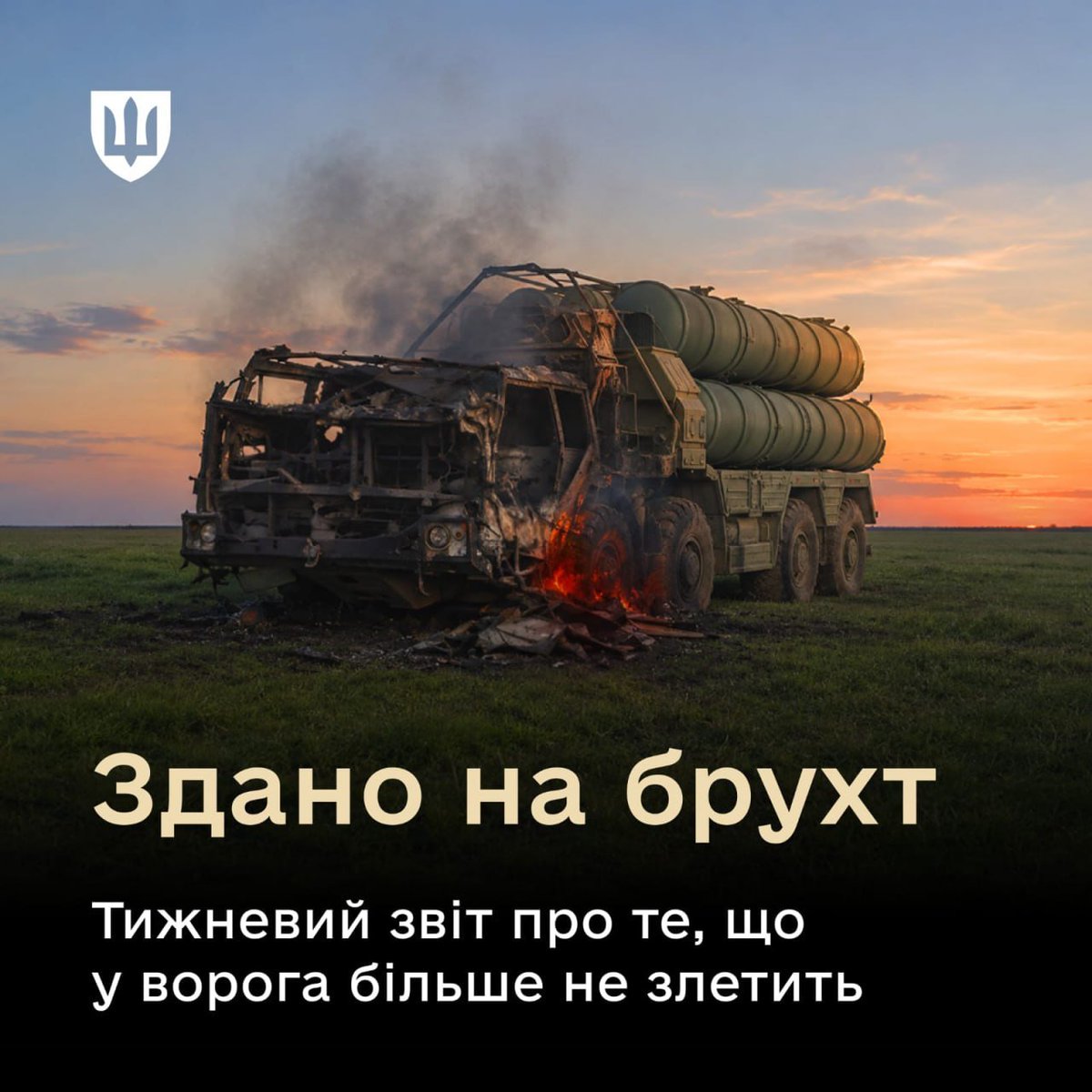
In Siverskodonetsk, Ukrainian forces reported the destruction of ten Russian UAV command posts, an S‑400 air‑defence system, a Buk‑M3 launcher, and a Nebo‑U radar. Seven additional sites associated with drone production or storage were also hit, indicating a focused effort to degrade Russian UAV command and control infrastructure.
Ukrainian forces destroyed 10 Russian UAV command posts and key air‑defence assets in Siverskodonetsk. (https://t.me/monitor_the_situation/31824)
Russian UAV and Loitering Munition Activity
Russian unmanned systems continued to engage Ukrainian ground forces. The 77th Unmanned Systems Regiment eliminated a small Ukrainian infantry group in Zaporizhzhia Oblast, as shown in video material posted by intelslava.
77th Unmanned Systems Regiment killed Ukrainian infantry in Zaporizhzhia. (https://t.me/intelslava/95038)
In the Odesa and Dnipropetrovsk Oblasts, Russian Geran‑4 loitering munitions struck and damaged 35D6M radar installations, compromising Ukrainian early‑warning capabilities.
Geran‑4 loitering munitions damaged radar systems in Odesa and Dnipropetrovsk. (https://t.me/intelslava/95033)
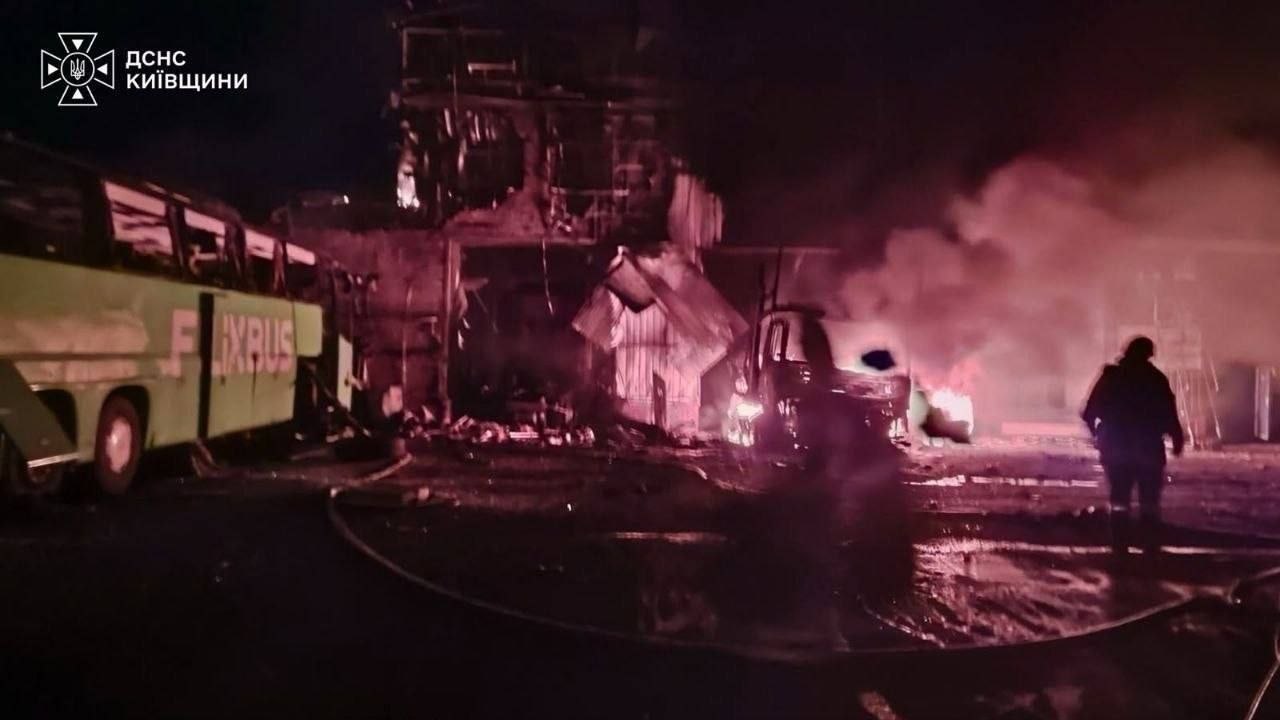
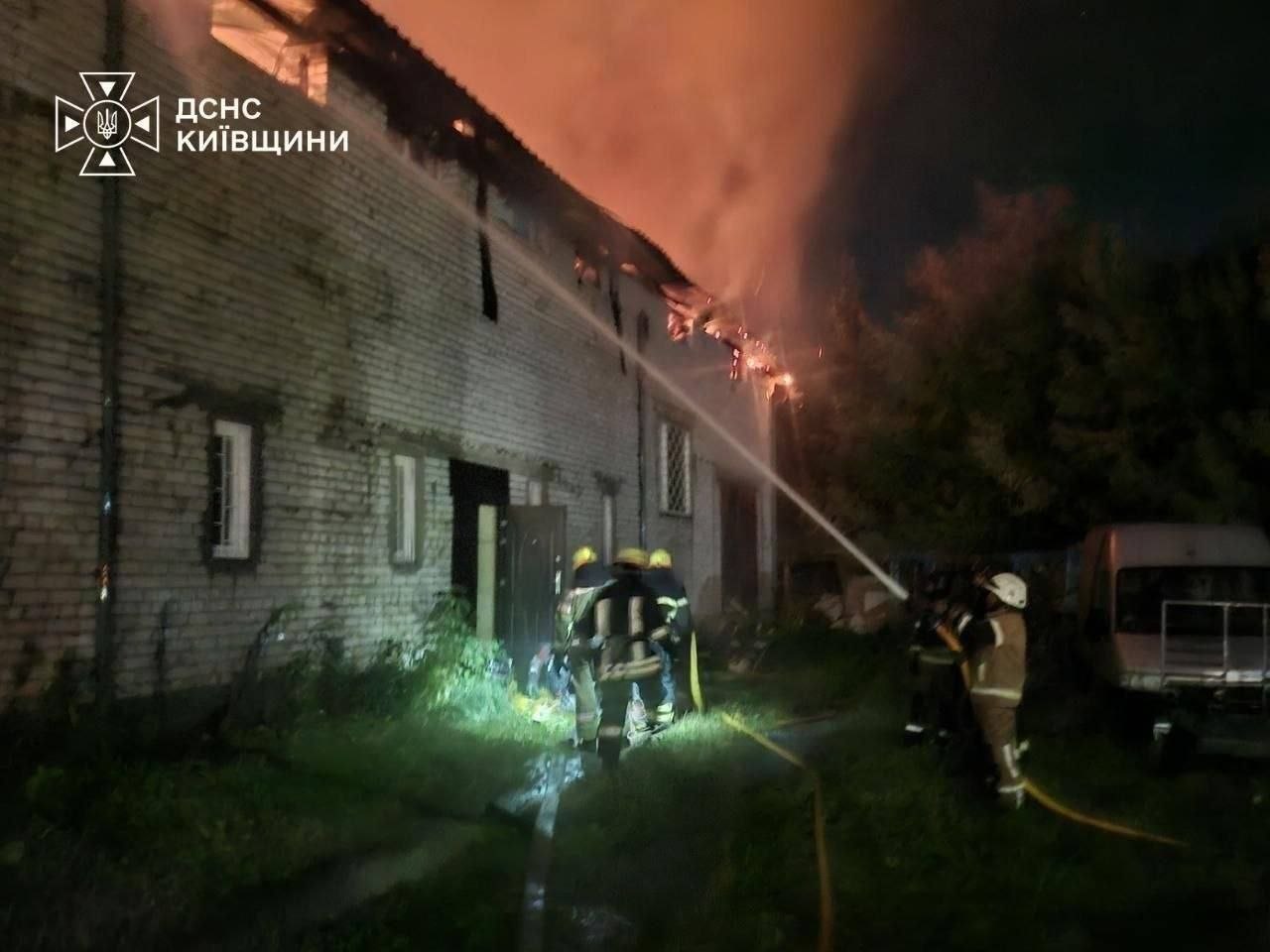
Overnight, Russian forces also targeted logistics centres, warehouses, ports, and Ukrainian vessels in the Kyiv and Odesa regions, reflecting a broader strategy to impair supply chains beyond the front lines.
Russian overnight strikes hit logistics hubs in Kyiv and Odesa. (https://t.me/intelslava/95025)
Strategic Implications
The concentration of kinetic events on 21 September illustrates a multi‑dimensional escalation. The critical UAV attacks near the Zaporizhzhia Nuclear Power Plant represent a direct threat to nuclear safety, prompting heightened international monitoring. Simultaneous air‑strike campaigns using FAB‑1500 guided bombs demonstrate Russia’s emphasis on neutralising Ukrainian drone‑control nodes, while Ukraine’s own UAV operations aim to erode Russian command, control, communications, and logistics (C3) networks.
Ground engagements, including the Ukrainian 60th Mechanized Brigade’s offensive and Russian infiltration of Shevchenko, indicate continued contestation of territorial control in Donetsk. The persistent use of loitering munitions and unmanned systems on both sides underscores the growing reliance on autonomous weapons to achieve tactical advantages while limiting personnel exposure.
Overall, the events of 21 September reflect a pattern of intensified kinetic activity across strategic axes, with potential ramifications for civilian infrastructure, especially nuclear facilities, and for the broader operational tempo of the conflict.