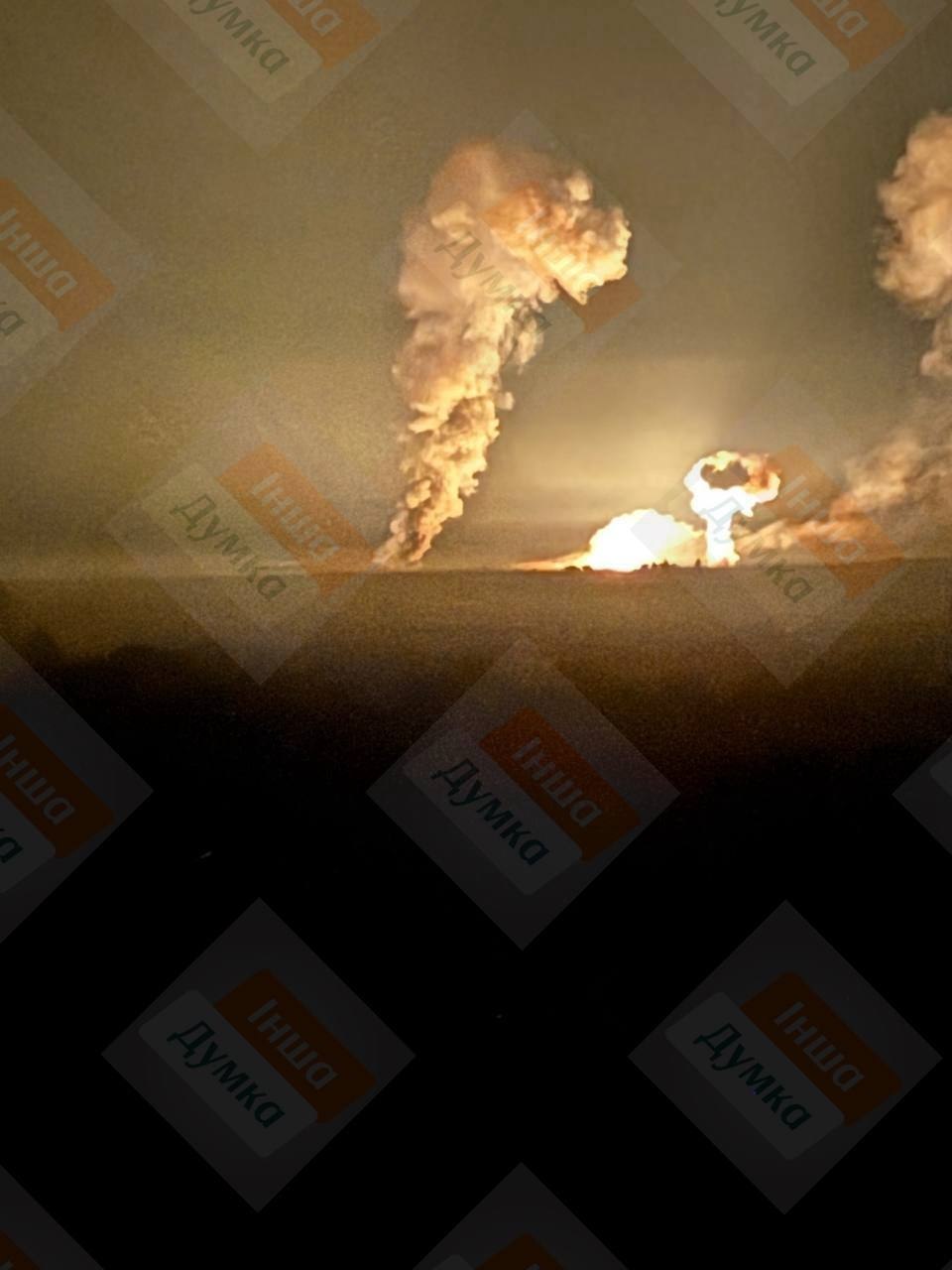
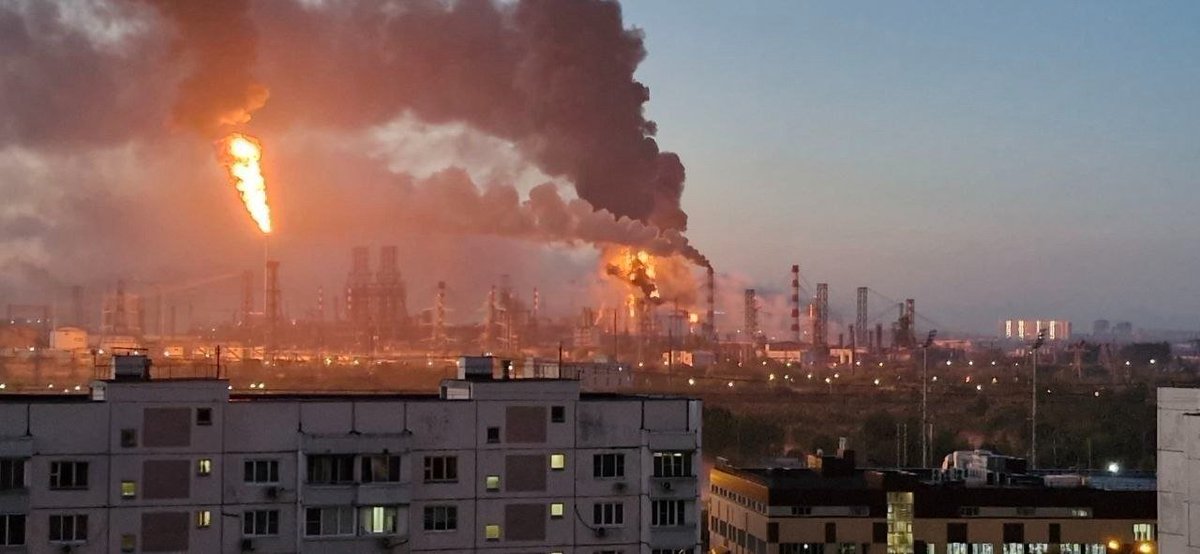
On 20 September 2026, Ukrainian drone operations against Russian targets reached a new level of intensity, focusing on the capital’s critical infrastructure and prompting a massive Russian air‑defence response. The most consequential incident was a reported strike on Moscow’s Kapotnya oil refinery, a strategic asset located in the city’s southern Kapotnya District. According to the Telegram channel monitor_the_situation, the refinery was hit by a Ukrainian unmanned aerial vehicle (UAV) at 02:49:48 UTC, violating a recently announced cease‑fire on attacks against Russian refineries. The strike occurred six days after former U.S. President Donald Trump announced that Ukraine had agreed to halt such attacks, raising concerns about the durability of the agreement.
Ukrainian Drone Strike on Kapotnya Oil Refinery
The Kapotnya refinery, which processes roughly 5 % of Russia’s domestic fuel supply, suffered damage to its processing units and auxiliary infrastructure. No casualties were reported in the immediate aftermath, but the incident caused a temporary shutdown of a portion of the plant’s output. The source channel monitor_the_situation provided a photo of smoke and fire emanating from the refinery’s perimeter, confirming the physical impact of the strike. The attack was attributed to a Ukrainian‑operated UAV, though the specific model was not disclosed in the initial report.
"Ukrainian drones have struck the Kapotnya Oil Refinery, marking a potential escalation despite the recent halt agreement," the channel wrote, linking to the original post at https://t.me/monitor_the_situation/31638.
Mass Interceptions Over Moscow
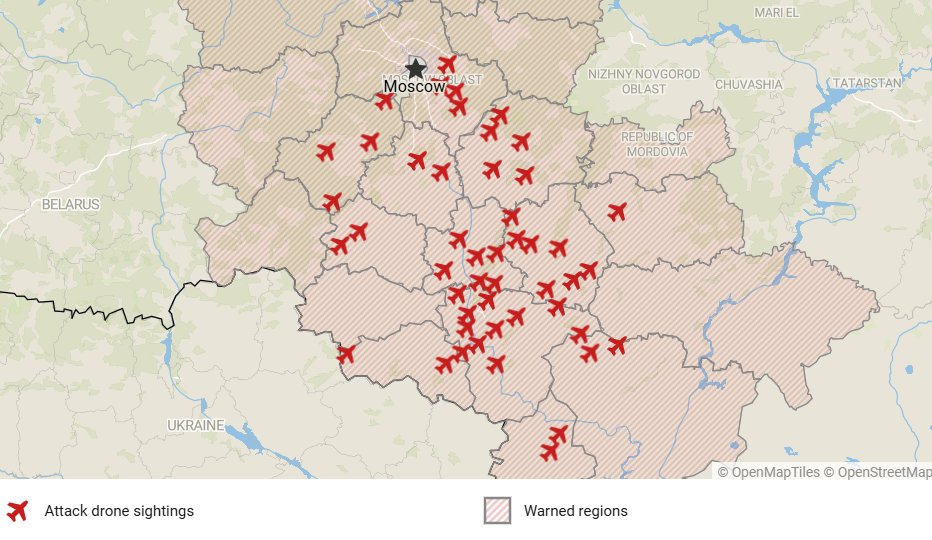
Within the same hour, multiple Ukrainian UAVs were detected approaching Moscow’s airspace. The Telegram channel intelslava documented a series of interceptions, reporting that 27 drones were shot down at 00:50:40 UTC, followed by an additional 20 drones at 00:40:34 UTC, and 14 drones at 00:26:02 UTC. In total, at least 61 Ukrainian UAVs were neutralised by Russian air‑defence systems over the course of the night. The interceptions were confirmed by Moscow Mayor Sergei Sobyanin, who publicly stated the number of downed drones and emphasized the city’s readiness to defend its airspace.
"Fourteen Ukrainian drones attacking Moscow were shot down," Mayor Sobyanin said, as reported by intelslava (https://t.me/intelslava/94980).
The drones intercepted were a mix of short‑range reconnaissance platforms and longer‑range strike UAVs. One notable incident involved an FP‑1 long‑range drone that impacted in the Kapotnya District at 05:10:40 UTC. According to intelslava, the drone was brought down by electronic warfare (EW) measures before it could complete its mission, illustrating the growing role of non‑kinetic counter‑measures in the conflict.
Airspace Restrictions at Major Airports
Concurrent with the UAV activity, Russian aviation authorities imposed temporary flight suspensions at two of the nation’s busiest airports: Domodedovo International Airport and Zhukovsky (also known as Ramenskoye) Airport. The restriction, announced by the Russian Federal Air Transport Agency and relayed by monitor_the_situation, was justified on the grounds of flight safety amid the “unidentified aerial objects” operating near the capital. The suspension lasted overnight, affecting both passenger and cargo operations and prompting airlines to reroute flights to secondary airports.
These airport closures underscore the broader impact of UAV incursions on civilian infrastructure and the Russian state’s willingness to prioritize security over commercial activity. No reported injuries or fatalities resulted from the airport shutdowns.
Russian Countermeasures and Electronic Warfare
Russian air‑defence units employed a layered response that combined traditional surface‑to‑air missiles with electronic warfare systems designed to disrupt UAV command‑and‑control links. The successful neutralisation of the FP‑1 drone via EW, as captured in a video posted by intelslava (https://t.me/intelslava/94991), demonstrates the effectiveness of Russia’s investment in electronic counter‑UAV technologies. While the exact EW platform was not identified, analysts suggest it may involve the Krasukha‑4 or similar broadband jamming systems, which are capable of degrading satellite‑linked UAV communications.
In addition to EW, Russia’s integrated air‑defence network, including the S‑300, S‑400, and Pantsir‑S1 systems, contributed to the high interception rate. The rapid succession of drone shoot‑downs—14, 20, then 27 within a 90‑minute window—indicates a high state of alert and a pre‑positioned engagement protocol for low‑altitude threats.
Broader Context: Regional Attacks and Russian Counter‑Strikes
While the focus of today’s briefing is on Ukrainian UAV activity over Moscow, the day also saw Russian kinetic actions in eastern Ukraine. At 04:50:51 UTC, Russian forces conducted strikes on targets in Konotop, Sumy Oblast, igniting a fire that was documented by intelslava (https://t.me/intelslava/94990). No casualties were reported, but the incident reflects the ongoing tit‑for‑tat dynamic that characterises the wider conflict.
The juxtaposition of Ukrainian drone strikes on Russian heartland assets and Russian artillery attacks on Ukrainian territory highlights the escalating reach of both sides. The use of UAVs to target strategic infrastructure deep within Russian borders marks a shift from earlier phases of the war, where most Ukrainian strikes were confined to the front‑line zones in the east and south.
Analysts note that the concentration of Ukrainian UAV operations around Moscow serves multiple strategic objectives: degrading Russia’s energy processing capacity, imposing economic costs, and forcing the Russian military to allocate air‑defence resources away from the front lines. Conversely, Russia’s robust interception record and the deployment of EW capabilities signal an adaptation to the evolving UAV threat landscape.
Overall, the events of 20 September 2026 illustrate a heightened intensity in the aerial dimension of the conflict, with both sides employing increasingly sophisticated technologies to achieve tactical and strategic goals.