Al-Aqsa Mosque Compound Incident, East Jerusalem
At 05:25 local time, approximately 90 Israeli settlers entered the Al‑Aqsa Mosque compound in East Jerusalem under the escort of Israeli police. The movement, reported by the monitoring channel monitor_the_situation and corroborated by Al Jazeera, marked a rare, large‑scale civilian presence inside the contested holy site. No weapons were carried, and no casualties were reported, but the escorted entry heightened the already volatile atmosphere surrounding the compound. The settlers’ presence was framed by Israeli authorities as a lawful exercise of freedom of worship, while Palestinian officials condemned it as a provocation that could trigger unrest.
"Around 90 Israeli settlers entered the Al‑Aqsa Mosque compound under police protection, escalating tensions at the contested holy site," – monitor_the_situation, 2026‑09‑20.
The incident underscores the fragile status quo governing access to the site, where any perceived shift in the balance of rights can quickly translate into broader communal friction. Security forces maintained a visible presence, but the sheer number of participants suggests a coordinated effort, possibly reflecting broader political currents within Israeli settler movements.
Iranian Cruise Missile Launch, Strait of Hormuz
Just before midnight, at 00:36 UTC, the Iranian Armed Forces launched three cruise missiles targeting undisclosed positions within the Strait of Hormuz. The launch was reported by the intelligence channel intelslava, which cited satellite and radar data confirming missile trajectories. No ship reported damage, and there were no confirmed casualties. The missiles, likely sea‑skimming variants, were described as part of a routine “defensive drill,” though regional analysts note the timing coincides with heightened diplomatic friction over Iran’s nuclear program.
"Approximately half an hour ago, Iranian Armed Forces launched three cruise missiles at targets in the Strait of Hormuz," – intelslava, 2026‑09‑20.
The deployment demonstrates Iran’s willingness to employ precision strike capabilities in a strategically critical waterway that handles roughly 20 % of global oil shipments. While the missiles did not strike any vessel, the act serves as a reminder of the potential for rapid escalation in an area already contested by U.S. and allied naval forces.
Ship Fire in the Strait of Hormuz
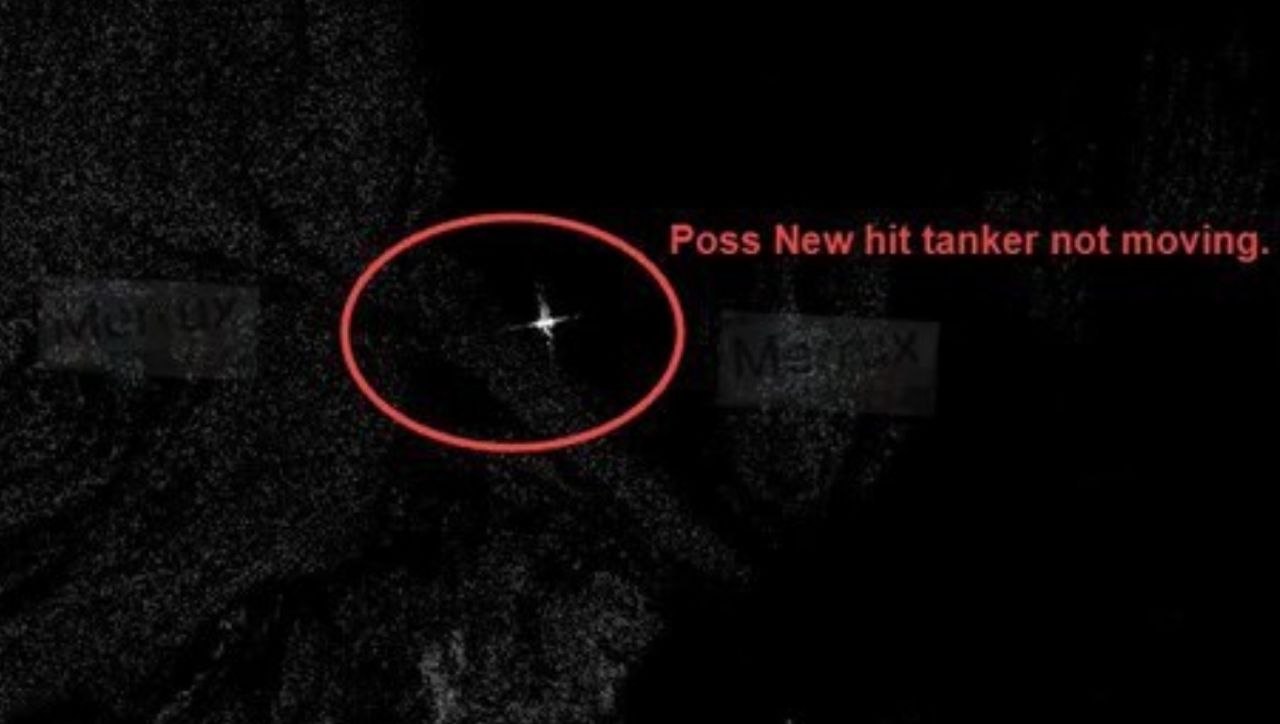
At 00:30 UTC, satellite imagery released by Arab media outlets and shared on intelslava showed a merchant vessel ablaze after being struck by fire from Iran’s Islamic Revolutionary Guard Corps (IRGC). The ship, identified only as a commercial tanker, suffered extensive deck damage but remained afloat, and no crew injuries were reported. The IRGC’s involvement was inferred from the pattern of the fire and the timing relative to the missile launch, suggesting a coordinated display of force.
"Satellite images show that a ship in the Strait of Hormuz caught fire after being targeted by the IRGC," – intelslava, 2026‑09‑20.
The incident adds a kinetic dimension to Iran’s recent missile activity, indicating a willingness to target civilian maritime assets directly. International shipping firms have issued advisories urging vessels to reroute north of the strait, potentially increasing transit times and costs.
Drone Attack on Kharab al‑Jir Base, Al‑Hasakah Governorate, Syria
At 00:18 UTC, a hostile unmanned aerial vehicle (UAV) engaged Kharab al‑Jir Base in northeastern Syria’s Al‑Hasakah Governorate. The attack, reported by intelslava, was captured on video but no casualties or material damage were confirmed. The UAV’s origin remains unidentified; neither the Syrian Democratic Forces (SDF) nor the Turkish-backed opposition claimed responsibility. The base, a strategic logistics hub for SDF operations, has previously been targeted by Turkish drones, but the current strike appears to be part of a broader pattern of aerial harassment across the region.
"Kharab al‑Jir Base in Al‑Hasakah Governorate, northeastern Syria, is currently under drone attack," – intelslava, 2026‑09‑20.
While the immediate impact was limited, the incident illustrates the persistent vulnerability of ground installations to low‑cost UAVs, especially in contested border zones where multiple actors operate with overlapping interests.
Regional Implications
The quartet of events on September 20 reflects a multi‑theater escalation that spans religious, maritime, and land domains. In Jerusalem, the escorted entry of settlers into Al‑Aqsa signals a potential shift in Israeli policy toward more assertive presence at holy sites, a factor that could inflame Palestinian protests and draw international condemnation. In the Gulf, Iran’s simultaneous missile launch and IRGC‑linked ship fire demonstrate a calibrated use of both strategic and tactical weapons to assert dominance over the Strait of Hormuz, a chokepoint vital to global energy markets. Finally, the drone strike in Syria underscores the diffusion of aerial capabilities among state and non‑state actors, complicating the security calculus for coalition forces operating in the northeast.
Collectively, these incidents suggest a pattern of calculated provocations designed to test adversary responses while avoiding full‑scale conflict. Monitoring channels such as monitor_the_situation and intelslava continue to provide near‑real‑time documentation, enabling analysts to track the evolving risk landscape across the Middle East.