On 19 September 2026 a series of high‑intensity air and drone operations marked a notable escalation in the Russia‑Ukraine conflict. Ukrainian unmanned aerial systems (UAS) struck multiple airports in the Moscow region, while Russian forces launched cruise missiles and glide bombs against critical infrastructure in Odesa, Ukraine. The simultaneous attacks illustrate a widening of the aerial battlefield and a heightened reliance on precision‑guided munitions by both sides.
Ukrainian drone offensive against Moscow-area airports
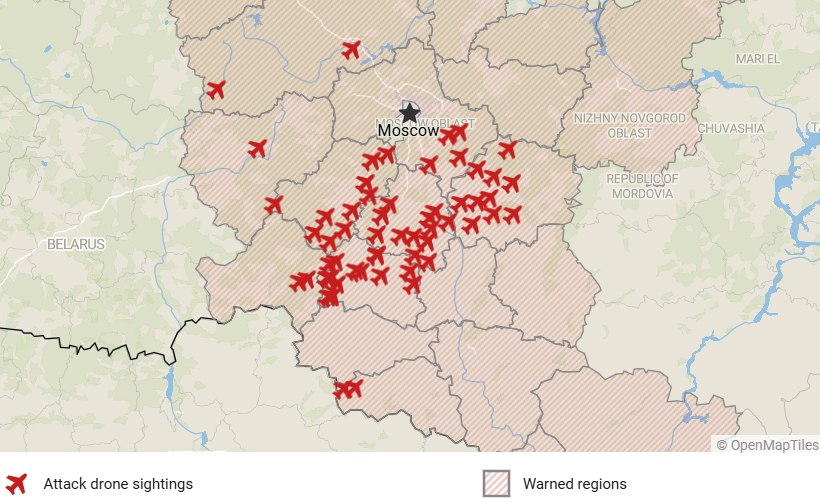
At 00:28:01 UTC, Ukrainian drones were reported to have penetrated western Russia, disabling several airports serving the Moscow metropolitan area. The incident, documented by the monitoring channel monitor_the_situation, included photographic evidence of damaged runways and grounded aircraft. While casualty figures were not released, the operational impact on civilian and military air traffic was immediate, prompting emergency protocols at the affected facilities.
"Ukrainian drones strike western Russia near Moscow, disabling multiple Moscow-area airports as a wave of attack drones operated near the city late Friday." – monitor_the_situation, 19 Sep 2026
The deployment of drones at such range suggests an expansion of Ukraine’s long‑range strike capabilities, potentially involving loitering munitions launched from within Ukrainian territory or from allied bases. The attacks also demonstrate a strategic intent to pressure Russian logistics hubs far from the front lines, complicating Moscow’s air‑defence posture.
Russian cruise missile and glide‑bomb barrage on Odesa
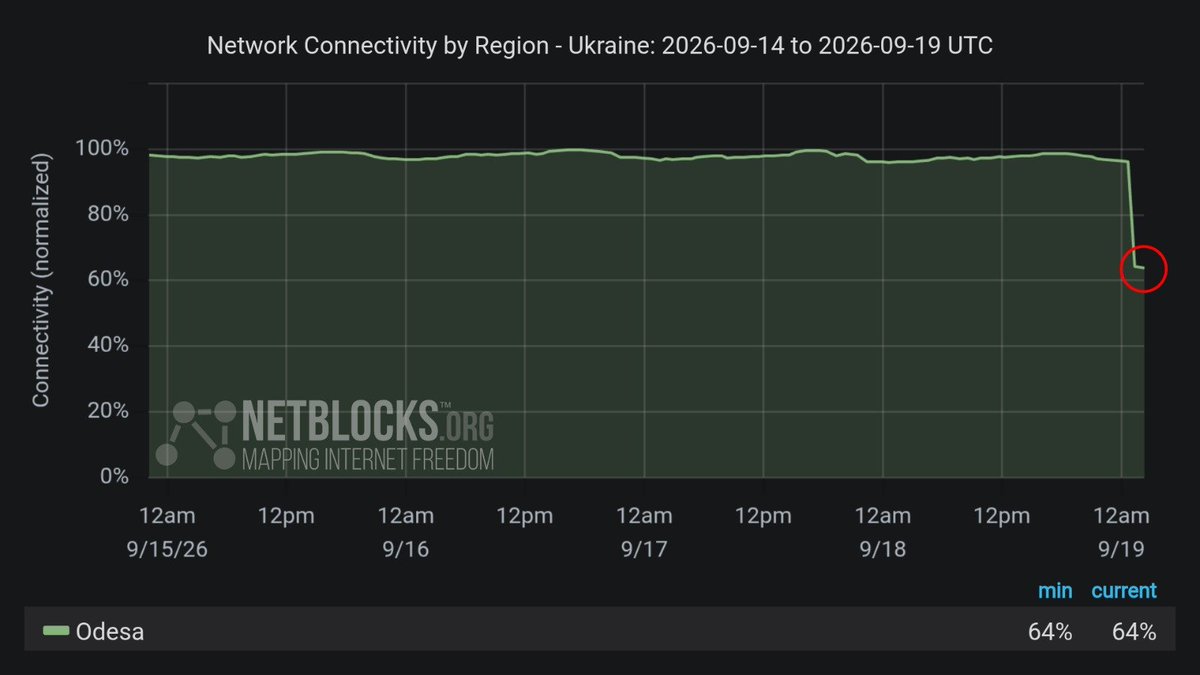
At 02:49:55 UTC, Russian forces launched a coordinated salvo of cruise missiles and KAB‑500 glide bombs targeting the Mayaky and Zatoka bridges, the Yuzhnyi Port, and northern suburbs of Odesa. The strike, reported by monitor_the_situation and corroborated by satellite‑derived mapping data from @netblocks and @AMK_Mapping_, triggered citywide air‑raid warnings. No immediate civilian casualties were confirmed, but the destruction of bridge infrastructure would impede both civilian movement and military logistics across the strategic Dnipro‑Baltic corridor.
"A large group of Russian cruise missiles and KAB glide bombs are inbound toward the Mayaky and Zatoka bridges, Yuzhnyi Port, and northern Odesa suburbs. Air raid warnings are active." – monitor_the_situation, 19 Sep 2026
The use of glide‑bombs, which combine the range of a cruise missile with the payload of a conventional bomb, reflects Russia’s emphasis on precision strikes against high‑value targets while minimizing exposure to Ukrainian air‑defence systems.
Ukrainian strike on Rostov‑Central airfield
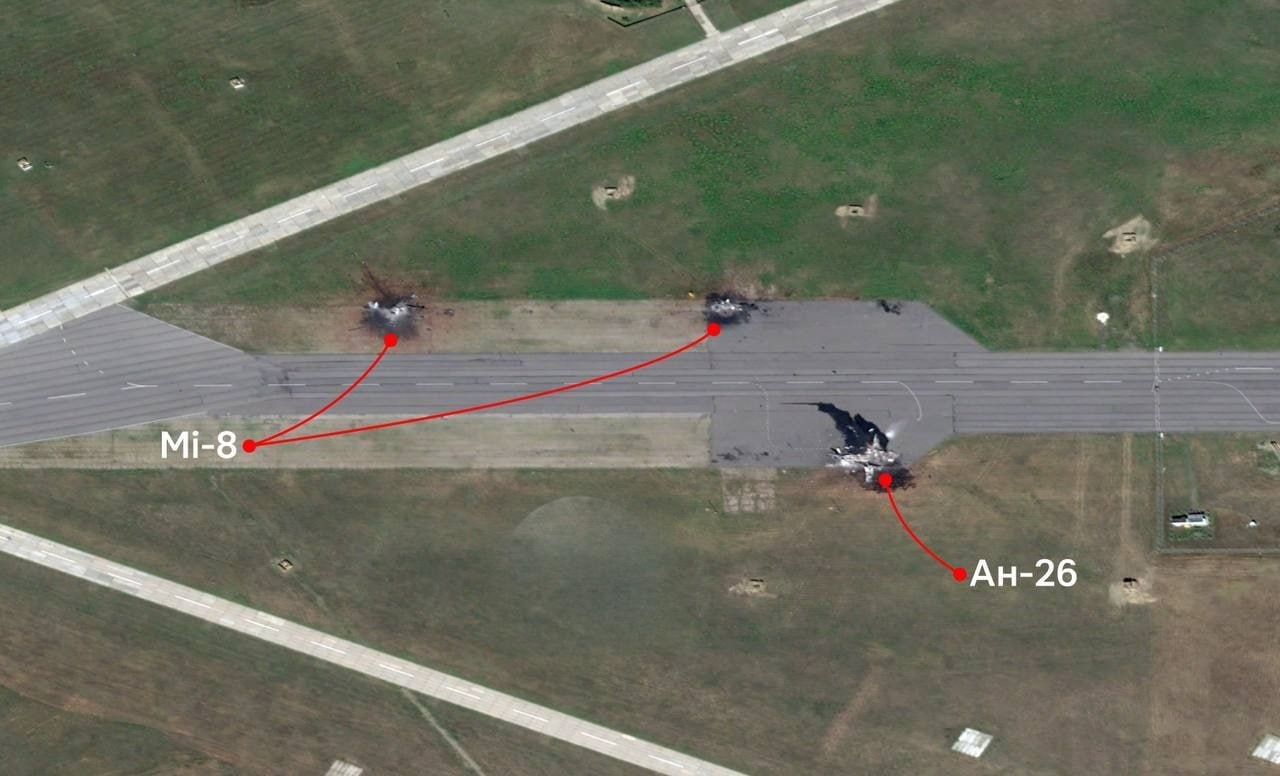
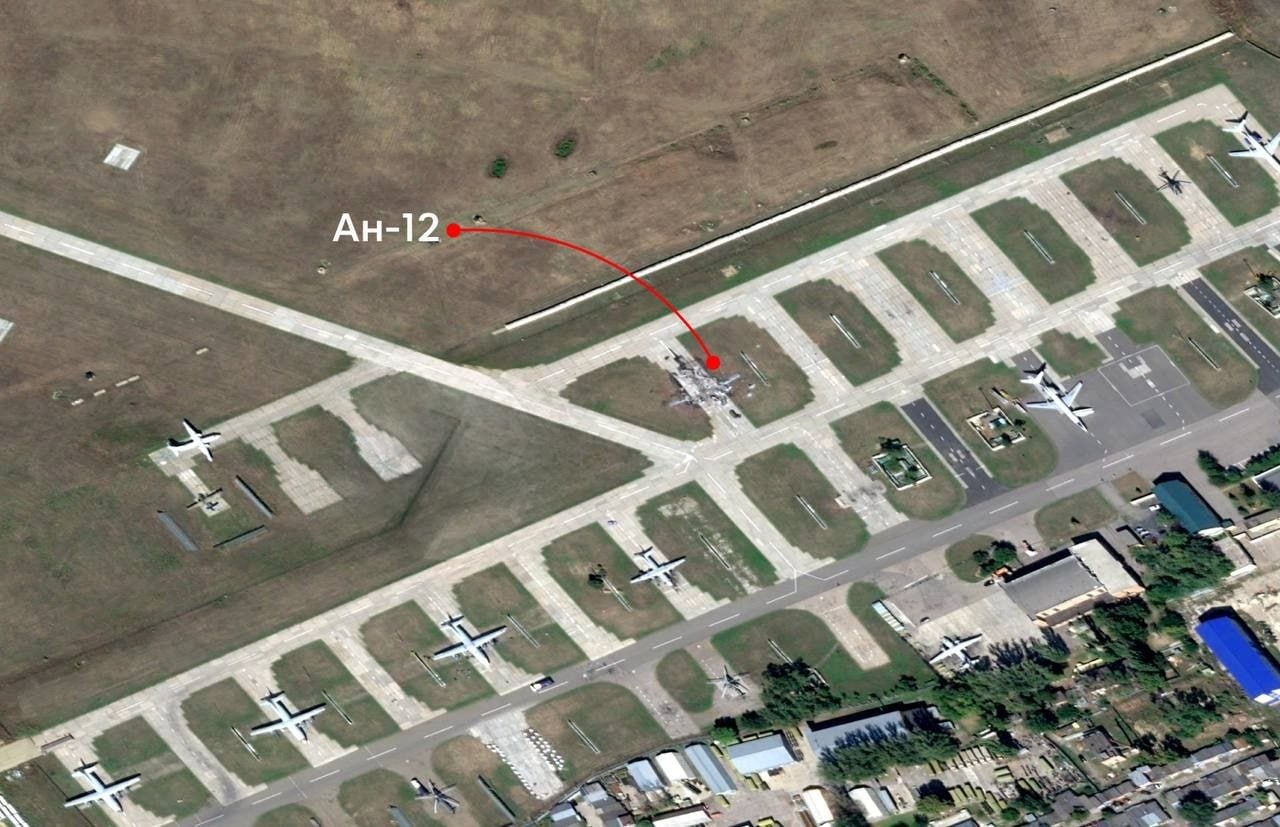
At 04:22:26 UTC, satellite imagery released by the intelligence outlet intelslava showed the aftermath of a Ukrainian attack on the Rostov‑Central airfield in Rostov‑on‑Don, Russia. The strike destroyed an Antonov An‑12 transport aircraft, an An‑26, and two Mil Mi‑8 helicopters. While the exact weapon system employed was not disclosed, the scale of the damage indicates a high‑precision, possibly missile‑guided, munition capable of breaching hardened aircraft shelters.
"Ukrainian forces struck the Rostov‑Central airfield in Rostov‑on‑Don, Russia, destroying an An‑12, an An‑26 and two Mi‑8 helicopters." – intelslava, 19 Sep 2026
The loss of transport and rotary‑wing assets reduces Russia’s tactical airlift capacity in the Southern Military District, potentially affecting supply lines to the contested Donbas region.
Analytical assessment
The three incidents collectively reveal a shift toward deeper, more coordinated aerial operations on both sides of the front. Ukrainian drone incursions into the Russian heartland demonstrate an ability to project power beyond conventional front‑line boundaries, leveraging low‑cost, high‑impact platforms to disrupt Russian air mobility. Conversely, Russia’s deployment of cruise missiles and glide bombs against Odesa underscores a continued reliance on stand‑off weapons to neutralize strategic infrastructure while avoiding direct air‑defence engagements.
Both parties are increasingly integrating intelligence, surveillance, and reconnaissance (ISR) data to refine target selection. The Ukrainian strike on Rostov‑Central airfield, for example, likely benefited from real‑time satellite or signals intelligence that identified aircraft on the ground, enabling a time‑critical strike that maximized asset loss. Similarly, Russian missile trajectories toward Odesa were likely calibrated using updated geospatial data to ensure impact on bridge spans and port facilities.
From a broader strategic perspective, the escalation of air‑and‑drone attacks raises the risk of collateral damage in densely populated areas, as evidenced by the potential for civilian disruption in Odesa and the indirect effects of airport closures near Moscow. The incidents also highlight the growing importance of air‑defence modernization; Russia’s Patriot‑type systems successfully intercepted a Houthi missile in Saudi Arabia on the same day, suggesting that advanced radar and missile technologies remain decisive in counter‑missile operations.
Implications for future operations
Given the demonstrated effectiveness of long‑range drones, Ukraine may expand its inventory of loitering munitions and explore partnerships for extended‑range platforms. Russia, in turn, is likely to increase the density of its integrated air‑defence network around critical nodes, potentially deploying additional S‑300/400 systems and mobile anti‑missile units.
Continued monitoring of satellite imagery, open‑source telemetry, and channel reports will be essential to track the evolving tactics and to assess the impact on logistical chains, civilian infrastructure, and overall combat effectiveness on both sides.