On September 19, 2026, Ukraine experienced its most lethal day of kinetic activity in months, with coordinated missile, drone and rocket strikes causing at least 20 civilian deaths and 98 injuries across three major cities. The attacks, reported by the monitoring channel monitor_the_situation, underscore a sharp escalation in the use of high‑speed weaponry and AI‑assisted targeting systems against densely populated areas.
Mass‑Casualty Strike Wave in Kyiv, Sumy and Kharkiv
According to a Telegram post from @CITeam_en, the strike wave resulted in:
- Kyiv: 7 wounded, including three children.
- Sumy: 2 civilians killed and 14 injured, two of whom were children.
- Kharkiv: 5 civilians killed.
The report did not attribute the attacks to a specific weapon system, but the timing coincides with a broader Russian offensive that employed both conventional rockets and unmanned aerial systems (UAS). The civilian toll represents the highest single‑day loss of life in Ukraine since the spring of 2024.
"🔴 **Civilian Casualties From Strikes in Ukraine, Russia** At least 20 civilians killed, 98 injured from strikes in Ukraine and Russia over 24 hours. Kyiv: 7 wounded (3 children); Sumy: 2 killed, 14 injured (2 children); Kharkiv: 5 killed." – monitor_the_situation, 14:43 UTC
Russian Drone Barrage Over Kyiv and Nationwide
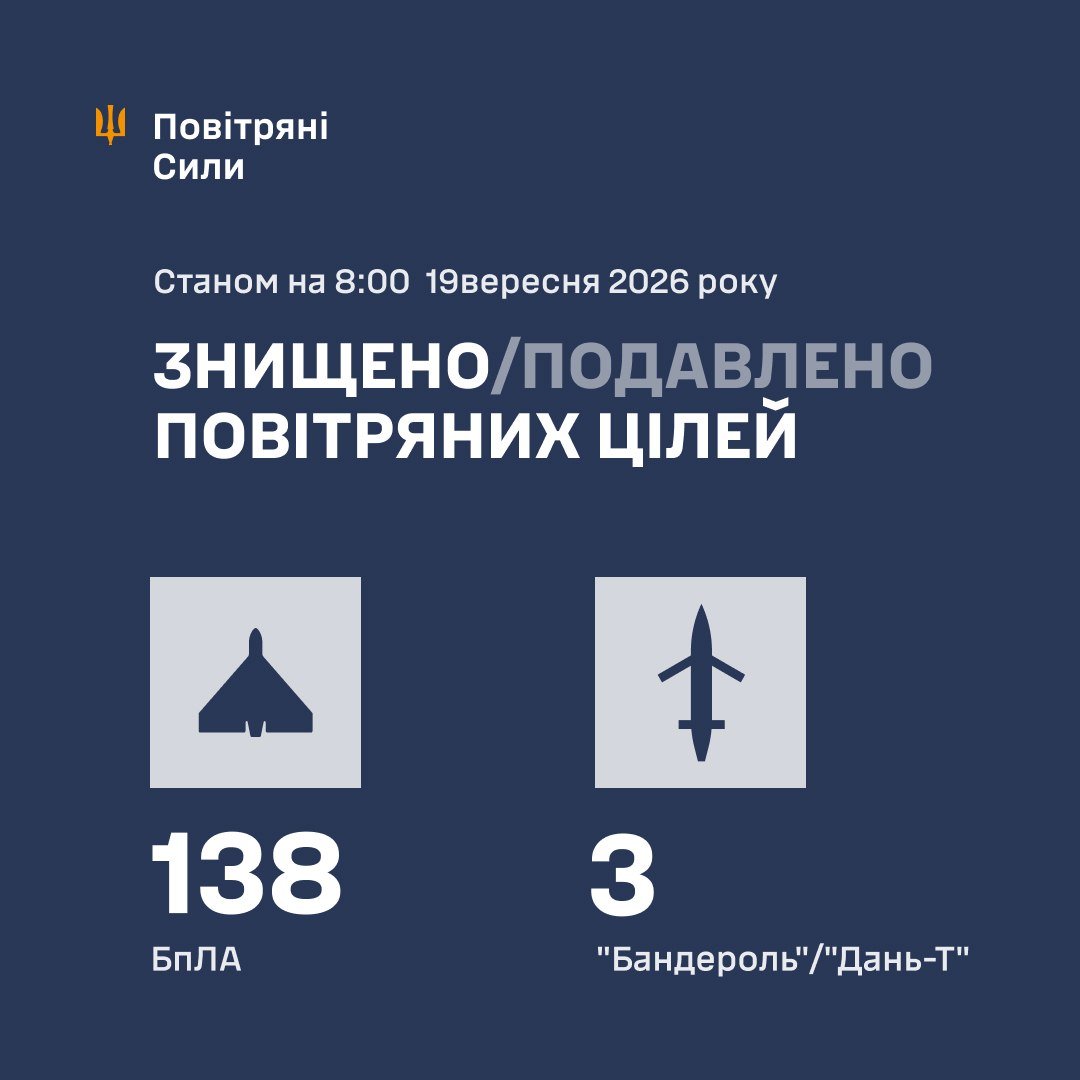
Earlier that morning, a massive swarm of Shahed‑type drones targeted Ukraine’s capital and other regions. The barrage involved 174 drones, of which Kyiv’s air defenses intercepted 138. Despite the high interception rate, the attack resulted in 11 civilian deaths and more than 64 injuries nationwide.
The drones were launched from Russian‑controlled territory and included both loitering munitions and one‑way attack drones. Ukrainian air defense units, operating under the coordination of the Kyiv Independent channel, reported the successful downing of the majority of the swarm, highlighting the continued effectiveness of integrated air‑defence networks.
"🔴 **Russian Attacks Kill 11, Injure 64 in Ukraine** Overnight drone barrage killed 11 and wounded over 64 across Ukraine; Kyiv's air defenses intercepted 138 of 174 drones, including Shaheds." – monitor_the_situation, 08:04 UTC
Missile Salvo Hits Kyiv and Odessa
At approximately 08:13 UTC, a coordinated missile strike struck both Kyiv and the port city of Odessa. Intelligence from intelslava identified three Russian Onyx supersonic missiles impacting Kyiv, while Odessa endured a mixed salvo of 15 Banderol cruise missiles, one Kh‑31 anti‑ship missile and five KAB ballistic missiles.
The Onyx missiles, known for their high‑speed, low‑observable flight profile, caused structural damage to several residential blocks in Kyiv. In Odessa, the Banderol and Kh‑31 missiles targeted critical infrastructure, including a power substation and a logistics depot, leading to temporary outages and the displacement of civilians.
"That night, 3 Onyx supersonic missiles hit Kiev city. 15 Banderol missiles, 1 Kh-31, and 5 KABs struck the city of Odessa." – intelslava, 08:13 UTC
Infrastructure Sabotage and Power Outages
Following the missile attacks, a separate strike in Odesa Oblast knocked out electricity for more than 178,000 homes. The State Emergency Service of Ukraine confirmed that the strike also damaged civilian objects in Kyiv and Khmelnytskyi regions, including warehouses, a production facility, and an apartment building.
In addition, Ukrainian forces reported the destruction of a Russian fuel, lubricant and ammunition depot in Zaporizhzhia Oblast. The depot was leveled by a High‑Precision Unmanned Reconnaissance (HUR) operation, depriving Russian frontline units of essential supplies.
"More than 178,000 homes are without power in Odesa Oblast after a strike — the State Emergency Service of Ukraine. ... Ukraine Destroys Russian Depot in Zaporizhzhia Region." – intelslava, 12:34 UTC and 15:00 UTC
Targeted Drone Attacks on Civilian Vehicles
In Sumy Oblast, a Russian FPV (first‑person view) drone struck a civilian car, killing four occupants. The incident, reported by monitor_the_situation, was described as part of a “human safari” training exercise, indicating a deliberate targeting of non‑combatants.
Similarly, a Russian FPV drone hit a civilian vehicle in the same region earlier in the day, underscoring a pattern of low‑altitude, precision attacks against soft targets.
"Russian Drone Strike Kills 4 Civilians in Sumy Oblast" – monitor_the_situation, 16:23 UTC
Ukrainian Counter‑UAS Operations
Ukrainian forces continued to degrade Russian air‑defence and surveillance capabilities. Notable actions included:
- Destruction of an Osa air‑defence system near Volnovakha by the Spartan Brigade and Black Sky Unmanned Systems Battalion.
- Elimination of a $100 million Nebo‑U radar in the Donbas region by the Phoenix Unmanned Systems Regiment.
- Neutralisation of a Russian Geran/Shahed drone that struck the Odessa Railway Computing Center, causing a fire but no casualties.
These operations were documented through geolocated footage shared on Telegram channels, providing open‑source verification of the strikes.
"Ukraine's Spartan Brigade, with the Black Sky Unmanned Systems Battalion, destroyed a Russian Osa air‑defence system about 40 km from Volnovakha." – monitor_the_situation, 14:16 UTC
Air‑Defence Performance Against Russian Missiles
Ukraine’s integrated air‑defence network intercepted 141 of 176 Russian missiles and drones targeting the Kyiv and Odesa regions overnight. The intercepted arsenal included two Zircon hypersonic missiles and a large number of Shahed loitering munitions. While the majority of missiles missed their intended targets, the sheer volume of inbound threats strained Ukrainian defence assets.
The successful interceptions were attributed to a combination of ground‑based S‑300 and Patriot systems, as well as mobile air‑defence units operating under the command of the Ukrainian Air Force.
"Ukraine Downs 141 of 176 Russian Targets in Overnight Mass Strike" – monitor_the_situation, 06:28 UTC
Overall Assessment
The kinetic events of September 19 illustrate a multi‑layered escalation by Russian forces, employing a blend of high‑speed missiles, swarm drones and precision‑guided loitering munitions. The civilian casualty figures, combined with widespread infrastructure damage, indicate a strategic shift toward targeting urban centres and civilian utilities to erode morale and disrupt daily life.
Ukrainian defensive measures, particularly in air‑defence and counter‑UAS operations, have mitigated some of the potential damage, but the high interception rates also reveal the intensity of the onslaught. Continued monitoring of AI‑assisted targeting systems and the proliferation of low‑cost FPV drones will be essential for anticipating future kinetic threats.